The Ultimate Comfort Food: A Guide to the Most Incredible Pot Roast and Vegetables
As we navigate the chilly second week of February, there is a natural craving for something substantial, warm, and deeply comforting. This is the season for slow cooking, where the kitchen becomes the heart of the home, filled with the rich aromas of simmering beef and aromatic herbs. For a special birthday request, nothing beats a classic pot roast. This isn’t just any meal; it is a hearty, “stick-to-your-ribs” fare of meat and potatoes that perfectly counters the frosty winter days.
Many traditional pot roast recipes rely heavily on processed “cream of mushroom” soups for moisture and flavor. However, this recipe takes a different, more refined path. By moving away from canned shortcuts, we unlock a depth of flavor that is truly divine. The secret lies in fresh ingredients, layers of seasoning, and a slow-cooking process that transforms a simple cut of beef into a gourmet masterpiece. This recipe focuses on high-quality aromatics, a touch of red wine, and a generous helping of garlic to create a sauce that is rich, savory, and entirely natural.
Why This Pot Roast Recipe Stands Out
What makes this specific pot roast incredible? It is the careful selection of ingredients that balance savory, sweet, and acidic notes. We use a significant amount of garlic—eight large cloves, to be exact—which mellows during the long cooking process to provide a sweet, nutty foundation. Instead of heavy cream, we use Italian tomato Passata and a high-quality beef bouillon paste, such as “Better Than Bouillon,” to achieve a concentrated umami flavor.
Furthermore, this recipe is designed with health in mind without sacrificing taste. By utilizing salt-free spice blends like Mrs. Dash, we control the sodium content while maximizing the herbal profile. The addition of rosemary and red wine adds a sophisticated layer that elevates this from a humble family dinner to a festive birthday feast.
The Science of the Perfect Chuck Roast
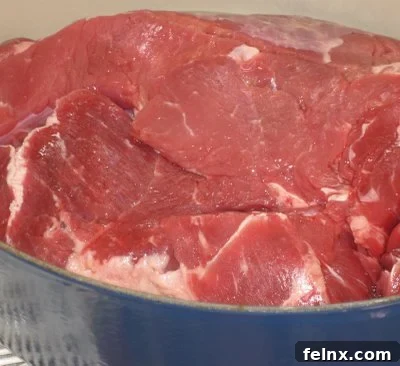
The foundation of any great pot roast is the meat itself. For this recipe, we recommend a 3 to 4-pound boneless chuck roast. Chuck comes from the shoulder of the cow, a muscle group that works hard and is therefore rich in connective tissue and collagen. While a quick sear would leave this cut tough, a long, slow braise at a low temperature melts that collagen into gelatin. This process is what gives the meat its “melt-in-your-mouth” texture and creates a naturally thick, silky sauce.
When selecting your roast, look for good marbling—those thin white streaks of fat running through the meat. This fat renders down during the 3.5-hour simmer, basting the meat from the inside out and ensuring every bite is juicy and flavorful.
Incredible Pot Roast and Vegetables
Perfect for Sunday dinners or special celebrations.
Ingredients
- 3 – 4 pounds boneless chuck roast: The ideal cut for slow braising.
- 2 Tbsp canola oil: Chosen for its high smoke point (avoid olive oil for searing).
- Mrs. Dash Garlic and Herb blend: For salt-free, robust herbal flavor.
- Nature’s Seasons: A versatile seasoning blend.
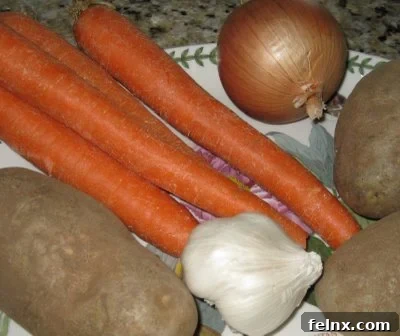
- 1 large onion, chopped: Provides a sweet base for the gravy.
- 8 large cloves of garlic: Smashed and chopped for maximum impact.
- 1/2 cup red wine: A Meritage blend or a bold Cabernet works best.
- 3 large carrots: Peeled and cut into thick chunks.
- 3 large Idaho russet potatoes: Peeled and cubed into 2-inch pieces.
Step-by-Step Instructions
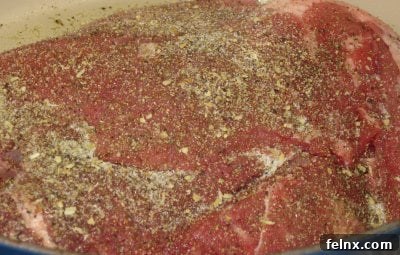
- Season the Meat: Generously rub the garlic and herb seasonings onto both sides of the chuck roast. Use enough to create a light crust; this will form the flavorful “bark” of the roast.
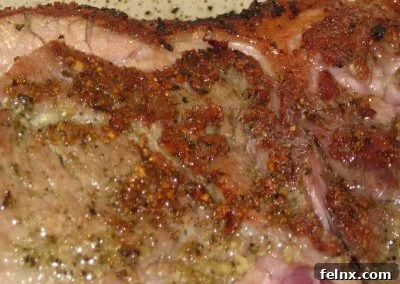
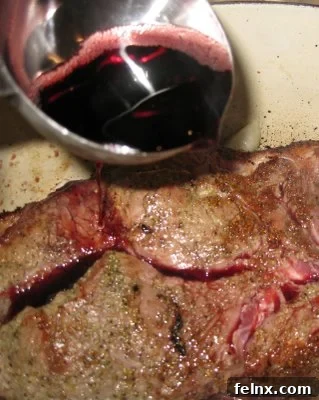
- The Essential Sear: Heat the canola oil in a large, heavy pot (such as a Dutch oven) over medium-high heat. Place the roast in the pot. Do not move it! Let it sear for at least 3 minutes per side until it develops a deep, caramelized brown color. This caramelization is where the “real” flavor lives.
- Deglaze and Simmer: Once browned, flip the meat and add the red wine. The wine will lift the browned bits (fond) from the bottom of the pan. Cover with a tight-fitting lid and reduce the heat to the lowest possible setting for a gentle simmer. Alternatively, you can place the pot in a 225-degree oven.
- The Long Braise: Allow the meat to cook undisturbed for 3.5 hours. During this time, the house will fill with an incredible aroma.
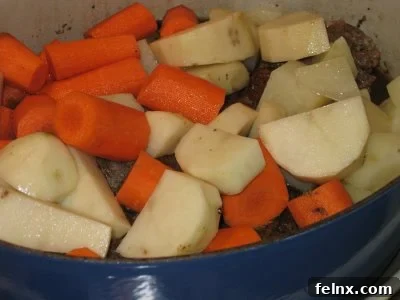
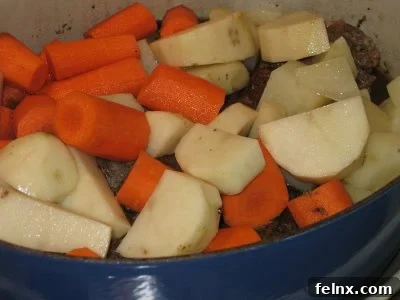
- Add the Vegetables: After 3.5 hours, add your carrots and freshly cut potatoes. (Pro tip: Don’t cut the potatoes too early, or they will turn brown from oxidation).
- Final Cooking: Continue simmering for another 45 minutes. The roast is finished when the vegetables are tender and the meat pulls apart easily with a fork.
Mastering the Browning Process
One of the most common mistakes in making a pot roast is rushing the browning phase. When you sear the meat in hot oil, you are triggering the Maillard reaction. This chemical reaction between amino acids and reducing sugars creates a complex array of flavors that cannot be achieved through simmering alone. If the meat is grey rather than brown, you have missed out on a significant layer of taste.
As the images show, that rich, caramel-brown color is exactly what you are looking for. It acts as the “seasoning” for the liquid that will eventually become your gravy. Ensure your pan is hot enough before the meat hits the surface, and resist the urge to peek or move the roast until the crust has formed.
The Role of Aromatics and Wine
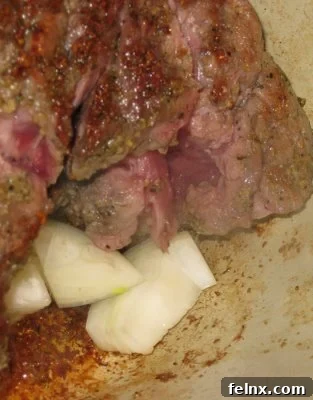
While the beef is the star, the supporting cast of garlic and onion is what provides the depth. Using eight cloves of garlic might seem excessive to some, but because they are cooked slowly for nearly four hours, they lose their sharp “bite” and transform into a sweet, savory paste that dissolves into the sauce. This is the secret to an “outstanding” roast.
The addition of red wine, specifically a Meritage or a heavy red blend, provides the necessary acidity to balance the richness of the beef fat. As the wine reduces, it concentrates into a glaze that coats the meat and vegetables. And as we always recommend: Pour yourself a nice glass of vino to enjoy while you wait for the magic to happen!

Vegetable Preparation and Timing
Timing is everything when it comes to the “and vegetables” part of this dish. Adding the carrots and potatoes at the beginning would result in a mushy mess by the time the meat is tender. By waiting until the final 45 minutes, the vegetables absorb the beef juices while maintaining their structure and a slight “bite.”
Using Idaho russet potatoes is a classic choice. Their high starch content allows them to soak up the gravy like a sponge. However, you must be careful with their preparation. Peeling and cutting them right before they go into the pot ensures they stay bright and white until they are submerged in the dark, savory braising liquid.
Final Result: A Delectable Feast
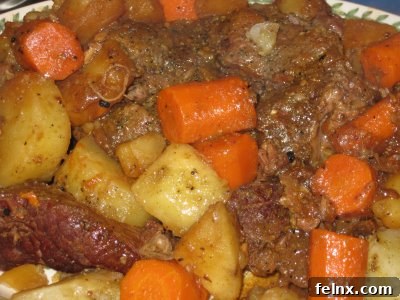
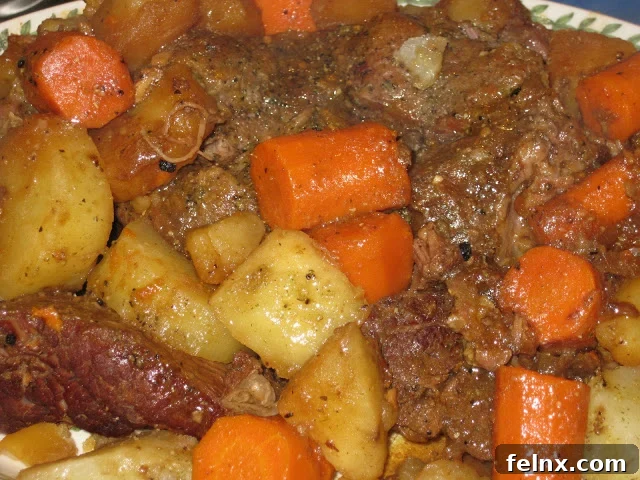
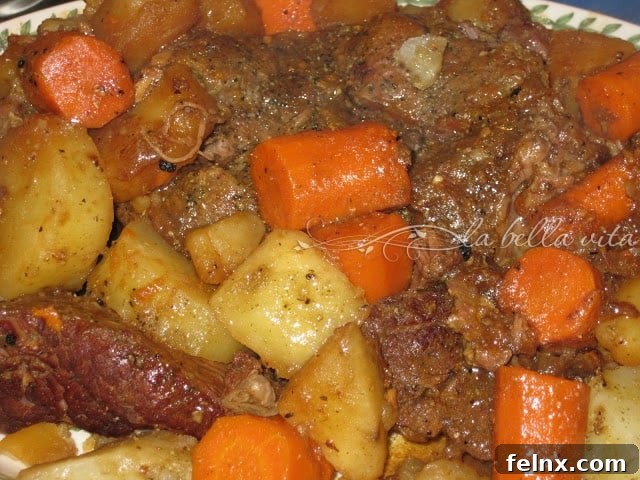
After nearly four and a half hours of patient cooking, you are rewarded with a pot roast that is tender enough to cut with a spoon. The carrots are sweet, the potatoes are savory, and the sauce is a rich reduction of wine, garlic, and beef essences. This is a meal that brings people together, warming both the body and the soul.
Serve this roast directly from the pot for a rustic feel, or arrange it on a large platter for a more formal presentation. The luscious, delectable final result is guaranteed to satisfy even the most demanding special requests. Enjoy every bite of this homemade labor of love!