Una Faccia, Una Razza: The Mediterranean Bond
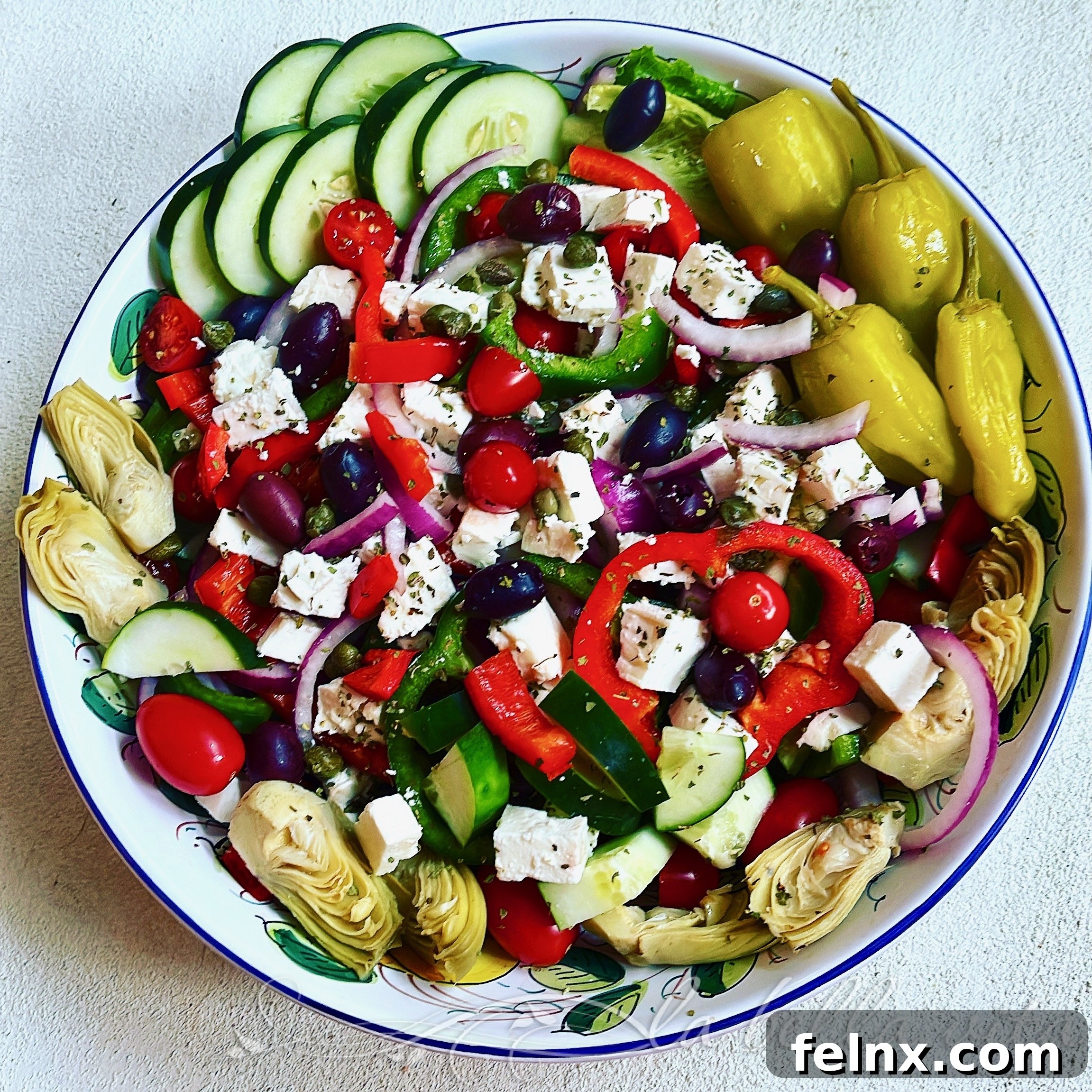
The connection between Italy and Greece is often described with the beautiful phrase “Una Faccia, Una Razza,” which translates to “One Face, One Race.” This sentiment perfectly captures the deep cultural, historical, and culinary ties shared by these two Mediterranean neighbors. Both nations have been shaped by the surrounding azure seas, the rugged mountain landscapes, and a shared history that dates back millennia. This shared heritage is perhaps most evident in their kitchens, where fresh produce, high-quality olive oil, and simple yet bold flavors take center stage.
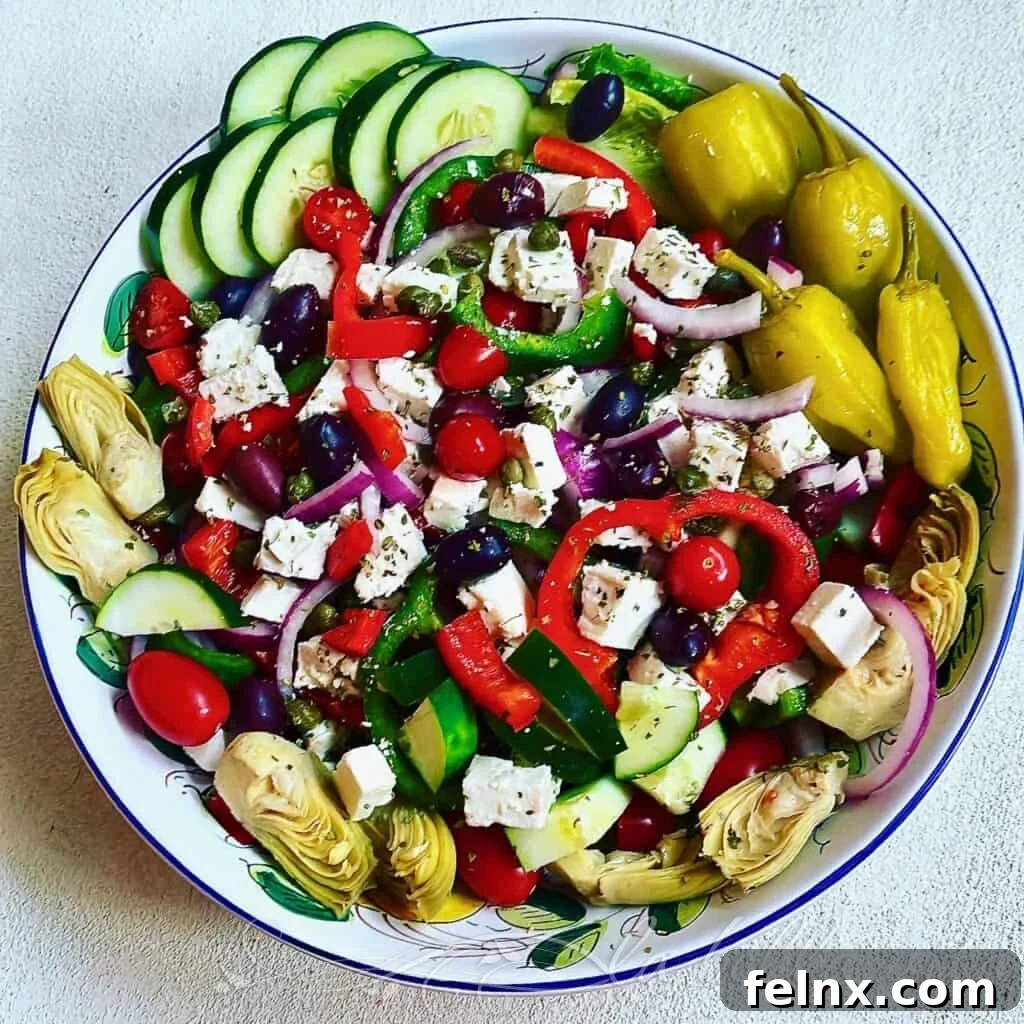
When you look at Italian and Greek cuisines, you see a reflection of the same sun-drenched soil. While Italy gave us the vibrant Caprese and the hearty Panzanella, Greece offered the world one of its most beloved exports: the Classic Greek Salad. This dish is more than just a mix of vegetables; it is a celebration of the Mediterranean lifestyle—healthy, refreshing, and deeply satisfying.
For many, a Greek salad is a daily staple. Its combination of tangy feta, briny olives, and crisp vegetables makes it a versatile dish that fits any occasion. Whether you are looking for a light lunch, a side dish for a summer barbecue, or a refreshing accompaniment to a warm winter soup, this salad never fails to deliver. Let’s explore how to create the ultimate version of this timeless classic in your own kitchen.
Why You Will Love This Greek Salad Recipe
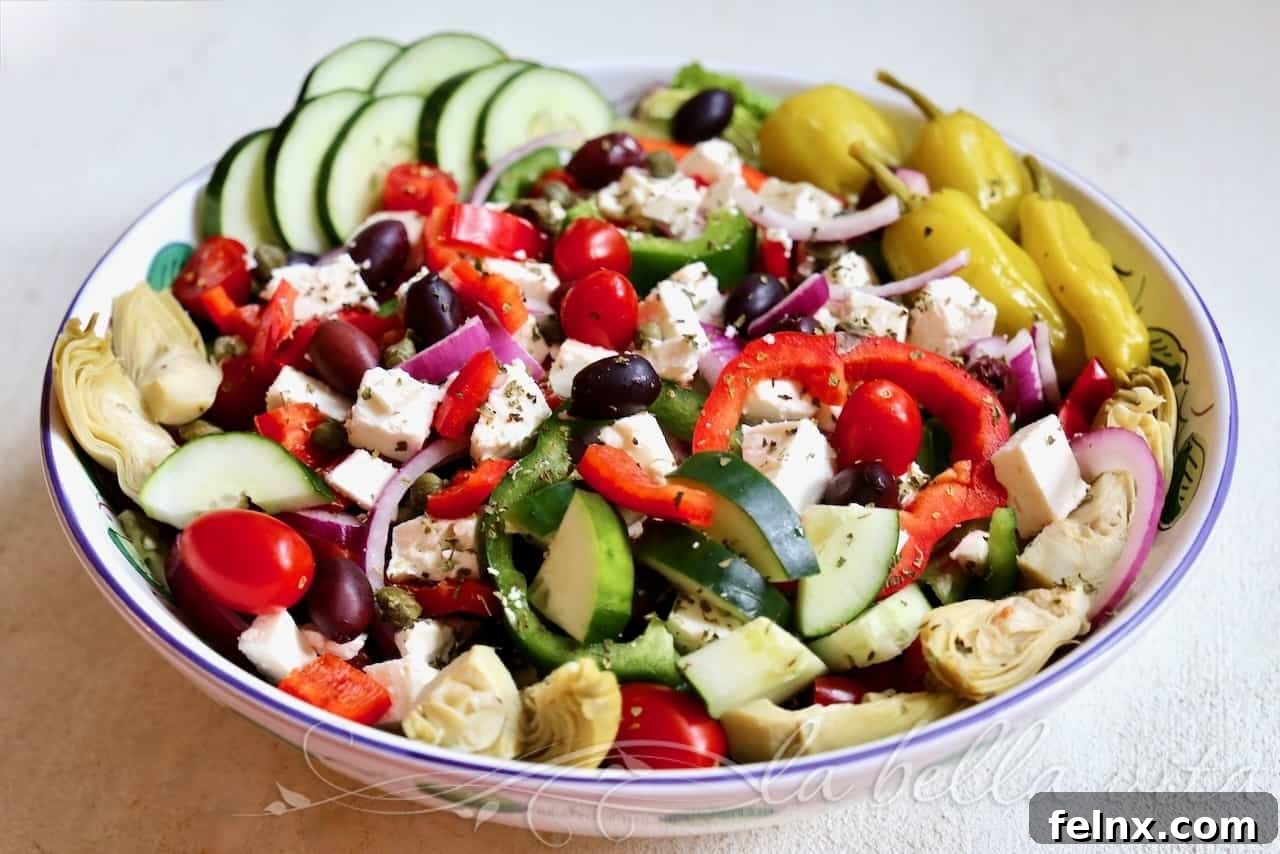
There is a reason why the Greek salad, known in Greece as Horiatiki, has become a global favorite. First and foremost, it is incredibly easy to prepare. With no cooking involved, it relies entirely on the quality of the ingredients and a simple assembly process. This makes it a perfect recipe for beginners and seasoned home cooks alike.
Beyond its simplicity, the salad is a nutritional powerhouse. It is naturally low in carbohydrates, making it an excellent choice for those following a keto or Mediterranean diet. Every bite is packed with antioxidants from the tomatoes, healthy fats from the extra virgin olive oil, and essential vitamins from the leafy greens and peppers. It is the kind of meal that leaves you feeling energized rather than weighed down.
The Essential Ingredients for Success
To make an authentic-tasting salad, you need to gather the right components. While there are many variations, the most flavorful versions focus on a specific set of Mediterranean staples.
The Base: Vegetables and Greens
While traditional village salads in Greece often omit lettuce, many modern interpretations, especially those influenced by Western preferences, include a base of crisp greens. For this recipe, Romaine lettuce is the gold standard. It provides a sturdy, crunchy texture that holds up well against the heavy dressing and juicy vegetables. Ensure your lettuce is kept very cold until the moment of serving to maintain that essential “snap.”
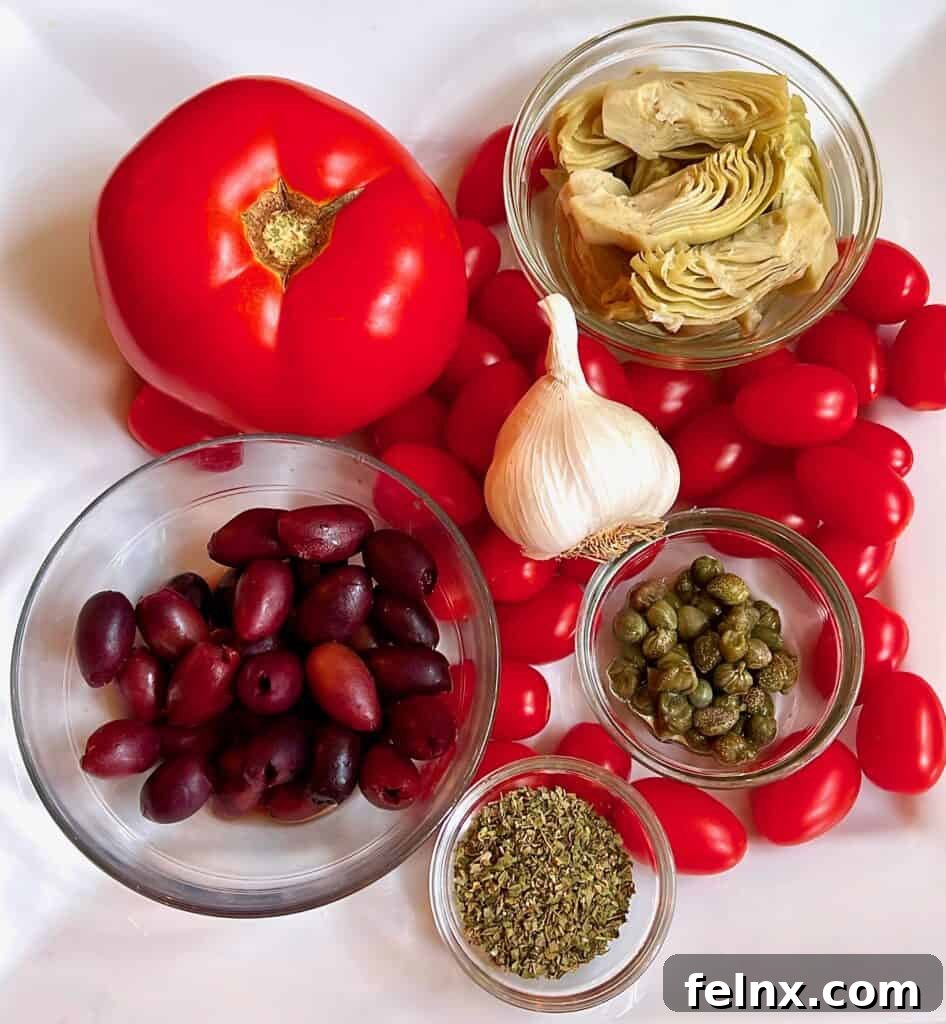
Next are the tomatoes. If you are making this during the peak of summer, large vine-ripened tomatoes are wonderful. However, during other times of the year, cherry tomatoes or grape tomatoes (specifically San Marzano varieties) are preferred because they retain their sweetness and firm texture year-round.
The Crunch and the Tang
Cucumbers provide the cooling element of the dish. English or Persian cucumbers are highly recommended because they have thinner skins and fewer seeds, which prevents the salad from becoming too watery. Red onions add a necessary bite; slicing them into thin rings allows their flavor to distribute evenly without overwhelming the other ingredients.
Bell peppers, both red and green, contribute sweetness and vibrant color. To add a bit of a vinegary kick, Greek pepperoncini are a must. These mild, pickled peppers provide a subtle heat that complements the creaminess of the cheese.
The Mediterranean Accents
No Greek salad is complete without Kalamata olives. These dark, almond-shaped olives have a rich, fruity flavor that is far superior to standard canned black olives. Similarly, artichoke hearts and capers add layers of earthy and salty complexity that elevate the salad from a simple side to a gourmet meal.
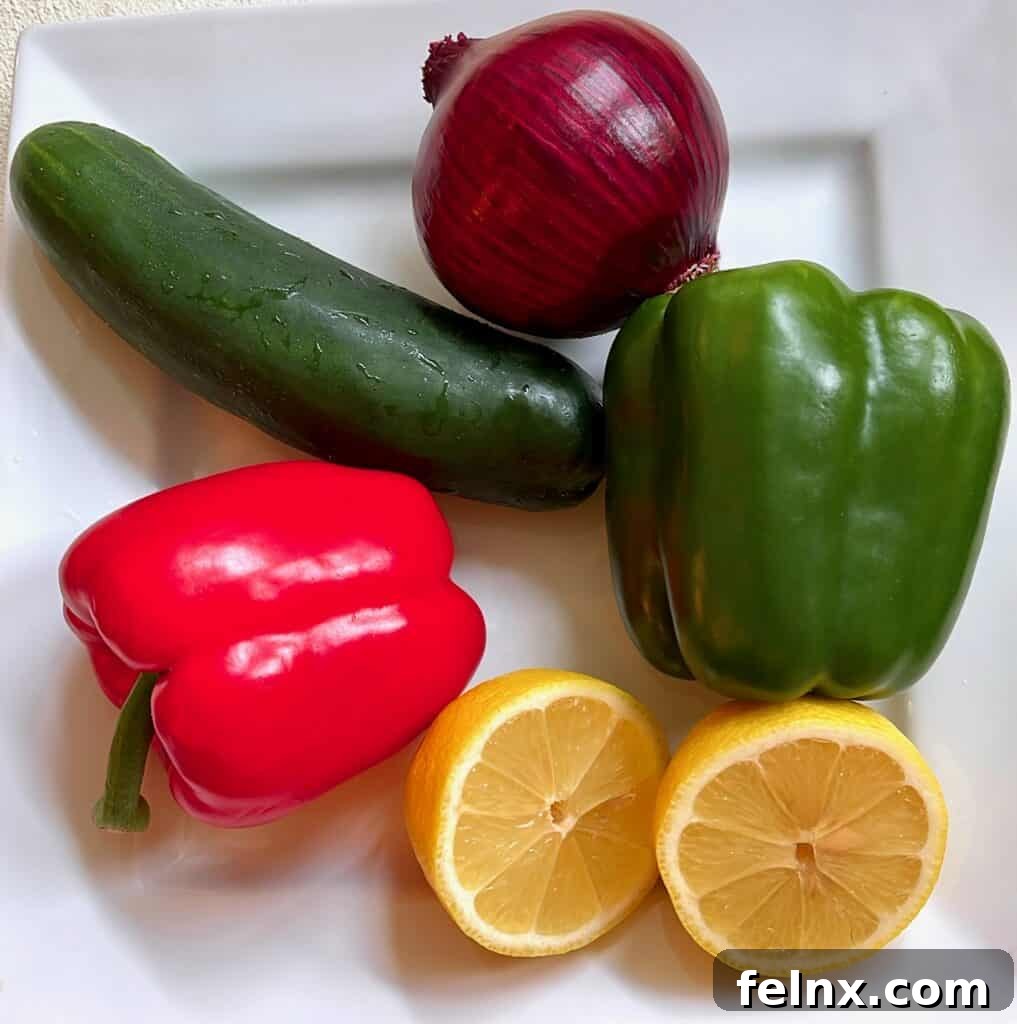
A vibrant mix of cucumbers, bell peppers, and fresh lemons ready for preparation.
The Secret to the Perfect Dressing
A great salad is only as good as its dressing. A classic Greek vinaigrette is built on a foundation of high-quality Extra Virgin Olive Oil and Red Wine Vinegar. The ratio is key—usually three parts oil to one part vinegar—but the additions make it truly special.
A touch of Dijon mustard acts as an emulsifier, helping the oil and vinegar stay blended while adding a tiny bit of spice. A drizzle of honey balances the acidity of the vinegar and fresh lemon juice. However, the most critical ingredient is the dried oregano. In Greek cooking, dried oregano is often more prized than fresh because its oils are more concentrated, providing that signature “pizzeria” aroma that we all associate with Mediterranean food.
Pro Tips for an Authentic Experience
If you want your Greek salad to taste like it came straight from a taverna in Santorini, keep these tips in mind:
- Choose Block Feta: Never buy pre-crumbled feta cheese. It is often coated in anti-caking agents that ruin the texture. Buy a high-quality block of Greek feta (made from sheep or goat milk) and cut it into cubes yourself. The flavor is much richer and creamier.
- Uniform Chopping: Try to chop your vegetables into bite-sized pieces that are relatively uniform. This ensures that every forkful contains a bit of everything—a piece of cucumber, a sliver of onion, a chunk of feta, and a burst of tomato.
- Don’t Oversalt: Between the feta, the olives, the capers, and the pepperoncini, there is already a lot of sodium in this dish. Taste the salad before adding extra sea salt.
- Optional Anchovies: For those who love a deep, umami flavor, adding a few high-quality anchovy fillets is a traditional touch that adds incredible depth.
Classic Greek Salad Recipe
Classic Mediterranean Greek Salad
Prep Time: 30 minutes
Yield: 4 servings
Ingredients
For the Salad:
- 1 large head of Romaine lettuce, chopped into bite-sized pieces
- 1 cup sweet cherry tomatoes, halved
- 1 large green bell pepper, sliced into rings or chunks
- 1 large red bell pepper, sliced into rings or chunks
- 1 medium red onion, thinly sliced
- 1-2 English cucumbers, sliced and halved
- 1 block (approx 7 oz) Greek feta cheese, cubed
- 1 cup pitted Kalamata olives
- 1 jar (approx 12 oz) marinated artichoke hearts, drained
- 1/4 cup non-pareil capers
- 6-8 Greek pepperoncini peppers
- 6-8 anchovy fillets (optional)
For the Vinaigrette:
- 3/4 cup extra virgin olive oil
- 1/4 cup red wine vinegar
- 1 tablespoon fresh lemon juice
- 1/2 teaspoon Dijon mustard
- 1 teaspoon honey (or sugar)
- 2 cloves garlic, minced
- 1 teaspoon dried oregano
- 1/2 teaspoon dried basil
- 1/2 teaspoon dried parsley
- 1/2 teaspoon onion powder
- 1 teaspoon sea salt (to taste)
- 1/2 teaspoon cracked black pepper
Instructions
- Prepare the Dressing: In a small glass jar or mixing bowl, combine the olive oil, red wine vinegar, lemon juice, mustard, honey, garlic, and dried herbs. Whisk vigorously or shake the jar until the ingredients are fully emulsified. Let it sit for at least 10 minutes to allow the flavors to meld.
- Assemble the Greens: In a large serving bowl, create a bed using the chopped Romaine lettuce. Ensure the lettuce is dry and crisp.
- Add the Vegetables: Layer the cucumbers, tomatoes, bell peppers, and red onions over the lettuce. Distribute them evenly so the colors are well-mixed.
- Add the Mediterranean Accents: Scatter the artichoke hearts, Kalamata olives, capers, and pepperoncini over the top of the vegetables.
- Finish with Cheese: Place the cubed feta cheese on top of the salad. If using anchovies, lay them across the top as the final touch.
- Dress and Serve: Just before serving, drizzle the vinaigrette over the salad. Use a light hand at first; you can always add more dressing, but you can’t take it away. Toss gently if desired, or serve as a composed salad.
Serving Suggestions and Pairings
One of the best things about this Classic Greek Salad is its versatility. In the summer, it serves as the ultimate refreshing meal on its own. If you want to add more protein, it pairs beautifully with grilled chicken skewers (Souvlaki), roasted lamb, or even grilled shrimp marinated in lemon and garlic.
During the cooler months, try serving this salad alongside a warm bowl of soup. An Italian Minestrone or a classic Pasta e Fagioli provides a wonderful contrast in temperature and texture. The acidity of the salad cuts through the richness of the soup, creating a perfectly balanced meal.
Because this salad contains ingredients that are naturally preserved (like olives, feta, and pickled peppers), it can actually be quite sturdy. While the lettuce will eventually wilt once dressed, the vegetables and cheese remain delicious. If you are prepping this for a party, keep the dressing on the side until the very last moment to ensure maximum crunch.
Exploring More Mediterranean Favorites
If you enjoy the fresh, vibrant flavors of this Greek salad, there are many other Mediterranean dishes you should explore. Cuisines from Greece, Italy, and Spain all share a similar philosophy of using seasonal produce and heart-healthy fats.
You might enjoy a traditional Caprese Salad, which focuses on the harmony between fresh mozzarella, tomatoes, and basil. Or, if you have some day-old crusty bread, an Italian Panzanella is a fantastic way to use up leftovers while enjoying a similar vegetable profile. For a fruitier twist, a Strawberry Spinach Salad with a balsamic glaze offers a sweet and savory experience that is perfect for spring.
Regardless of which dish you choose, the key is to stay true to the spirit of Mediterranean cooking: use the best ingredients you can find, keep the preparation simple, and share the meal with the people you love. After all, that is the true meaning of Una Faccia, Una Razza—a shared love for life, family, and extraordinary food.
Join Our Culinary Community
Did you try this recipe? We would love to see your creations! Share your photos on Instagram and tag us to be featured. Cooking is always better when shared with friends.
Subscribe to our newsletter to receive more healthy Mediterranean recipes, gardening tips, and travel inspiration delivered directly to your inbox every week!