Exploring the Beauty of a Pink Summer Garden: A Walk Through the Blooms
Every gardener has a signature color, a hue that defines their outdoor sanctuary and brings a sense of personal joy to the landscape. While some prefer the fiery intensity of oranges and reds or the cool serenity of blues and purples, my heart has always belonged to pink. There is an undeniable loveliness in the various shades of pink that dominate my gardens during the peak of summer. From the softest blush of an old-fashioned rose to the vibrant fuchsia of a hardy perennial, pink provides a romantic and timeless aesthetic that never fails to inspire.
Designing a garden around a primary color requires a bit of strategy to ensure the space feels balanced rather than overwhelming. To harmonize with the abundance of pink, I often incorporate soft yellows, deep blues, and crisp whites. These colors act as a supporting cast, allowing the pink blooms to truly shine. However, you won’t find orange in my garden beds, and red is limited to a single variety: the ruby red double Knock-Out rose. These are chosen specifically for their incredible resilience against the intense Southern humidity, a challenge that many traditional roses struggle to overcome.
After a long season of watching the spring bulbs like daffodils and irises fade away, it is finally time to embrace the full glory of the summer garden. Join me on a virtual stroll through the acreage to see what has been blooming under the summer sun.
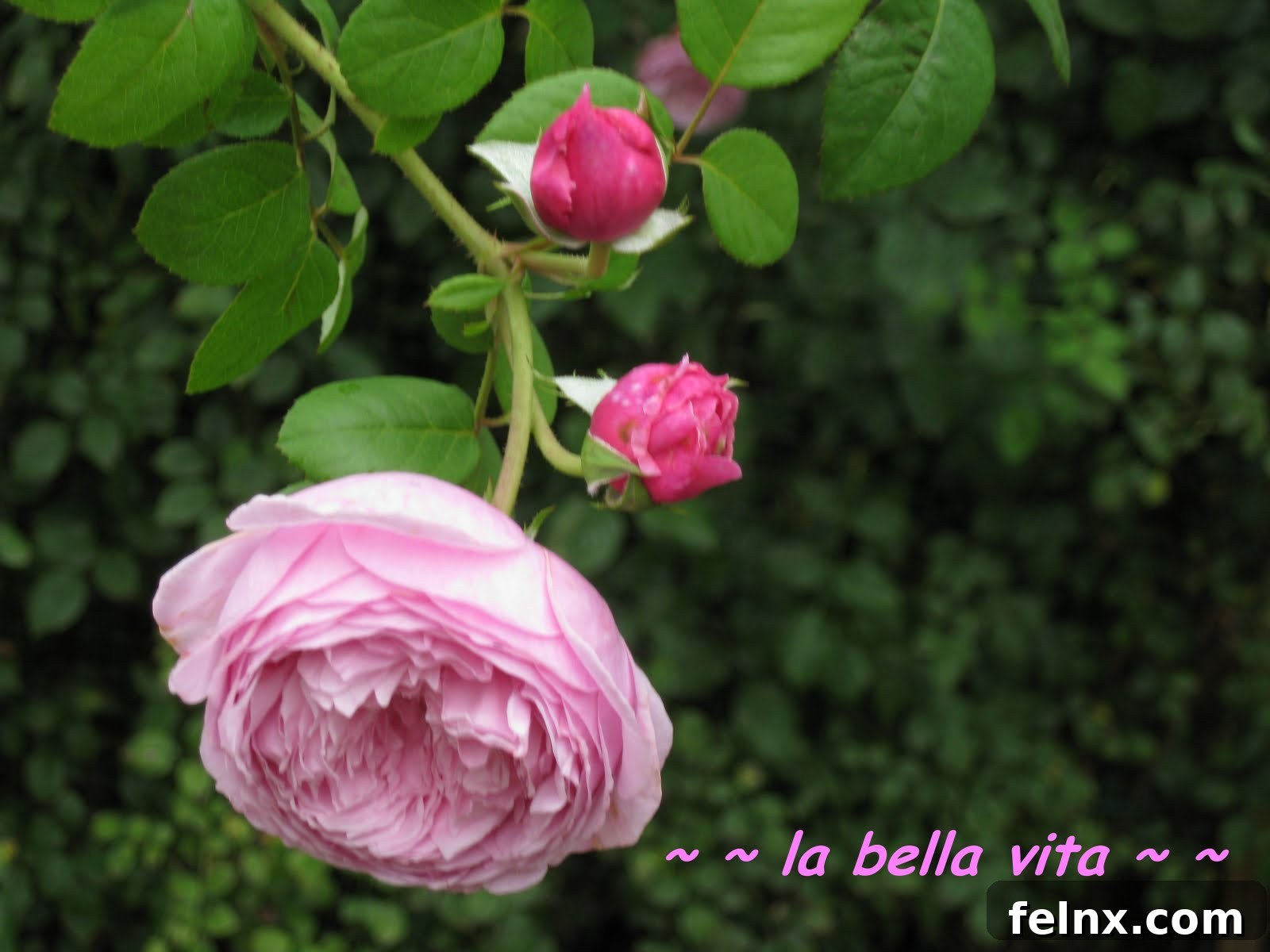
One of my prized David Austin roses, showcasing its intricate petal structure.
The Elegance of David Austin Roses
When it comes to roses, few varieties can match the sheer elegance and fragrance of David Austin roses. These “English Roses” are world-renowned for combining the delicate charm and wonderful scents of old-fashioned roses with the repeat-flowering nature of modern varieties. In my garden, these roses are the crown jewels. They offer a depth of color and a complexity of petals that make them look like something straight out of a classic oil painting.
Cultivating these roses in a humid climate requires patience and care. They need plenty of air circulation and consistent moisture to prevent common issues like black spot. However, when they bloom, every bit of effort is rewarded. The scent alone—a mix of classic rose, myrrh, and fruit—fills the garden air, especially in the early morning when the dew is still fresh on the leaves.
A beautiful David Austin old-fashioned rose bud beginning to unfurl.
Managing Wildlife and Deer-Resistant Gardening
Living on a large acreage brings a unique set of challenges, the most prominent being the local wildlife. While I love seeing deer roaming the outskirts of the property, they can be quite destructive to a curated garden. They view many of my most beautiful plants as a buffet. Over the years, I have had to learn which plants can withstand their visits and which ones need extra protection.
One of the most reliable plants in my summer garden is the simple Vinca. It is one of the very few flowers that the deer consistently ignore during the hot summer months. Vinca is not only deer-resistant but also incredibly heat-tolerant, making it a perfect choice for ground cover or border planting in sunny areas. Its glossy green leaves and star-shaped flowers provide a neat, tidy look that lasts until the first frost.
Simple Vinca—the only flower the deer leave alone during the peak of summer.
Creating Vertical Interest with Arbors
A garden is more than just the plants on the ground; it’s about creating a three-dimensional experience. Incorporating structures like arbors, trellises, and pergolas adds height and architectural interest. My husband, who is incredibly talented with wood, built a beautiful arbor that serves as a focal point in the garden. This structure provides the perfect support for climbing roses to trail upwards, creating a “wall of flowers” effect.
Watching a climbing rose weave through the lattice of an arbor is one of the most satisfying sights for a gardener. It transforms the space into a secret garden, offering shade and a sense of enclosure that makes the outdoor area feel like an extension of the home.
A David Austin rose trailing gracefully along the arbor my husband built.
The Hardy Beauty of Pink Yarrow
While roses are the stars, perennials like Pink Yarrow (Achillea) provide the necessary texture and longevity to the summer garden. Yarrow is a rugged plant that thrives in poor soil and full sun. Its feathery foliage is a great contrast to the broad leaves of other plants, and its flat-topped flower clusters are a magnet for beneficial insects.
I like to plant yarrow near gardenias or other fragrant shrubs. The way the pink clusters mingle with the waxy white petals of the gardenia creates a sophisticated color palette. Plus, yarrow is excellent for cutting; I often bring a few stems inside to create rustic summer bouquets that last for over a week in a vase.
Vibrant pink yarrow blooming alongside gardenias, with a garden fairy hidden in the back.
Echinacea: The Pollinator’s Favorite
No summer garden is complete without Echinacea (Coneflower). These plants are the workhorses of the mid-to-late summer season. They are drought-tolerant, easy to maintain, and come in an incredible variety of colors. In my pink-themed garden, I use varieties like “Sunrise/Sunset” and “Ruby Echinacea” to bridge the gap between different shades.
Beyond their beauty, Echinacea plants are vital for supporting local biodiversity. They attract bees, hoverflies, and butterflies in droves. Watching a butterfly land on a coneflower is a magical experience that reminds me why I garden in the first place—to create a living ecosystem that supports nature.
A beautiful butterfly visiting the Ruby Echinacea—a rare moment of stillness.
The Bold Impact of Daylilies
As we move further into the season, the daylilies begin to take center stage. Daylilies are often called “the perfect perennial” because they are so easy to grow. They tolerate a wide range of soil conditions, are virtually pest-free, and provide a huge splash of color. While each individual flower only lasts for a day (hence the name), a single clump can produce dozens of buds that bloom in succession over several weeks.
My pink daylilies are particularly striking. They have a tropical, bold look that adds a different dimension to the garden compared to the delicate roses. They are the perfect choice for filling in gaps in the border and ensuring there is always something blooming, even during the hottest weeks of July and August.
One of my brilliant pink daylilies, adding a pop of vibrant color to the landscape.
Cultivating a Garden for the Soul
Gardening is more than just a hobby; it is a way to connect with the earth and find peace in a busy world. The process of planting, weeding, and nurturing a seedling into a full-grown bloom is incredibly therapeutic. When I walk through my gardens and see the pink yarrow, the David Austin roses, and the butterflies dancing around the Echinacea, I feel a deep sense of accomplishment and gratitude.
I encourage everyone to try their hand at gardening, even if it’s just a few pots on a balcony or a small patch of soil in the backyard. Start with plants that are known to thrive in your specific climate. If you live in a humid area like I do, look for “disease-resistant” labels and varieties like the Knock-Out rose. If deer are a problem, look for plants with strong scents or fuzzy leaves, like Vinca or Lavender, which they tend to avoid.
The beauty of a garden is that it is ever-changing. Each year brings new lessons, new blooms, and new opportunities to refine the landscape. Whether you are a fan of pink like I am, or you prefer a rainbow of colors, the key is to create a space that makes you happy.
I hope that you have a beautiful day…
And that you can get outside and smell some fresh flowers!