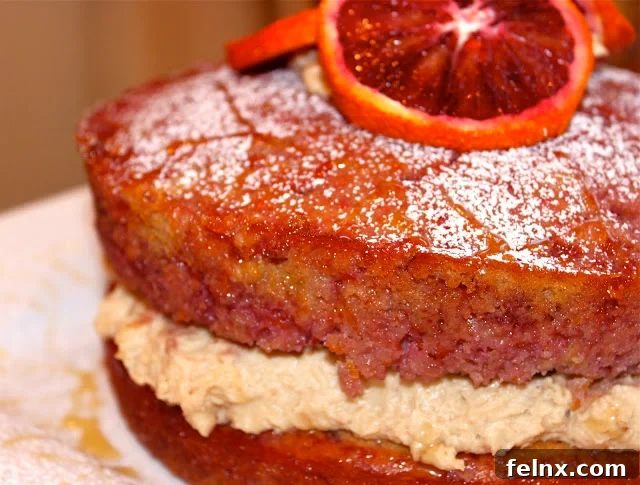
Blood Orange Polenta Olive Oil Layer Cake: A Taste of Winter in Southern Italy
As the winter chill sets in, the culinary world looks toward the Mediterranean for a burst of vibrant color and refreshing flavor. Winter is the premier, peak growing season for citrus, offering us luscious lemons, tangy limes, and most notably, fragrant oranges. Among these, the blood orange stands out as a true gem of Southern Italy. Known by many as some of the world’s finest dessert oranges, these fruits are a staple of Italian cuisine during the colder months.
Blood oranges are easily distinguished by their skin’s distinctive red-blushed hue. However, the real magic happens once you slice them open. You are greeted by a stunning burgundy, blood-red, or ruby-colored interior. Their flavor profile is equally captivating—slightly tart with a hint of raspberry or berry-like sweetness. Because blood oranges can be delicate, it is best to keep them cool in the refrigerator and enjoy them within a week of purchase.
The Philosophy Behind the Blood Orange Polenta Cake
This recipe was born from a desire to celebrate the citrus season through the lens of traditional Italian baking. The star ingredients—blood oranges, extra-virgin olive oil, polenta (cornmeal), honey, and mascarpone cheese—are all pillars of the Italian pantry. While many Western desserts lean heavily on sugar, Italian sweets often emphasize the natural flavors of the ingredients. This cake is dense yet moist, possessing that less-sweet profile that Italians prefer, making it an excellent choice for a sophisticated dessert or a mid-morning treat.
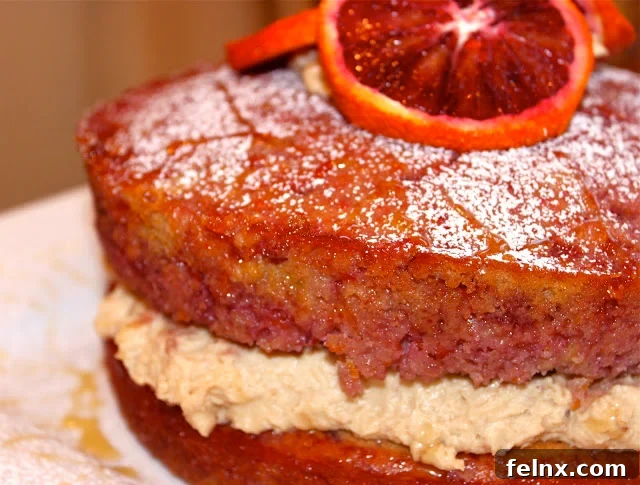
One of the most enchanting aspects of baking this cake is the aroma. As the cake rises in the oven, your kitchen will be filled with the delicate scent of fresh oranges and orange blossoms. This fragrance is a welcome reminder of sunshine during the grey days of February. The texture is also unique; the addition of polenta provides a slightly coarse, heavier crumb that is perfect for absorbing the bright orange syrup drizzled throughout the layers.
Why Use Olive Oil and Polenta in Baking?
If you are accustomed to butter-based cakes, an olive oil and polenta cake might seem unusual, but there are scientific and culinary reasons why this combination works so well. Olive oil ensures that the cake remains incredibly moist for days. Unlike butter, which solidifies at room temperature, olive oil stays liquid, giving the cake a silkier mouthfeel. Furthermore, the fruity notes of a high-quality extra-virgin olive oil complement the citrus perfectly.
The polenta, or yellow cornmeal, adds a structural integrity to the cake. It provides a “crunch” and a rustic texture that stands up well to the soaking process. When you pour the orange syrup over the warm cake, the cornmeal absorbs the liquid without becoming mushy, resulting in a dessert that is both dense and refreshing.
Sourcing the Best Ingredients
To achieve the best results with this Blood Orange Polenta Cake, quality is key. Look for blood oranges that feel heavy for their size, as this indicates they are full of juice. While there are several varieties, the Tarocco is often prized for its sweetness, while the Moro offers the deepest red color.
For the filling, we use mascarpone cheese. Often described as Italian cream cheese, mascarpone is much richer and smoother, with a higher fat content that provides a velvety contrast to the citrus. If you can find blood orange marmalade, it adds an extra layer of complexity to the filling. While it can be difficult to find in local grocery stores, many specialty online retailers carry authentic Italian marmalades that use the zest and juice of Sicilian oranges.

Step-by-Step Recipe: Blood Orange Polenta Olive Oil Layer Cake
Ingredients for the Cake
- 3 Large Blood Oranges (for zest, juice, and segments)
- 1 cup Granulated Sugar
- 1/3 cup Buttermilk or Plain Greek Yogurt
- 3 Jumbo Eggs (beaten)
- 1/4 cup Extra-Virgin Olive Oil
- 1-1/2 cups All-Purpose Flour
- 1/4 cup Yellow Cornmeal (Polenta)
- 1-1/2 tsp. Baking Powder
- 1/4 tsp. Baking Soda
- 2 tsp. Pure Vanilla Extract
- 1/4 tsp. Fine Sea Salt
Ingredients for the Orange Syrup
- 1 cup Freshly Squeezed Blood Orange Juice (approx. 2-3 oranges)
- 1/4 cup Granulated Sugar
Ingredients for the Orange Mascarpone Filling
- 1 container (approx. 8 oz) Mascarpone Cheese
- 1/2 cup Heavy Whipping Cream
- 1 cup Powdered Sugar (adjust to taste)
- 1 Tbsp. Honey
- 2-3 Tbsp. Blood Orange Marmalade (or fresh juice)

Preparation Instructions
1. Preparing the Cake Base
Start by preheating your oven to 350°F (175°C). Prepare two 8-inch round cake pans by spraying them with cooking oil and lining the bottoms with parchment paper for easy removal. In a small bowl, zest two of the blood oranges and mix the zest into the sugar to release the essential oils. Peel the oranges, removing the white pith and membranes, and chop the fruit into small 1/4-inch pieces.
In a large mixing bowl, whisk together the sugar-zest mixture with the buttermilk (or yogurt) and blood orange juice. Add the beaten eggs and vanilla extract, whisking until smooth. In a separate bowl, sift together the flour, cornmeal, baking powder, baking soda, and sea salt. Gradually fold the dry ingredients into the wet mixture. Finally, fold in the olive oil and the chopped orange segments. Divide the batter evenly between the two pans.
2. Baking and Syrup Application
Bake for approximately 30 minutes, or until the tops are golden brown and a toothpick inserted into the center comes out clean. While the cakes are baking, prepare the orange syrup by combining the blood orange juice and sugar in a small saucepan. Bring to a boil over medium heat and let it simmer for about 5 minutes until slightly thickened. Once the cakes are out of the oven, use a skewer to poke holes across the surface and ladle the warm syrup over the layers while they are still in the pan. Let them cool completely.
3. Creating the Mascarpone Filling
In a chilled bowl, whisk the mascarpone cheese with the honey and blood orange marmalade. Gradually add the heavy whipping cream and powdered sugar, beating the mixture until it reaches a thick, spreadable frosting consistency. If you prefer a sweeter filling, feel free to add more sugar or honey.
4. Assembly
Carefully remove the cooled cake layers from the pans. Place the first layer on a serving platter and spread a generous amount of the mascarpone filling over the top. Place the second layer on top. You can choose to frost the entire cake or leave it with a “naked” look to show off the texture. Dust the top with powdered sugar and garnish with fresh blood orange slices and a drizzle of honey.

How to Serve and Store Your Cake
This Blood Orange Polenta Olive Oil Layer Cake is best served at room temperature. The flavors actually deepen after the cake has had time to sit, making it an ideal “make-ahead” dessert. If you have leftovers, store them in the refrigerator due to the mascarpone filling. Simply bring the cake back to room temperature for 30 minutes before serving to ensure the olive oil provides the best texture.
For a truly Italian experience, serve a slice of this cake with a small glass of Vin Santo or a sweet dessert liquor. It also pairs beautifully with a cup of Earl Grey tea or a strong espresso in the morning. The balance of the tart citrus and the creamy mascarpone makes it a versatile treat for any time of day.
Final Thoughts on Winter Citrus Baking
Baking with the seasons allows us to connect with the natural cycle of the year. In the middle of winter, when fresh berries and stone fruits are months away, the blood orange provides a much-needed spark of color and nutrition. This cake is not just a dessert; it is a tribute to the citrus groves of Sicily and the simple, elegant traditions of Italian home baking. Whether you are hosting a dinner party or simply looking to brighten a winter afternoon, this Blood Orange Polenta Cake is sure to impress.
If you decide to make this recipe, don’t forget to experiment with the sweetness levels. You can increase the honey in the filling or add more sugar to the batter if you prefer a more traditional American-style sweetness. However, we recommend trying it the Italian way first—letting the bright, bold flavor of the blood orange be the true star of the show.