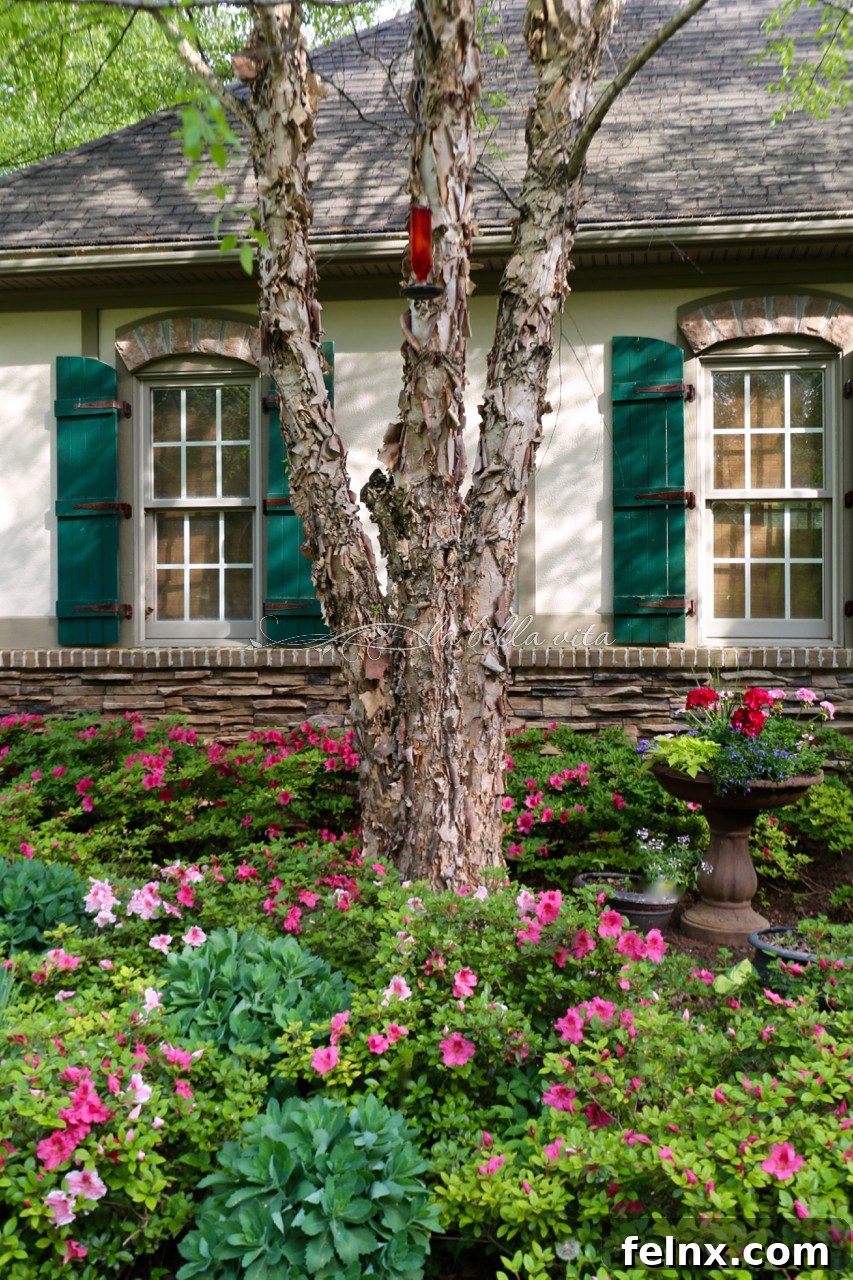
Transforming Your Outdoor Space: A Guide to Spring Flowers in a Southern Garden
The arrival of spring in the South is a transformative experience. As the winter chill fades, the landscape erupts into a symphony of color and fragrance. For any gardener, this wonderful weather is an irresistible invitation to leave the confines of the kitchen, step away from the office desk, and immerse oneself in the natural beauty of the garden. There is a unique peace found in sitting still among the blooms, taking a moment to breathe deeply and appreciate the rewards of hard work and patience.
This year, the generous rains of late winter have paved the way for one of the most spectacular displays we have ever seen. The blooms are showier, the colors more vivid, and the flowering season remarkably long-lasting. Friends who stop by for a glass of iced tea on the front porch are often left breathless, simply saying “Wow!” at the floral exhibition. Whether you are an experienced horticulturist or a beginner looking for inspiration, let’s take a walk along the stone paths to explore the secrets of a successful Southern spring garden.
The Power of Azaleas: The Heartbeat of the Southern Landscape
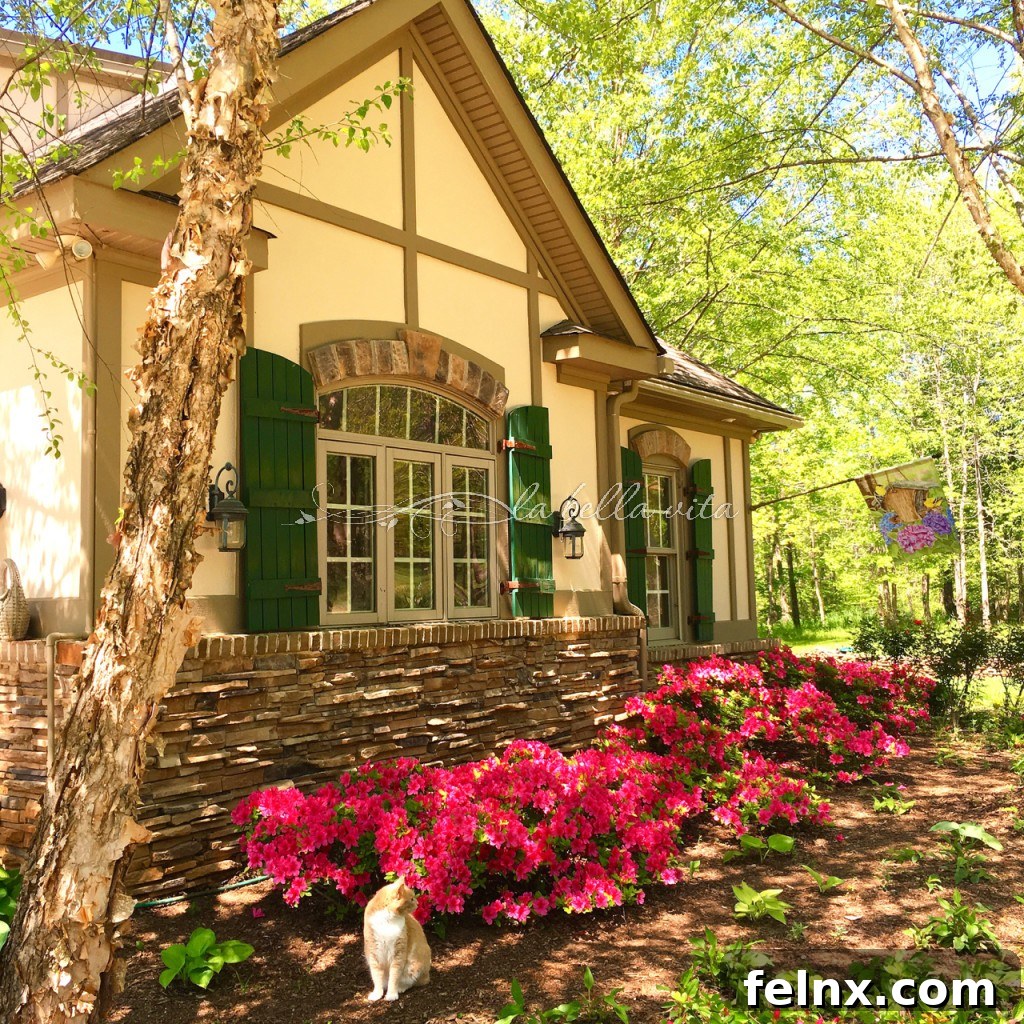
In the shade of towering birch trees, the garden comes alive with various textures. Along the middle path of the front azalea gardens, Hostas are beginning to pop up, their broad leaves offering a cool contrast to the fiery colors of the shrubs. Azaleas are arguably the most iconic flower of the South, and for good reason. They are hardy, prolific, and come in an astonishing array of shades.
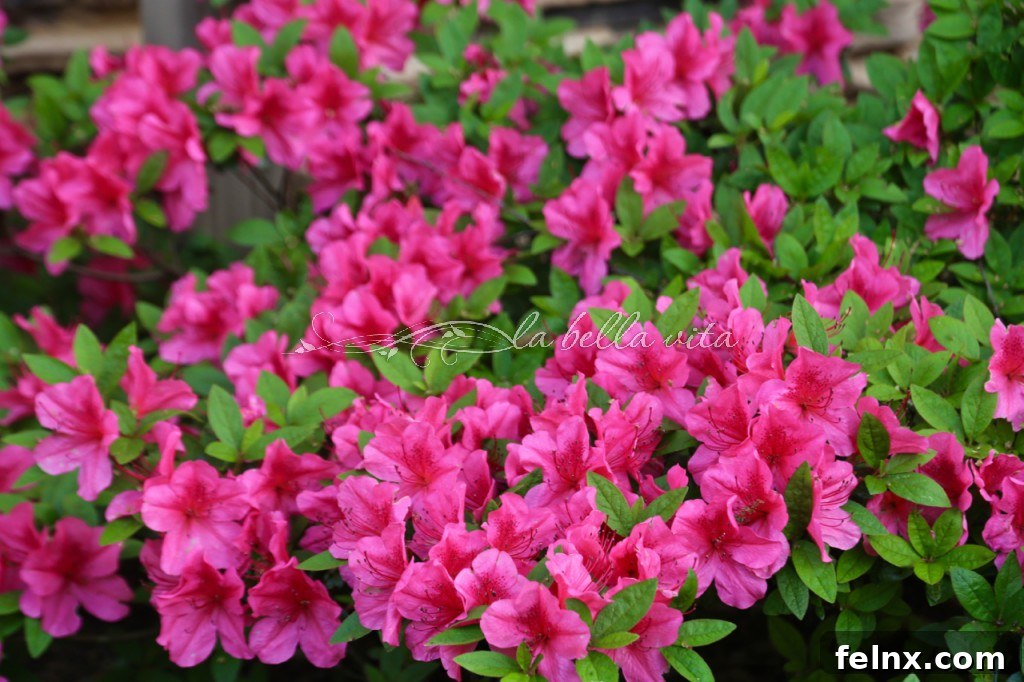
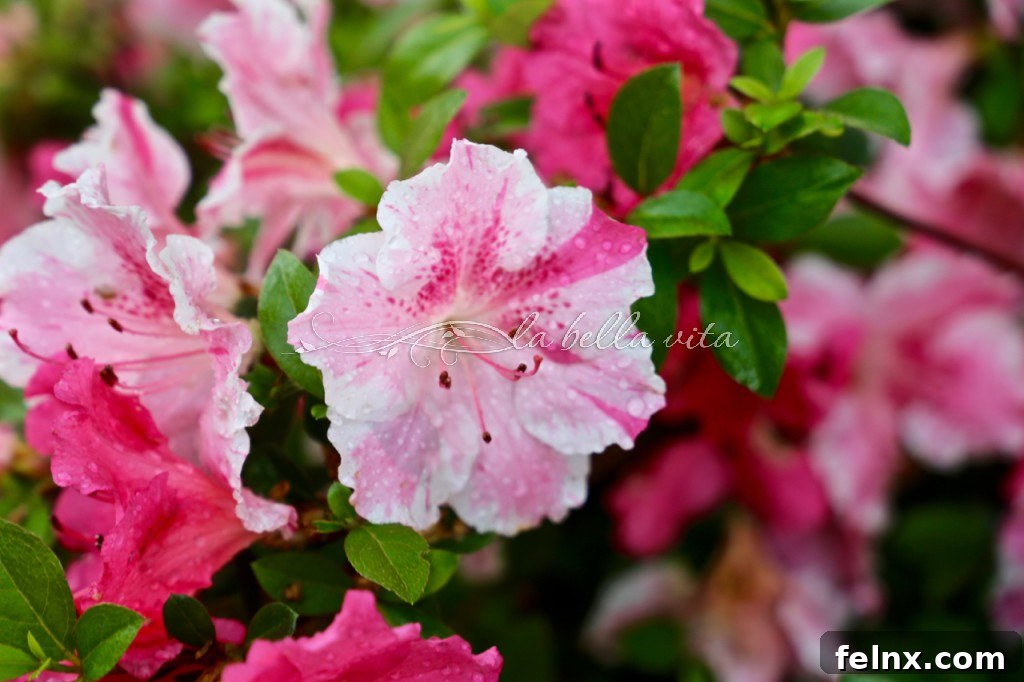
One of our favorites is the “Renee Michelle” variety. It is a prolific bloomer with dense, hot pink blossoms that dominate the landscape. To create a continuous season of color, we also incorporate Encore Azaleas. These are extraordinary because they offer a double season of blooms. Our fuchsia and variegated varieties provide a stunning visual depth that keeps the garden looking fresh well into the warmer months.
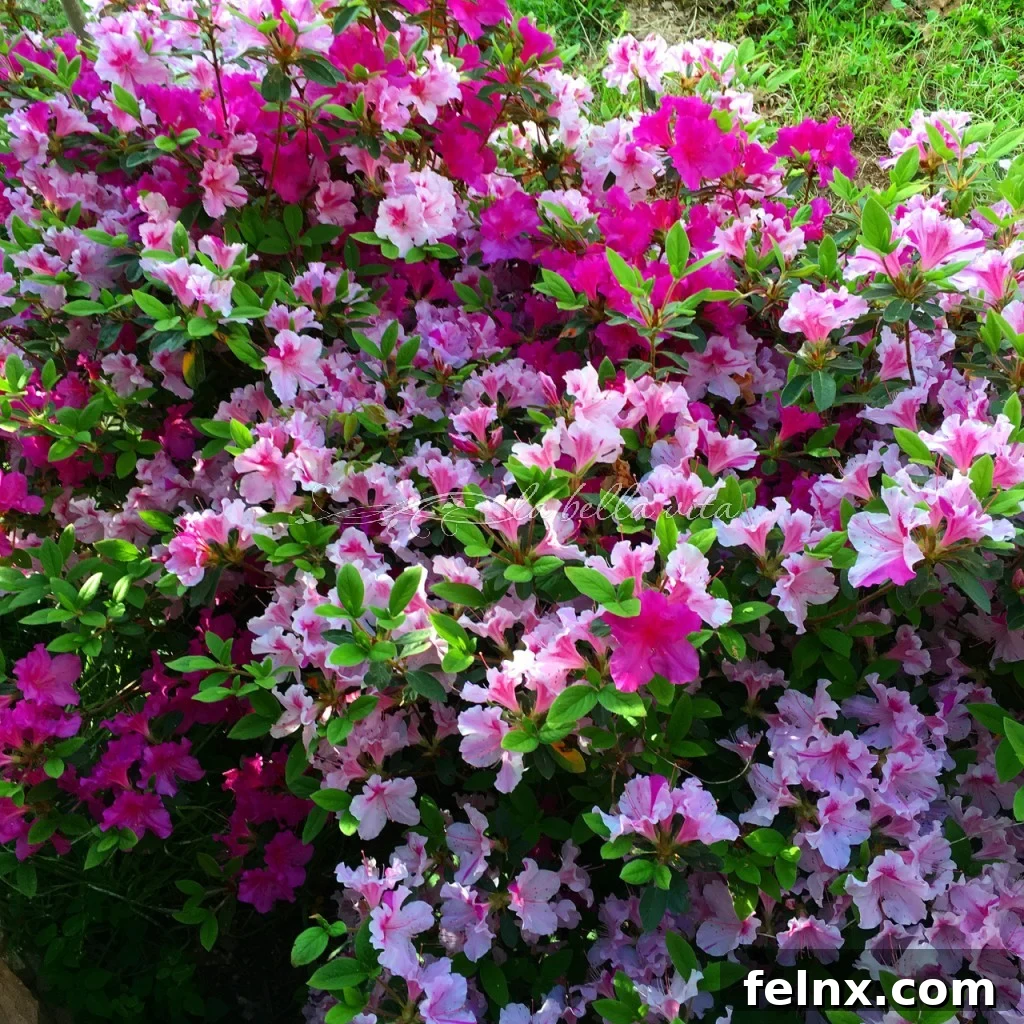
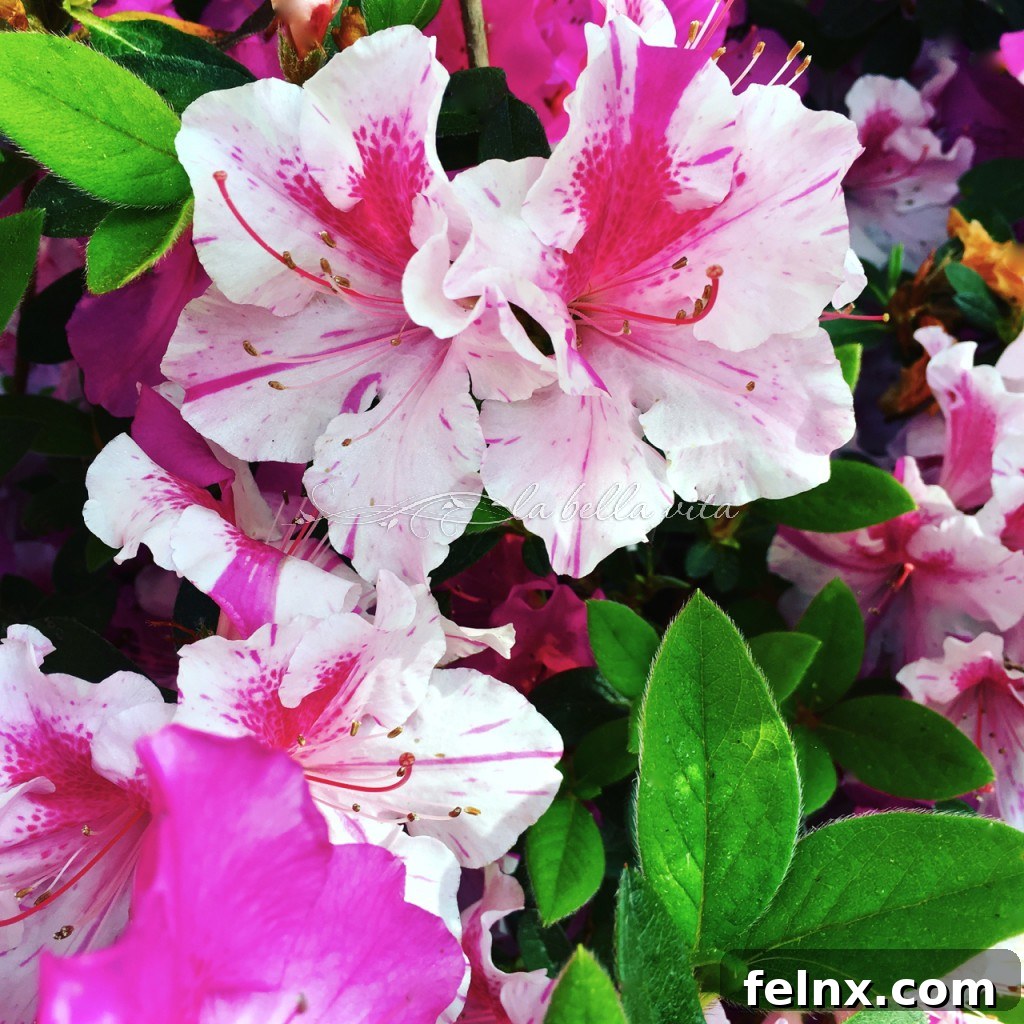
Variegated azaleas are particularly striking. The blend of colors on a single petal creates a sophisticated look that elevates the entire garden design. When planning your garden, consider grouping different varieties to ensure that as one finishes its peak, another is just beginning to shine.
Heirloom Irises: A Legacy in Bloom
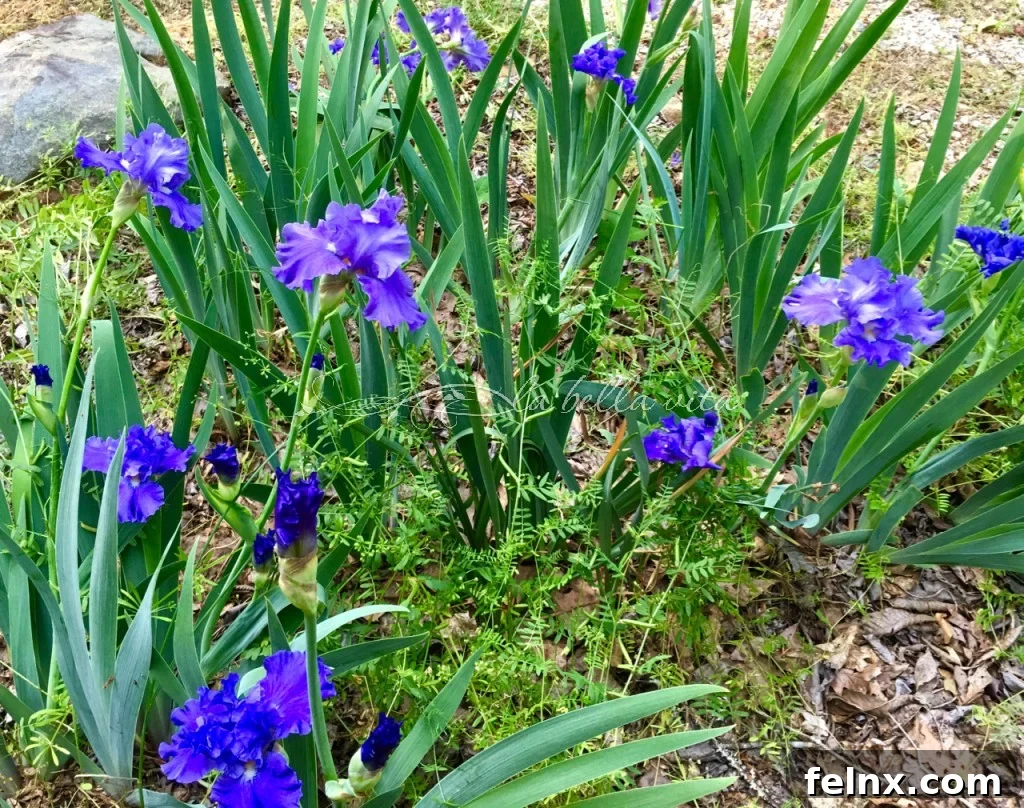
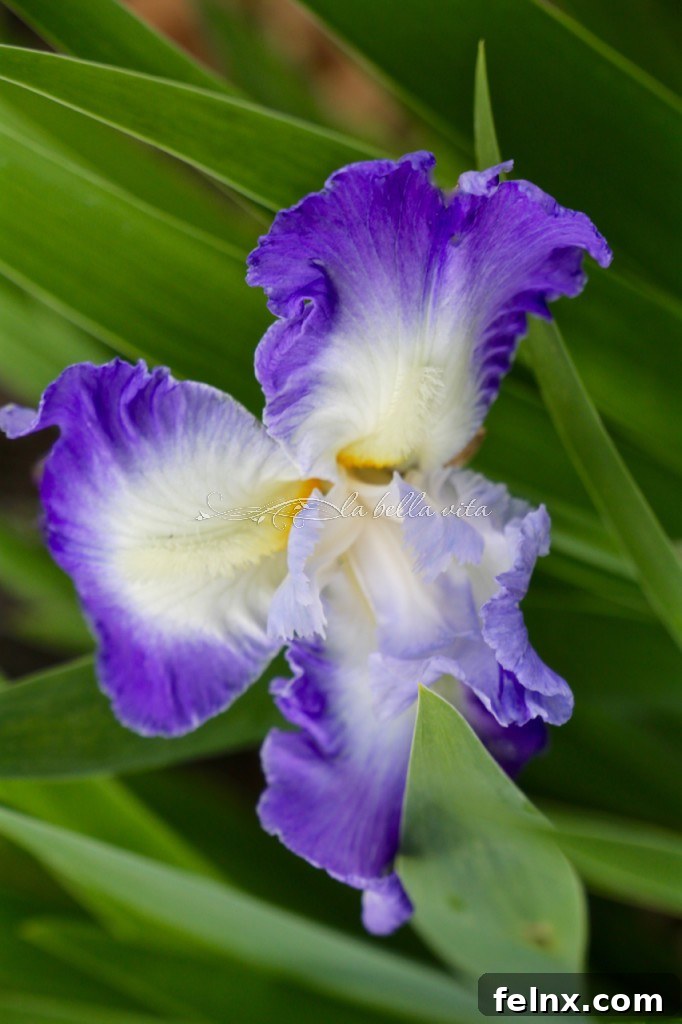
Gardening is often about more than just aesthetics; it is about history and connection. This year, our three varieties of Iris have bloomed longer than ever before. One particularly striking variety features pale, creamy yellow petals set against deep, velvety blue lower petals. These “flags,” as they are sometimes called, add a regal touch to the perennial border.
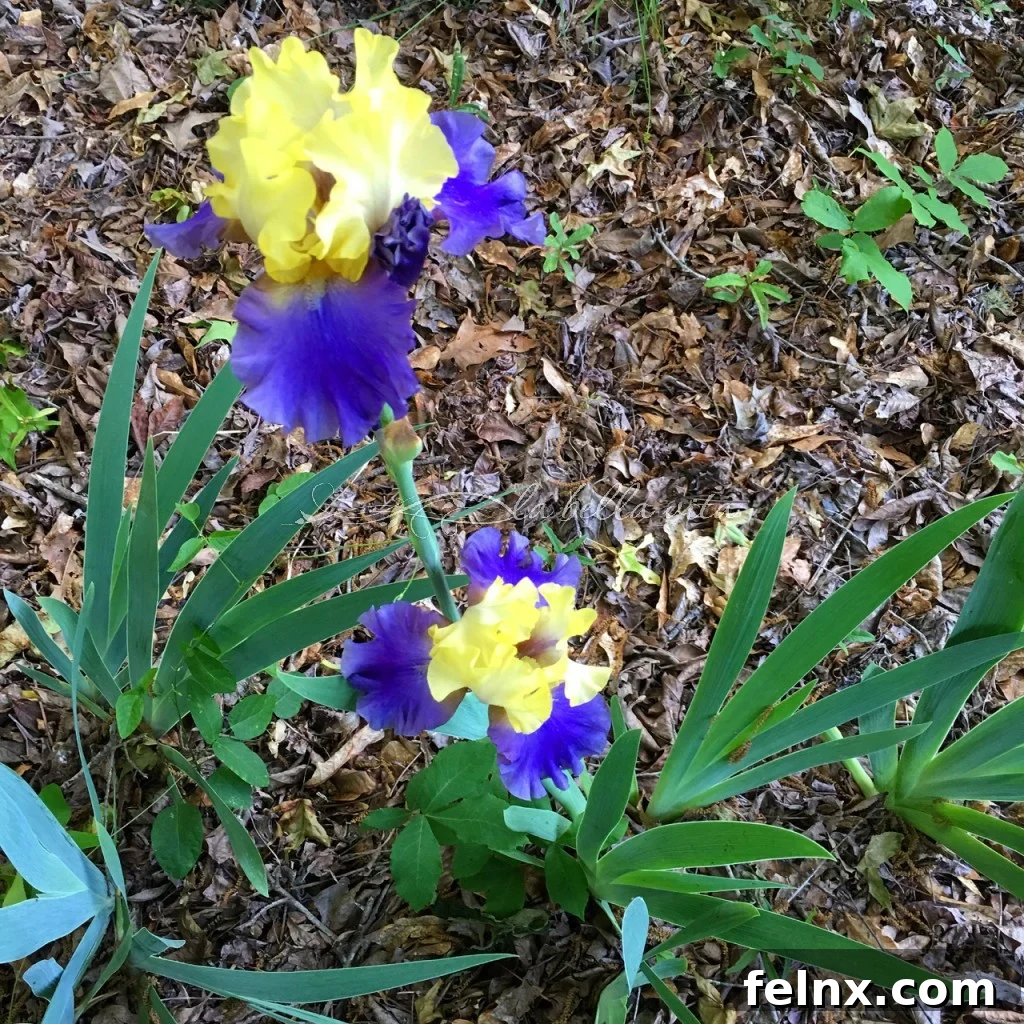
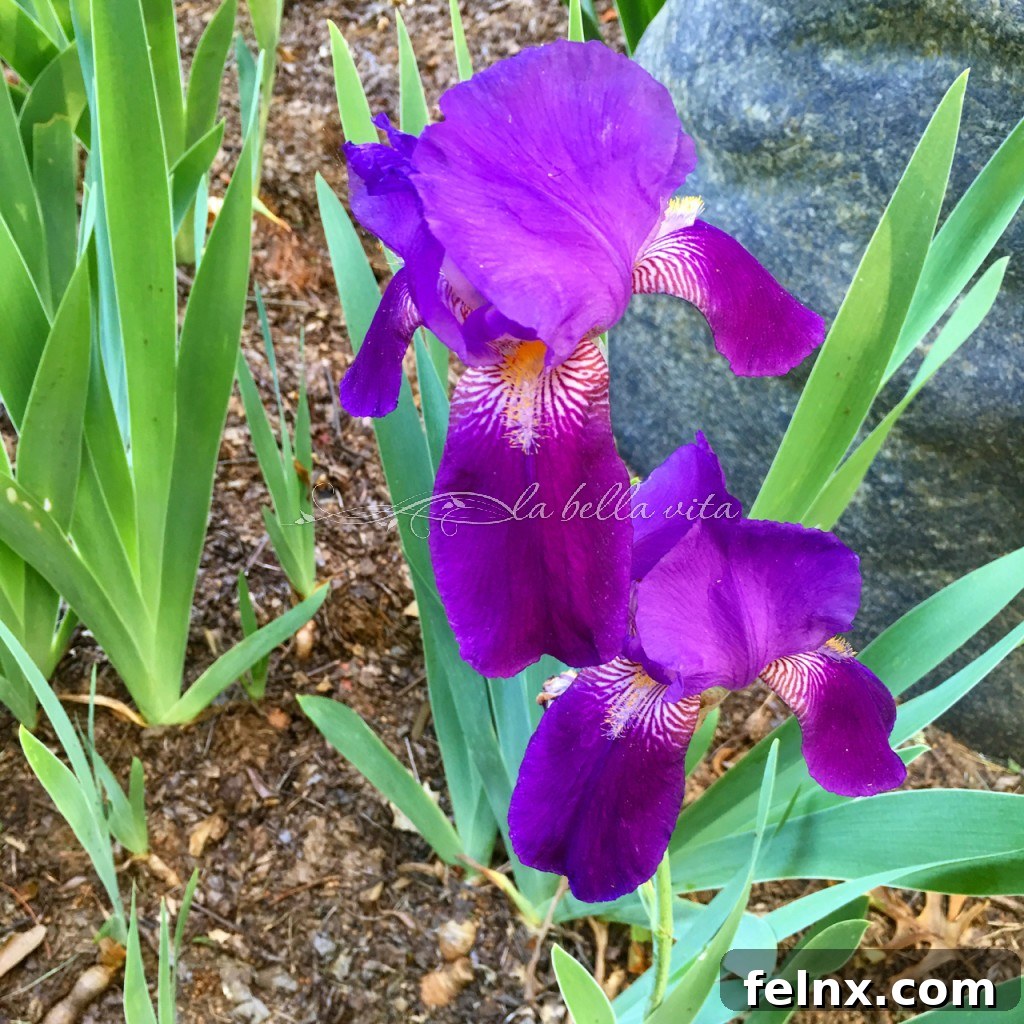
One of our iris varieties has been part of our family for over three generations. It has traveled with us across three states: from Ohio to Iowa, and finally to its current home in South Carolina. Seeing these flowers bloom each year is like welcoming back an old friend. Heirloom plants like these are resilient and adapt beautifully to different environments over time.
Vertical Interest with Clematis and Climbing Plants
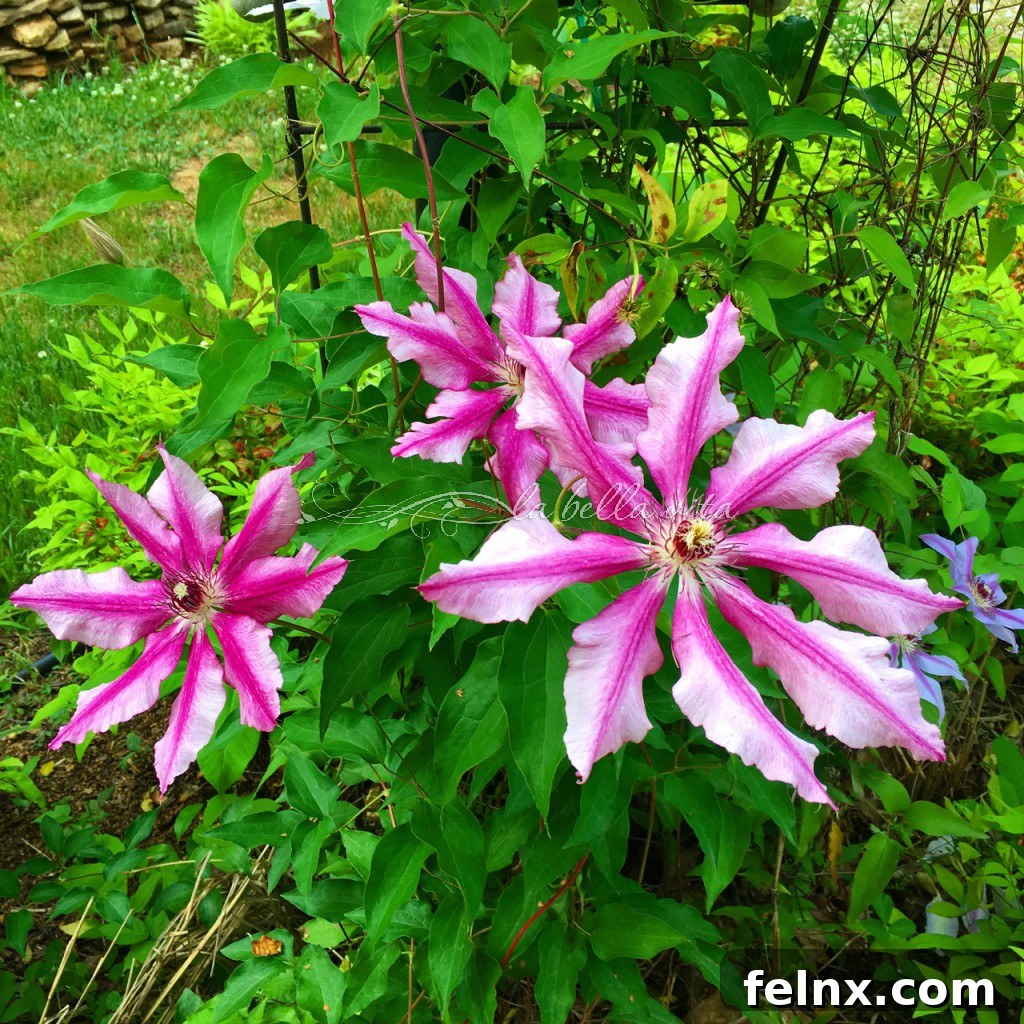
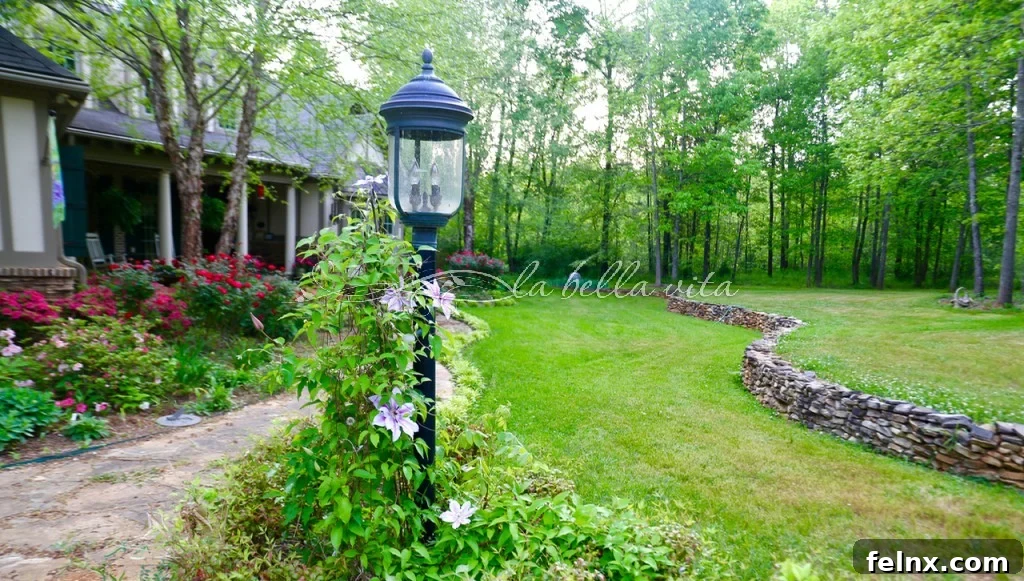
To add dimension to a garden, it is essential to think vertically. Climbing plants can turn functional structures, like lamp posts or fences, into works of art. The “Nelly Moser” Clematis is a standout performer in our garden. Year after year, it covers our front lamp post with large, striped blossoms that never fail to draw the eye.
In some areas, you might find vining weeds mingling with your flowers. While typically unwanted, sometimes these vines serve a practical purpose. In our garden, they occasionally act as a natural support for heavy-headed Irises, keeping them upright without the need for artificial cages. This creates a more natural, “cottage-style” look that many gardeners find appealing.
The English Garden Philosophy: Dense Planting and Natural Weed Control
Our gardening style leans toward the old-fashioned English approach. We believe in filling every available space to create a “show” of flowers. Beyond the visual impact, this method has a very practical benefit: it acts as a natural weed killer. When shrubs and perennials are planted densely, they shade the soil, preventing sunlight from reaching weed seeds. This significantly reduces the need for chemical herbicides and back-breaking weeding sessions.
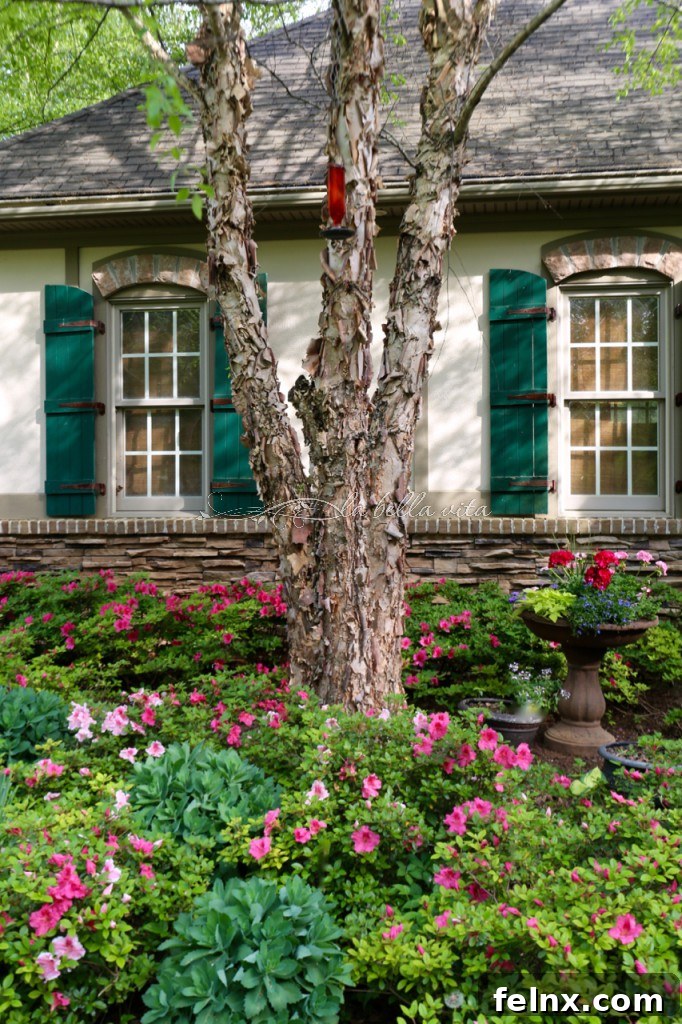
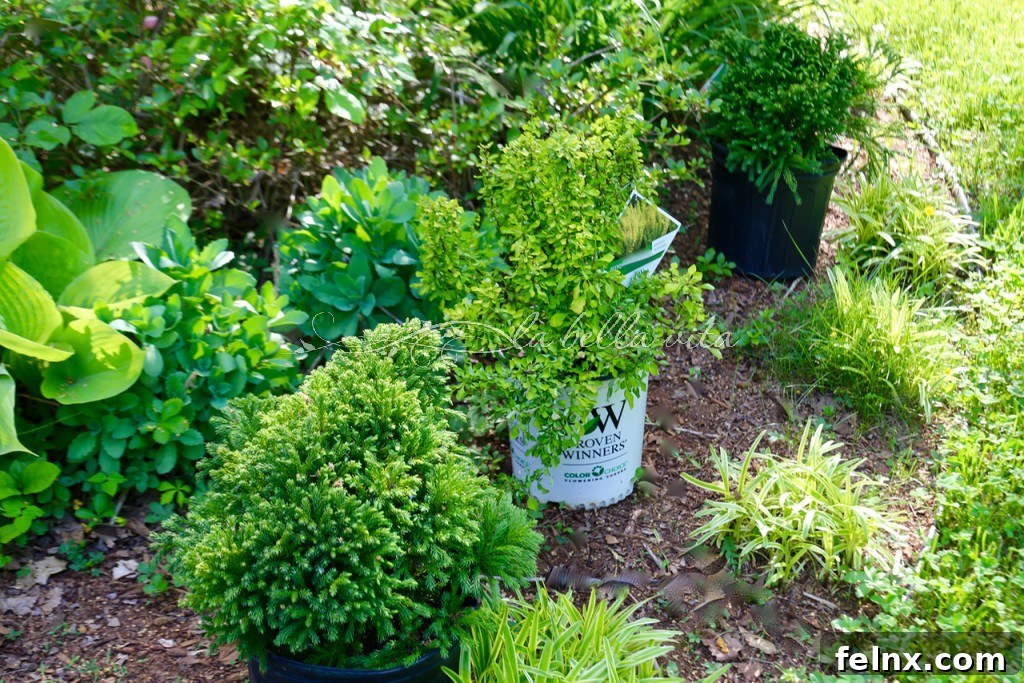
In our side garden, birch trees provide filtered light for the azaleas below. We also use “Hen and Chick” Autumn Sedum to provide structure. These plants offer a round, dark green presence that anchors the more erratic branching of the azaleas. In late summer, they produce lime-green flowers that eventually turn a deep red for the autumn season, providing year-round interest.
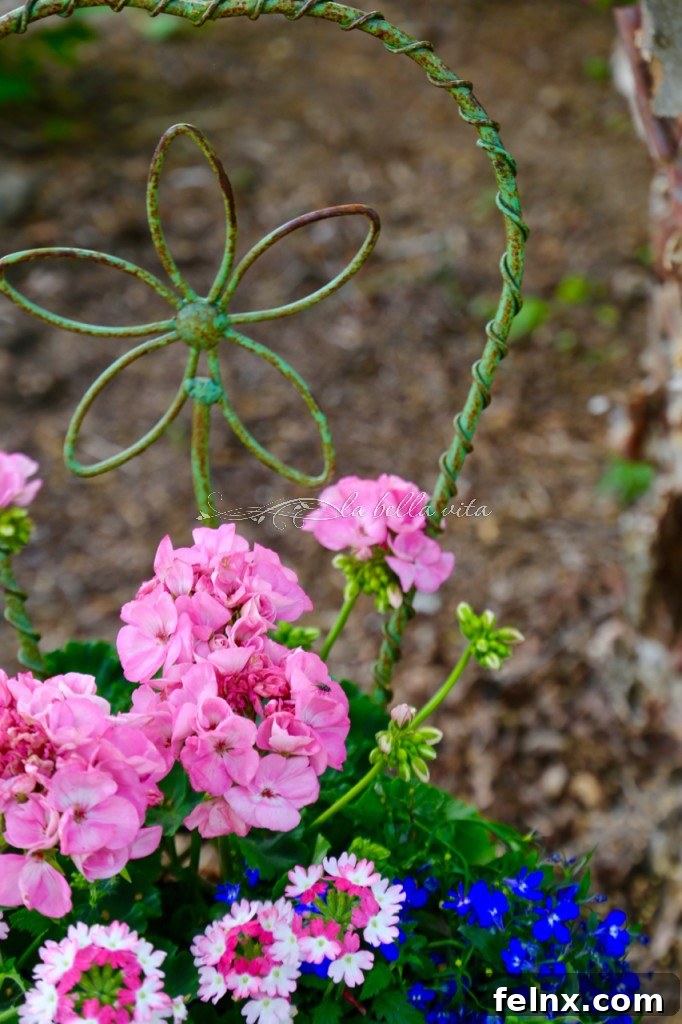
Creative repurposing is another hallmark of a unique garden. When an old fountain broke during a freeze, we didn’t throw it away. Instead, we converted it into a tiered planter. Now, it hosts geraniums and vining plants that spill elegantly over the edges, adding height and architectural interest to the composition.
Garden Whimsy and Artistic Accents
A garden should be a place of joy and playfulness. Adding garden art can infuse your space with personality. Each year, we look for unique pieces that add a bit of whimsy. This season, we added a vintage mint-green garden chair with a built-in basket. Filled with pink and blue flowers mixed with white, it serves as a charming focal point.
Similarly, a small tricycle accessory on the opposite side of the garden creates a sense of consistency. These small touches make the garden feel lived-in and loved. Whether it is a sundial, a wind chime, or a decorative flag, these accents engage the senses and make the outdoor experience more immersive.
Hardy Survivors: Roses and Heat-Tolerant Annuals
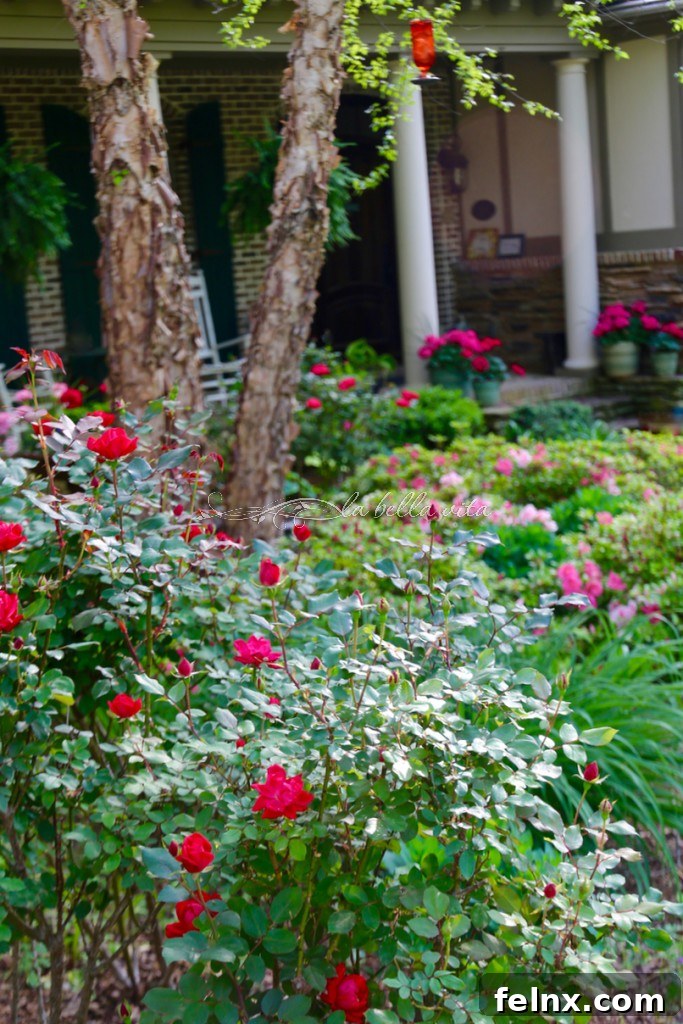
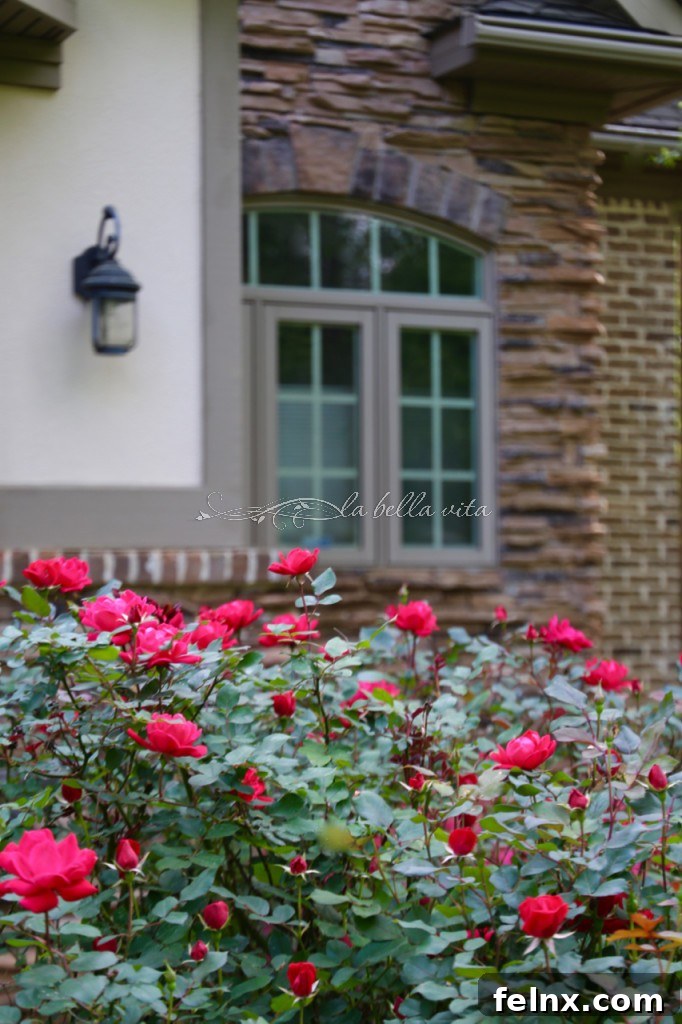
No Southern garden is complete without roses. Our Knock-Out roses have been blooming for over a month. They are incredibly resistant to diseases and pests, making them a low-maintenance dream. We prefer a color palette of rosy pinks and corals, avoiding oranges to maintain a harmonious look across the property.
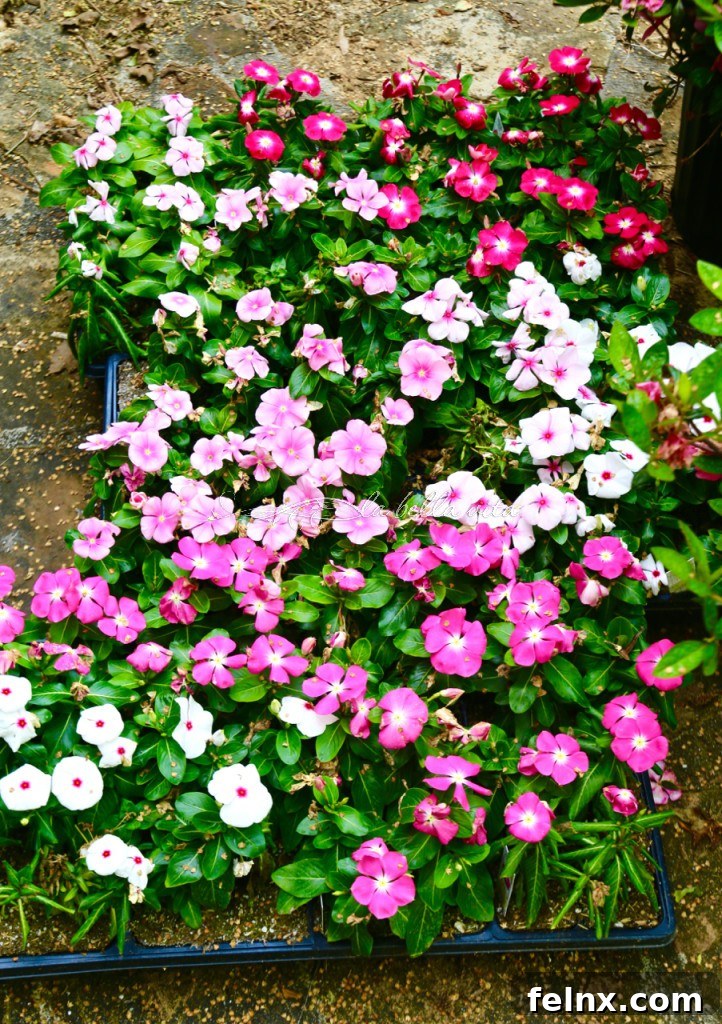
When the intense heat of August hits, many annuals struggle. In our experience, Vinca is the only annual that truly withstands the brutal Carolina sun. Not only is it heat-tolerant, but it is also avoided by deer, rabbits, and squirrels. While Impatiens are beautiful, they often wilt in the high temperatures or become snacks for the local wildlife. Switching to Vinca ensures that the garden stays colorful through the dog days of summer.
Overcoming Challenges: Moles, Pests, and the Sun
Gardening in the South comes with its share of obstacles. Hostas are a favorite of ours, but they are also a favorite of underground moles. These pests can eat a plant from the roots up, causing it to literally disappear into the soil. While our cats help keep the population in check, we often have to replenish our Hosta beds each year.
Furthermore, the intense Southern sun can be unforgiving. Even shade-loving plants like Hostas can be burnt to a crisp by August if they aren’t protected. We use sun shade tarps to help them through the peak heat. This is also the time of year when the focus shifts from gardening to indoor activities, like canning tomatoes or catching up on reading, as the outdoors becomes too hot for comfort.
The Realistic Approach to Lawns and Maintenance
One final tip for a happy gardening life: let go of the need for perfection. Our lawn is a mix of grass and weeds, and we are perfectly fine with that. We avoid chemical weed killers because we want a safe space for our dogs to play. In a woodland setting, a perfectly manicured golf-course lawn can feel out of place. Instead, we focus our energy on the flower beds and let the grass be a natural, imperfect backdrop.
Using mulch is a great way to tie everything together. It helps retain moisture, suppresses weeds, and gives the garden a finished look. As we look back on 12 years of building this garden from scratch—from a dirt lot to a blooming sanctuary—we realize it is truly a labor of love.
Gardening requires time, patience, and a willingness to learn from nature. Whether it’s the neighbors, the delivery drivers, or family members, everyone who passes by benefits from the beauty you create. It is a rewarding hobby that nourishes the soul and transforms a house into a home. It’s all worth it!