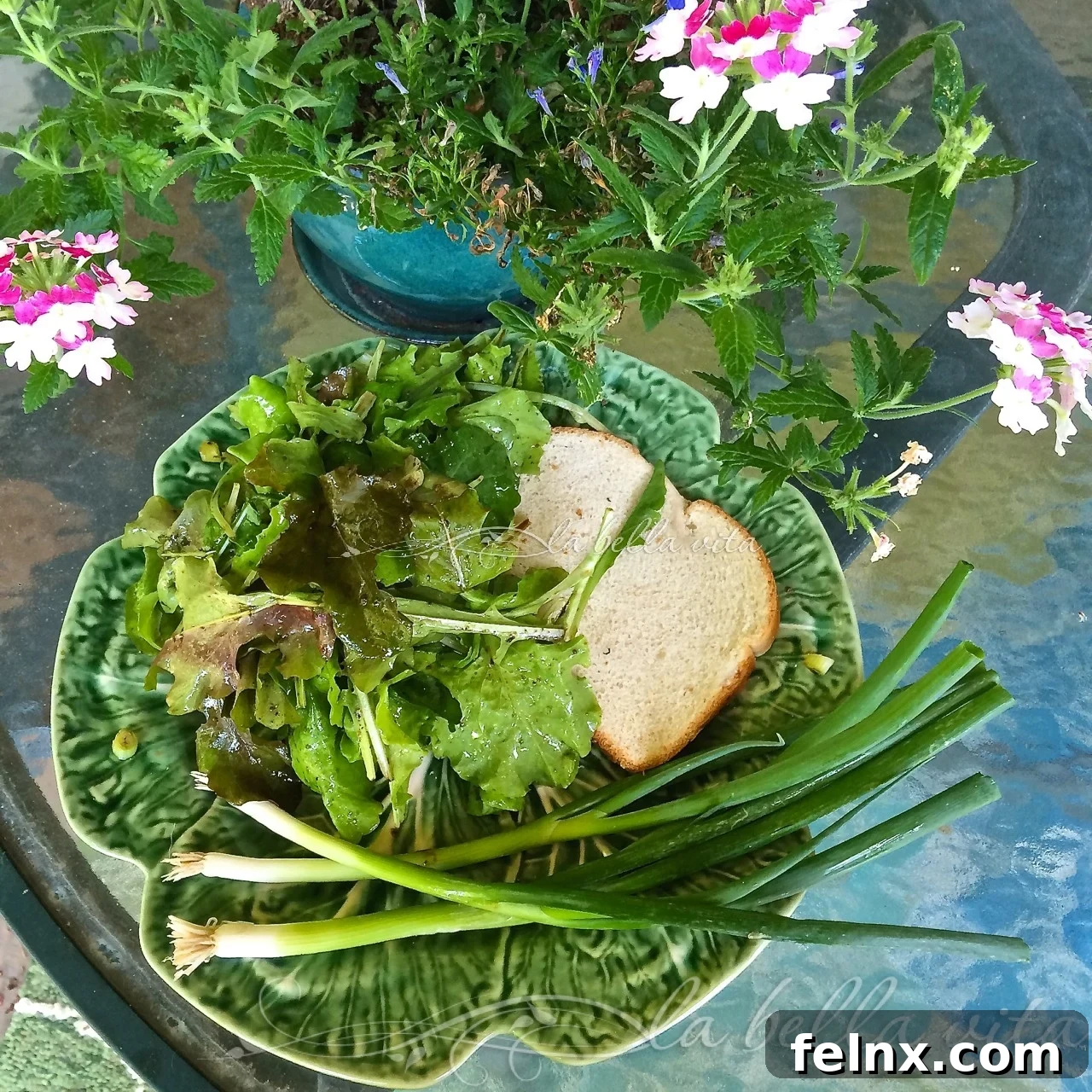
The Ultimate Guide to Growing and Enjoying Fresh Loose Leaf Lettuce
There is nothing quite like the crisp, vibrant taste of vegetables harvested directly from your own garden. Among the first rewards of the spring season is loose leaf lettuce—a versatile, nutrient-dense green that brings the essence of the garden straight to your table. If you have ever purchased “artisan” or “organic” greens from high-end grocery stores like Whole Foods or The Fresh Market, you know the appeal of loose, preservative-free leaves. However, even the finest markets cannot compete with the flavor and aroma of lettuce cut moments before it is served.
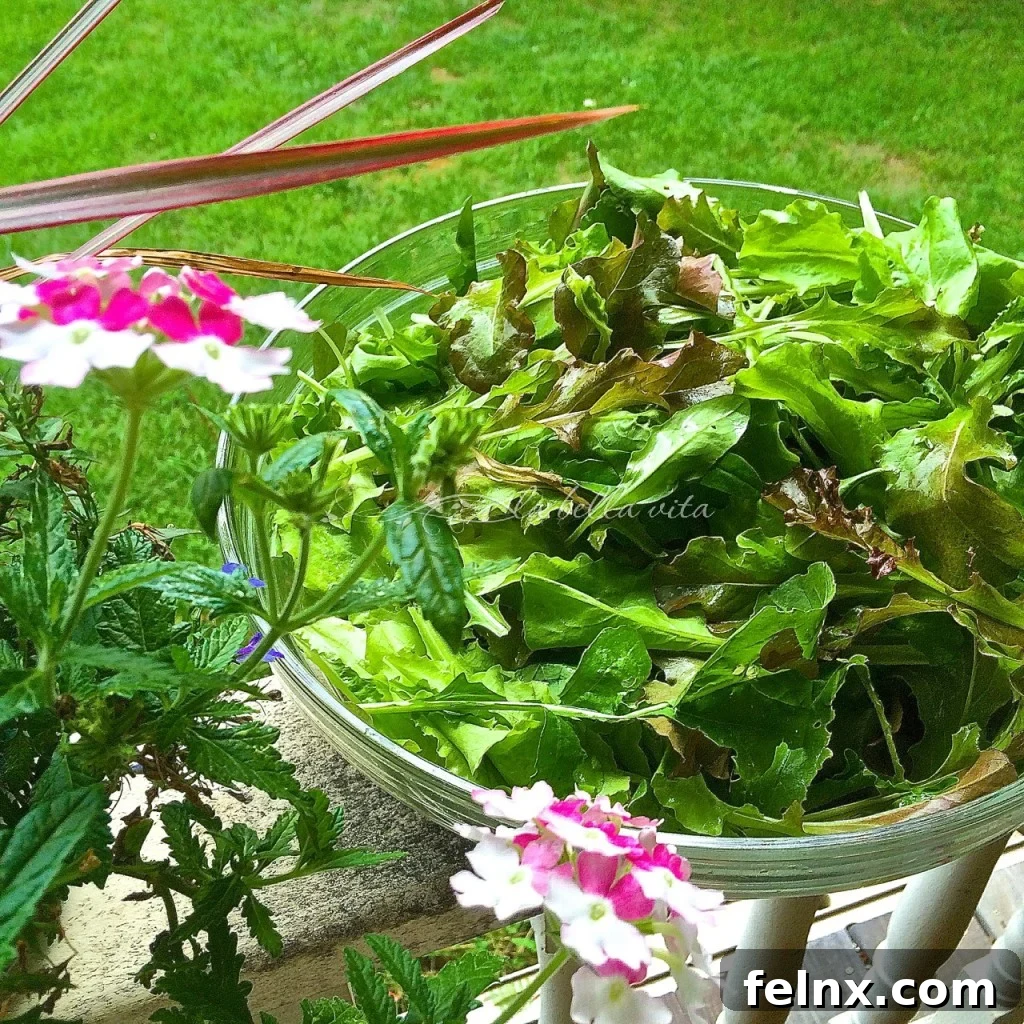
A massive bowl of freshly cut garden lettuce, ready to be shared with friends and family!
Why Loose Leaf Lettuce is a Garden Essential
Loose leaf lettuce refers to varieties that do not form a compact, tight head like Iceberg or Romaine. Instead, the leaves grow loosely from a central stem. This characteristic makes them incredibly easy to harvest using a “cut and come again” method, where you simply snip the outer leaves and allow the center to continue growing. This provides a continuous harvest for several weeks.
Beyond the convenience, the primary reason to grow these greens is the flavor. Standard head lettuces often have a high water content but very little character. In contrast, loose leaf varieties offer a spectrum of tastes, ranging from buttery and sweet to slightly peppery or nutty. When you cut through the stems with garden shears, the immediate aroma is a refreshing reminder of spring’s vitality.
The best part? These greens are remarkably fast-growing. From the moment you sow the seeds, you can often expect a harvestable crop in as little as 21 to 30 days. It is the perfect project for impatient gardeners or families looking to teach children about the miracle of food production.
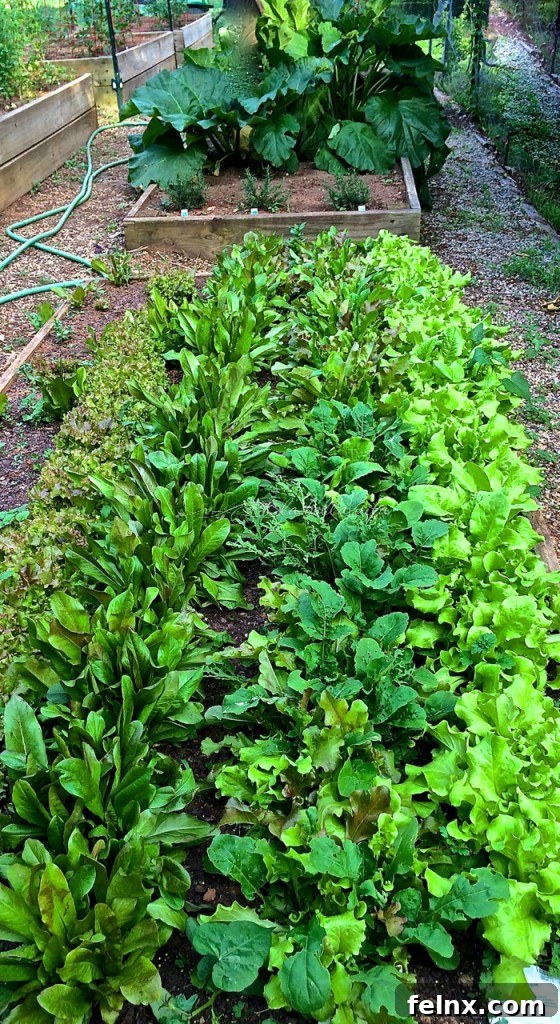
An exploding raised bed featuring four distinct Mediterranean lettuce varieties.
Top Mediterranean Varieties to Grow
To achieve a gourmet salad experience, it is best to plant a combination of varieties. This creates a beautiful contrast in textures and colors. Many gardeners prefer Mediterranean and Italian heirlooms for their resilience and superior taste profile. Here are some excellent choices:
- Lolla Rossa: Famous for its deeply frilled, magenta-edged leaves. It adds incredible volume and color to any salad bowl.
- Mottistone: A stunning green leaf variety speckled with red-brown spots. It remains crisp and has a mild, pleasant flavor.
- Bianca Di Milano: A classic Italian green with light, tender leaves that are exceptionally sweet.
- Treviso: Often associated with the radicchio family, it provides a slightly bitter edge that balances well with sweeter greens.
- Black Seeded Simpson: A reliable “old standby” that handles heat better than many other varieties, offering large, light-green ruffled leaves.
By mixing these seeds together, you create a “mesclun” mix that ensures every bite of your salad is unique. These varieties are also quite hardy; they can withstand the cool nights and crisp mornings of early spring, making them ideal for those who want to start their gardening season as early as possible.
Successful Planting and Harvesting Tips
You don’t need a massive farm to grow loose leaf lettuce. Because of their shallow root systems, these greens thrive in raised beds, traditional garden rows, or even containers on a balcony. If you don’t have garden space, you can often find these varieties at local farmers’ markets early in the season.
When planting at home, ensure your soil is rich in organic matter and stays consistently moist. Lettuce does not like to dry out, nor does it enjoy extreme heat. If you live in a warmer climate, planting them in a spot that receives afternoon shade can prevent the leaves from becoming bitter or “bolting” (going to seed).
To harvest, use clean kitchen scissors or garden shears. You can either cut the entire plant about an inch above the soil level or just pick the individual outer leaves as needed. If you leave the growing crown intact, the plant will regenerate, giving you multiple harvests from a single seedling.
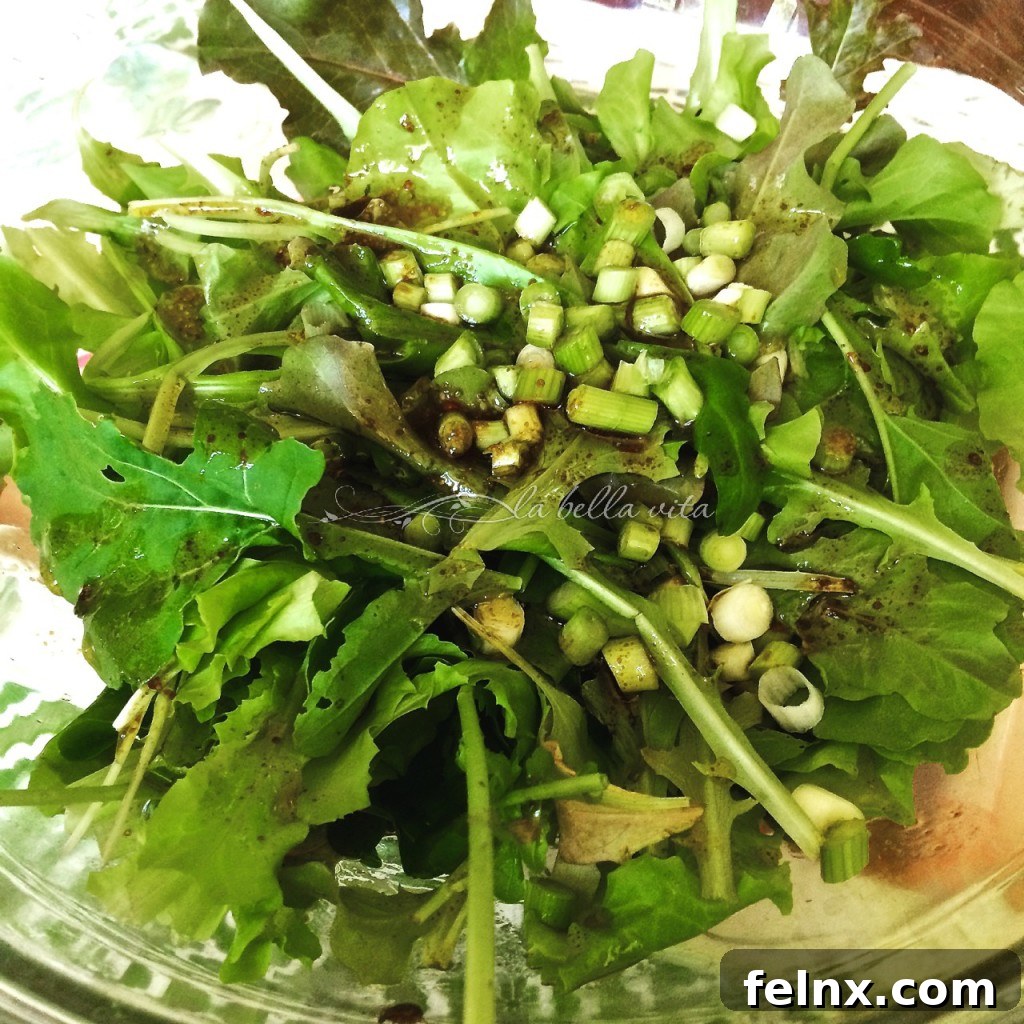
The perfect salad: garden-fresh greens dressed with a light, homemade vinaigrette.
Preparing the Perfect Vinaigrette
One of the biggest mistakes people make with delicate garden greens is smothering them in heavy, store-bought dressings. Creamy dressings or those loaded with artificial preservatives and stabilizers will weigh down the leaves and mask the natural flavor of the lettuce. To truly enjoy your harvest, keep it simple and clean.
The Golden Ratio for Vinaigrette
The traditional Italian approach to dressing a salad follows a simple formula: one part vinegar to three parts olive oil. This balance provides enough acidity to brighten the greens without overpowering them. For a standard family-sized salad, you might use:
- 1 cup of high-quality, cold-pressed extra virgin olive oil.
- 1/3 cup of vinegar (Aceto di Balsamico or a high-quality red wine vinegar).
- A pinch of freshly cracked sea salt.
- Freshly ground black pepper to taste.
Simply whisk these ingredients together or shake them in a mason jar until emulsified. For an extra layer of flavor, thinly slice 10 to 12 green onions (scallions) and toss them directly into the greens before adding the dressing. This adds a mild bite and a satisfying crunch that complements the tender leaves perfectly.
The Humble Italian Lettuce Sandwich
If you want to eat like a true Italian “contadino” (peasant), try a lettuce sandwich. While it sounds simple, the quality of the ingredients makes it a revelation. Take two slices of crusty, artisanal bread and pile a generous amount of your dressed loose leaf salad between them. The juices from the vinaigrette soak slightly into the bread, creating a refreshing, crunchy, and savory meal that is perfect for a light lunch on a warm day.
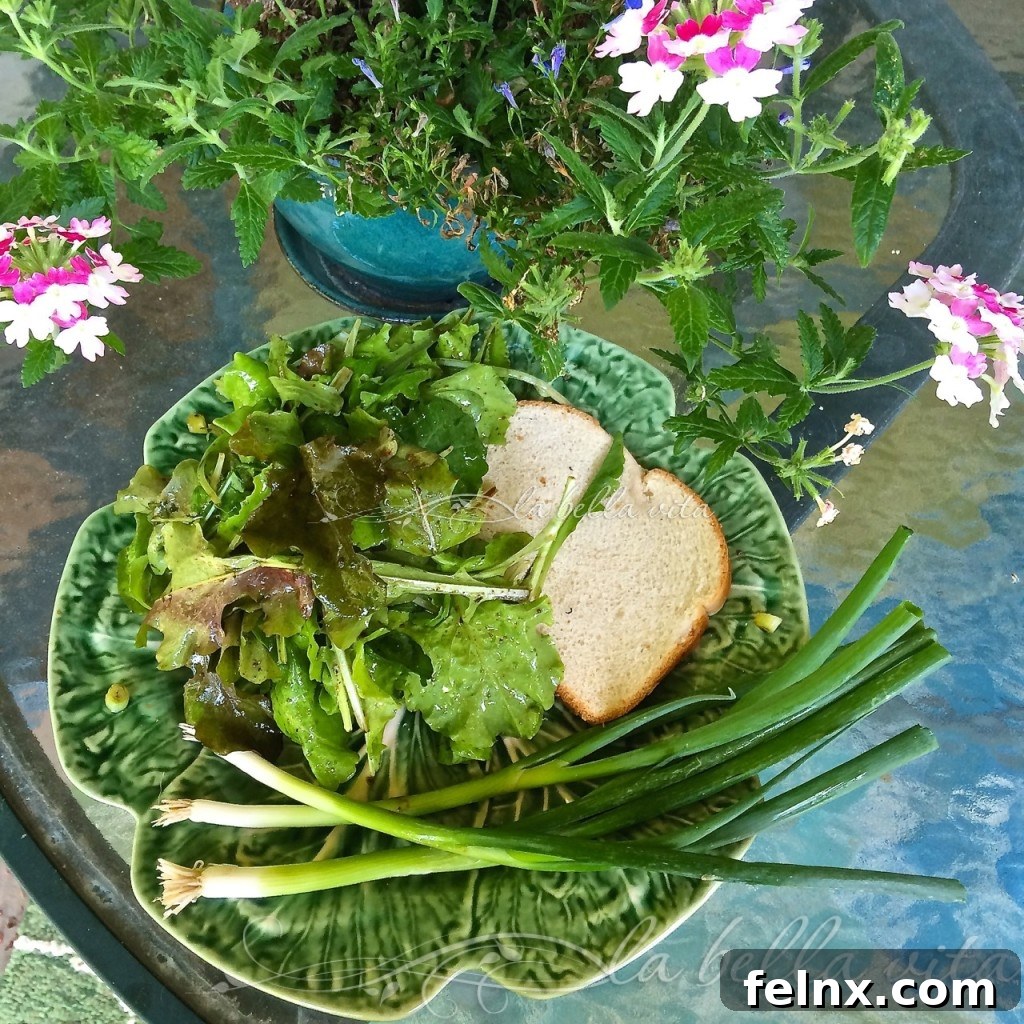
Layering seasoned lettuce onto fresh bread for a traditional Italian treat.
The Nutritional and Emotional Rewards of Gardening
Beyond the culinary benefits, gardening is a gift to your health and well-being. Loose leaf lettuce is packed with vitamins A, C, and K, as well as folate and iron. Because it is eaten raw and fresh, you receive the maximum nutritional value without any loss from transport or storage time. Additionally, growing your own food ensures that no harmful pesticides or chemicals are used in the process.
There is also a profound sense of connection that comes from working the soil. Teaching children where their food comes from—seeing a tiny seed turn into a giant bowl of greens in just three weeks—is a miracle that stays with them for life. It encourages healthy eating habits and a respect for nature that store-bought produce simply cannot replicate.
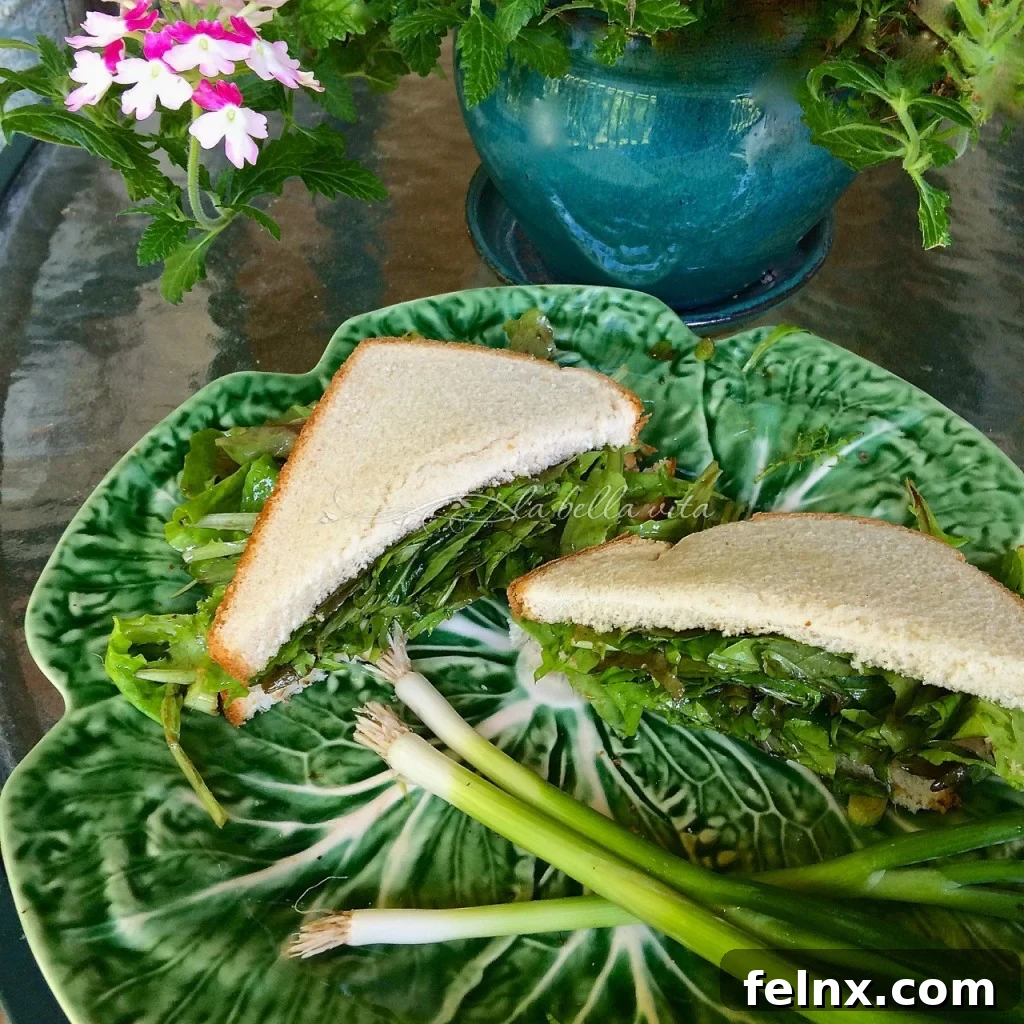
Delicious simplicity at its finest: the beauty of homegrown food.
Conclusion: Start Your Spring Garden Today
Whether you have a sprawling backyard or just a few pots on a windowsill, loose leaf lettuce is the perfect starting point for any gardener. Its rapid growth, ease of care, and superior flavor make it a rewarding staple of the spring season. By choosing high-quality Italian seeds and dressing your harvest with a simple, homemade vinaigrette, you can enjoy a world-class culinary experience right in your own home.
Remember to keep your dressings light, your ingredients fresh, and your harvests frequent. Share the abundance with your friends and family, and celebrate the simple, delicious joys of the garden-to-table lifestyle.