Ultimate Guide to Growing Huge and Flavorful Tomatoes: My Expert Gardening Secrets
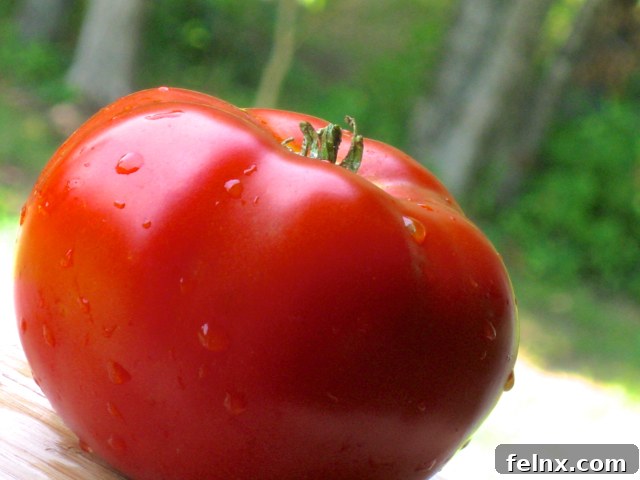
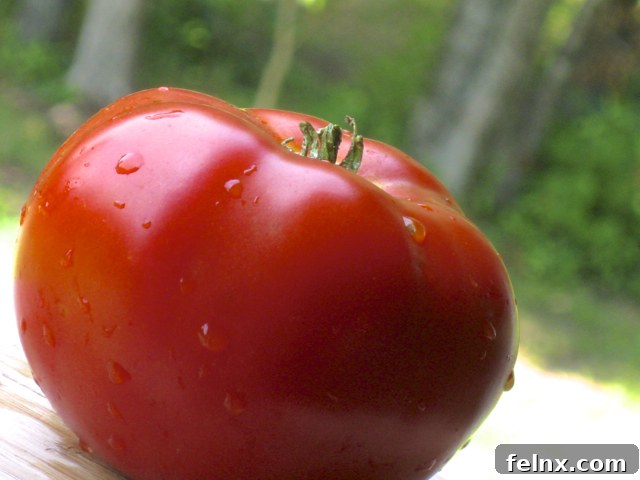
Every year, as my garden begins to flourish, I am met with the same enthusiastic questions from neighbors and fellow gardeners: “How do you get such huge, flavorful tomatoes?” and “What is the secret to such a massive bumper crop?” After years of trial and error, I am finally ready to share my “dirty” little secrets for growing the most incredible tomatoes you have ever tasted.
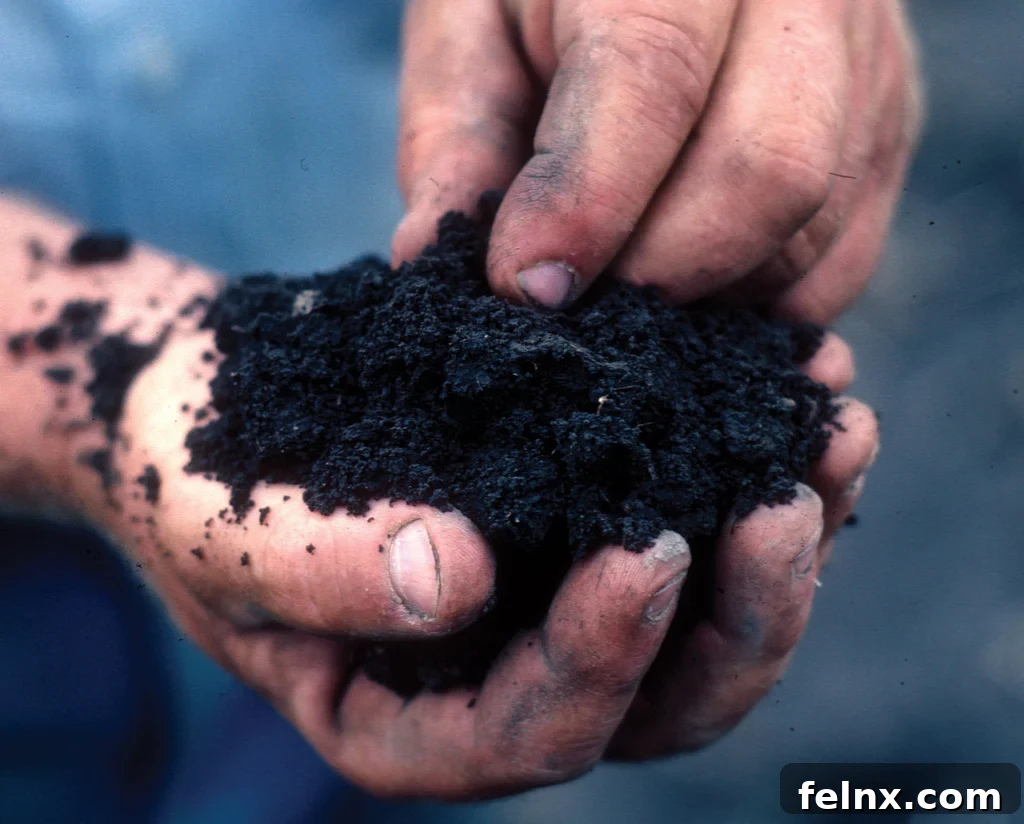
I have been gardening for as long as I can remember. Over the decades, I have learned through hands-on experience what truly works and what is simply a myth. My journey has taken me from the rich, dark, black soil of Iowa—often called the “bread basket of the nation”—to the challenging red clay of South Carolina. Transitioning between these environments taught me that while the soil might change, the fundamental needs of a tomato plant remain the same. Whether you are working with perfect loam or stubborn clay, you can achieve a spectacular harvest with the right techniques.
The Italian Heritage of Gardening
My passion for gardening is rooted in my Italian heritage. In Italy, gardening is not just a hobby; it is a way of life. Whether it is a vast vineyard in the countryside or a simple ceramic pot on a narrow windowsill, Italians find a way to grow their own food. Every available inch of the Italian peninsula is often planted with vibrant vegetables and fruit trees. Even on the steep cliffs of the Amalfi Coast, homes are stacked vertically, yet residents still find space on their small patios to “scratch in the dirt” and cultivate fresh produce.
Growing up in a family of Italian immigrants in the Midwest, I watched my grandfathers tend to their gardens and vineyards. They made their own wine and harvested fresh vegetables every spring and summer. But it was always the tomatoes that stood out. There is nothing in this world quite like a home-grown, sun-ripened, juicy red tomato. Today, I bring those traditional Italian methods to my garden in the South, proving that you can overcome any environmental challenge, including “unforgiving” clay soil, to produce a world-class harvest.

Step 1: Location and Crop Rotation
The first secret to a successful tomato garden is choosing the right location. Tomatoes are sun-worshipers. They require at least six hours of full sunlight every day to develop their sugars and achieve that deep, rich flavor. If your plants are in the shade, they will become “leggy” and produce fewer fruits.
Additionally, you must practice crop rotation. Tomatoes are heavy feeders that quickly deplete specific nutrients from the soil. They are also susceptible to soil-borne diseases that can linger for years. By planting your tomatoes in a different spot each year, you allow the soil to recover and break the cycle of pests and pathogens. Never plant tomatoes in the same spot two years in a row if you want to maintain a healthy garden ecosystem.
Step 2: Preparing and Amending the Soil
If you want great tomatoes, you have to start with great soil. Soil preparation is where most gardeners fail. Because I live on acreage with horses, I have access to an abundance of natural fertilizer. However, you cannot use fresh manure directly on your plants as it is too “hot” and will burn the roots. We let our horse manure age for at least one year before blending it into the garden beds.
If you don’t have access to a farm, don’t worry. You can purchase high-quality composted manure at any garden center. I highly recommend products like Black Cow, which is a big yellow bag full of nutrient-rich compost. Beyond manure, we also utilize Miracle-Gro Garden Soil (specifically the garden soil version, not the potting mix) to add structure and immediate nutrients to our planting area. We mix these components deep into the earth to create a loose, fertile environment for the roots to expand.
Step 3: The Power of Natural Additives
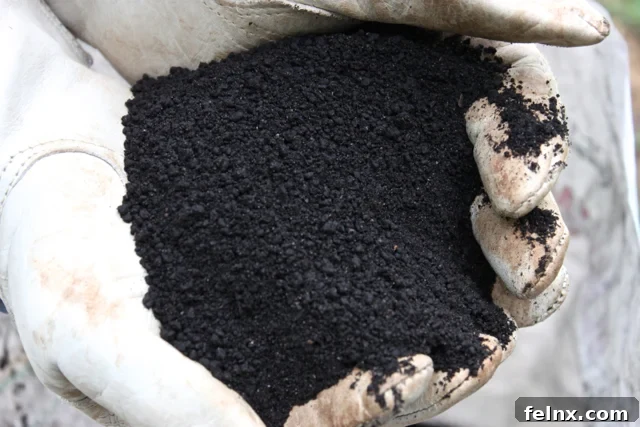
One of my favorite ways to boost soil health is by using what nature provides for free. If you have fallen leaves from the previous autumn, don’t throw them away! Chop them up and blend them into your soil. As they decompose, they provide essential organic matter. Furthermore, we maintain a dedicated compost pile where we toss all our fruit and vegetable scraps. This “black gold” is the ultimate fuel for a productive tomato plant.
Step 4: Timing and Weather Considerations
Patience is a virtue in gardening. It can be tempting to plant your tomatoes as soon as the first warm day arrives, but waiting for the soil to be truly warm is essential. If you plant too early in cold soil, the plant’s growth will be stunted. My neighbors often plant weeks before I do, but because I wait for the soil to reach the ideal temperature, my plants eventually surpass theirs in height, health, and productivity.
When you are ready to plant, try to choose an overcast or cloudy day. Planting in the middle of a scorching, sunny day puts immense stress on the young seedlings. A cool, gray day allows the plant to settle into its new home without the immediate threat of wilting from the sun’s heat.
Step 5: The “Deep Hole” Planting Method
The way you put the plant into the ground is just as important as the soil itself. For every tomato plant, dig a deep, wide hole. This is where you will add your secret ingredients to ensure long-term health. Inside each hole, I add three specific things:
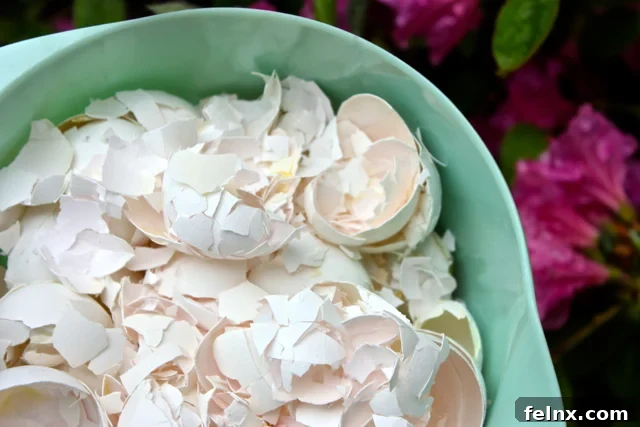
- Crushed Eggshells: Never throw away your eggshells! They are a powerhouse of calcium. Tomatoes need calcium to prevent blossom end rot (that nasty black spot on the bottom of the fruit). If your plants are yellowing, they likely have a calcium deficiency. You can even use the cooled water from boiling eggs to water your plants.
- Worm Castings: While they might seem “icky” to some, worm castings are one of the most effective organic fertilizers on the planet. They improve soil texture and provide a slow-release source of nutrients.
- Bone Meal: Adding a handful of bone meal provides phosphorus, which is essential for root development and flower production.
Step 6: Bury the Stems Deeply
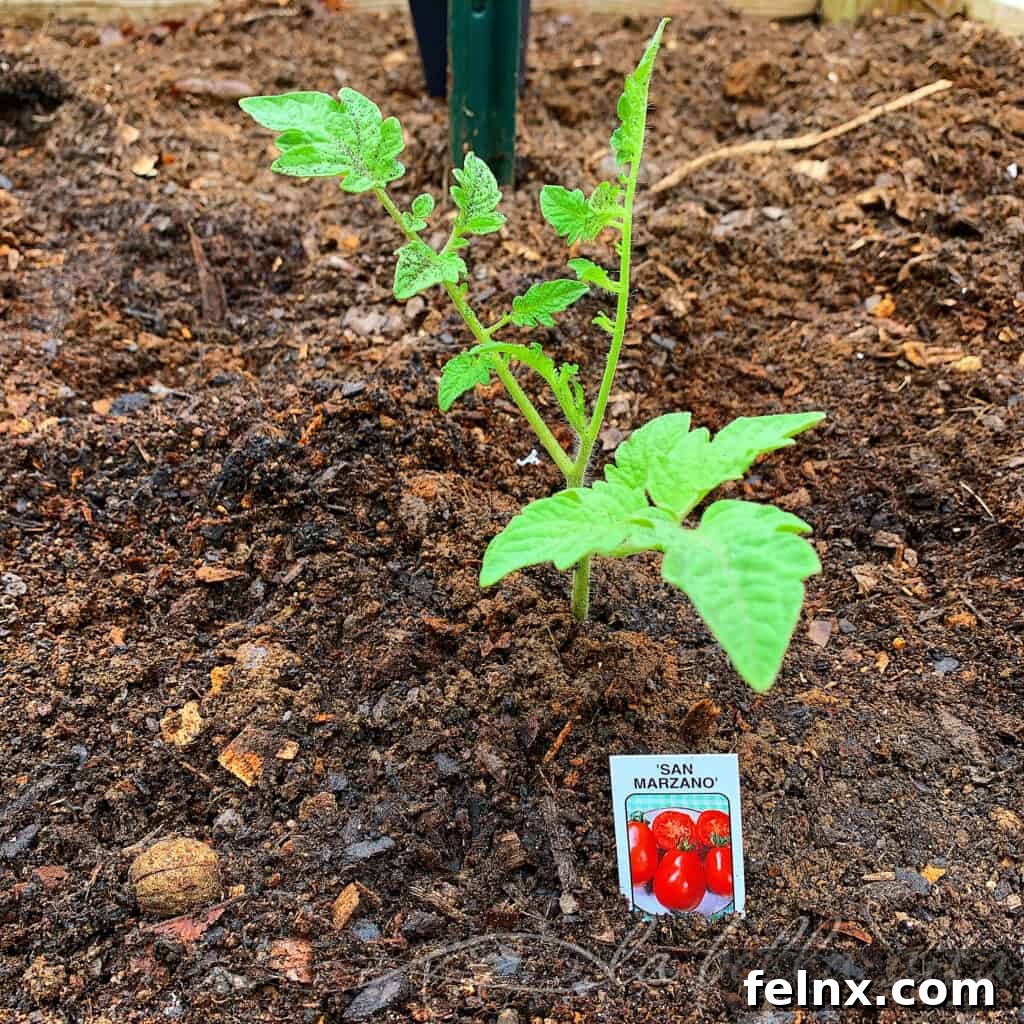
Here is a professional tip: when you are ready to place the plant in the hole, pinch off all the lower leaves, leaving only the top one or two clusters. Then, bury the plant so that only those top leaves are above ground. Why? Because those tiny hairs you see on a tomato stem will actually turn into roots if they are buried under the soil. By burying the stem deeply, you are creating a massive, deep root system. A stronger root system leads to a more resilient plant that can better withstand drought and disease.
Step 7: Consistent Care and Watering Techniques
Once your tomatoes are in the ground, the work of maintenance begins. Immediately after planting, we use a sea or fish emulsion mixed with warm water to give the plants a gentle nutrient boost. We also use a “Quick Start” fertilizer to help the roots establish themselves.
When it comes to watering, there is one golden rule: Always water from the bottom. Never use a sprinkler that gets the leaves wet. Wet foliage is a breeding ground for fungus and blight. Water your plants in the morning so the moisture has time to soak in before the heat of the day. In extreme heat, such as the 100-degree summers in South Carolina, we water every single morning. In milder weather, every other day is usually sufficient.
Step 8: Pruning and Disease Prevention
Air circulation is vital for tomato health. As the plant grows, continue to prune any stems or leaves that touch the soil. Soil contains bacteria and fungi that can easily transfer to the plant if the leaves are in direct contact with the ground. Keeping the area under the plant clean and clear is one of the most effective ways to prevent disease.
Additionally, stay on top of weeding. Weeds compete with your tomatoes for water and nutrients. I make it a habit to check for weeds daily. If you see one, pull it out immediately before it has a chance to establish deep roots or go to seed.
Step 9: Support and Fertilization
As your plants grow, they will need support. Heavy, fruit-laden branches will snap if they are not properly staked or caged. Secure your plants early before they get too large to manage. During the growing season, we continue to feed our plants every two weeks with organic fertilizer. We also use products like Osmocote to encourage heavy fruit production. While some fertilizers help the plant grow leaves, others focus on “fruit,” and finding a balance between the two is key to a high-yield harvest.
Growing outstanding tomatoes is indeed a labor of love, but the rewards are incomparable. When you bite into a sun-warmed tomato from your own garden, you will realize that every bit of work was worth it. Follow these steps, and you will be amazed by the flavor, quality, and sheer bounty of your tomato harvest this season!
SAVE THESE TIPS FOR LATER!

This guide was originally inspired by decades of family tradition and updated with modern organic gardening best practices.