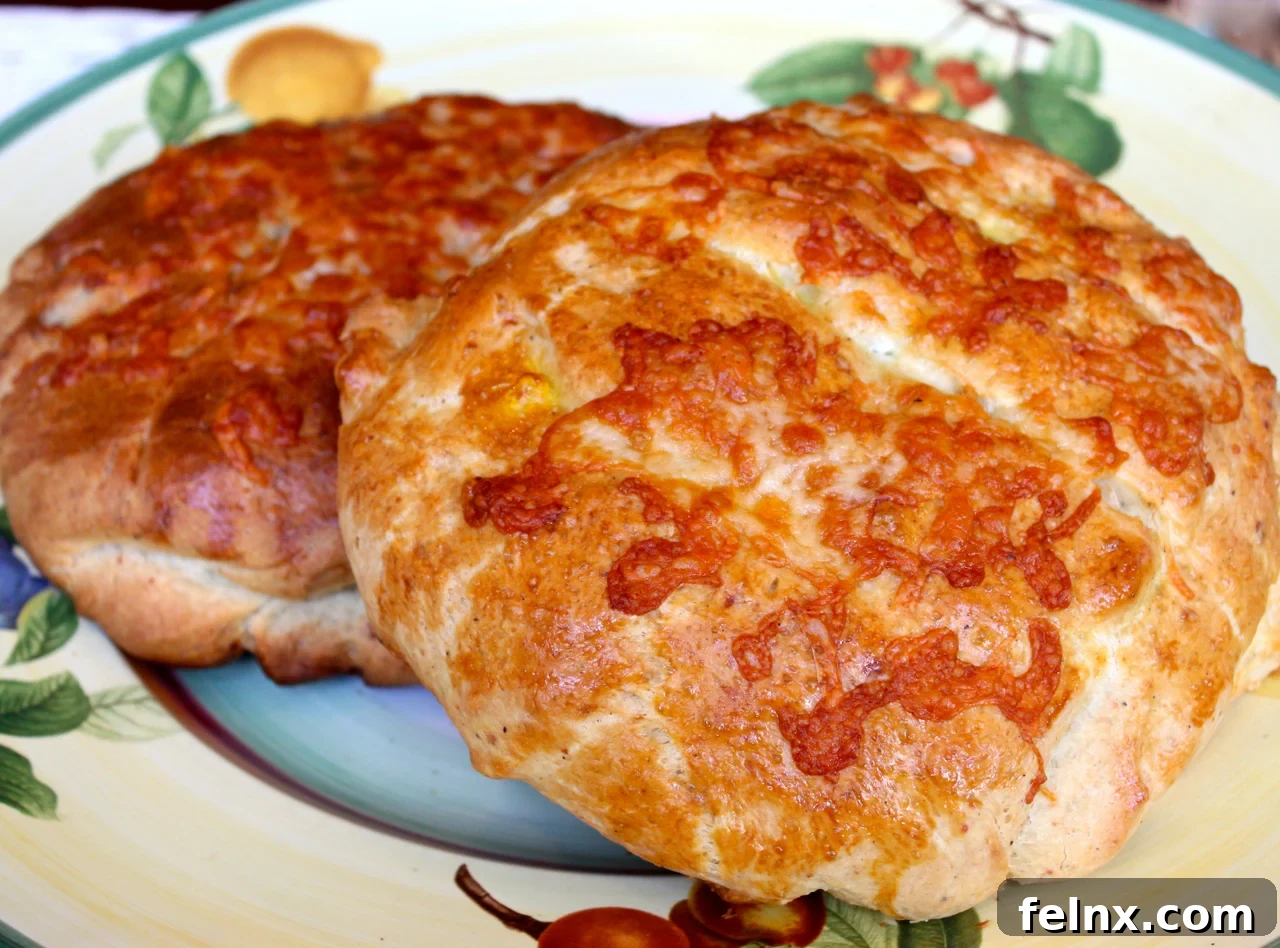
How to Make the Ultimate Copycat Panera Asiago Cheese Bread
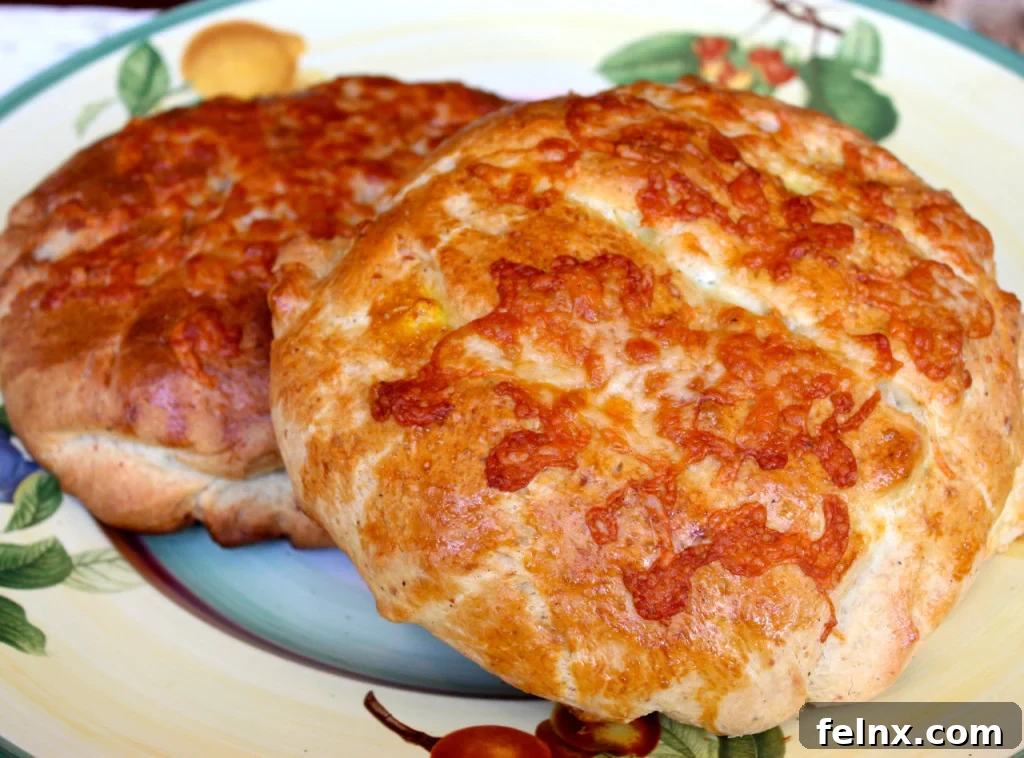
For many carb enthusiasts, Asiago Cheese Bread represents the pinnacle of savory baking. There is something truly irresistible about the combination of a soft, airy crumb and the sharp, salty crunch of toasted cheese on the crust. If you have ever walked into a Panera Bread bakery, the scent of freshly baked Asiago loaves is likely etched into your memory. It is a fragrance that balances the sweetness of yeast with the savory depth of aged Italian cheese.
I have always dreamed of recreating this bakery-style masterpiece in my own kitchen. Recently, I had the incredible opportunity to collaborate with the Asiago Cheese Consortium. This organization represents all authentic Asiago cheese producers from the Asiago plateau in Italy. They ensure that every wedge of cheese bearing their seal meets strict quality and authenticity standards. With their help, I finally perfected an easy copycat Panera Asiago Cheese Bread recipe that you can bake at home with professional results.
Panera Bread has been a staple in the American dining landscape for decades. Since my very first bite of their signature bagels and loaves back in 2001, I have been a devoted fan. Their Asiago bread, in particular, is a menu item I order religiously. Whether it is used for a sandwich or served alongside a warm bowl of soup, it never disappoints. Recreating that specific texture and flavor profile was a challenge I was eager to accept.
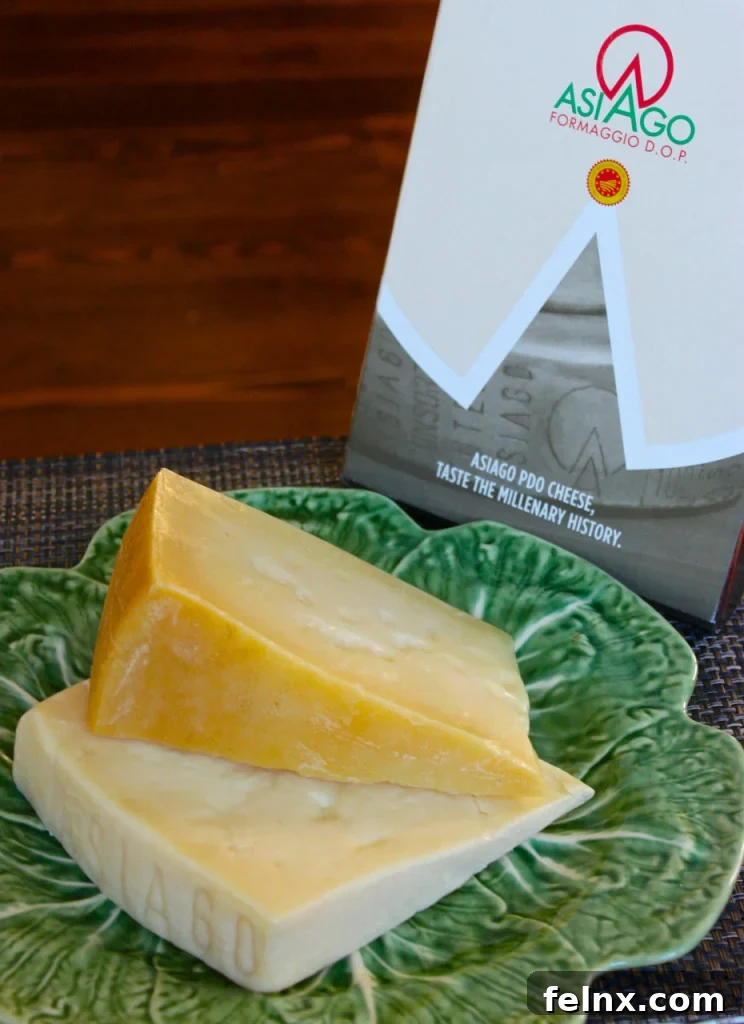
The representatives from the Consortium reached out after following my culinary journey on social media. They asked if I would develop a recipe highlighting Asiago Cheese PDO. It is essential to understand what “PDO” means. It stands for Protected Designation of Origin (known as DOP in Italy). This seal guarantees that the cheese is authentic, made using traditional methods in a specific geographic region of Italy. When you buy PDO cheese, you aren’t getting a cheap imitation; you are getting a piece of Italian heritage, complete with the wheel’s number and name stamped on the packaging.
The Secrets of Authentic Italian Asiago Cheese
Before diving into the recipe, it is vital to understand the ingredient that gives this bread its soul. Asiago Cheese PDO comes in two primary varieties: Fresh (Pressato) and Aged (D’Allevo). Each brings a unique characteristic to your baked goods.
- Fresh Asiago: This variety has a creamy, soft texture and a mild, milky flavor. It melts beautifully, making it an excellent choice for a moist bread crumb. It is easy to slice and provides a subtle, buttery background to the dough.
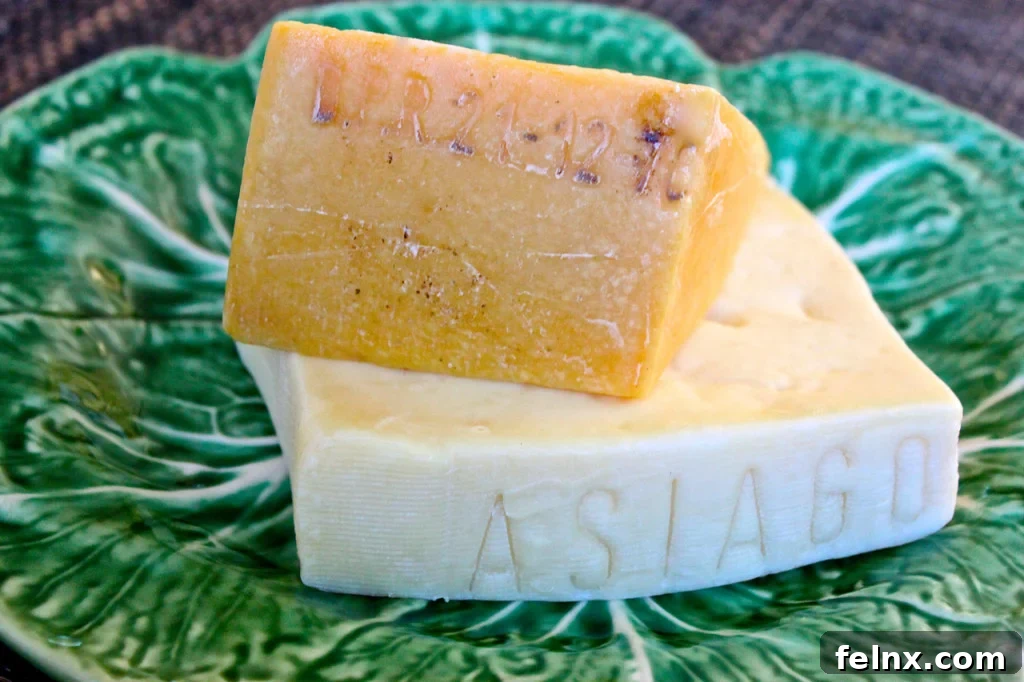
- Aged Asiago: As the cheese ages, it becomes firmer and the flavor intensifies. Aged Asiago is often categorized as Mezzano (aged 4-6 months), Vecchio (aged 10-15 months), or Stravecchio (aged over 15 months). These varieties are much sharper and more pungent, perfect for grating over the top of the bread to create that signature savory crust.
In the photos, you can clearly see the difference in color and texture. The Fresh Asiago is lighter, almost white, while the Aged Asiago takes on a deeper, golden hue. While both are exceptional, I found that using Fresh Asiago inside the dough provides the best moisture levels, while the Aged version is superior for the golden-brown topping. To ensure you are using the real deal, always look for the word “ASIAGO” and the official identification number stamped on the rind.
Tips for Successful Homemade Bread
Many home cooks feel intimidated by yeast-based recipes, but this bread is surprisingly forgiving. The key to a perfect loaf lies in the temperature and the rise. Yeast is a living organism; it needs warmth to activate but can be “killed” if the liquid is too hot. Aim for a temperature between 120°F and 130°F (approx. 50°C) for the milk and butter mixture. This ensures the yeast wakes up and starts producing the carbon dioxide needed for a beautiful rise.
Kneading is another crucial step. When you knead the dough, you are developing the gluten network. This network acts like a balloon, trapping air and allowing the bread to expand. Using a stand mixer with a dough hook makes this process effortless, but you can certainly do it by hand if you enjoy the tactile experience of bread making. You’ll know the dough is ready when it is smooth, elastic, and slightly tacky to the touch, but not sticking to your fingers.
Don’t rush the rising process. Depending on the temperature of your kitchen, the first rise can take anywhere from two to three hours. A slow rise actually helps develop a deeper flavor in the dough. If you have a particularly cold kitchen, you can let the dough rise in an oven that is turned off but has the light on.
Easy Asiago Cheese Bread Recipe

This recipe creates two beautiful, artisan-style loaves of Asiago bread. It features a soft, savory interior filled with cheese and a golden, crunchy crust that rivals any professional bakery.
Ingredients
- 3-¾ cups All-purpose flour (divided)
- 1 Tbsp Dry active yeast
- 1-½ tsp Freshly ground sea salt
- 1 tsp Granulated sugar
- ¼ tsp Freshly cracked black pepper (adds a subtle warmth)
- 1-¼ cups Whole milk (provides a rich crumb)
- 2 Tbsp Unsalted butter
- 1-½ cups Shredded Fresh Asiago Cheese PDO (for the dough)
- 1 Jumbo egg (beaten, for the egg wash)
- ¼ cup Shredded Aged Asiago Cheese (for the topping)
Step-by-Step Instructions
- Mix Dry Ingredients: In the bowl of a stand mixer fitted with the paddle attachment, combine 1-½ cups of flour, the dry yeast, sugar, salt, and black pepper.
- Prepare Liquids: Place the milk and butter in a microwave-safe bowl. Heat until the butter starts to melt. Use a thermometer to ensure the mixture is between 120°F and 130°F.
- Combine: Turn the mixer to low speed and slowly pour the warm milk mixture into the dry ingredients. Mix until the batter is smooth.
- Add Cheese: Fold in the 1-½ cups of shredded Fresh Asiago cheese. Mix briefly just to distribute the cheese evenly.
- Form Dough: Gradually add the remaining 2-¼ cups of flour. Once the dough starts to come together, switch from the paddle attachment to the dough hook.
- Knead: Knead the dough on medium-low speed for about 5 minutes until it is smooth and elastic.
- First Rise: Lightly grease a large bowl with cooking spray. Place the dough inside, cover with plastic wrap, and let it rise in a warm, draft-free spot until doubled in size (typically 2-3 hours).
- Shape: Gently punch down the dough to release excess air. Divide the dough into two equal portions. Shape each portion into an oval or round loaf.
- Second Rise: Place the shaped loaves on two greased baking sheets. Cover loosely with greased plastic wrap and let them rise again for about 1 hour.
- Prep for Baking: Preheat your oven to 375°F (190°C). Using a sharp serrated knife, make 3-4 shallow diagonal slashes across the top of each loaf.
- Egg Wash: Generously brush the beaten egg over the entire surface of the loaves. This creates the beautiful golden shine.
- Bake: Bake for 25 minutes. Carefully remove the loaves from the oven and sprinkle the reserved ¼ cup of shredded Aged Asiago cheese over the tops.
- Finish: Return the loaves to the oven for an additional 5 minutes, or until the cheese is melted and bubbly and the bread is a deep golden brown.
- Cool: Allow the bread to cool on a wire rack for at least 20 minutes before slicing to ensure the internal structure sets properly.
Community Success: Liz’s Results
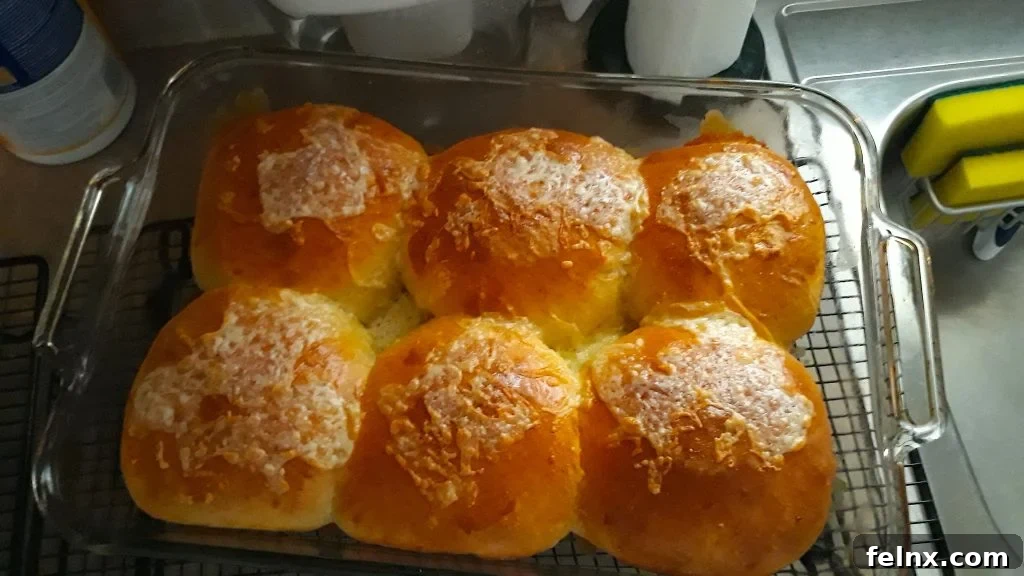
I love seeing readers recreate these recipes! A fellow baker, Liz, recently tried this Asiago bread recipe but decided to make smaller individual rolls instead of large loaves. She reported that the aroma while baking was absolutely heavenly and the taste was exactly like the Panera version she loves. Shaping them into rolls is a fantastic idea for dinner parties or sliders!
Where to Find Authentic Asiago Cheese PDO
To get the best results, sourcing high-quality, authentic cheese is paramount. Look for these retailers to find genuine Italian Asiago Cheese PDO:
Major Supermarkets
- Whole Foods Market
- Kroger
- Wegmans
- Harris Teeter
- Sam’s Club
- Central Market (Texas)
- Bristol Farms (California)
Gourmet Shops & Delis
- Murray’s Cheese (New York)
- Di Bruno Bros (Philadelphia)
- Vince and Joe’s Gourmet Market (Michigan)
- Agata & Valentina (New York)
- Hometown Provisions (Pennsylvania)
Online Sources
- igourmet.com
- Alma Gourmet
- Murray’s Cheese Online
Conclusion
Making your own Asiago Cheese Bread is a rewarding experience that fills your home with the most amazing aroma. By using authentic ingredients like Asiago Cheese PDO, you elevate a simple bread recipe into a gourmet treat. Whether you enjoy it toasted with butter, as a base for a turkey sandwich, or alongside a bowl of tomato soup, this copycat recipe is sure to become a favorite in your household.
For more information about the heritage and production of this incredible cheese, visit the Asiago Cheese Consortium official website. Happy baking!
Disclosure: This post was developed in collaboration with the Asiago Cheese Consortium. All opinions and the passion for authentic Italian ingredients are entirely my own.