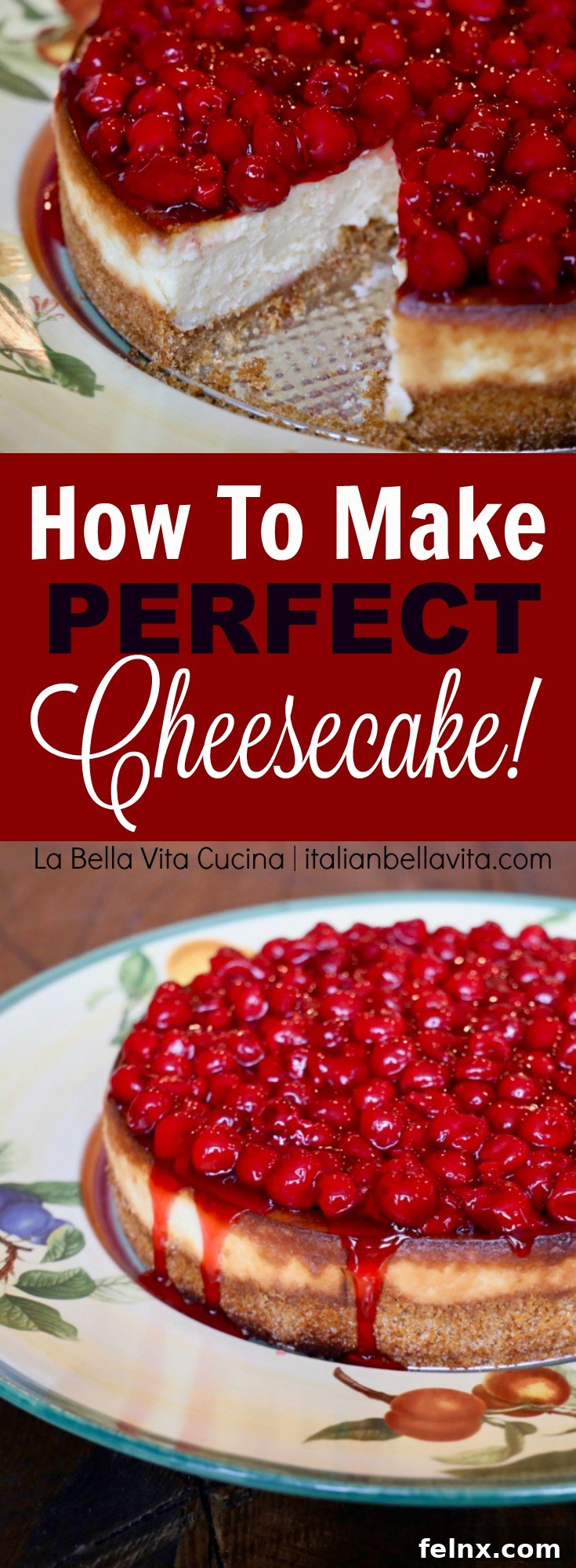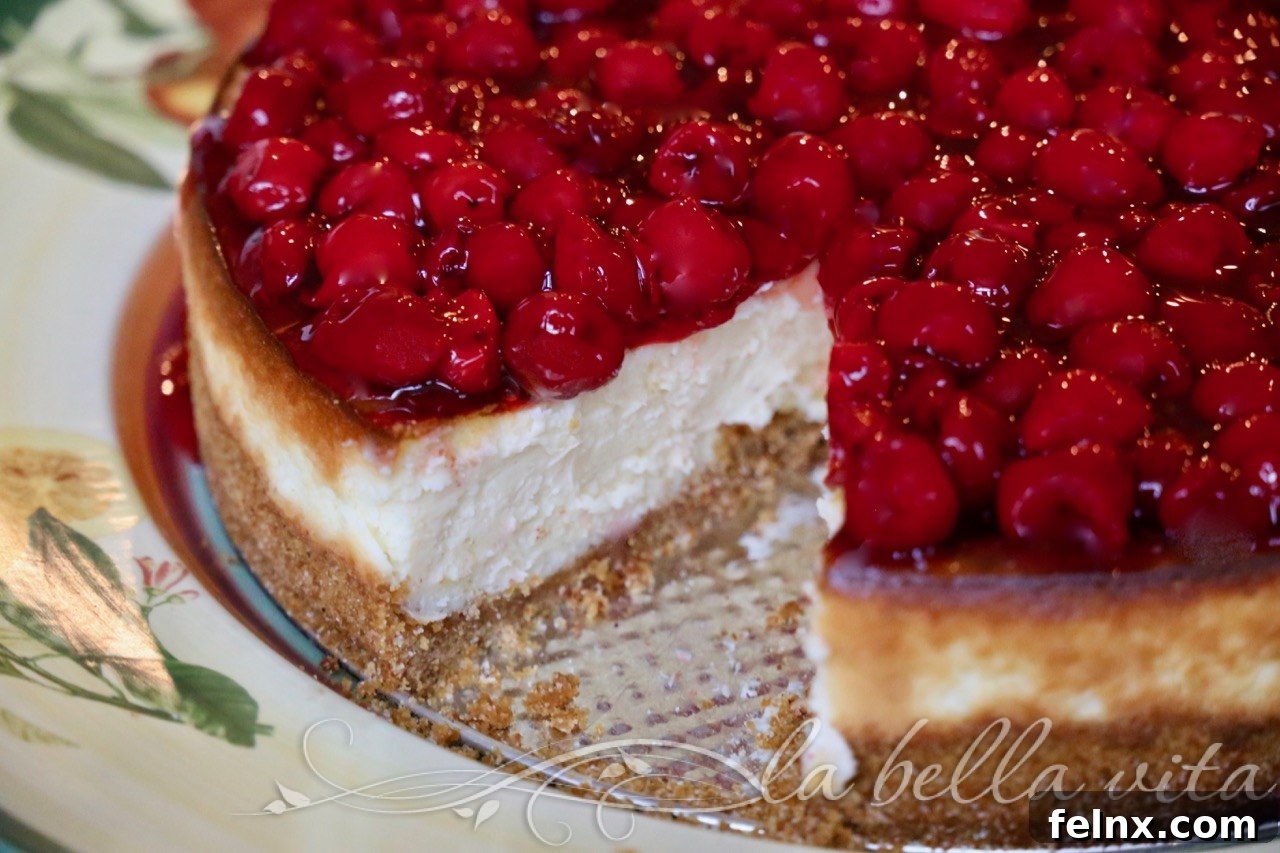
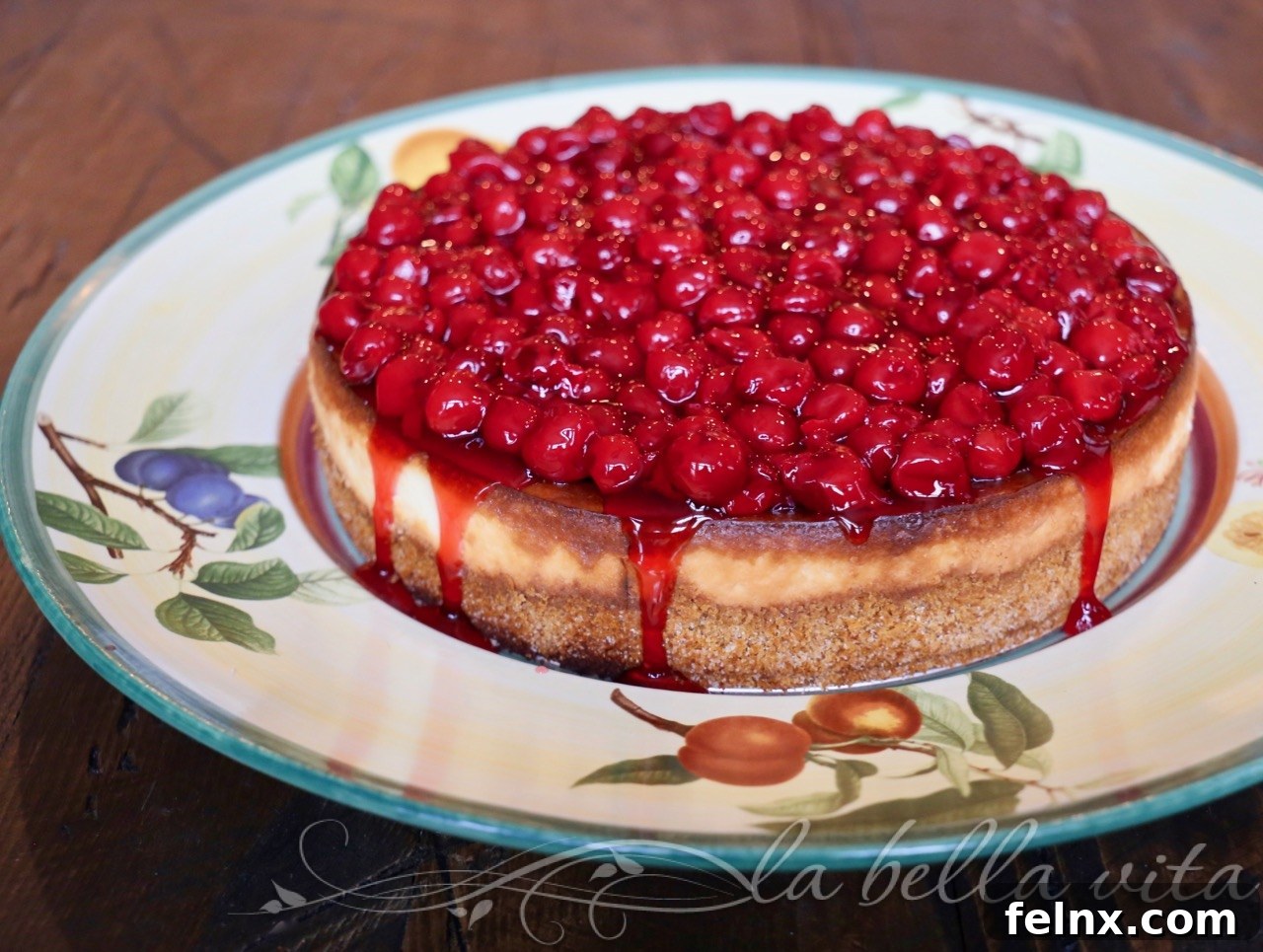
The Ultimate Guide to Making the Best Creamy, Dreamy Cheesecake
Does the mere thought of baking a cheesecake from scratch fill you with a sense of dread? Does the risk of cracks, sunken centers, or soggy crusts make you want to avoid this classic dessert altogether? If you find the process of making a cheesecake intimidating, you are certainly not alone. For many home bakers, the cheesecake is seen as the “final boss” of the dessert world—a temperamental masterpiece that requires precision, luck, and perhaps a bit of magic.
However, it is time to say goodbye to those fears and “hello darling” to a recipe that will become a permanent fixture in your collection. Today, you will learn how to craft the most exceptional cheesecake you have ever tasted. We are talking about a dessert that is truly melt-in-your-mouth dreamy. This isn’t just a standard cake; it features a silky, velvety texture that feels incredibly luxurious on the palate. Best of all, it is surprisingly simple to make and follows a foolproof method that ensures perfect results every single time.
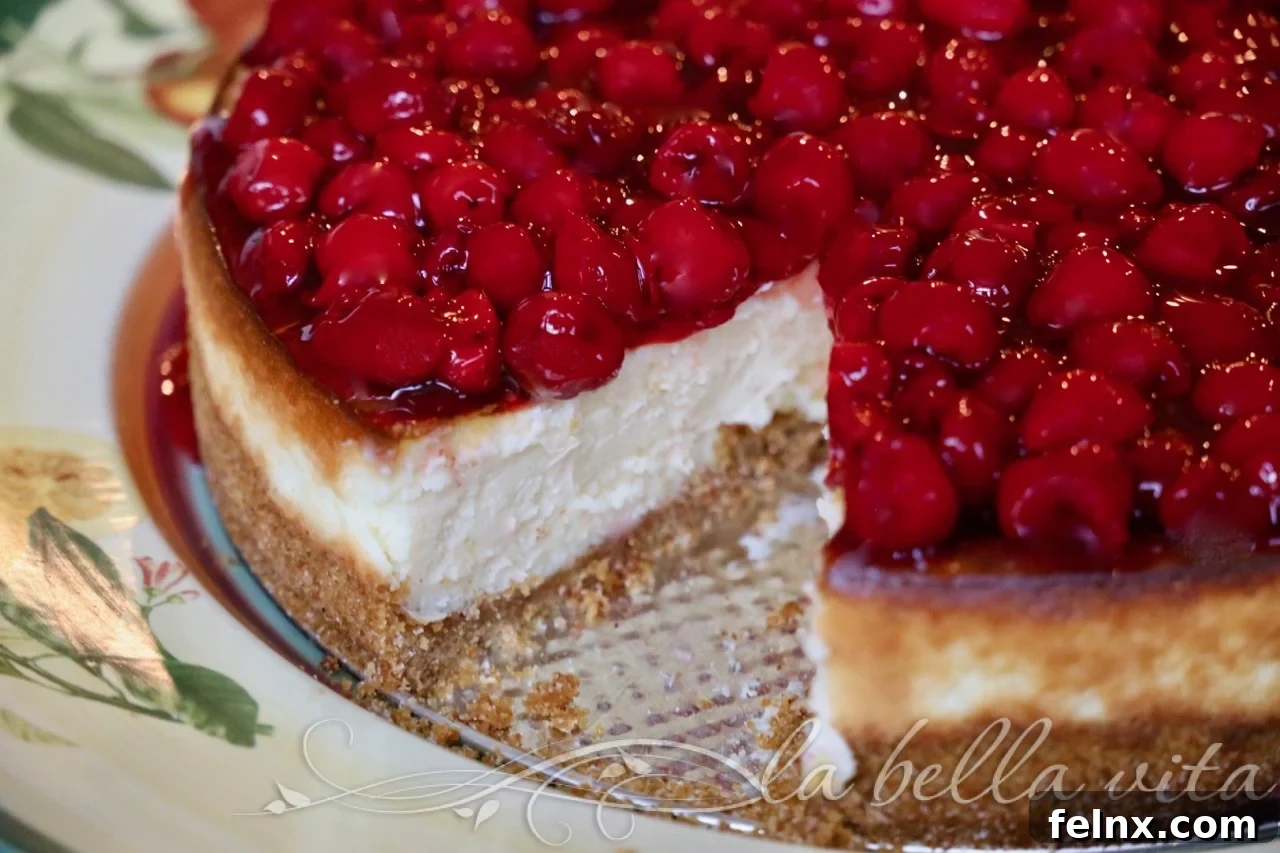
A Lifelong Passion for the Perfect Slice
My obsession with cheesecake began back in my college years. In those days, I didn’t have a full kitchen in my dorm room, so I had to get creative. I would often buy a small Sara Lee cheesecake, top it with a can of cherry pie filling, and indulge while studying for exams. It was my ultimate comfort food. Once I finally moved into a home with a proper kitchen, the very first thing I wanted to master was a genuine, high-quality cheesecake.
I spent years refining the technique, experimenting with different temperatures, mixing times, and ingredients. Long before the internet made recipe sharing instantaneous, friends and family were already asking me for my secret. This particular version is the culmination of decades of baking experience. It is designed to be accessible for beginners while delivering professional-grade quality that will impress even the most seasoned dessert connoisseurs.
This recipe is seriously foolproof as long as you follow these simple, guided steps.
Simplifying the Cheesecake Process
One of the biggest hurdles in cheesecake baking is the dreaded water bath (bain-marie). Most recipes insist that you wrap your pan in multiple layers of aluminum foil and submerge it in a tray of hot water. It is a cumbersome process that often results in water leaking into the crust, ruining the entire cake. I have great news: this recipe does NOT require a water bath. We use a unique temperature control method that achieves that same creamy consistency without the extra hassle.
The result is the dreamiest, most indulgent cheesecake on the planet, resting on a delightful, buttery graham cracker crust. To get started, you will need a standard nine or ten-inch springform pan. This type of pan is essential because the sides can be unlatched and removed, allowing you to serve the cake without flipping it over or damaging the delicate structure.
Step-by-Step Instructions
Preparation is key to success. Before you begin mixing your ingredients, ensure your oven is preheating and your tools are ready. Setting the right environment is half the battle when it comes to baking.
Step 1: Preheat your oven to 500°F (260°C).
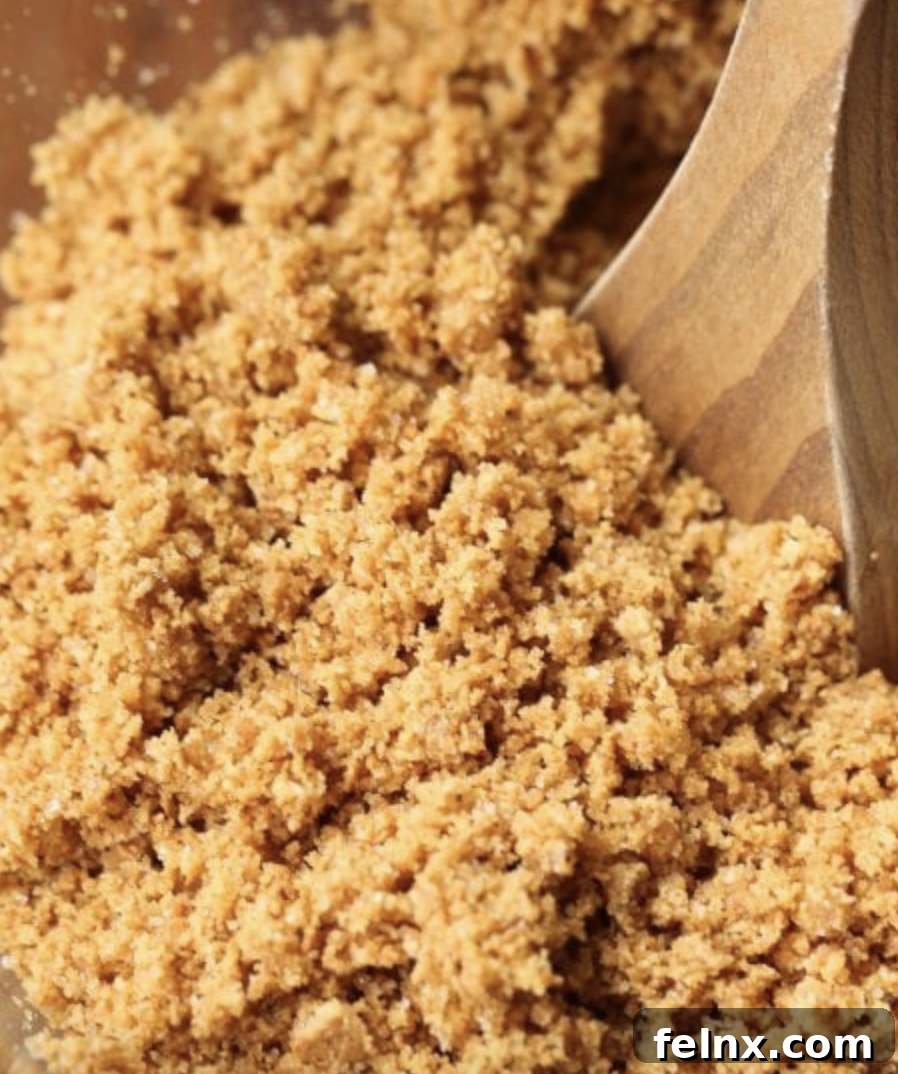
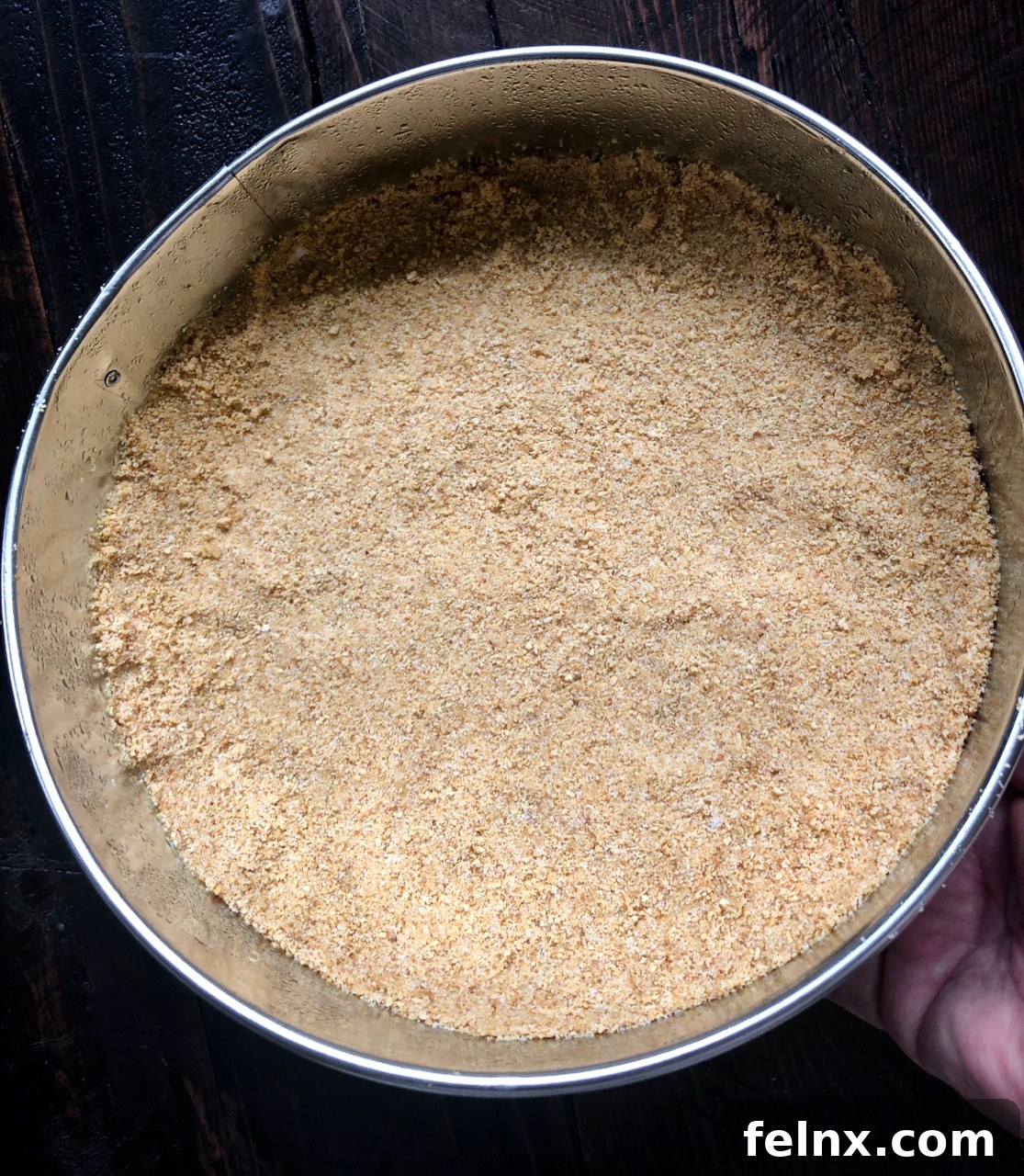
Prepare your 10-inch springform pan by spraying it lightly with cooking oil. While some bakers skip this step, I highly recommend it to ensure the sides of the cake release cleanly later on. Press the crumb mixture firmly into the bottom of the pan and about half an inch up the sides. This creates a sturdy base that perfectly complements the soft filling.
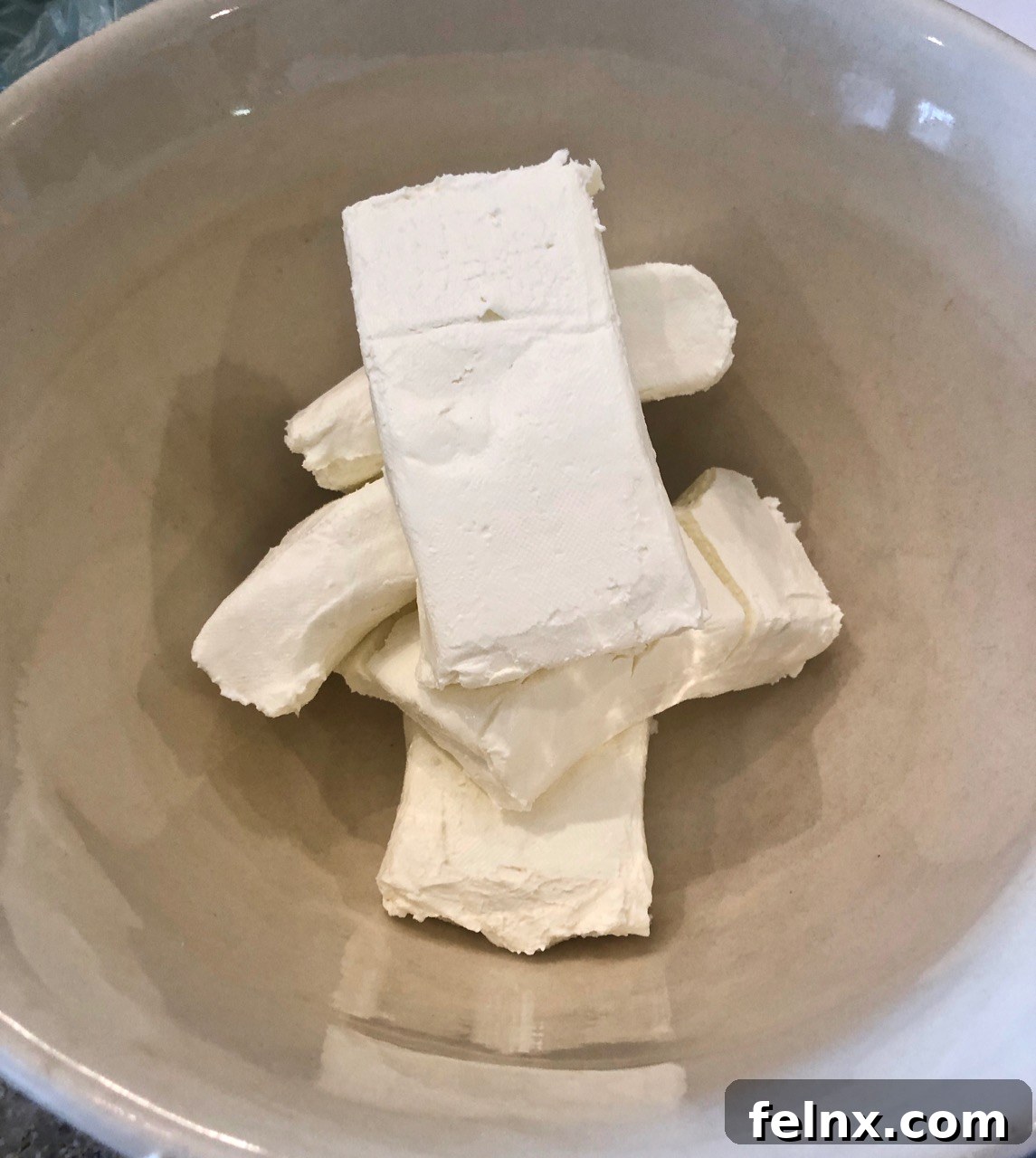
It is vital that your cream cheese is softened to room temperature before you begin. Place all five packages into a large mixing bowl.
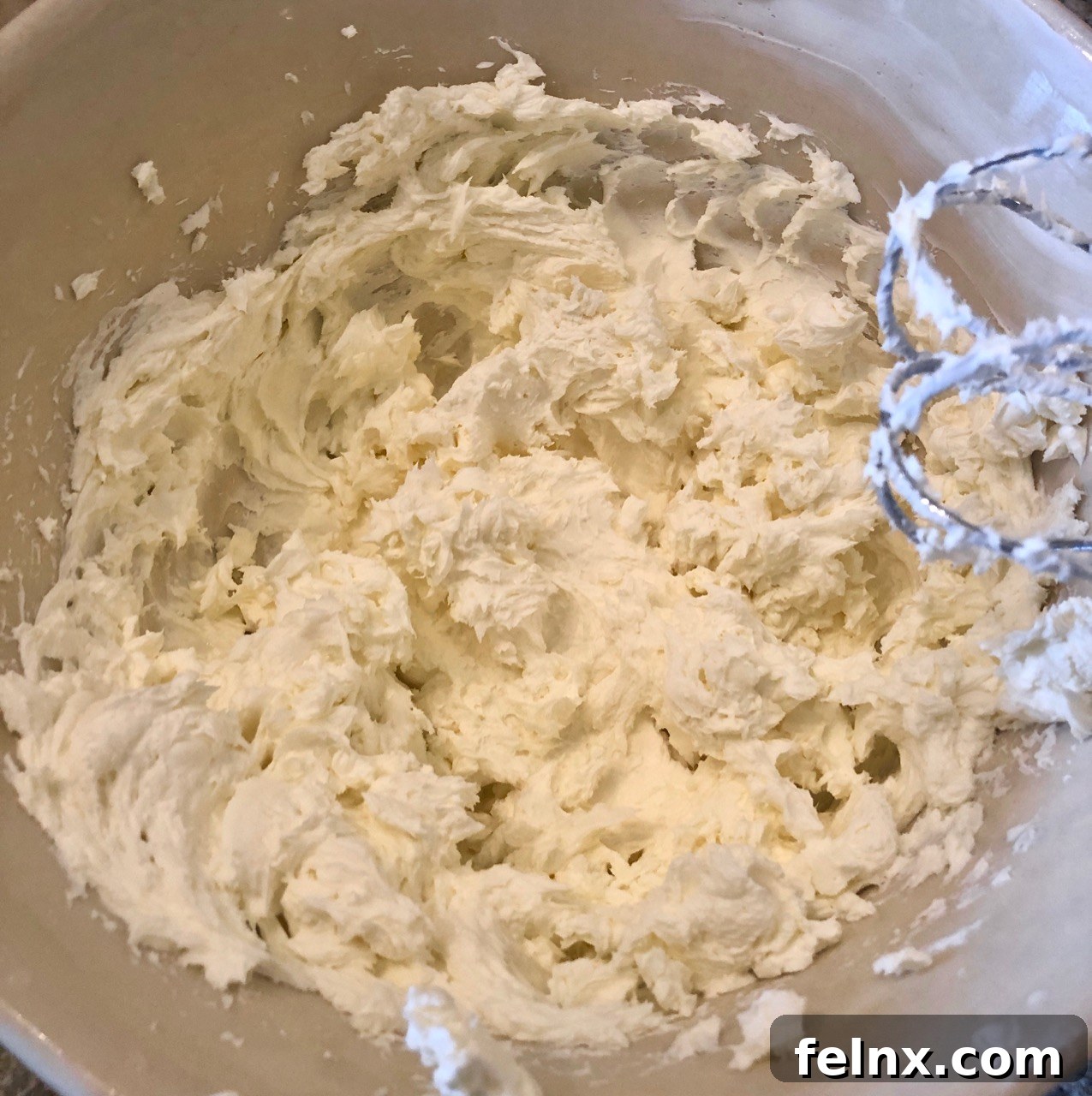
Using either a handheld mixer or a stand mixer, beat the cream cheese until it is perfectly smooth. You want to eliminate every single lump at this stage. Once the base is creamy, blend in the lemon juice and vanilla extract for that classic bright flavor. Gradually add the sugar, flour, and a pinch of salt. Continue beating for about three minutes until the mixture looks like liquid silk.
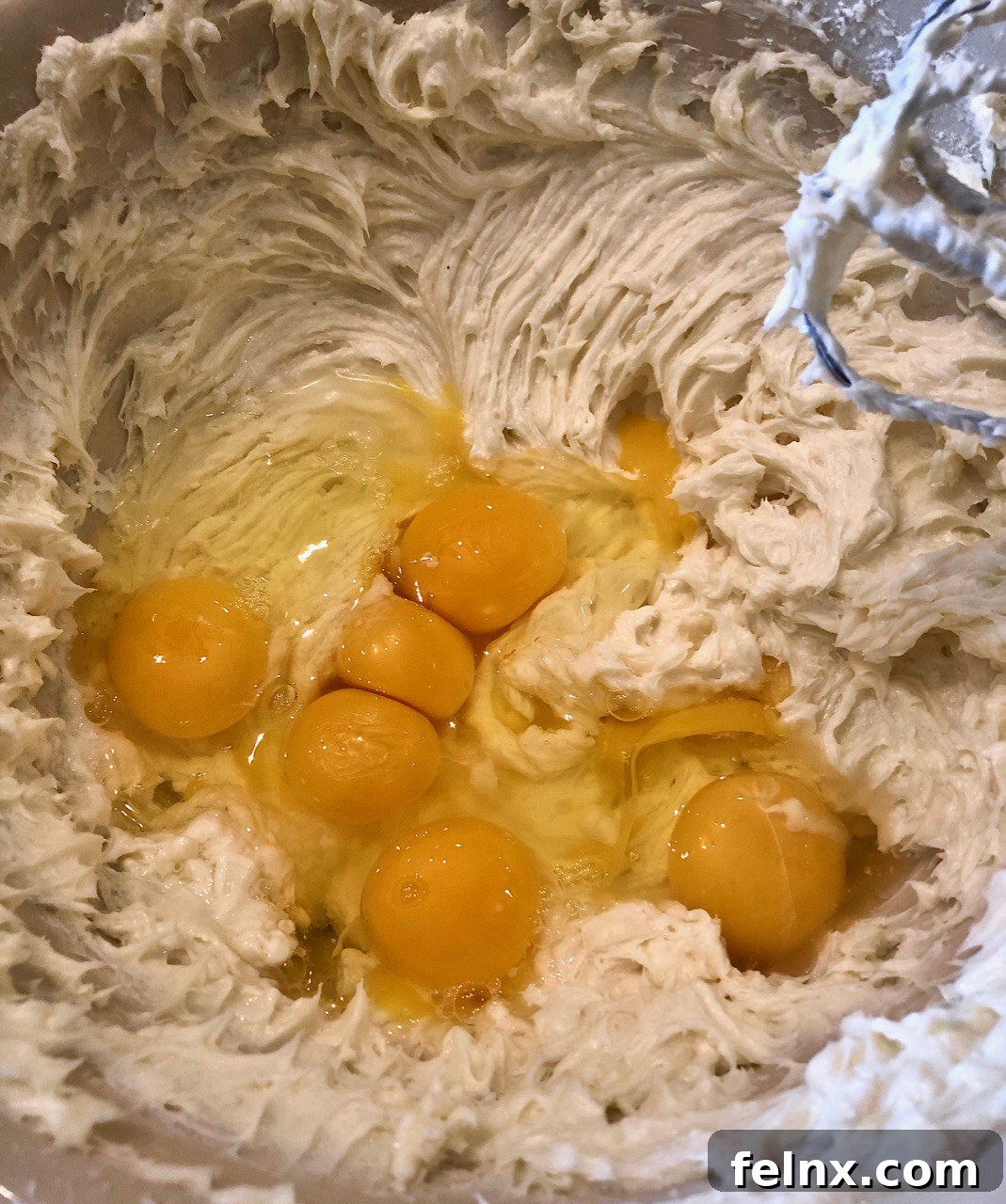
Now, add the eggs and extra yolks one at a time. This is a critical moment—mix just until the yellow of the egg disappears. Over-mixing at this stage can incorporate too much air, which leads to cracks during baking. Finally, stir in the heavy cream to add that final touch of richness.
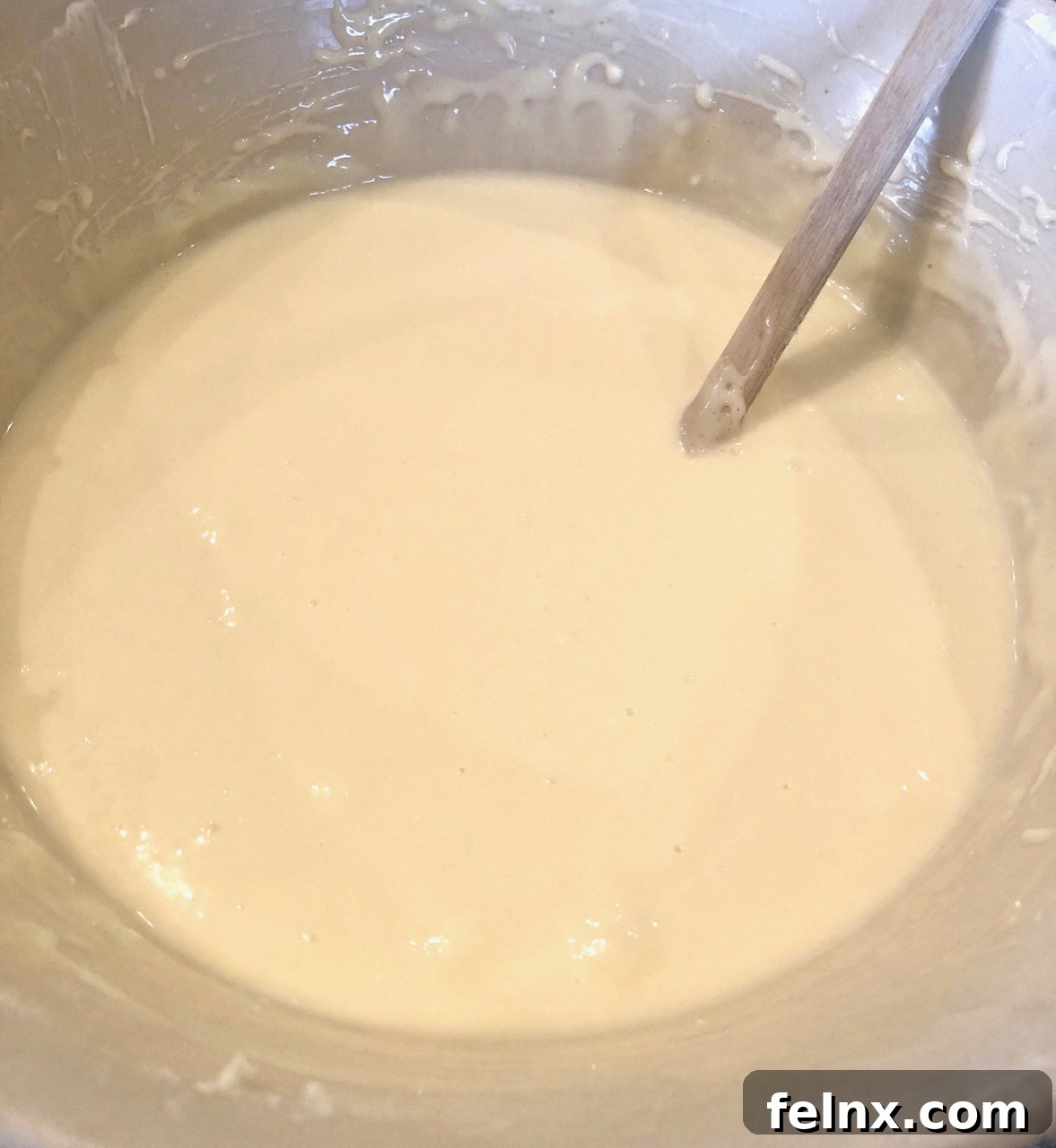
You should now have a beautiful, glossy, and thick mixture that is ready to be transformed into a masterpiece.
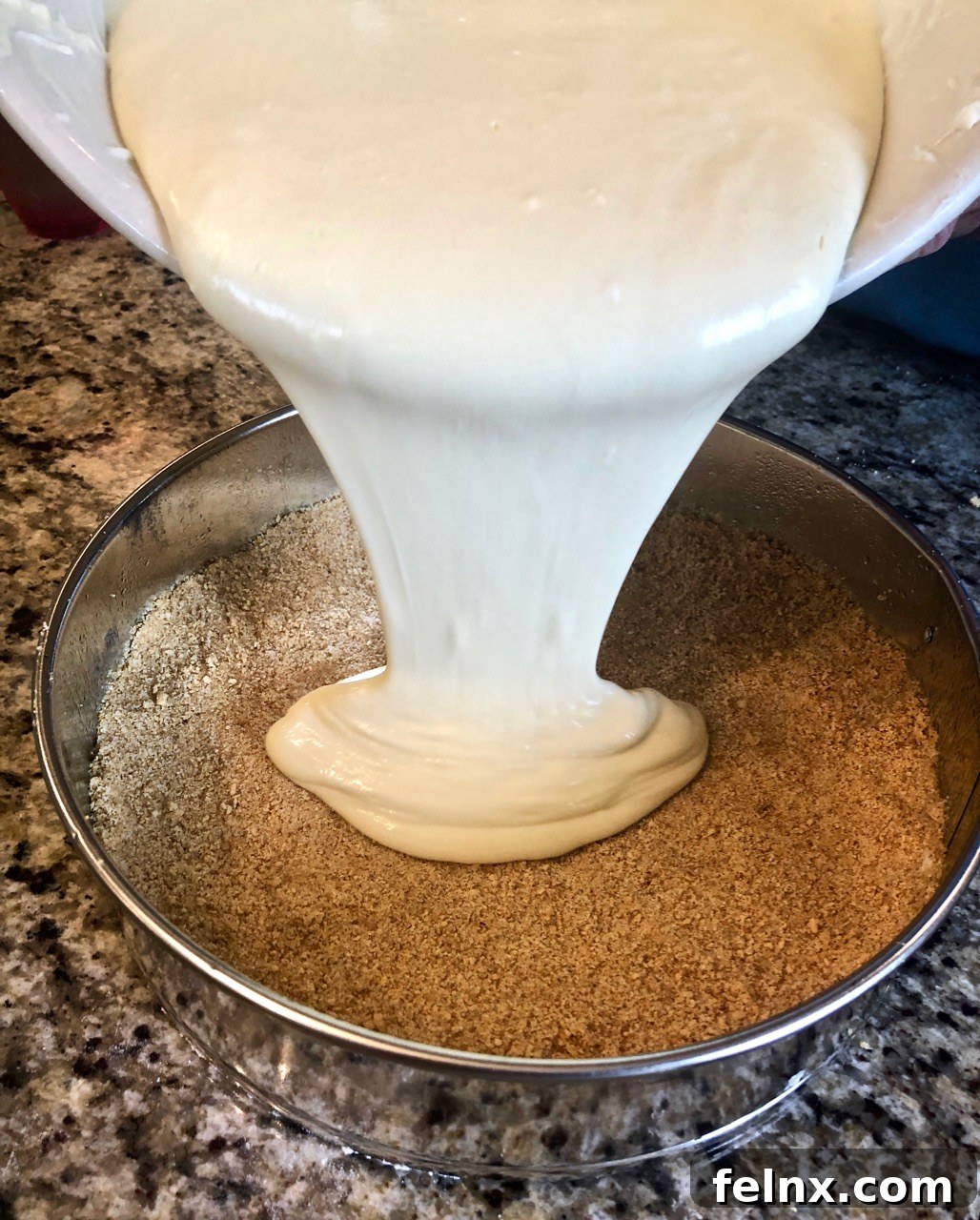
Pour the filling over your prepared crust. Use a spatula to smooth the top if necessary, ensuring the batter reaches the edges of the pan evenly.
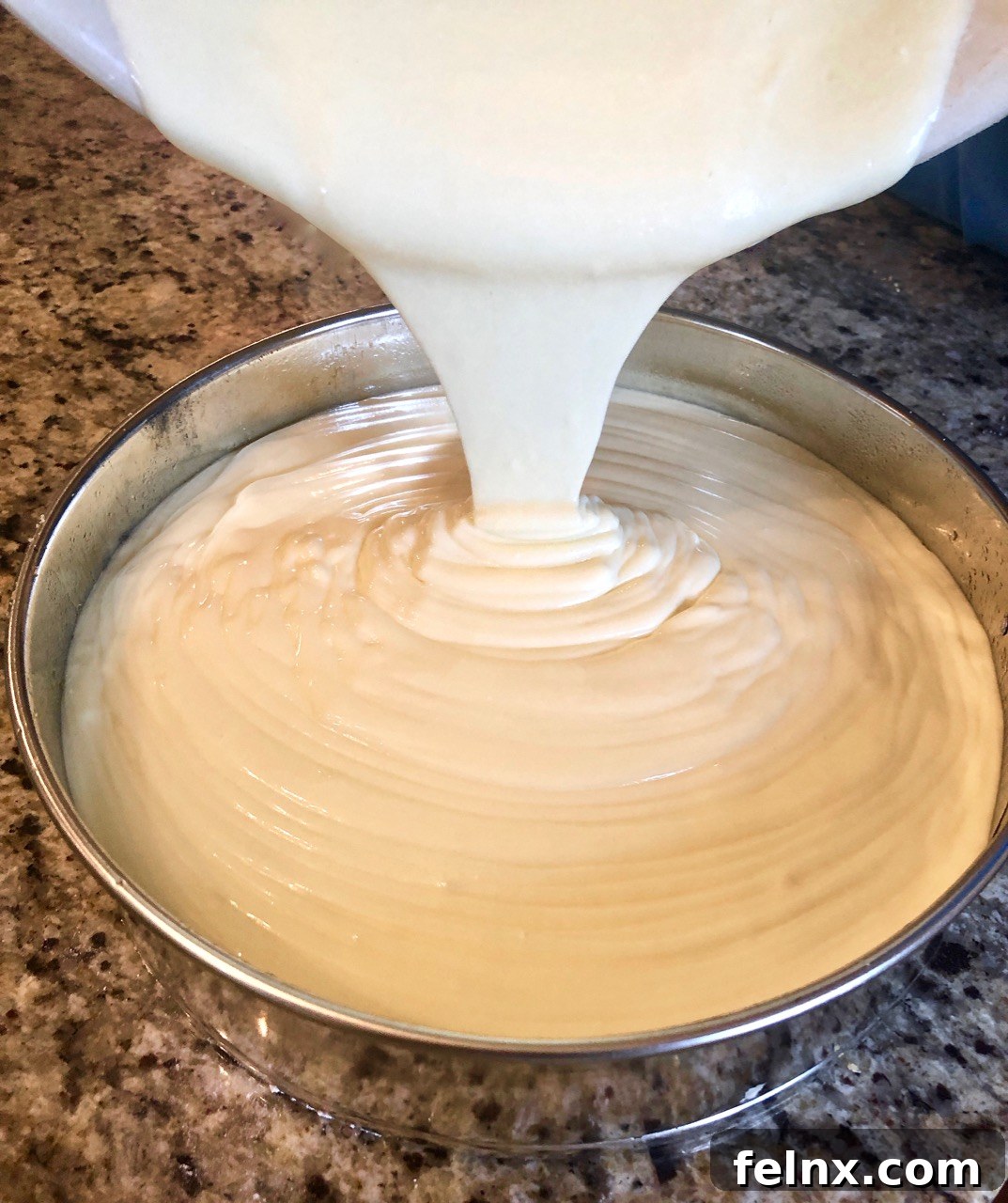
The pan will be quite full, which is exactly what we want for a tall, New York-style appearance. Now, it is time to bake.
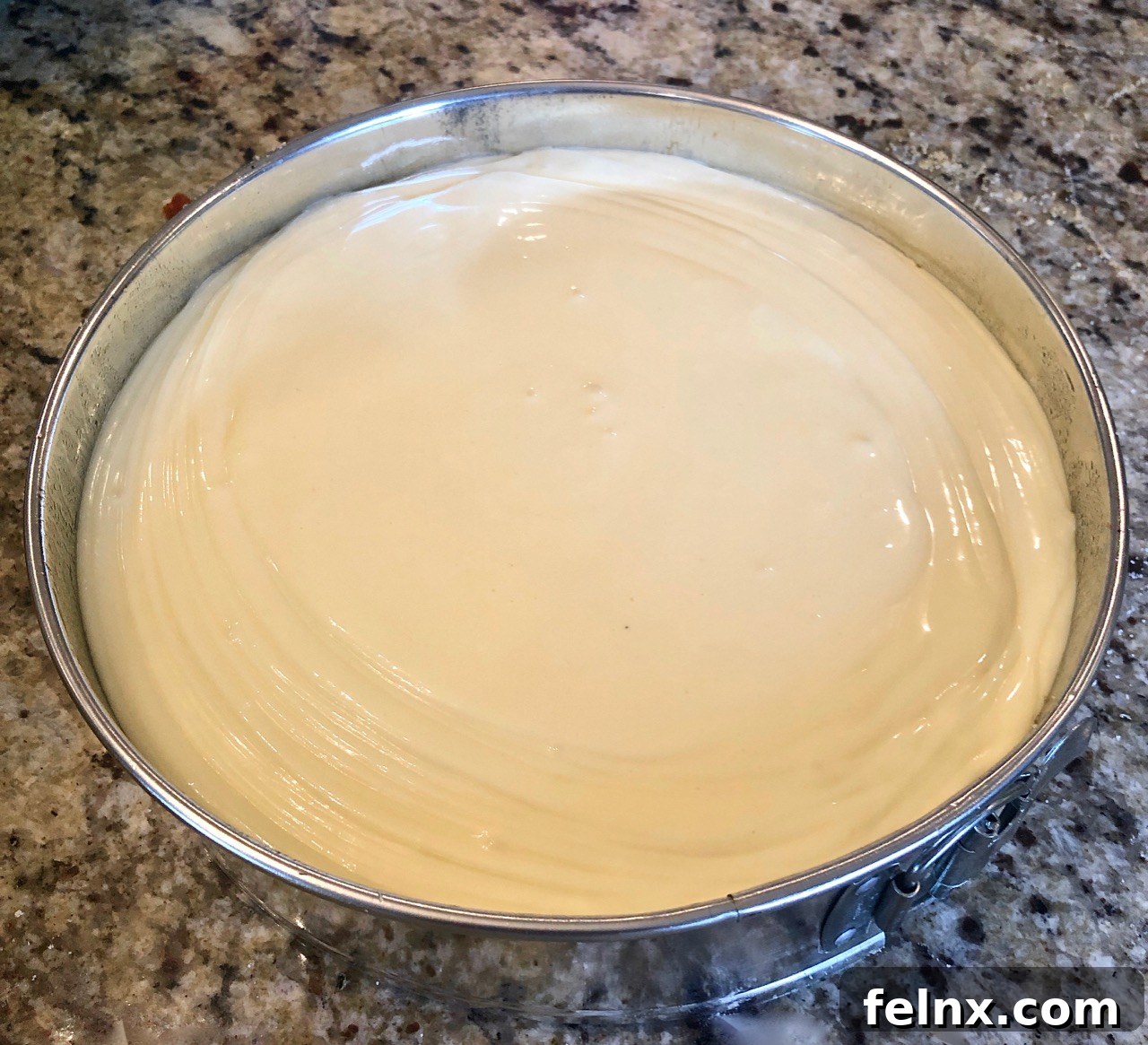
Place the pan on a baking sheet or pizza pan before putting it in the oven. This catches any potential butter drips from the crust and protects your oven floor. Bake at 500°F for exactly 12 minutes. This high initial heat sets the outer edge and creates a beautiful structure.
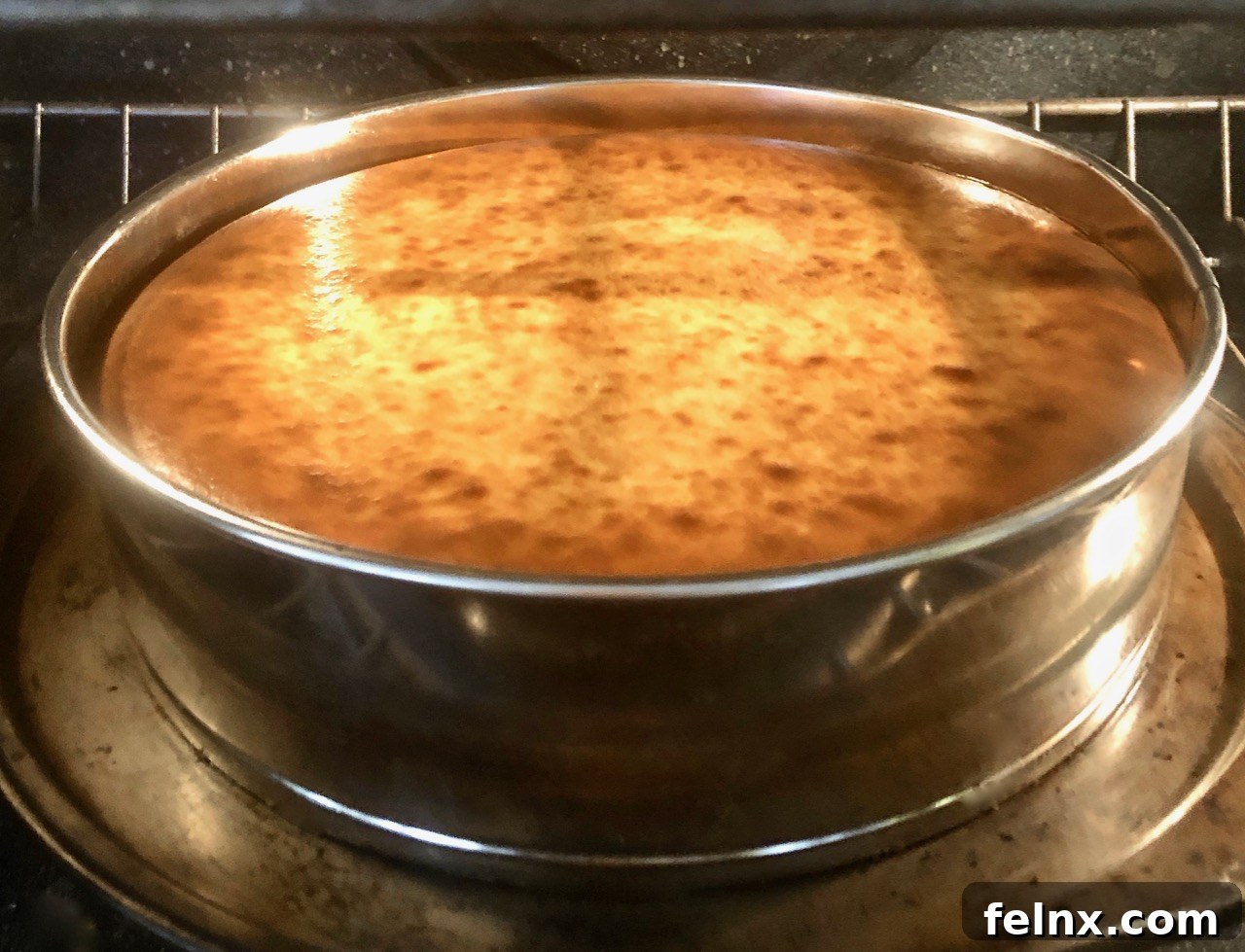
After 12 minutes, do NOT open the oven door. Simply turn the temperature down to 200°F (95°C) and bake for another 50 minutes. If you notice the top browning too quickly, you can quickly slide a piece of aluminum foil over it during the final stages.
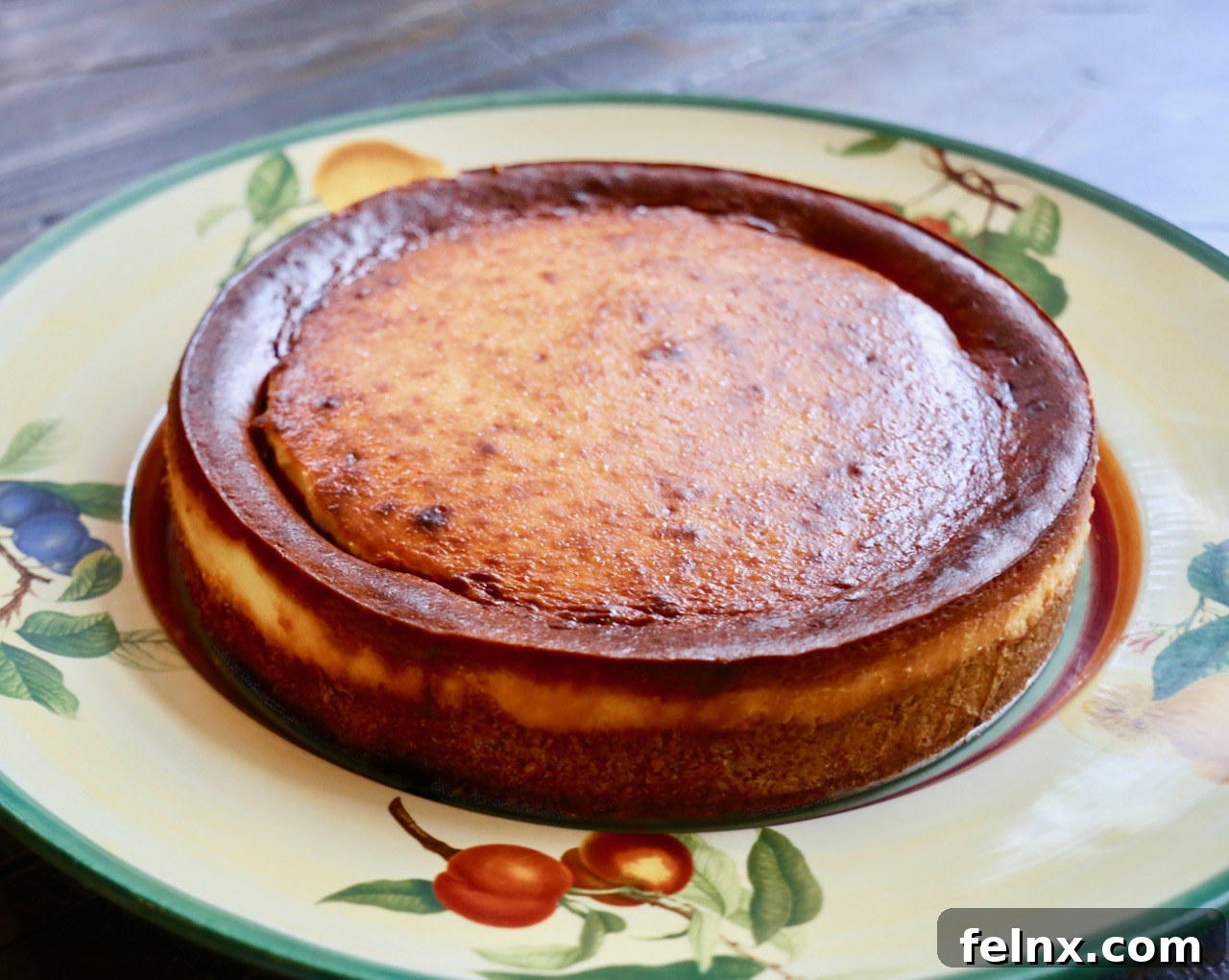
Once finished, remove the cake from the oven and let it cool completely at room temperature. This gradual cooling is essential. Once it reaches room temperature, refrigerate it for at least 24 hours. Patience is the secret ingredient here; the texture needs time to set into that velvety consistency we are aiming for.
Pro Tips for Cheesecake Perfection
- Plan Ahead: A great cheesecake cannot be rushed. It needs 8 to 24 hours of chilling time to achieve the right density.
- Room Temperature is Non-Negotiable: Your cream cheese, eggs, and cream must be at room temperature. This ensures they emulsify perfectly, resulting in a smooth batter without lumps.
- Don’t Over-Beat the Eggs: Once you add the eggs, keep the mixing to a minimum. Too much air causes the cake to rise like a soufflé and then collapse, creating deep cracks.
- The “Jiggle” Test: Your cheesecake is done when the edges are set and slightly puffed, but the center still has a slight wobble like Jell-O. It will firm up completely in the fridge.
- Hide the Flaws: If your cheesecake does happen to crack, don’t worry! That is what toppings are for. A generous layer of cherry or strawberry filling makes any minor imperfection disappear.
The Recipe
Creamy, Dreamy Cherry Cheesecake
This recipe uses 5 full packages of cream cheese, making it a truly decadent treat. It is designed to be tall, rich, and incredibly smooth.
Ingredients:
- 2-1/2 cups graham cracker crumbs
- 1/3 cup sugar (for crust) + 1-3/4 cups sugar (for filling)
- 1/2 cup butter, softened
- 5 packages (8 oz each) cream cheese, room temperature
- 2 Tbsp freshly squeezed lemon juice
- 2 tsp vanilla extract
- 3 Tbsp all-purpose flour
- 1/4 tsp salt
- 5 large eggs + 2 egg yolks, room temperature
- 1/4 cup heavy whipping cream
- 3 cans cherry pie filling (drained of excess syrup)
- 1/2 tsp almond extract (optional, for the cherry topping)
Instructions:
- Preheat your oven to 500°F.
- Prepare the Crust: Mix crumbs, 1/3 cup sugar, and softened butter. Press into the bottom and slightly up the sides of a 10-inch springform pan.
- Make the Filling: Beat the cream cheese until smooth. Add lemon juice and vanilla.
- Gradually mix in 1-3/4 cups sugar, flour, and salt. Beat for 3 minutes until very creamy.
- Add eggs and yolks one at a time, mixing on low speed until just combined. Fold in the heavy cream.
- Baking: Pour the mixture into the pan. Bake at 500°F for 12 minutes. Reduce heat to 200°F and bake for 50 more minutes.
- Finishing: Run a knife around the edges immediately after removing from the oven to prevent sticking. Cool at room temperature, then chill for 24 hours. Top with cherries before serving.
How to Store Your Cheesecake
If you have leftovers (which is rare!), your cheesecake will stay fresh in the refrigerator for up to five days. Make sure to keep it covered with foil or plastic wrap to prevent it from absorbing other odors in the fridge. You can also freeze this cheesecake! Simply wrap slices or the whole cake in several layers of plastic wrap and foil. It can be stored in the freezer for up to three months. To serve, thaw it overnight in the refrigerator.
Enjoy the process of creating this beautiful dessert. With these tips and this specific method, you are well on your way to becoming the designated dessert maker for every family gathering. Happy baking!
If you enjoyed this recipe, please share it with your friends and pin it for later!