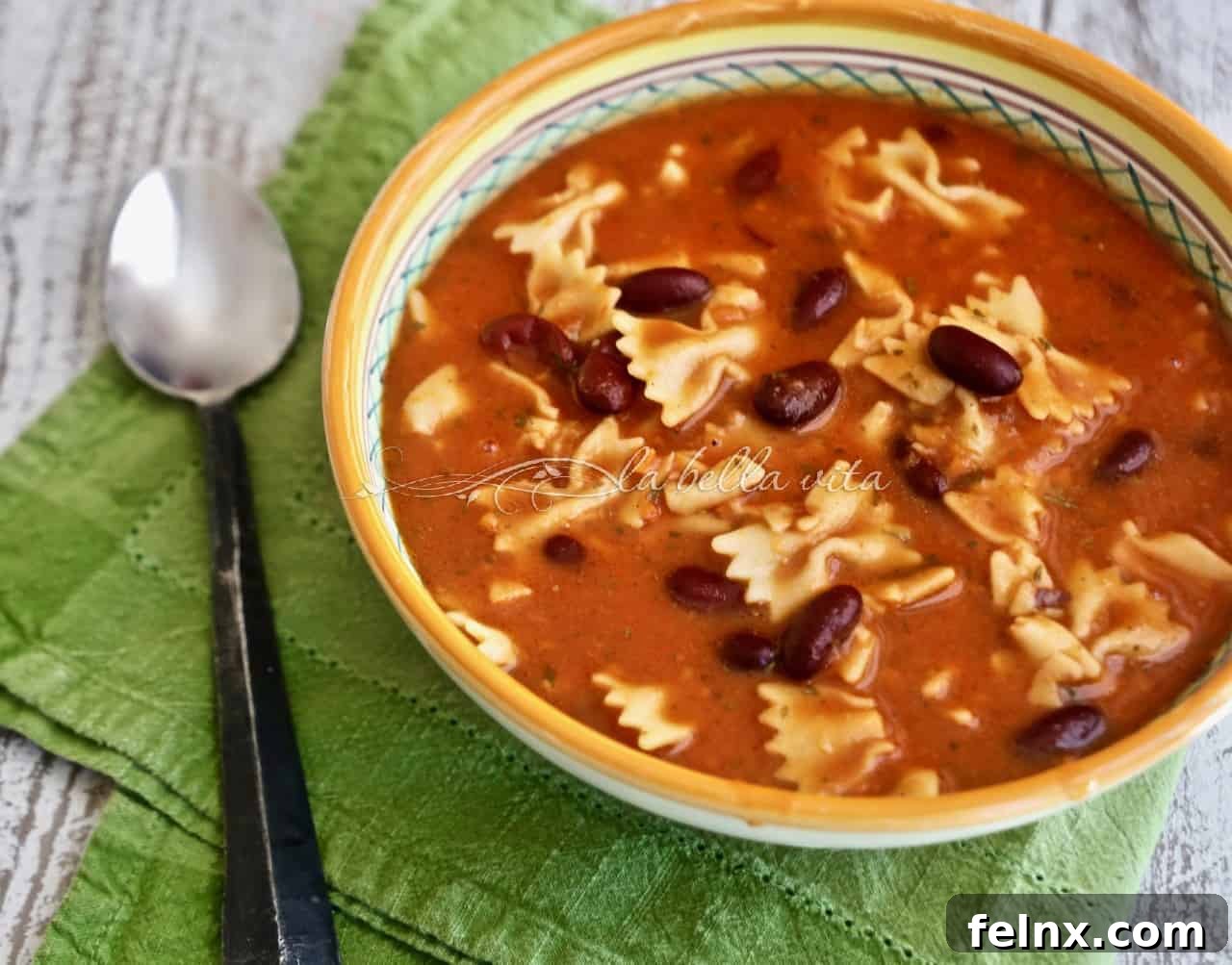
Authentic Minestra di Pasta e Fagioli: The Ultimate Italian Comfort Soup
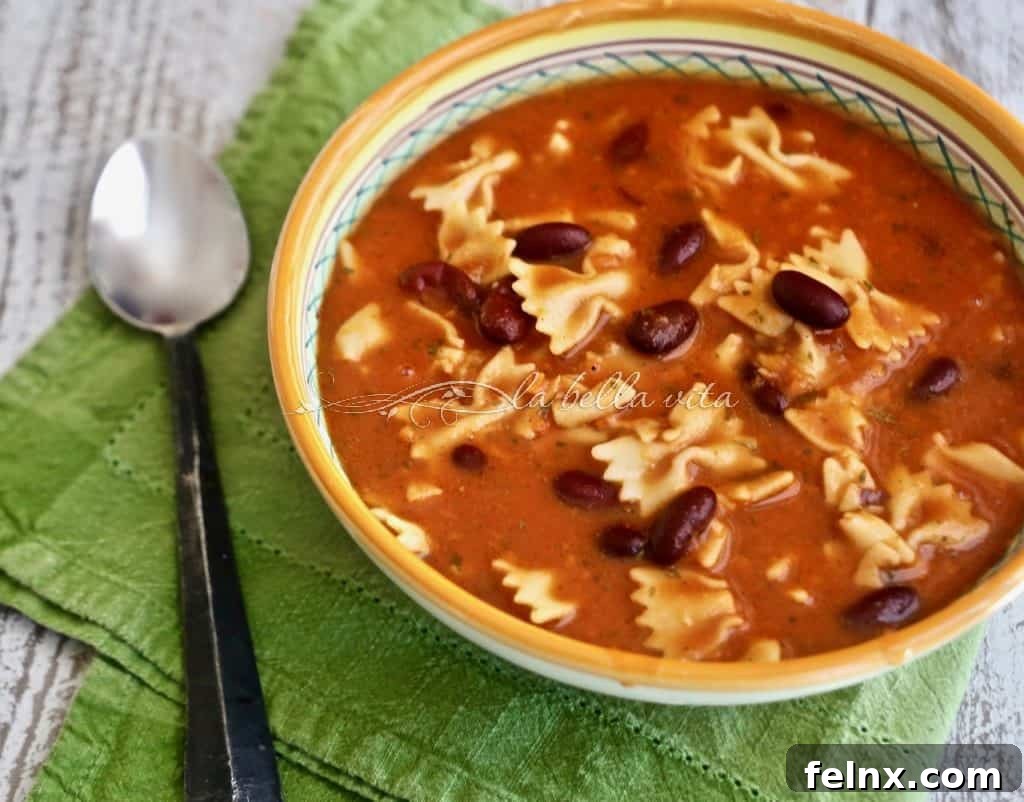
When the air turns crisp and the evenings grow chilly, there is one dish that stands above all others in the Italian kitchen: Minestra di Pasta e Fagioli. Often affectionately known in the Italian-American community as “Pasta Fazool,” this hearty pasta and bean soup is more than just a meal. It is a warm embrace, a piece of history, and a testament to the beauty of simple, wholesome ingredients.
Rooted in the tradition of cucina povera—literally “the cuisine of the poor”—this soup exemplifies how Italian families transformed humble staples like dried beans and small pasta shapes into a nutritional powerhouse. Today, we celebrate this legacy by sharing a family recipe passed down through generations, ensuring that the flavors of Northern Italy remain alive in your kitchen.
The Essence of Cucina Povera
To understand Pasta e Fagioli, one must understand the philosophy of cucina povera. For centuries, rural families across Italy relied on what they could grow and preserve. Meat was a luxury, but beans provided the necessary protein, and grain-based pasta offered the calories needed for a hard day’s work. This “food of the poor” eventually became the comfort food of a nation.
Every region, and indeed every family, has its own version of this classic. In Tuscany, where the people are jokingly called mangiafagioli (bean eaters), the soup is thick and savory. In the North, it might be flavored with a bit of lard or pancetta, while in the South, it often carries a hint of chili flakes. Regardless of the variation, the core remains the same: it must be filling, restorative, and made with love.
What Makes a Recipe “Authentic”?
There is often a debate among food enthusiasts about what constitutes an “authentic” Pasta e Fagioli. Some insist on specific beans, while others argue over the thickness of the broth. However, true authenticity doesn’t come from a textbook; it comes from the lineage of your own family. The ingredients available to a family in a small mountain village in the North would naturally differ from those available to a family on the Mediterranean coast.
In our family, authenticity is the memory of a mother or grandmother standing over a steaming pot, the aroma of garlic and rosemary filling the home. Whether you use dark red kidney beans or creamy cannellini beans, the result is authentic if it reflects the traditions and adaptations of your heritage. This recipe is a tribute to those immigrant families who brought their culinary wisdom across the ocean, keeping their culture alive one bowl of soup at a time.
Key Ingredients for the Perfect Pasta e Fagioli
Creating a deep, complex flavor in a simple soup requires attention to the base ingredients. Here is what you will need for this soul-warming dish:
- The Soffrito: This is the holy trinity of Italian cooking. A mix of finely chopped onion, celery (including the leaves), and carrots sautéed in high-quality olive oil. This base provides the foundational layer of sweetness and aroma.
- Garlic and Parsley: Freshly minced garlic and a generous bunch of Italian flat-leaf parsley add brightness and a savory punch.
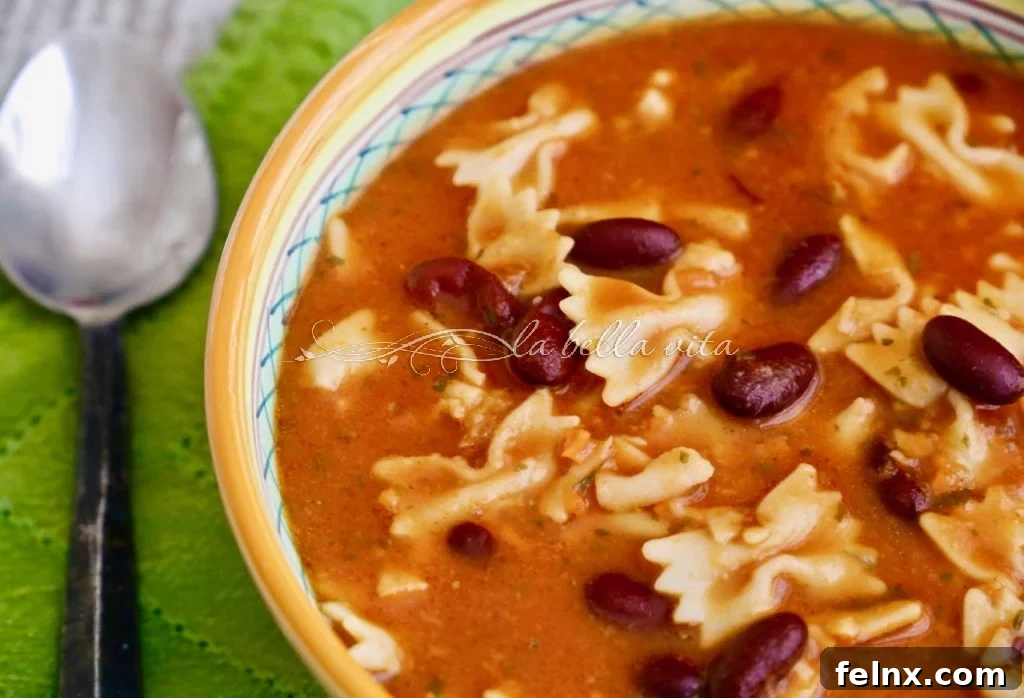
- The Beans: While cannellini beans are traditional, many families prefer dark red kidney beans for their robust flavor and the way they hold their shape. If using dried beans, remember to soak them overnight for the best texture.
- Tomato Paste: Using imported Italian tomato paste gives the broth a rich, deep red color and a concentrated umami flavor that canned tomatoes sometimes lack.
- The Secret Ingredient: A chunk of Parmigiano-Reggiano rind. Dropping a cheese rind into the simmering broth releases a salty, nutty depth that makes the soup irresistible.
- The Pasta: Ditalini is the classic choice, but small shells or even broken pieces of spaghetti work perfectly. The key is to keep the pasta small so it fits on a spoon with the beans.
Step-by-Step Instructions
Follow these steps to create a masterpiece of Italian comfort cooking:
1. Prepare the Beans
If you are using dried beans, cover them with plenty of water and let them soak for at least 8 to 12 hours. This softens the skin and reduces cooking time. After soaking, drain and rinse them thoroughly. If you are using canned beans, be sure to rinse them under cold water to remove the metallic taste of the canning liquid.
2. Sauté the Soffrito
In a large, heavy-bottomed pot, heat a generous splash of olive oil over medium heat. Add your chopped onion, carrots, and celery. Cook these slowly until they are soft and translucent. This process, known as “sweating” the vegetables, is crucial for building flavor.
3. Add Aromatics
Once the vegetables are soft, add the minced garlic and chopped parsley. Sauté for about 60 seconds—just until the garlic is fragrant. Be careful not to burn the garlic, as it can turn bitter.
4. Build the Broth
Stir in the tomato paste and let it cook for a minute to caramelize slightly. Then, add your water or vegetable broth. For a richer flavor, you can use a mix of both. Bring the liquid to a gentle boil.
5. Simmer and Season
Add the beans and that precious chunk of Parmigiano cheese rind. Reduce the heat to low, cover the pot, and let it simmer. If using dried beans, this may take an hour or more. If using canned beans, 20-30 minutes is enough to let the flavors marry. Season with sea salt and freshly ground black pepper to taste.
6. The Pasta Secret
To prevent the pasta from soaking up all the broth and becoming mushy, boil it in a separate pot of salted water. Only cook it halfway (about 5 minutes). Drain the pasta and then add it to the main soup pot to finish cooking. This ensures the pasta is al dente and the broth remains clear and plentiful.
7. The Resting Period
Italian wisdom says that Pasta e Fagioli is always better after it rests. Let the soup sit for at least 15 to 20 minutes before serving. This allows the starch from the pasta to thicken the broth naturally. In fact, many believe this soup is at its absolute peak the next day!
Serving and Storage Tips
Presentation is everything. Serve your Minestra di Pasta e Fagioli in warmed bowls. Top each serving with a drizzle of extra virgin olive oil and a heavy dusting of freshly grated Parmigiano-Reggiano or Pecorino Romano cheese. Most importantly, serve it with a loaf of crusty, artisanal Italian bread. You will need it to sop up every last drop of the savory broth.
If you have leftovers, keep in mind that the pasta will continue to absorb liquid as it sits in the fridge. When reheating, you may need to add a splash of water or broth to bring it back to your desired consistency. This soup freezes exceptionally well—just consider freezing the bean base without the pasta, then adding fresh pasta when you are ready to eat it.
The Restorative Power of Soup
Beyond its delicious taste, Pasta e Fagioli is a powerhouse of nutrition. It is high in fiber, packed with plant-based protein, and relatively low in calories if you balance the pasta-to-bean ratio. It is a meal that restores both the body and the soul.
For many, this soup represents the resilience of their ancestors. It is a reminder that you don’t need expensive ingredients to create something world-class. You only need time, patience, and a respect for the ingredients. Whether you are following a strict family recipe or making it your own for the first time, you are participating in a beautiful, centuries-old tradition.
Enjoy Your Homemade Pasta e Fagioli!
We hope this recipe brings warmth and joy to your dinner table. There is nothing quite like the satisfaction of a home-cooked Italian meal, especially one with such a rich history. Share it with your friends, pass it down to your children, and always remember the “cucina povera” roots that made it possible.