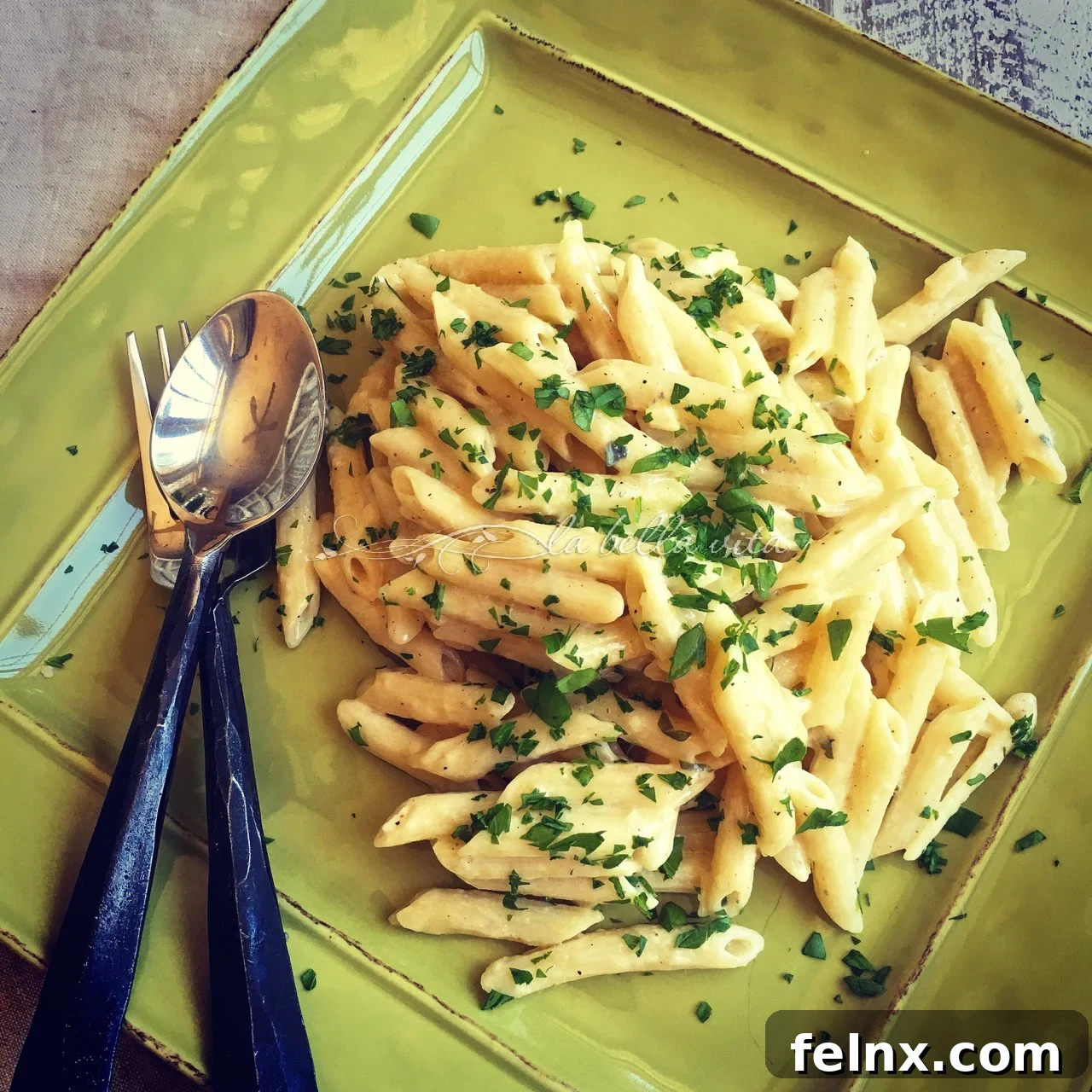
The Ultimate Guide to Authentic Pasta Quattro Formaggi: A Cheese Lover’s Dream
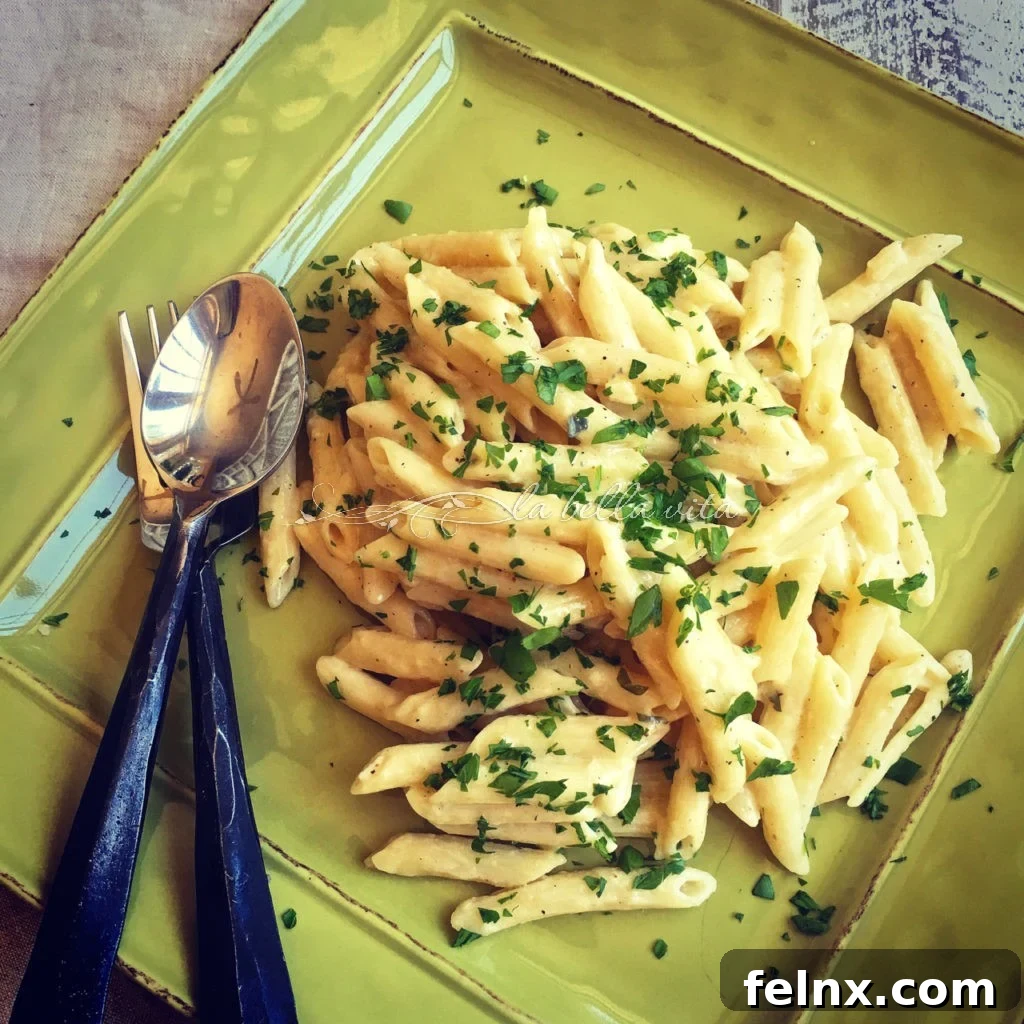
There is something universally comforting about a bowl of pasta enveloped in a rich, velvety cheese sauce. For cheese enthusiasts, Pasta Quattro Formaggi (Italian for “Four Cheese Pasta”) represents the pinnacle of culinary indulgence. This classic Italian dish is more than just “macaroni and cheese” grown up; it is a sophisticated symphony of flavors that balances sharpness, creaminess, and saltiness in every bite.
Whether you are cooking for a family gathering, a quiet Sunday supper, or looking for a dish that will make children scream for second helpings, this recipe is a guaranteed winner. In this guide, we will explore the nuances of selecting the best cheeses, the technical secrets to a smooth sauce, and how to master this decadent meal in your own kitchen.
The Magic of the Four Cheeses
The soul of Pasta Quattro Formaggi lies in the selection of the cheeses. While you can technically use any four varieties you have in your refrigerator, the most traditional Italian versions rely on a specific balance of textures and flavor profiles. Typically, you want a combination of a hard aged cheese, a soft melting cheese, a blue cheese for punch, and a mild creamy cheese.
1. Gorgonzola: The Bold Soul
Gorgonzola is a veined Italian blue cheese, made from unskimmed cow’s milk. It can be “Dolce” (sweet and creamy) or “Piccante” (sharp and crumbly). In a Quattro Formaggi sauce, Gorgonzola provides that unmistakable depth and tang that cuts through the richness of the cream. Even if you aren’t a fan of blue cheese on its own, when melted into this sauce, it creates a complex savory base that is irreplaceable.
2. Parmigiano-Reggiano: The King of Cheeses
No Italian pasta dish is complete without the umami-rich hit of real Parmesan. High-quality Parmigiano-Reggiano adds a nutty, salty finish. Because it is an aged cheese, it doesn’t melt into a “stretchy” texture but rather dissolves into the sauce, thickening it and providing a foundational saltiness that enhances all other ingredients.
3. Fontina: The Master Melter
Hailing from the Aosta Valley, Fontina is prized for its incredible melting capabilities. It has a mild, somewhat earthy flavor with a buttery texture. It acts as the “glue” that binds the sauce together, ensuring that every strand or tube of pasta is coated in a smooth, luxurious film.
4. Asiago or Provolone: The Versatile Finisher
The fourth cheese often varies by region. Many chefs prefer Asiago for its mild, milky flavor, while others opt for Provolone for a bit more stretch. Some modern variations even use Mozzarella for that classic cheese-pull or Mascarpone for an ultra-creamy, almost dessert-like richness. In our featured recipe, we use Asiago to keep the flavor profile authentically Northern Italian.
Choosing the Right Pasta Shape
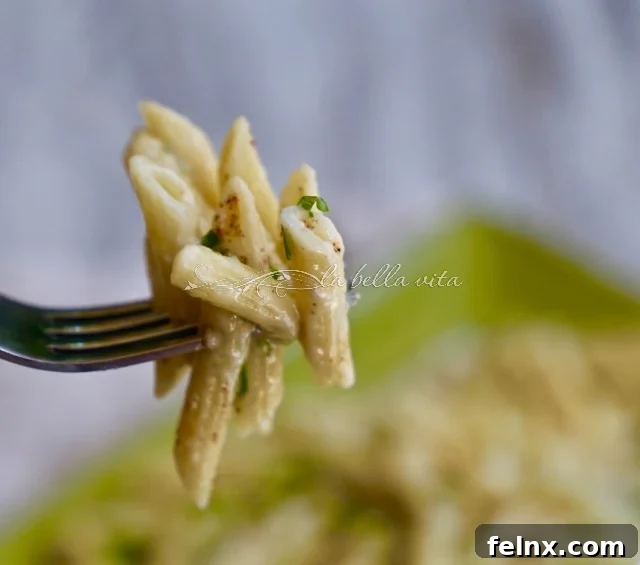
When dealing with a sauce as thick and flavorful as Quattro Formaggi, the shape of the pasta matters immensely. You want a “short” pasta with ridges or holes that can “trap” the cheese sauce. Penne Mezze or standard Penne Rigate are excellent choices because the hollow center fills with sauce, ensuring a burst of flavor in every mouthful. Other great options include Rigatoni, Fusilli (the spirals catch the sauce beautifully), or even Conchiglie (shells), which act like little scoops for the melted cheese.
The Secret Ingredients: Nutmeg and Pasta Water
While cheese is the star, two secondary ingredients elevate this dish from good to restaurant-quality: nutmeg and starchy pasta water. A small dash of ground nutmeg is a classic Italian secret for any cream or cheese-based sauce. It doesn’t make the dish taste like a spice cake; rather, it highlights the floral notes of the dairy and adds a subtle warmth that rounds out the sharp cheeses.
The pasta water is equally vital. Before you drain your pasta, always reserve a cup of that cloudy, salty liquid. Adding a splash of this water to your cheese sauce helps emulsify the fats and creates a silkier texture that clings to the pasta instead of sliding off to the bottom of the bowl.
Authentic Pasta Quattro Formaggi Recipe
This recipe focuses on simplicity and technique to ensure the cheeses melt perfectly without clumping or burning.
Ingredients
- Pasta: 1 lb. Penne Mezze or short Penne.
- Cream: ½ cup heavy whipping cream (this provides the silky base).
- Gorgonzola: 1 cup, broken into small pieces or chunks.
- Parmigiano: ½ cup, freshly grated.
- Fontina: 1 cup, freshly grated.
- Asiago: ½ cup, freshly grated.
- Olive Oil: 2 Tbsp. extra virgin olive oil.
- Garlic: 1-2 large cloves, finely minced.
- Spice: 1-2 dashes of ground nutmeg.
- Fresh Herbs: 4 Tbsp. Italian parsley, minced (for garnish).
- Seasoning: Freshly cracked sea salt and black pepper to taste.
Detailed Instructions
1. Preparing the Pasta
Bring a large pot of water to a rolling boil. Add at least 4 tablespoons of salt; the water should taste like the sea. Add your penne and cook for about 5 to 6 minutes. You want the pasta to be al dente—firm to the bite—because it will continue to cook slightly when tossed in the hot cheese sauce. Important: Do not discard the pasta water yet.
2. Aromatics and Cream Base
While the pasta is boiling, set a large saucepan over medium-low heat. Add the extra virgin olive oil and the minced garlic. Sauté the garlic gently for about 2 minutes. Be careful not to let the garlic brown or burn, as this will introduce a bitter flavor to your delicate sauce.
3. The Melting Process
Lower the heat to low. Pour in the heavy whipping cream and immediately add the Gorgonzola, Parmigiano, Fontina, and Asiago. It is crucial to use low heat here; high heat can cause the cheese to separate and become oily or grainy. Stir continuously until the cheeses have melted into a uniform, creamy sauce. Stir in the nutmeg, salt, and black pepper.
4. Emulsifying the Dish
Once the pasta is ready, use a hand strainer or slotted spoon to transfer the pasta directly from the boiling water into the cheese sauce. This allows a little bit of the starchy water to travel with the pasta. Once all the pasta is in the pan, add a small ladle-ful (about ¼ cup) of the reserved pasta water. Toss everything together vigorously.
5. Final Adjustments
Taste the pasta. If the sauce is too thick, add another splash of pasta water or a tablespoon of cream. If you prefer a stronger flavor, sprinkle in a bit more Gorgonzola or Parmigiano. The heat of the pasta will melt these final additions quickly.
6. Garnish and Serve
Transfer the creamy pasta to a large warmed platter or individual bowls. Garnish generously with freshly minced Italian parsley. The green of the parsley provides a beautiful visual contrast and a fresh bite to cut through the richness. Serve immediately while the sauce is at its creamiest.
Pro Tips for Success
- Grate Your Own Cheese: Avoid pre-shredded cheeses found in bags. These are often coated in potato starch or cellulose to prevent clumping, which can result in a grainy or “gummy” sauce. Grating your own cheese from the block ensures a perfect melt.
- Temperature Control: If the sauce starts to look oily, your heat is too high. Remove the pan from the burner immediately and stir in a teaspoon of cold cream to bring the temperature down and re-emulsify the sauce.
- The “Al Dente” Rule: Pasta continues to absorb liquid after it’s cooked. By undercooking it slightly in the water, it absorbs the flavorful cheese sauce instead of plain water, making the final dish much more savory.
How to Reheat Leftovers
If you find yourself with leftovers, don’t worry! While cheese sauces can be tricky to reheat, it is entirely possible to restore that creamy texture. Place the leftover pasta in a pan over low heat and add a splash of milk or heavy cream. Stir gently as it warms up. The added liquid will loosen the tightened cheese fats and bring the sauce back to its original glory. Avoid the microwave if possible, as it tends to make the cheese oily.
A Meal to Remember
Pasta Quattro Formaggi is the ultimate indulgence. It’s a dish that celebrates the rich agricultural heritage of Italy and the simple joy of high-quality ingredients. Forget the calorie counting for one evening and immerse yourself in the decadent, cheesy bliss of this Mediterranean classic. Whether it’s a cold winter night or a celebratory Sunday lunch, this pasta is sure to bring smiles to the table.