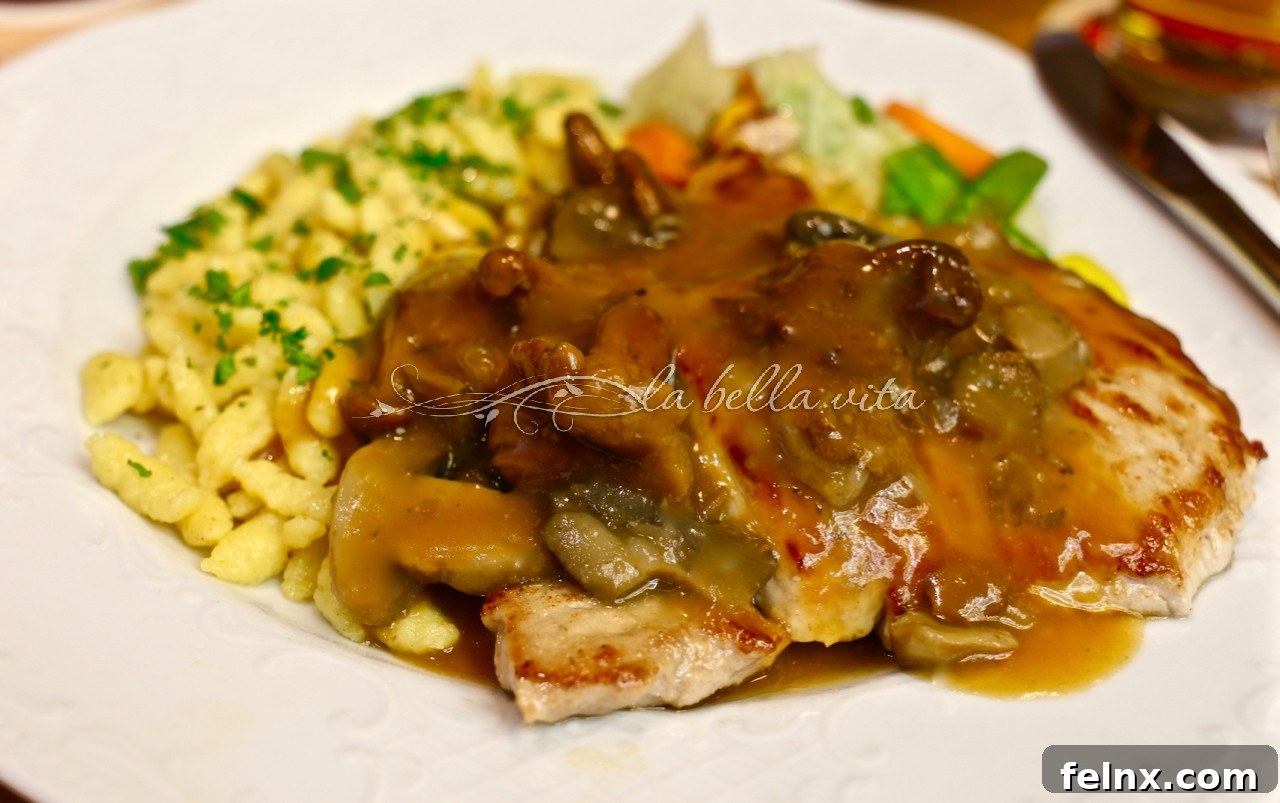
Authentic German Jägerschnitzel Recipe: The Ultimate Oktoberfest Comfort Food
October brings a unique atmosphere that blends the spooky excitement of Halloween with the rich, cultural heritage of Germany. While many people focus on costumes and candy, others look forward to the “rib-sticking” comfort food that defines the German tradition of Oktoberfest. This season is the perfect time to explore hearty recipes that warm the soul and satisfy the appetite, especially as the air turns crisp and the leaves begin to fall.
For those who live in more rural areas where trick-or-treaters are a rare sight, seasonal priorities often shift. Instead of preparing bowls of candy, the focus turns to the kitchen. Celebrating Oktoberfest at home becomes a ritual—a way to honor heritage and enjoy world-class cuisine. German food is famous for being substantial and satisfying, making it the ideal choice for autumn gatherings. Whether you have German roots or simply an appreciation for authentic flavors, mastering a classic dish like Jägerschnitzel is a rewarding culinary journey.
The Heart of Bavarian Comfort Food
Germany is a land of “meat and potatoes,” a culinary landscape where every meal is designed to provide energy and warmth. This is particularly true in Bavaria, where the winters can be long and cold. In this region, food isn’t just sustenance; it’s a form of protection against the elements. If you aren’t strictly counting calories, German cuisine offers some of the most delicious experiences imaginable. The focus is on quality ingredients, rich sauces, and textures that range from the crunch of a perfect breading to the silkiness of a cream-based gravy.
One of the crown jewels of this tradition is the Jägerschnitzel. To understand this dish, one must understand its name. “Jäger” means “hunter” in German, so “Jägerschnitzel” literally translates to “Hunter’s Cutlet.” Traditionally, this style of preparation involved ingredients a hunter might find in the forest, primarily wild mushrooms. Today, it remains a staple in gasthofs (guesthouses) and restaurants across Germany, symbolizing the connection between the land and the table.
Understanding Jägerschnitzel: The Great Debate
As with many traditional recipes, there is a healthy debate among German chefs and home cooks about the “authentic” way to prepare Jägerschnitzel. The two main points of contention are the type of meat used and whether or not the meat should be breaded.
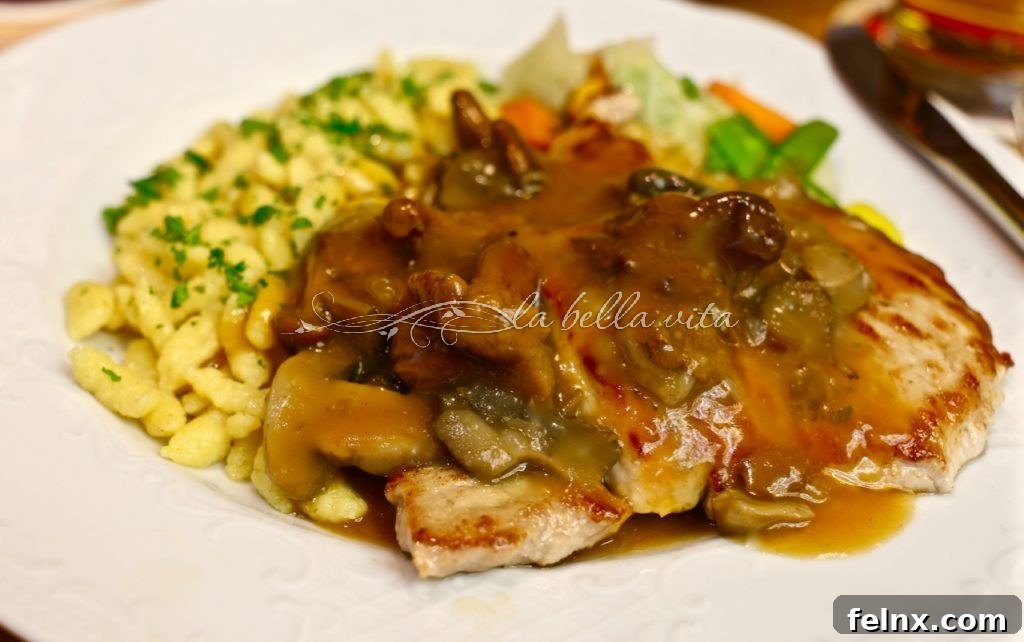
In some regions, veal is the preferred choice, similar to the world-famous Wiener Schnitzel. In others, pork is the standard. Regardless of the meat, the real magic lies in the mushroom sauce. Some traditionalists argue that a true Jägerschnitzel should not be breaded, as the sauce might soften the crust. However, many food lovers—including my own family—prefer the breaded version. The contrast between the crispy, golden-brown coating and the rich, velvety mushroom gravy creates a symphony of textures that is hard to beat.
The sauce itself is a masterpiece of simplicity. It typically features mushrooms—ranging from chanterelles (known as Pfifferlinge in Germany) to common button or cremini mushrooms—sautéed in butter and finished with cream and white wine. When served alongside Spaetzle (German egg noodles), mashed potatoes, or dumplings, it becomes the ultimate autumn meal.

A Culinary Inspiration from Füssen
The inspiration for a perfect Jägerschnitzel often comes from travel. One of the most beautiful places to experience authentic German fare is Füssen, a charming town located at the foot of the mountains in Bavaria. This area is famous for being home to Neuschwanstein Castle, the fairytale fortress built by King Ludwig II. After a day of exploring medieval architecture and strolling through cobblestone streets, there is nothing better than ducking into a local eatery like “Zum Hechten” to escape the mountain chill.

In these traditional Bavarian settings, the portions are generous and the flavors are deep. Watching a seasoned German chef prepare a cutlet—pounding it thin, breading it to perfection, and swirling a heavy cream sauce in a hot skillet—is a lesson in culinary craftsmanship. It’s these memories of authentic travel experiences that we try to bring back to our own kitchens during the Oktoberfest season.

Ingredients for the Perfect German Jägerschnitzel
To recreate this dish at home, you need fresh, high-quality ingredients. While the process is straightforward, the quality of the mushrooms and the thickness of the meat will make a significant difference in the final result.
For the Jäger Sauce:
- 2 tablespoons unsalted butter
- 1/2 cup finely chopped onion
- 1/4 teaspoon freshly minced garlic
- 1 lb. mushrooms, sliced (cremini, button, or wild mushrooms)
- 2 cups high-quality beef broth or stock
- 1/2 cup dry white wine (such as Riesling or Pinot Grigio)
- 1/2 cup plus 2 tablespoons heavy cream, divided
- 1 teaspoon whole grain mustard
- 1 teaspoon Worcestershire sauce
- 2 tablespoons all-purpose flour
- 1/4 teaspoon salt (adjust to taste)
- Freshly ground black pepper
- 3 tablespoons fresh parsley, chopped
- 1 teaspoon fresh thyme, chopped
- A dash of marjoram and a pinch of minced bay leaf
For the Schnitzel:
- 1 lb. pork or veal cutlets (approx. 1/2 inch thick before pounding)
- 3 large eggs, beaten
- 1 cup all-purpose flour
- 2 cups breadcrumbs (Panko offers an extra crunch, but traditional fine crumbs are also excellent)
- 1/4 teaspoon freshly minced garlic
- 1/4 teaspoon salt and freshly ground pepper
- 1/4 teaspoon cayenne pepper (optional, for a subtle hint of heat)
- 2 to 4 tablespoons unsalted butter for frying
For the Garnish:
- 1/4 cup fresh minced parsley
- 4 slices of thick-cut bacon, cooked until crispy and crumbled
Step-by-Step Cooking Instructions
1. Preparing the Savory Jäger Sauce
The sauce is the soul of this dish, so we begin here. Heat the unsalted butter in a large skillet over medium heat. Once the butter is melted and bubbling, add the chopped onions and garlic. Sauté them gently until they become translucent and fragrant, being careful not to burn the garlic.
Add the sliced mushrooms to the pan. Increase the heat slightly and brown the mushrooms for about 5 to 7 minutes. You want them to release their moisture and develop a deep, golden color. Pour in the beef broth and the white wine, allowing the mixture to simmer for a few minutes to reduce slightly. This concentrates the flavors.
Next, stir in 1/2 cup of the heavy cream, the mustard, Worcestershire sauce, and all the herbs (parsley, thyme, marjoram, and bay leaf). Bring the mixture to a gentle boil. In a separate small bowl, whisk together the remaining 2 tablespoons of cream and 2 tablespoons of flour to create a smooth slurry. Slowly whisk this slurry into the sauce. This will thicken the gravy into a rich, velvety consistency. Season with salt and pepper to taste, then turn off the heat and cover the pan with foil to keep it warm while you prepare the meat.
2. Preparing the Schnitzel
Place your pork or veal cutlets on a sturdy cutting board. Cover them with a sheet of plastic wrap to prevent any splashing. Using a kitchen mallet (the flat side), pound the meat until it is very thin—ideally about 1/4 inch thick or less. Pounding the meat not only ensures even cooking but also tenderizes the fibers, making the Schnitzel “melt-in-your-mouth” tender.
Set up a breading station with three shallow bowls. The first bowl should contain the flour mixed with salt, pepper, and cayenne. The second bowl contains the beaten eggs. The third bowl holds the breadcrumbs mixed with a bit of minced garlic.
Dredge each cutlet first in the flour, shaking off the excess. Dip it into the egg wash, and finally coat it thoroughly with breadcrumbs, pressing down gently to ensure the crumbs adhere well.
3. Frying to Golden Perfection
In a medium to large skillet, melt 2 to 4 tablespoons of butter over medium-high heat. Once the butter is hot, place the cutlets in the pan. Do not overcrowd the skillet; work in batches if necessary. Sauté the cutlets for about 3 to 4 minutes per side. You are looking for a beautiful golden-brown crust and meat that is cooked through but still juicy.
Once finished, transfer the cutlets to a serving platter. Reheat the Jäger sauce for a moment if needed, then pour a generous amount over the hot Schnitzel. Garnish with fresh parsley and the crumbled bacon for an extra layer of smoky flavor.
What to Serve with Jägerschnitzel
While Jägerschnitzel is a star on its own, the side dishes complete the Oktoberfest experience. Spaetzle is the most traditional accompaniment. These tiny egg noodles are excellent at catching the mushroom gravy. If you cannot find Spaetzle, buttery mashed potatoes or crispy fried potatoes (Bratkartoffeln) are wonderful alternatives.
To balance the richness of the cream sauce, consider adding a side of Rotkohl (sweet and sour red cabbage) or a fresh cucumber salad (Gurkensalat). These acidic and bright sides cut through the fat of the dish and cleanse the palate. And of course, no Oktoberfest meal is complete without a cold German lager or a glass of Riesling to wash it all down.
Pro Tips for Success
- Sauce Consistency: If you prefer an even thicker sauce, stir in a dollop of sour cream at the very end. This adds a nice tang and extra creaminess.
- Meat Choice: While pork is common, chicken breasts can also be used if you pound them thin, though the flavor profile will shift slightly.
- Don’t Skimp on Herbs: Fresh parsley and thyme provide a brightness that dried herbs simply cannot match.
Making Jägerschnitzel at home is more than just cooking a meal; it’s about bringing the warmth and hospitality of a Bavarian gasthof into your own dining room. This October, skip the standard fare and treat yourself to a dish that has been loved for generations. Happy Oktoberfest!
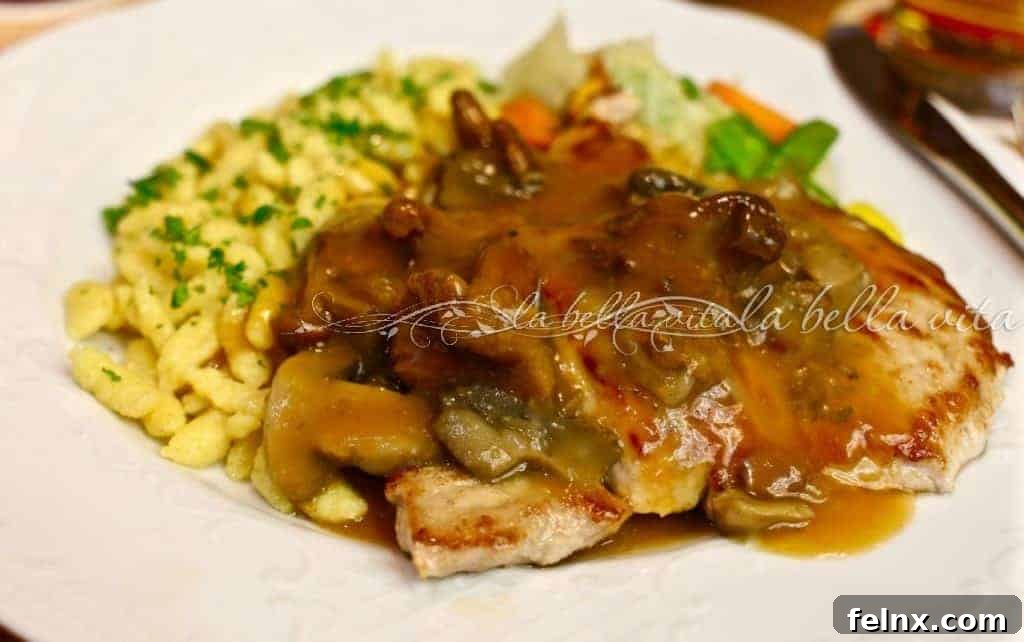
Did you try this Jägerschnitzel recipe?
We would love to see how your Oktoberfest celebration turned out! Please leave a comment below or share your photos on Instagram using the hashtag #GermanComfortFood. Bringing these traditional recipes to life is a wonderful way to celebrate the season!