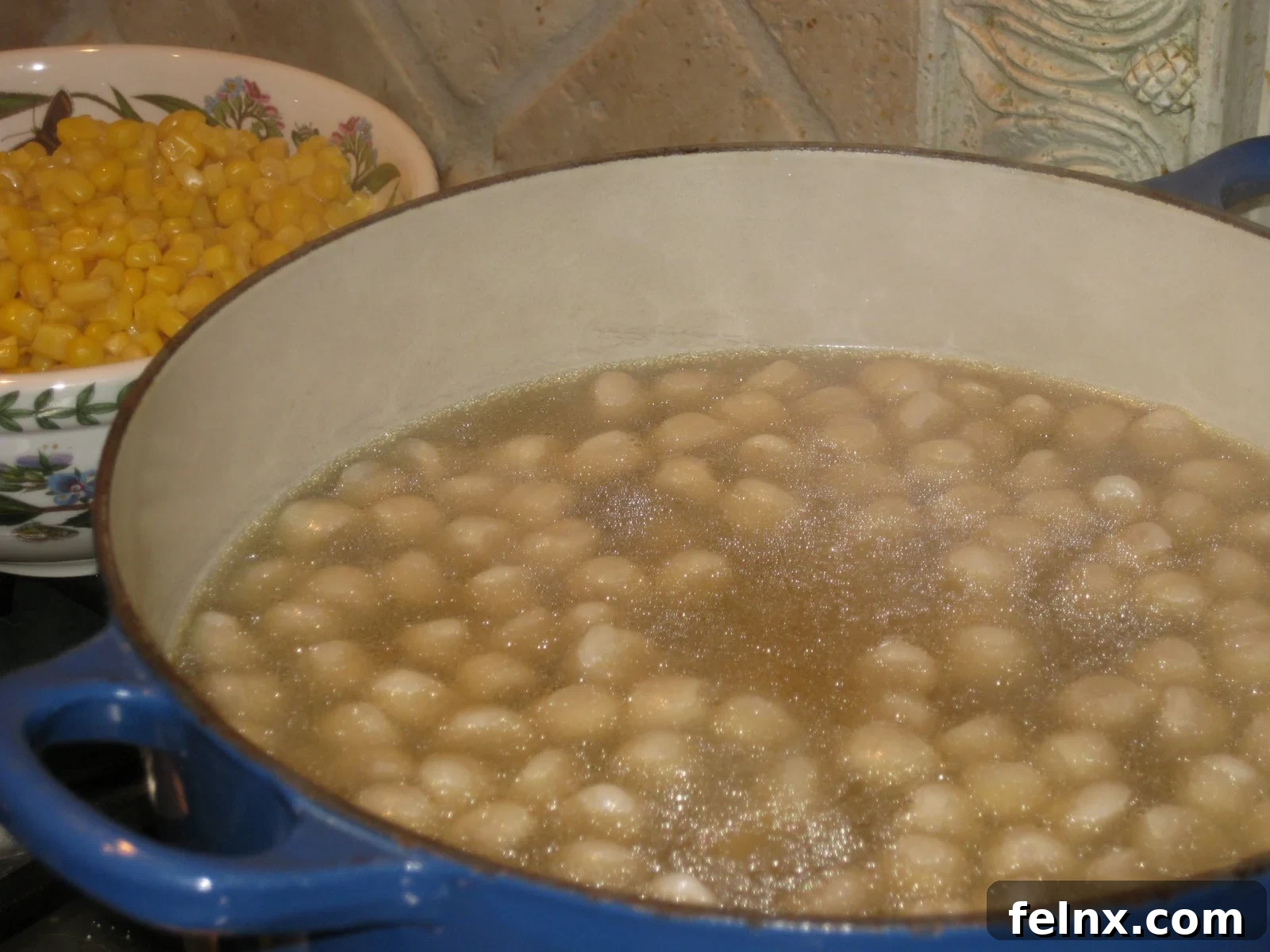
Tortellini en Brodo rising to the surface, the perfect sign of ‘al dente’ texture.
The Ultimate Guide to Authentic Tortellini en Brodo: A Timeless Italian Tradition
In the heart of Northern Italy lies the Emilia-Romagna region, widely celebrated as the culinary soul of the country. This is the land of Parmigiano Reggiano, balsamic vinegar from Modena, and world-class cured meats. It is also the birthplace of one of the most beloved dishes in Italian history: Tortellini en Brodo (Tortellini in Broth). For my family, whose roots trace back to this beautiful region, making these tiny, hand-folded pasta pockets is more than just cooking; it is a semi-annual ritual preserved for the most significant holidays: Easter, Thanksgiving, and Christmas.
When we gather to make tortellini, we don’t just make a single meal. We prepare roughly 1,000 at a time, freezing them to ensure that the taste of home is available throughout the season. While many people in the United States often associate tortellini with heavy cream sauces or pesto, the authentic Bolognese tradition dictates that they must be served in a rich, clarified homemade broth. This is the classic method, and today, I am sharing my family’s heirloom recipe so you can bring this authentic Italian experience to your own kitchen.
The Cultural Significance of the “Social Ritual”
Before diving into the ingredients, it is important to understand that making homemade tortellini is a labor of love. It is a social event that requires time, patience, and good company. In Italy, the “Sfoglina” (the pasta maker) is a respected figure, often a grandmother or mother who has mastered the art of rolling dough so thin you can see through it.
When you decide to embark on this journey, plan for at least half a day. Invite family members, pour a glass of fine Italian wine, and prepare for hours of conversation. The act of rolling the dough, placing the small dots of savory filling, and twisting each piece into its signature “belly button” shape is where the magic happens. It is a time for sharing stories and passing down techniques from one generation to the next.
Mastering the Golden Broth (Il Brodo)
The secret to exceptional Tortellini en Brodo lies in the clarity and depth of the broth. A traditional broth is never made from a cube or a carton; it is a slow-simmered extraction of meats and vegetables. Our family uses a combination of a large hen (chicken) and a beef roast with soup bones to create a multi-layered flavor profile.
The process of “clarifying” the broth is essential. After simmering for several hours, the liquid must be strained through fine tea towels. This removes all impurities and fat, leaving behind a liquid that is clear, golden, and incredibly savory. This clarity allows the delicate flavor of the tortellini to shine without being overwhelmed by grease or cloudiness.
Authentic Tortellini in Brodo Recipe
Ingredients for the Pasta and Filling
1. The Tortellini Egg Pasta Dough
- 1 cup Semolina flour (essential for texture)
- 3/4 cup regular All-purpose flour
- 2 Jumbo eggs
- 1–2 Tbsp Olive oil
- 1 Tbsp Whole milk (helps the pasta seal)
- 2 Tbsp Water
- 1/2 tsp Salt
2. The Savory Filling
- 1 lb Ground cooked veal (drained and cooled)
- 1/4 lb Prosciutto (finely ground)
- 1/4 lb Mortadella (finely ground)
- 1 Jumbo egg (beaten)
- 1 Tbsp Freshly ground nutmeg (the secret ingredient)
- 1/3 cup Grated Pecorino Romano cheese
- 1/3 cup Grated Parmigiano Reggiano cheese
- 1/3 to 2/3 cup Plain bread crumbs (adjust for texture)
- Salt and pepper to taste
3. The Traditional Meat Broth (Brodo)
- 1 Large chicken or hen (approx. 6 lbs)
- 1 Round bone beef roast (approx. 4 lbs)
- 1 Package of soup bones
- 3 Carrots (peeled and cut)
- 3 Celery stalks (cut)
- 1 Large onion (quartered)
- 1/4 bunch Italian parsley
- Salt to taste
Step-by-Step Instructions
Preparing the Broth
Start your broth before you begin the pasta. Fill a tall stockpot 3/4 full with cold, filtered water. Add the chicken, beef, bones, and vegetables. Bring to a gentle simmer—never a rolling boil, as boiling makes the broth cloudy. Let it cook for 2 to 3 hours. Once finished, strain the liquid through a fine colander lined with clean tea towels. Repeat this process until the broth is transparent. For the best results, refrigerate the broth overnight and skim off the solidified fat the next morning.
Crafting the Filling
While the broth simmers, prepare the filling. The key is to achieve a fine, almost pasty consistency. Grind the prosciutto and mortadella in a food processor, taking care not to over-process them into a “mush.” Mix in the cooked veal, cheeses, nutmeg, and breadcrumbs. Add the egg last to bind everything together. The mixture should be salty, savory, and have a distinct hint of nutmeg.
Making the Pasta Dough
You can use the “well” method on a wooden board or a food processor. Combine the flours and create a hole in the center for the wet ingredients. Slowly incorporate the flour until a dough forms. Knead for 2 to 3 minutes until smooth but not sticky. Wrap in plastic and let it rest for 30 minutes. This resting period is crucial as it relaxes the gluten, making the dough easier to roll out into paper-thin sheets.
The Assembly
Roll the dough out until it is incredibly thin. Cut into small squares (about 1 inch). Place a tiny dot of filling in the center of each square. Fold the square into a triangle, seal the edges, and then wrap the two corners around your finger, pressing them together to form the classic tortellini shape. Each egg in your dough should yield approximately 100 tortellini if sized correctly.

Expert Tips for Success
- The “Windowpane” Test: Your pasta dough is thin enough when you can almost see the grain of the wooden table through it.
- Nutmeg is Key: Do not skimp on the nutmeg in the filling. It provides the signature aromatic finish that defines Modena-style tortellini.
- Freezing: If you aren’t eating them immediately, lay the tortellini on a floured baking sheet in a single layer and freeze. Once solid, transfer them to a freezer bag. Cook them directly from frozen—do not thaw.
- Don’t Overcook: Tortellini cook very quickly. As soon as they float to the top of the simmering broth, they are ready.
Serving Suggestions
To serve, bring your clarified broth to a light simmer. Drop the tortellini in and wait for them to rise to the surface. Ladle the broth and pasta into wide, shallow bowls. Authentic tradition suggests serving them with a generous dusting of freshly grated Parmigiano Reggiano on top. No other garnish is needed; the simplicity is what makes it spectacular.
Making Tortellini en Brodo is an investment in time, but the reward is a culinary masterpiece that connects you to centuries of Italian heritage. Whether it’s your first time or your fiftieth, the joy of sharing this meal with loved ones is incomparable. Enjoy the process, embrace the tradition, and Buon Appetito!
We would love to see your results! Leave a comment below or share your photos on Instagram using the hashtag #italianbellavita. If you have any questions about the folding technique or the broth-making process, don’t hesitate to reach out. Making authentic pasta takes practice, and we are here to help you every step of the way!