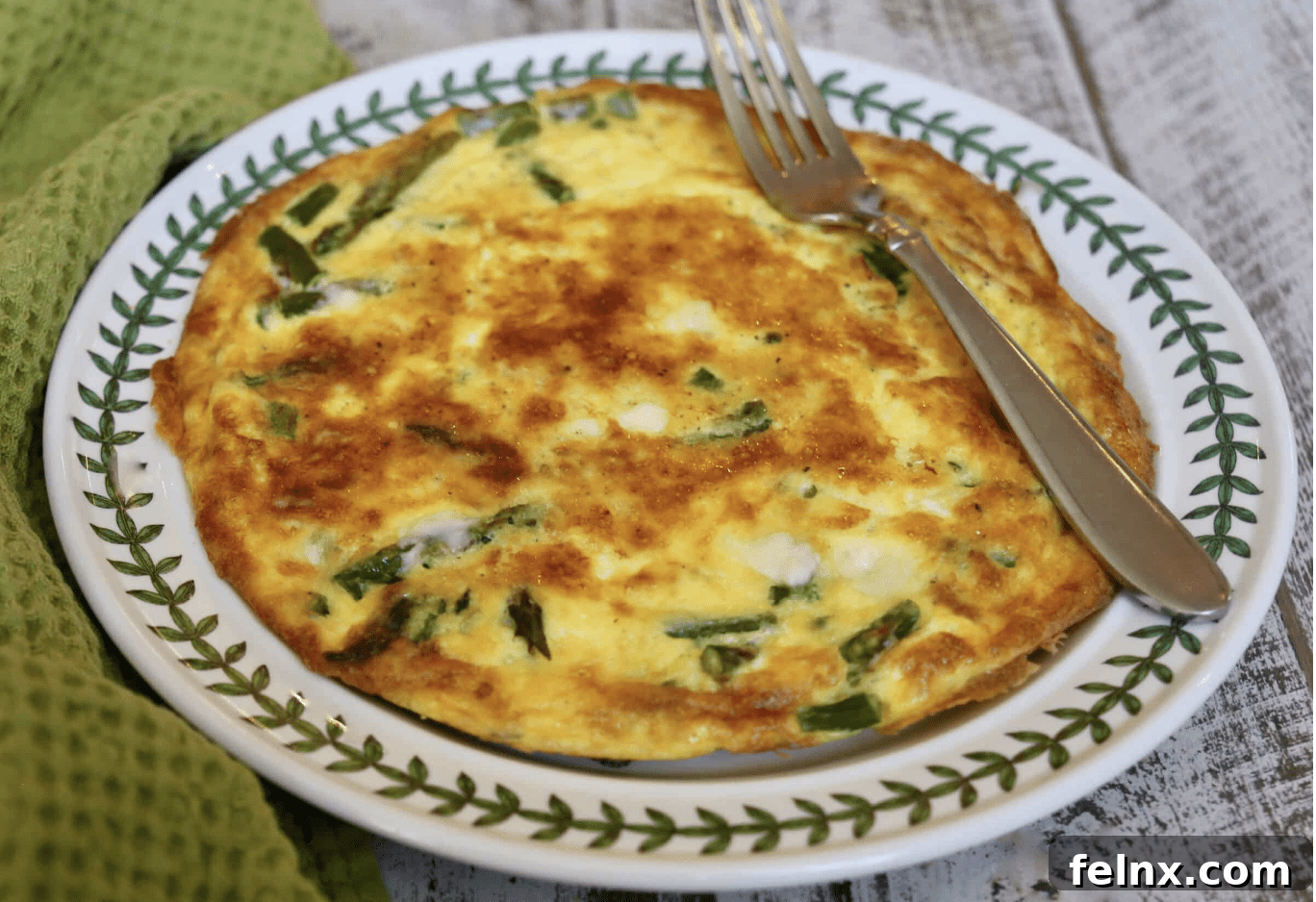
Mastering the Art of the Perfect Asparagus and Fontina Frittata
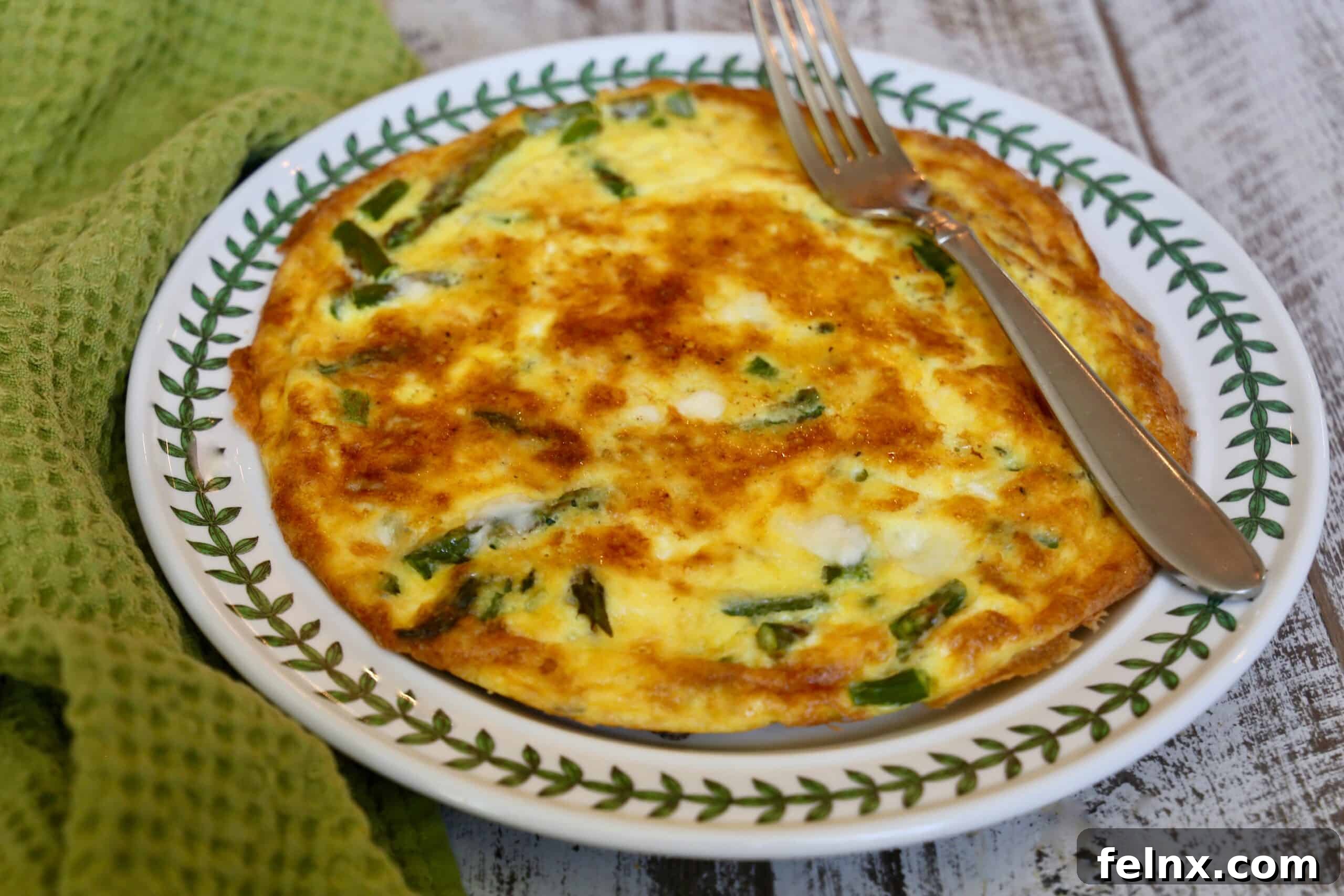
A frittata is more than just an Italian version of an omelet; it is one of the most versatile, convenient, and satisfying dishes you can master in the kitchen. Whether you are looking for a way to clear out your refrigerator, utilize seasonal vegetables, or prepare a sophisticated brunch, the frittata is your go-to solution. This specific recipe for Frittata with Asparagus and Fontina was born from the bounty of a post-Easter kitchen, making use of leftover tender asparagus to create something entirely new and elegant.
One of the greatest misconceptions about frittatas is that they are strictly breakfast food. In reality, their rustic charm makes them equally suitable for a light lunch, a quick weeknight dinner, or a centerpiece for a weekend brunch. They are incredibly portable, making them a fantastic option for office lunches or picnics. Because they can be served hot, at room temperature, or even cold, they fit perfectly into a busy lifestyle without sacrificing flavor or nutrition.
The Beauty of Versatility: Affordable and Delicious
The beauty of a frittata lies in its economy. With a few eggs and whatever ingredients you have on hand, you can create a high-quality meal for a fraction of the cost of dining out. By following a few fundamental techniques, you can transform simple pantry staples into a gourmet experience that looks as good as it tastes.
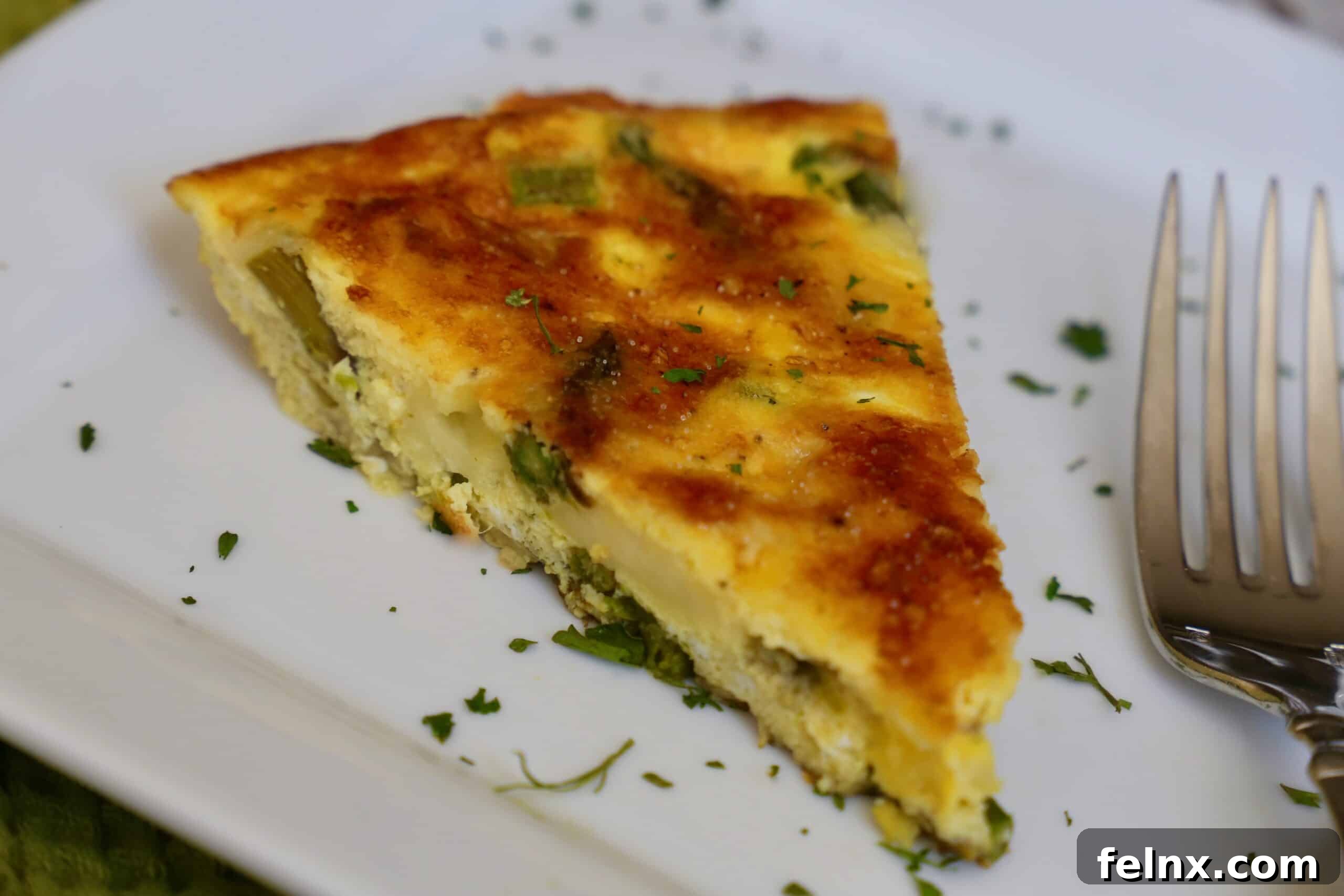
Professional Secrets for a Flawless Frittata
While the process is straightforward, there is a science to achieving that perfect, custard-like texture that separates a mediocre egg dish from a spectacular one. Follow these essential tips to ensure success every time you step into the kitchen.
1. Selecting the Right Pan
The choice of cookware is critical. For the best results, use a high-quality non-stick pan that allows the frittata to slide out effortlessly. However, many traditionalists prefer well-seasoned cast-iron pans for their superior heat retention and the beautiful crust they develop. Regardless of the material, the pan must be oven-safe. Aim for a 9-inch pan if you prefer a thicker, taller frittata. Using a larger 10-inch or 12-inch pan will result in a thinner dish that cooks much faster, so adjust your timing accordingly.
2. The Importance of High-Fat Dairy
To achieve a rich, creamy interior, you must use full-fat dairy. Ingredients like heavy whipping cream, whole milk, or half-and-half provide the necessary fat content to keep the eggs tender. Avoid using 2% or skim milk; these often result in a watery egg base that lacks the luxurious mouthfeel characteristic of a true Italian frittata. For a standard 12-egg frittata, use about 1/3 to 1/2 cup of dairy. If you are making a smaller 6-egg version, 2 to 3 tablespoons are sufficient.
3. Egg Selection and Preparation
Quality matters when it comes to eggs. Use large or jumbo-sized eggs for the best volume. When preparing the mixture, add your salt, pepper, and herbs before you start whisking. This ensures even distribution of flavor. Be careful not to overbeat the eggs; you want them just blended. Over-incorporating air can cause the frittata to puff up like a souffle in the oven and then collapse into a dense, flat layer once it hits the cooler air of your kitchen.
4. Sautéing Your Aromatics and Vegetables
Never add raw vegetables directly into the egg mixture. Vegetables contain a high percentage of water, which will release during the baking process and make your frittata soggy. Always start with a base of sautéed onions and garlic to build depth of flavor. If you are using “wet” vegetables like tomatoes, zucchini, or mushrooms, sauté them separately until their moisture has evaporated before combining them with the eggs. For this recipe, fresh asparagus should be lightly sautéed or roasted first to ensure it is tender by the time the eggs are set.
5. The Role of Cheese
Cheese is a non-negotiable component. It adds saltiness, creaminess, and a complex flavor profile. Fontina is an excellent choice for an asparagus frittata because it melts beautifully and has a mild, nutty flavor that complements the earthiness of the greens. Grating your cheese rather than cubing it ensures it distributes evenly throughout every bite.
6. Mastering the Stove-to-Oven Method
The most effective way to cook a frittata is starting it on the stovetop and finishing it in the oven. Cook the base on medium-low heat until the edges begin to set and pull away from the sides of the pan. The center should still be quite runny at this stage. Transfer the pan to a preheated oven to finish. This dual-heat approach creates a light, fluffy texture that is impossible to achieve through stovetop cooking alone.
Essential Ingredients for Every Frittata
- High-Quality Eggs: The foundation of the dish.
- Full-Fat Dairy: Cream or whole milk for texture.
- Seasonal Vegetables: Asparagus, spinach, or peppers.
- Aromatic Bases: Garlic and onions for savory depth.
- Grated Cheese: Fontina, Parmesan, or Gruyère.
- Seasoning: Sea salt and freshly cracked black pepper.
Creative Variations and Substitutions
Once you master the basic technique, the possibilities are endless. You can tailor your frittata to suit your dietary preferences or the ingredients available in your pantry.
- Vegetables: Consider adding broccoli florets, sun-dried tomatoes, artichoke hearts, bell peppers, or even leafy greens like Swiss chard and arugula.
- Proteins: For a heartier meal, incorporate cooked Italian sausage, crispy pancetta, diced ham, smoked salmon, or leftover roasted chicken.
- Cheeses: Experiment with tangy goat cheese, sharp cheddar, salty feta, or creamy gorgonzola. Hard cheeses like Pecorino Romano or Parmigiano-Reggiano are perfect for topping the dish right before serving.
- Fresh Herbs: Elevate the aroma with fresh basil, Italian parsley, chives, thyme, or rosemary.
Recommended Tools for Success
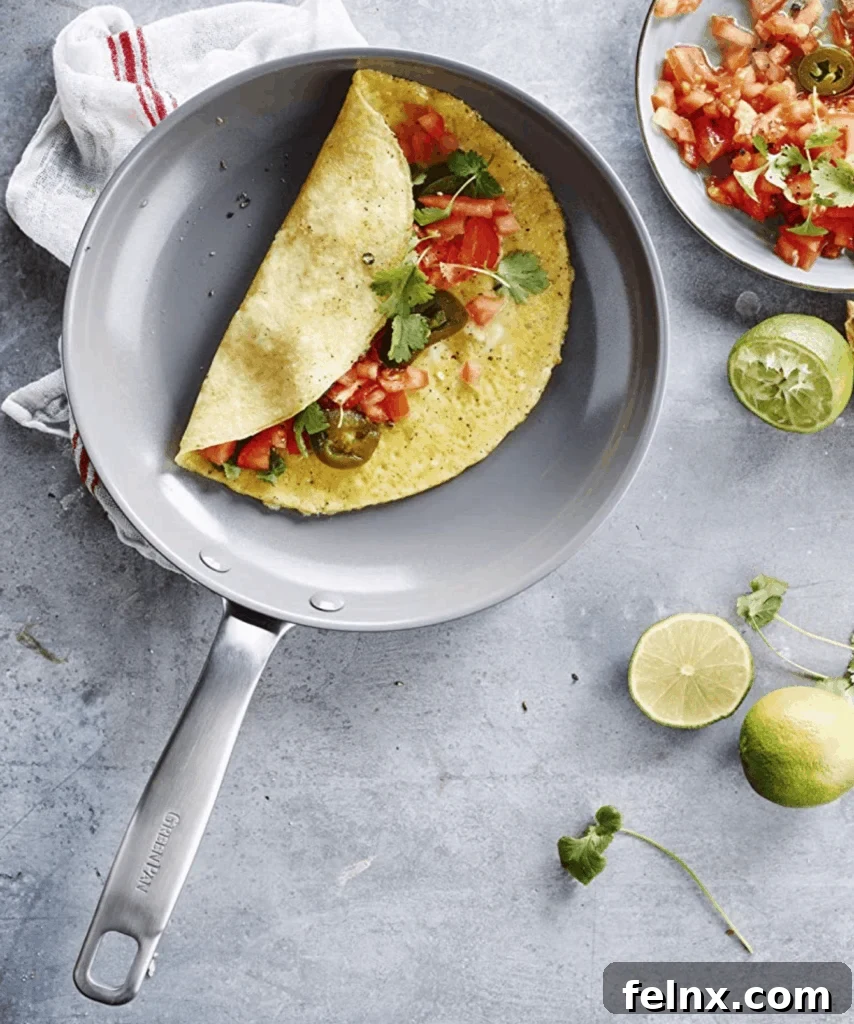
Non-Stick Frying Pans (8″ and 11″)
Step-by-Step Recipe: Asparagus and Fontina Frittata
This recipe yields 6 servings and takes approximately 40 minutes from start to finish. It results in a custard-like texture that is both sophisticated and comforting.
Ingredients Checklist
- 6 jumbo eggs, gently beaten
- 2 tablespoons heavy cream
- 2 cups fresh asparagus (woody ends removed, cut into 1/2-inch diagonal pieces)
- 1 cup Fontina cheese, freshly grated
- 1/3 cup Parmigiano-Reggiano or Pecorino, finely grated
- 1 tablespoon unsalted butter
- 1 tablespoon extra virgin olive oil
- 1/4 cup yellow onion, finely diced
- 1 clove garlic, minced
- Fine sea salt and black pepper to taste
Cooking Instructions
- Preheat and Prepare: Set your oven to 350°F (175°C). In a medium mixing bowl, whisk together the jumbo eggs, heavy cream, salt, and pepper. Set this mixture aside so it reaches room temperature.
- Sauté Aromatics: In a medium-sized, oven-safe non-stick skillet, melt the butter over medium heat. Add the diced onions and minced garlic, sautéing for about 2 minutes until they become translucent and fragrant.
- Cook the Asparagus: Add the prepared asparagus pieces to the skillet. Cook for 3-4 minutes, stirring occasionally, until they are bright green and slightly tender.
- Combine: Pour the egg and cream mixture over the vegetables. Ensure the asparagus is distributed evenly across the pan. Cook undisturbed for about 3-4 minutes.
- Add Cheese: Sprinkle the grated Fontina and Parmesan cheeses over the top of the egg mixture.
- Slow Cook: Reduce the heat to low-medium. Continue cooking on the stovetop for 8-10 minutes. You are looking for the edges to set and pull away slightly from the pan, while the center remains somewhat loose.
- Bake: Transfer the skillet to the preheated oven. Bake for approximately 10 minutes until the frittata is fluffy and the center is set. For a beautiful golden finish, you can turn on the broiler for the last 1-2 minutes, but watch it closely to avoid burning.
- Rest and Serve: Remove the pan from the oven and let it sit for 5 minutes. This allows the internal structure to firm up. Slide the frittata onto a serving plate, cut into wedges, and enjoy.
Storing and Reheating Your Frittata
If you have leftovers, they can be stored in an airtight container in the refrigerator for up to three days. To reheat, it is best to use a toaster oven or a regular oven at a low temperature (300°F) to maintain the texture. Microwave heating is possible but should be done in short bursts to prevent the eggs from becoming rubbery. Many people find that a cold slice of asparagus frittata makes an excellent quick breakfast the next morning!
Final Thoughts on This Italian Classic
The Frittata with Asparagus and Fontina is a testament to the fact that simple ingredients, when treated with care, can produce extraordinary results. By focusing on the quality of your eggs, the richness of your dairy, and the proper preparation of your vegetables, you can create a restaurant-quality meal at home. It is a dish that celebrates the seasons, reduces food waste, and brings a touch of Italian elegance to any table. Whether you are serving it for a festive brunch or a quiet solo dinner, it is sure to become a staple in your culinary repertoire.
Did you make this recipe?
We would love to see your creations! Leave a comment below or share your photos on social media. Tag us and use the hashtag #ItalianCooking to share your delicious results with our community.