The Ultimate Guide to Making the Best Bearnaise Sauce
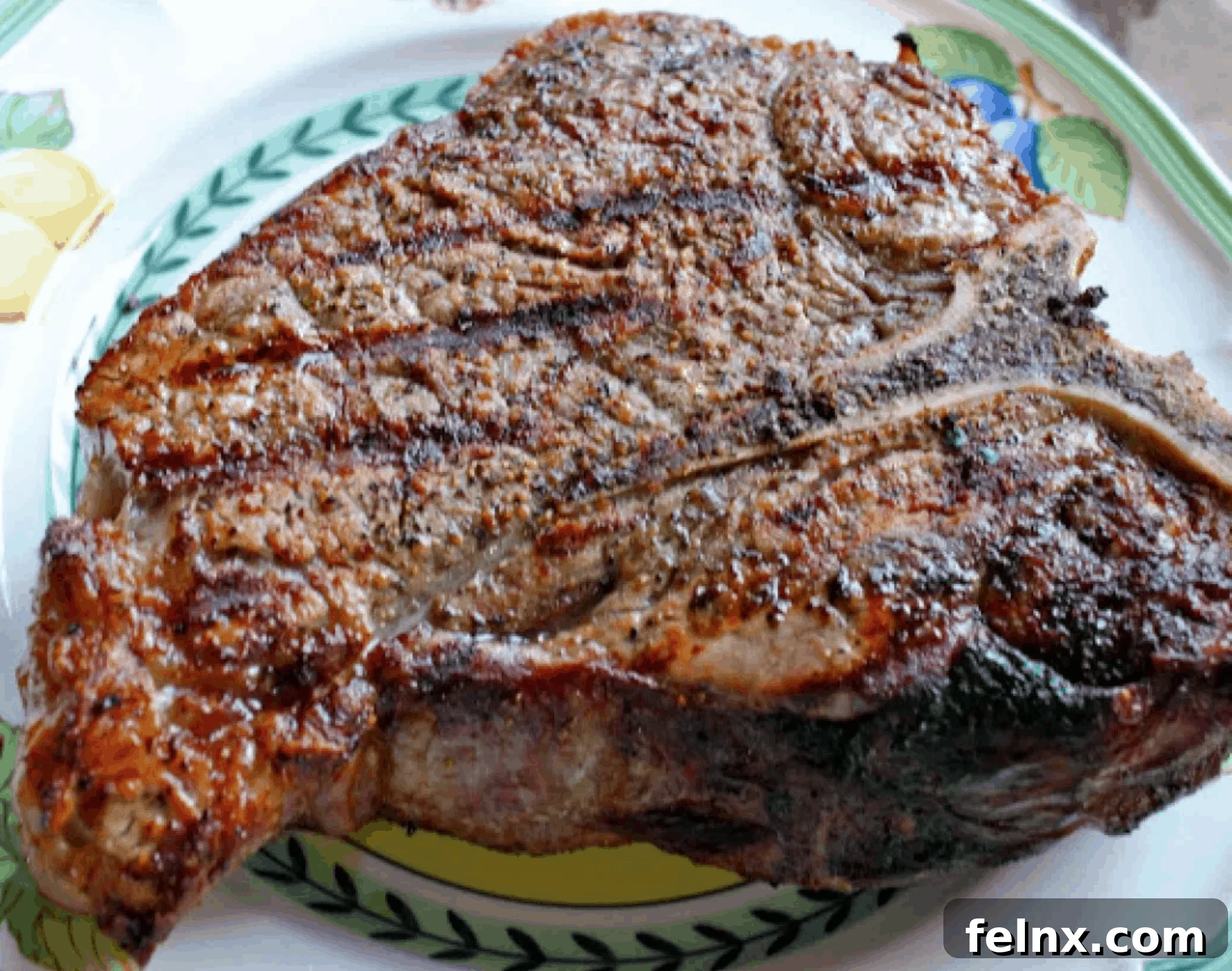
There is perhaps no culinary pairing more iconic than a perfectly seared steak topped with a rich, velvety Bearnaise sauce. While a high-quality cut of meat is delicious on its own, adding a classic French sauce elevates the dining experience from a simple meal to a gourmet event. If you want to “wow” your guests or simply treat yourself to a restaurant-quality dinner at home, mastering the art of the Bearnaise is essential.
Following a recent trip to the Midwest, where we sourced incredible corn-fed beef, the need for a truly exceptional sauce became clear. When it comes to French classics, there is no better authority than the legendary Julia Child. Her recipes strike the perfect balance between traditional technique and approachable home cooking. This Bearnaise sauce recipe is inspired by her brilliance, designed to be prepared in under 30 minutes, and can even be made ahead of time to save you stress in the kitchen.
What Exactly is Bearnaise Sauce?
Bearnaise sauce is often considered a “child” of the mother sauce, Hollandaise. While both rely on an emulsion of egg yolks and butter, the flavor profiles are distinct. Hollandaise is typically bright and citrusy with lemon juice, whereas Bearnaise is savory, herbaceous, and aromatic. It features a reduction of white wine, champagne vinegar, shallots (or green onions), and the unmistakable essence of fresh tarragon.
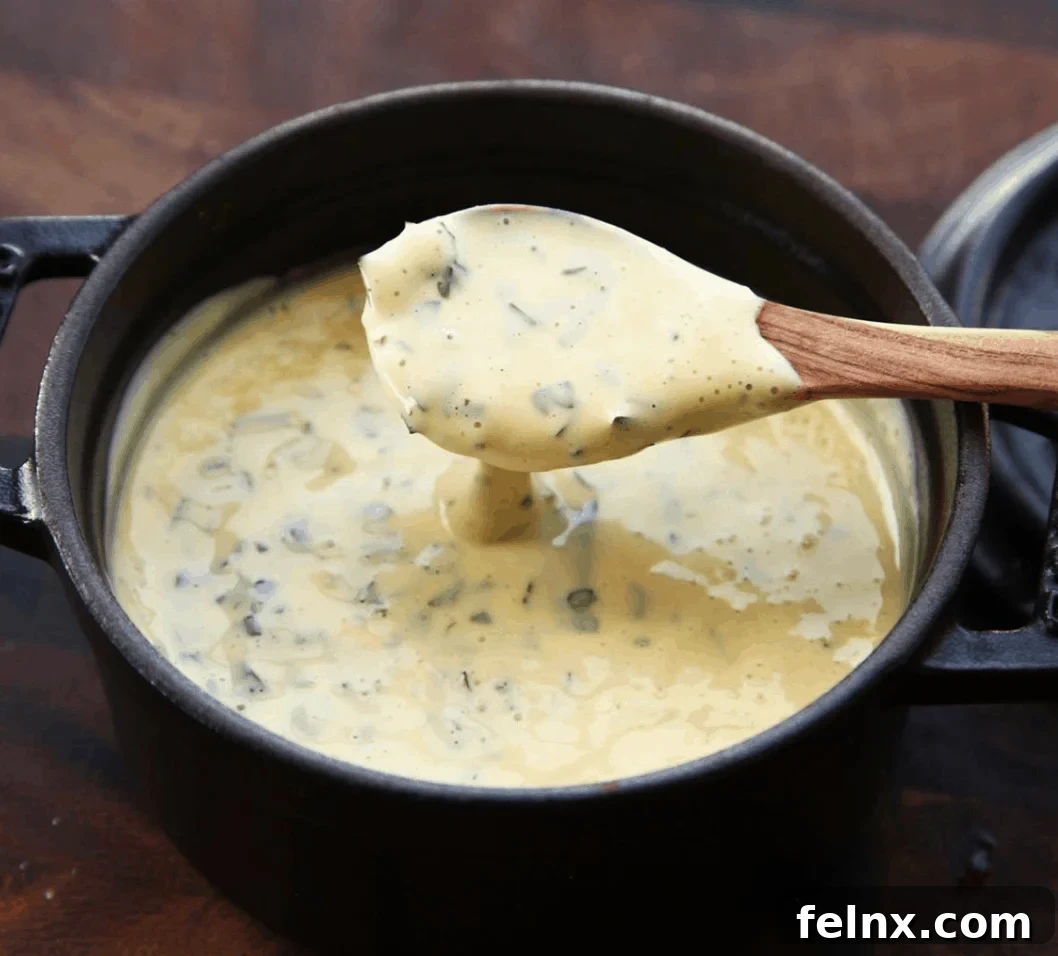
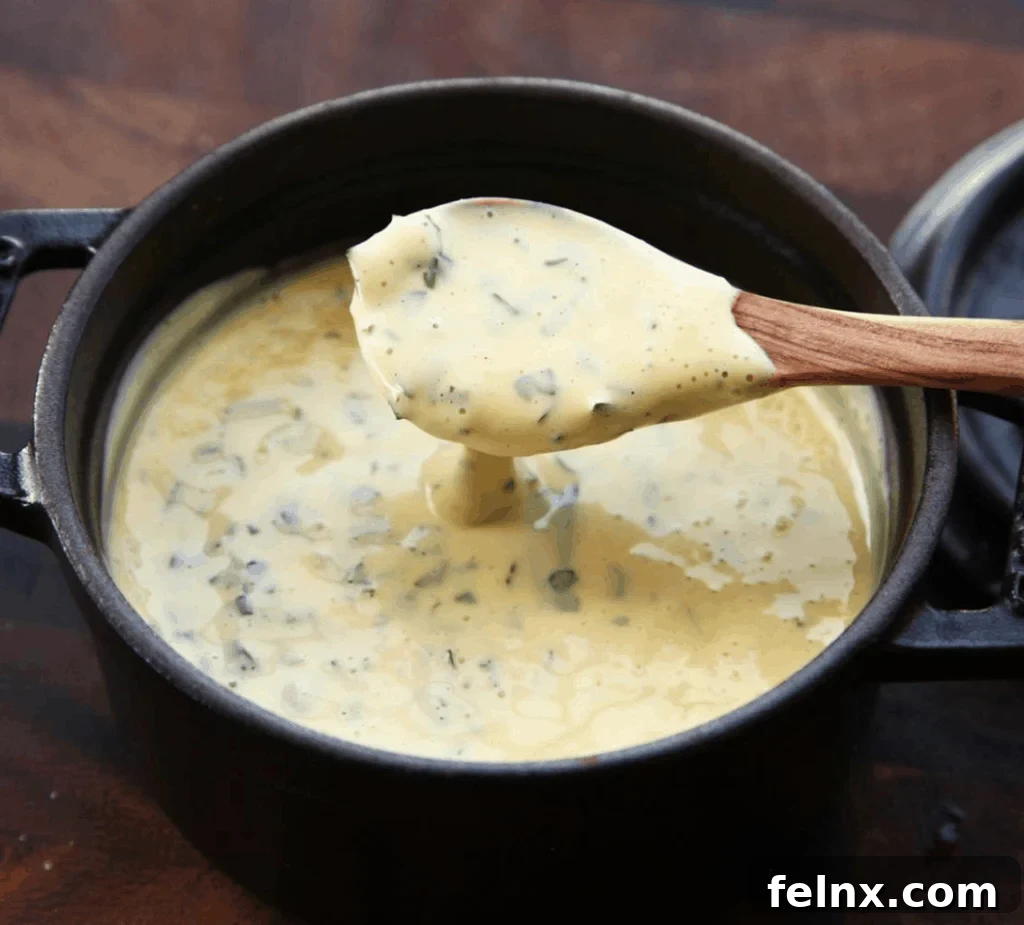
The result is a thick, creamy, and pale-yellow sauce that carries a sophisticated tang and a licorice-like hint from the tarragon. It is the gold standard for steakhouse toppings but is surprisingly versatile enough to accompany fish and various roasted vegetables.
Essential Ingredients for the Perfect Sauce
Success in French cooking starts with the quality of your ingredients. Before you turn on the stove, ensure you have the following ready:
- Unsalted Butter: Using unsalted butter allows you to control the exact level of seasoning in your sauce.
- Fresh Egg Yolks: These act as the emulsifier, giving the sauce its signature body and richness.
- Shallots or Green Onions: These provide a subtle, sweet onion flavor that forms the base of the reduction.
- Champagne Vinegar and White Wine: These acids are crucial for cutting through the richness of the butter.
- Fresh Tarragon: The star herb of Bearnaise. If possible, avoid dried tarragon as it lacks the vibrant punch of fresh leaves.
- Lemon Juice: A small amount adds a final layer of brightness.
- Salt and Black Pepper: To season and enhance all the other flavors.
How to Make Bearnaise Sauce: A Step-by-Step Guide
Traditional methods involve a double boiler and constant whisking, but modern tools like the immersion blender have made this process much more foolproof and efficient.
1. Create the Flavor Reduction
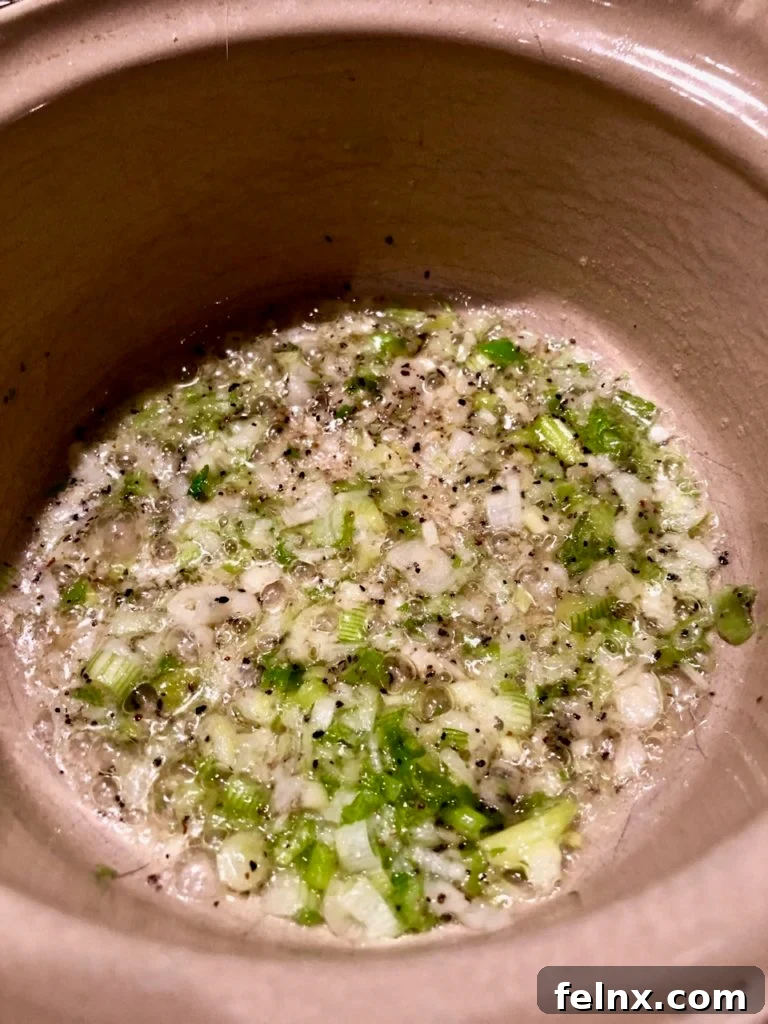
In a small saucepan, melt a small amount of butter over medium heat. Add your finely minced shallots or green onions and sauté until they become translucent and fragrant. Pour in your champagne vinegar and white wine. Simmer this mixture until the liquid has almost entirely evaporated. This step concentrates the acidity and onion flavor, ensuring your sauce isn’t watery. Set this aside to cool.
2. Prepare the Butter
Melt the remaining butter in a separate saucepan. You want it to be hot and foamy but not browned. The temperature is important because the heat of the butter will slightly “cook” the egg yolks as you create the emulsion.
3. Emulsify the Egg Yolks
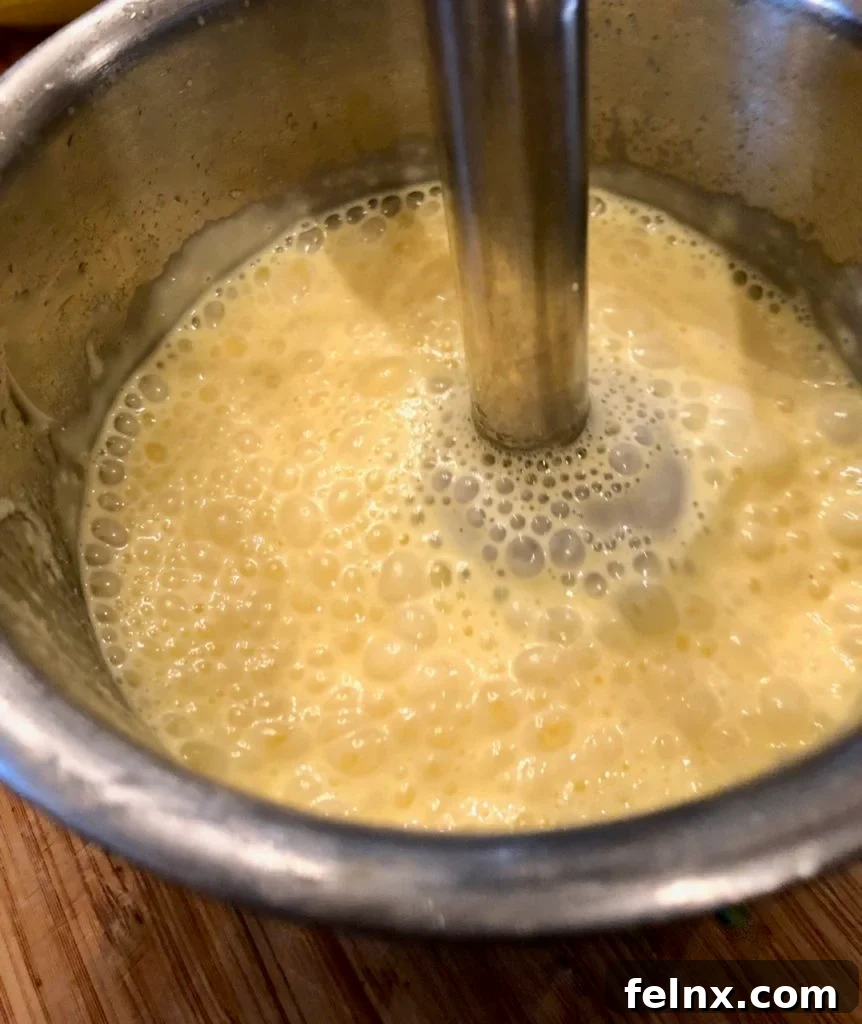
Place your egg yolks and lemon juice into a small container or the beaker that came with your immersion blender. Begin blending the yolks until they are smooth and pale. While the blender is running, slowly pour the hot butter in a very thin, steady stream. This is the most critical part of the process. If you add the butter too quickly, the sauce may break. Keep blending for about three minutes until the mixture is thick, foamy, and stable.
4. Final Flavor Integration
Once you have a thick base, fold in your prepared onion-vinegar reduction and the finely chopped fresh tarragon. Use the immersion blender for one last quick pulse to ensure everything is evenly distributed. Season with salt and freshly cracked black pepper to taste.
Creative Ways to Serve Bearnaise Sauce
While steak is the most common partner for this sauce, its applications in the kitchen are nearly endless. Here are some of our favorite ways to use it:
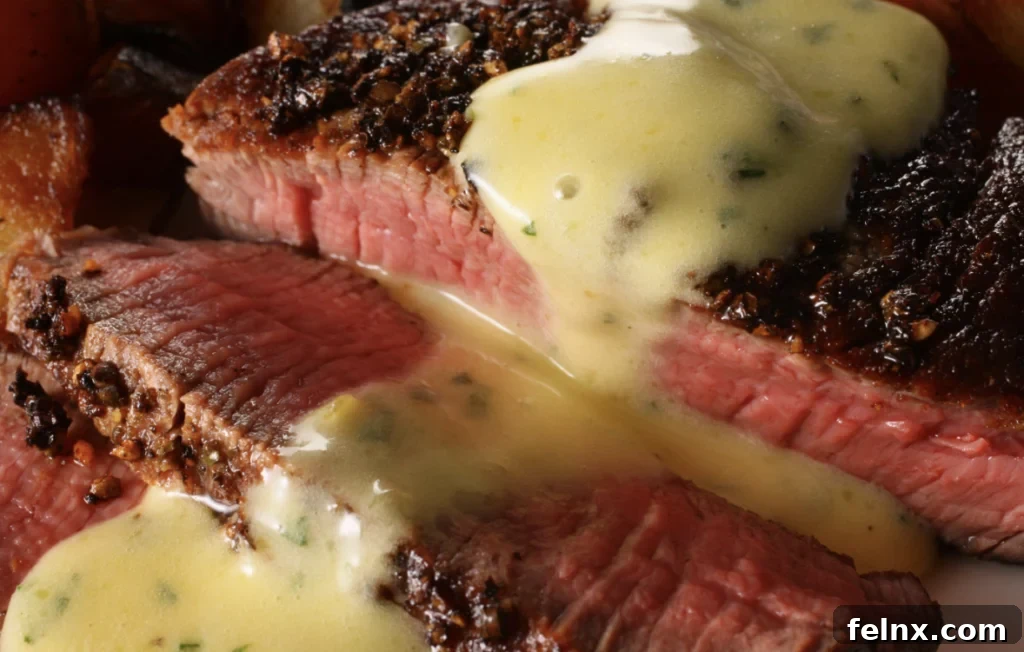
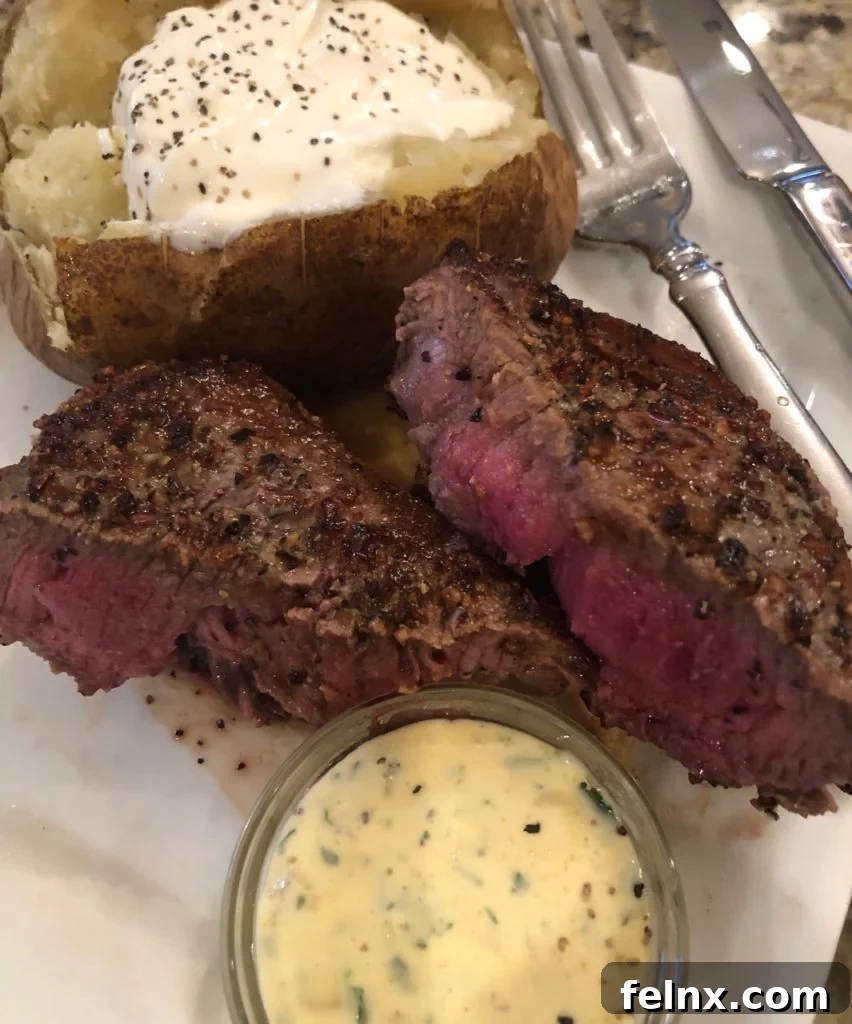
- Steak and Chops: Whether it’s a Filet Mignon, a Ribeye, or even juicy pork chops, Bearnaise adds a layer of luxury. For an extra touch of flavor, brush your meat with garlic butter while grilling.
- Seafood Delicacies: Salmon steaks and firm white fish like halibut are transformed when topped with a dollop of Bearnaise. The acidity of the vinegar reduction perfectly complements the natural oils in the fish.
- Elevated Vegetables: Forget plain steamed veggies. Drizzle Bearnaise over roasted asparagus, steamed broccoli, or honey-glazed carrots. It even makes for an incredible alternative to gravy on mashed potatoes.
- Breakfast and Brunch: Swap out Hollandaise for Bearnaise on your next Eggs Benedict. The tarragon flavor pairs beautifully with poached eggs and smoked ham or salmon.
Pro Tips for the Perfect Sauce
Working with egg emulsions can sometimes be tricky. If your sauce feels too thick, you can thin it out with a few drops of warm water or additional lemon juice. If the sauce “breaks” (separates), don’t panic. You can often fix it by placing a new egg yolk in a clean bowl and slowly whisking the broken sauce into it.
To keep the sauce warm while finishing your main course, place the container in a bowl of warm (not boiling) water. Avoid direct high heat after the emulsion is formed, as this will cause the eggs to scramble and the sauce to lose its silky texture.
More Gourmet Sauces to Explore
If you enjoy the process of making your own condiments, there are many other classic sauces that can bring your cooking to the next level:
- Fresh Basil Pesto: A vibrant, garlicky herb sauce perfect for pasta and chicken.
- Truffle Cream Sauce: The ultimate in earthy, rich decadence for luxury dishes.
- Creamy Lemon Caper Sauce: A tangy, salty delight that is a must-have for seafood lovers.
- Garden Fresh Marinara: A staple Italian tomato sauce that beats any store-bought version.
- Garlic and Rosemary Sauce: An aromatic herb-forward sauce that pairs excellently with roasted meats.
Recipe: Julia Child’s Best Bearnaise Sauce
Prep Time: 10 mins | Cook Time: 10 mins | Yield: 1.5 Cups
Ingredients
- 2 sticks unsalted butter
- 3 tablespoons minced shallots or green onions
- 1/4 cup champagne vinegar (or white wine vinegar)
- 1/4 cup dry white wine
- 3 large egg yolks
- 1 tablespoon fresh lemon juice
- 2 tablespoons finely chopped fresh tarragon
- Kosher salt and freshly cracked black pepper
Instructions
- Melt 1 tablespoon of butter in a small saucepan. Sauté the shallots until tender.
- Add the vinegar and wine. Simmer over medium-low heat until the liquid has evaporated (about 3-5 minutes). Let the mixture cool.
- Melt the remaining butter until hot and foamy.
- In a blender or with an immersion blender, combine egg yolks and lemon juice until smooth.
- With the blender running, slowly pour in the hot butter in a thin stream until a thick cream forms.
- Stir in the tarragon and the shallot reduction. Season with salt and pepper.
Make your next dinner unforgettable with this timeless French classic!