The Ultimate Guide to Italian Pastina Chicken Soup: The Healing Power of “Italian Penicillin”
Life has a way of reminding us what truly matters, especially during challenging times. After the recent devastation caused by Hurricane Helene, I found myself reaching for the most comforting thing I know: a warm bowl of Italian Pastina Soup. This dish is much more than just a meal; it is a culinary hug, a childhood memory in a bowl, and a tradition passed down through generations of Italian families.
Commonly referred to as “Italian Penicillin,” this delicate soup is the gold standard for comfort food. Whether you are recovering from a storm, nursing a cold, or simply seeking a nostalgic connection to the past, Pastina Soup provides a unique sense of healing. It is a simple recipe, yet it carries the weight of history and the warmth of a mother’s love. In the Italian kitchen, or cucina, we believe that food prepared with intention and high-quality ingredients can mend the soul.
Why Is It Called “Italian Penicillin”?
The nickname “Italian Penicillin” isn’t just a catchy phrase; it’s a testament to the soup’s restorative properties. For generations, Italian mothers and grandmothers (nonnas) have turned to this soup the moment a family member feels under the weather. The combination of clear, nutrient-dense chicken broth and tiny, easy-to-digest pasta makes it the perfect remedy for various ailments. It is light enough for a sensitive stomach but rich enough in flavor to provide genuine satisfaction.
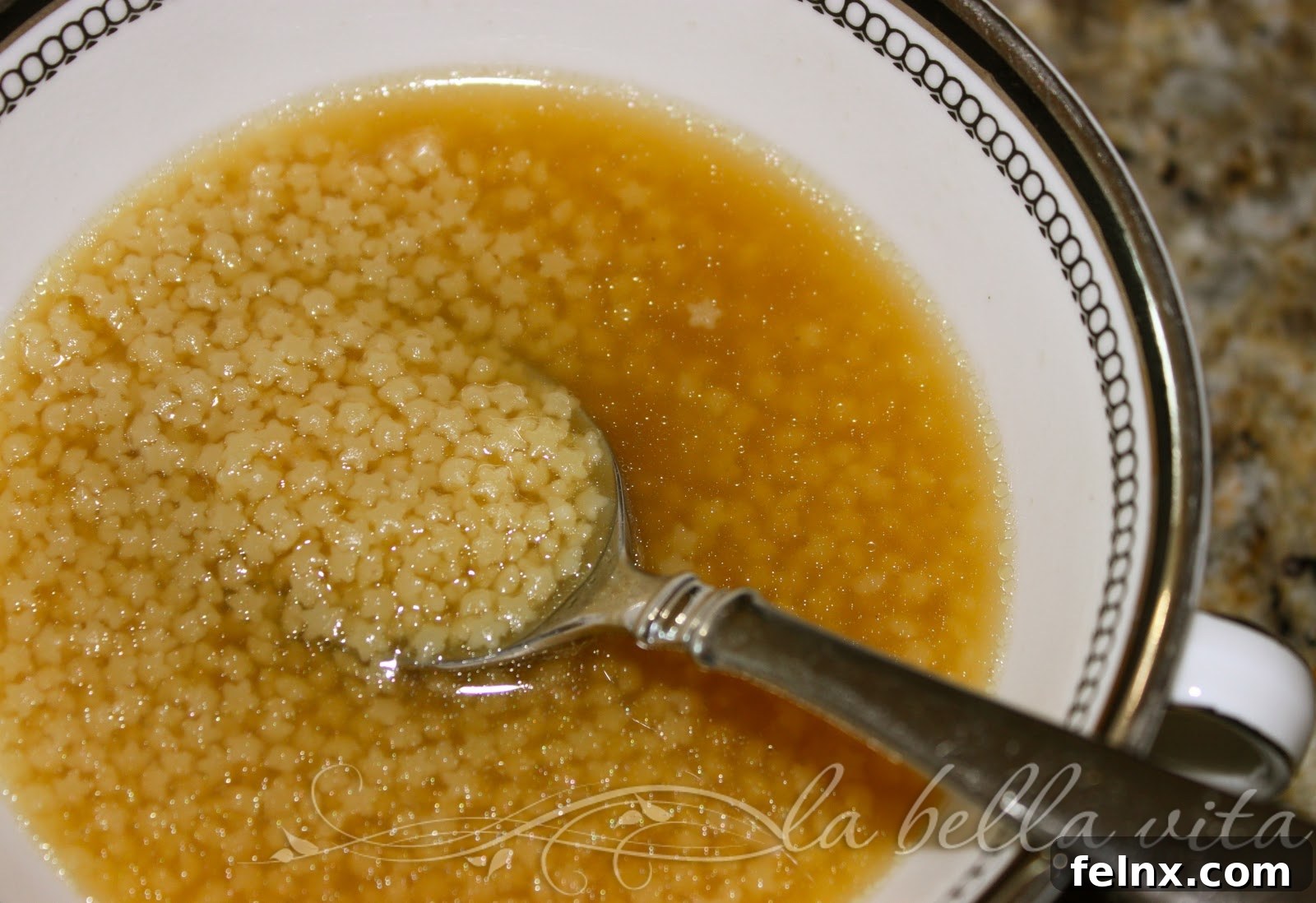
Beyond the physical benefits, there is a psychological comfort that comes with this dish. The aroma of simmering chicken broth and the sight of those tiny star-shaped noodles instantly transport many of us back to our childhood homes. It evokes a time when the world felt safe and every problem could be solved with a warm bowl of soup served at the kitchen table. This emotional connection is a vital part of why the soup feels so healing.
The Essence of Cucina Povera
To truly appreciate Pastina Soup, one must understand the concept of Cucina Povera, or “poor kitchen.” This culinary philosophy originated in rural Italy, where resources were often scarce. Families had to be incredibly creative, making delicious and filling meals out of the most basic, humble ingredients. My own ancestors lived in the harsh environments of the Italian mountains before immigrating to America, and they relied on these simple staples to survive and thrive.
Pastina is a perfect example of this tradition. It uses basic flour-based pasta and a broth made from every part of the chicken, ensuring nothing goes to waste. Today, we celebrate these recipes not because we have to, but because they represent a mastery of flavor and a respect for the ingredients. When you make this soup, you are participating in a historical tradition that honors simplicity and resourcefulness.
The Secret to the Perfect Broth
While you can certainly use store-bought broth when you’re in a hurry, the heart of an authentic Italian soup lies in the homemade chicken broth (Brodo di Pollo). Making broth from scratch is a labor of love, but it is surprisingly straightforward. By simmering chicken bones, aromatic vegetables like carrots, celery, and onions, and a few herbs, you create a liquid gold that no canned version can match.
A specific secret ingredient that many Italian cooks use is the Parmesan cheese rind. Never throw away the hard end of your Parmesan block! When dropped into a simmering soup, the rind softens and releases a deep, salty, umami flavor that elevates the broth to a professional level. It adds a subtle richness that ties the whole dish together, making the simple broth feel luxurious.
What Exactly Is Pastina?
The word “pastina” literally means “tiny pasta.” It is a category of pasta shapes that are specifically designed for soups. The most iconic shape is the stelline (little stars), but it can also include Acini di Pepe (peppercorns), anellini (tiny rings), or even tiny alphabets. These shapes are specifically beloved by children because of their small size and playful appearance. In fact, many Italian children are introduced to solid food through pastina cooked in broth or with a little butter and cheese.
Because the noodles are so small, they cook very quickly—usually in under five minutes. This makes Pastina Soup one of the fastest meals to assemble once your broth is ready. However, be careful not to overcook them; they should be tender but still hold their shape.
How to Make Authentic Pastina Chicken Soup (Pastina en Brodo di Pollo)
This recipe focuses on the classic preparation. It is minimalist by design, allowing the quality of your broth and the texture of the pasta to shine.
Ingredients You Will Need
- 1 Gallon Chicken Broth: Preferably homemade for the best nutritional value and flavor.
- 1 Box of Pastina: Look for the star shapes (stelline) for the most traditional experience.
- Parmesan Cheese Rind: A 2-inch piece will add incredible depth to your broth.
- Freshly Grated Parmesan Cheese: At least 1 cup for stirring in and topping.
- Sea Salt: To taste.
- Cooked Chicken (Optional): 2 cups of diced chicken breast if you prefer a heartier meal.
- Crusty Italian Bread: For serving and dipping.
Step-by-Step Instructions
- Boil the Broth: In a large, heavy-bottomed stockpot, pour in your chicken broth. Add the Parmesan rind. Bring the mixture to a rolling boil over medium-high heat. The rind will begin to soften and infuse the liquid.
- Cook the Pasta: Once the broth is boiling, add the entire box of tiny pastina noodles. Reduce the heat slightly to maintain a gentle boil. Cook for about 5 minutes, stirring occasionally to prevent the tiny stars from sticking to the bottom.
- Add the Chicken: If you are using diced chicken, add it to the pot now. Let it simmer with the pasta for another 2-3 minutes until the chicken is heated through and the pasta is perfectly tender.
- Finishing Touches: Remove the Parmesan rind with a slotted spoon and discard it. Turn off the heat. Stir in half a cup of freshly grated Parmesan cheese until it melts into the broth.
- Seasoning: Taste the soup. Depending on how salty your broth and cheese rind were, you may need a pinch of sea salt. Season according to your preference.
- Serving: Ladle the hot soup into deep bowls. Sprinkle generously with the remaining grated Parmesan cheese. Serve immediately while hot.
Variations and Personal Touches
Every Italian family has a slightly different way of serving this “Penicillin.” While the broth and pasta are the constants, the additions can vary:
- The Egg Drop Method: Some nonnas whisk an egg with some Parmesan cheese and swirl it into the boiling broth just before adding the pasta. This creates a texture similar to Stracciatella soup and adds extra protein.
- Vegetable Boost: While the classic version is clear, you can finely dice carrots, celery, and onions (a soffritto) and sauté them before adding the broth for extra vitamins.
- The “Dry” Version: Some people prefer more pasta and less broth, creating a creamy, porridge-like consistency. To achieve this, use less broth or let the pasta sit for a few minutes to absorb the liquid.
The Importance of the Right Bread
No Italian soup experience is complete without scarpetta—the ritual of using a piece of bread to “shine the plate” or sop up the remaining broth. A warm, crusty loaf of Italian bread is the perfect companion here. The contrast between the soft, delicate pasta and the crunchy, chewy bread creates a satisfying sensory experience. It ensures that not a single drop of that precious, flavor-packed broth goes to waste.
Creating Your Own Memories
I hope that by sharing this recipe, I can help you bring a little piece of the Italian bella vita into your own home. Whether you are making this for a sick child, a grieving friend, or simply for a quiet Sunday dinner, remember that the most important ingredient is the care you put into it. Food is our most basic way of communicating love and support.
In a world that often feels fast-paced and overwhelming, dishes like Pastina Soup remind us to slow down. They remind us of the simple pleasures of a hot meal and the importance of family traditions. Once you start making this for your children or grandchildren, they will carry those memories with them forever, just as I have carried the memories of my mother’s cooking.
Explore More Comforting Soup Recipes
If you enjoyed this deep dive into Pastina Chicken Soup, you might also love these other soul-warming recipes from my kitchen. Each one is designed to provide comfort and flavor using traditional Italian techniques.
Authentic Homemade Chicken Pasta Noodle Soup
Rich and Creamy Chicken Noodle Soup
Thank you for letting me share these precious childhood memories and recipes with you. May your kitchen always be filled with the aroma of simmering broth and the laughter of loved ones. If you try this recipe, please share your photos and stories with me—I love seeing how these traditions live on in your homes!