The Ultimate Guide to Christmas Stollen: Traditional German Holiday Bread
Are you looking for a unique holiday treat to surprise your guests this season? While many households stick to the usual cookies and pies, there is a legendary European delicacy that brings a touch of old-world magic to the table: Christmas Stollen. This traditional German holiday bread is a tender, fruit-filled masterpiece that has captivated hearts for centuries. If you want a sweet bread that will truly “wow” your visitors, Stollen is the perfect choice for your holiday entertaining.
What Exactly is Christmas Stollen?
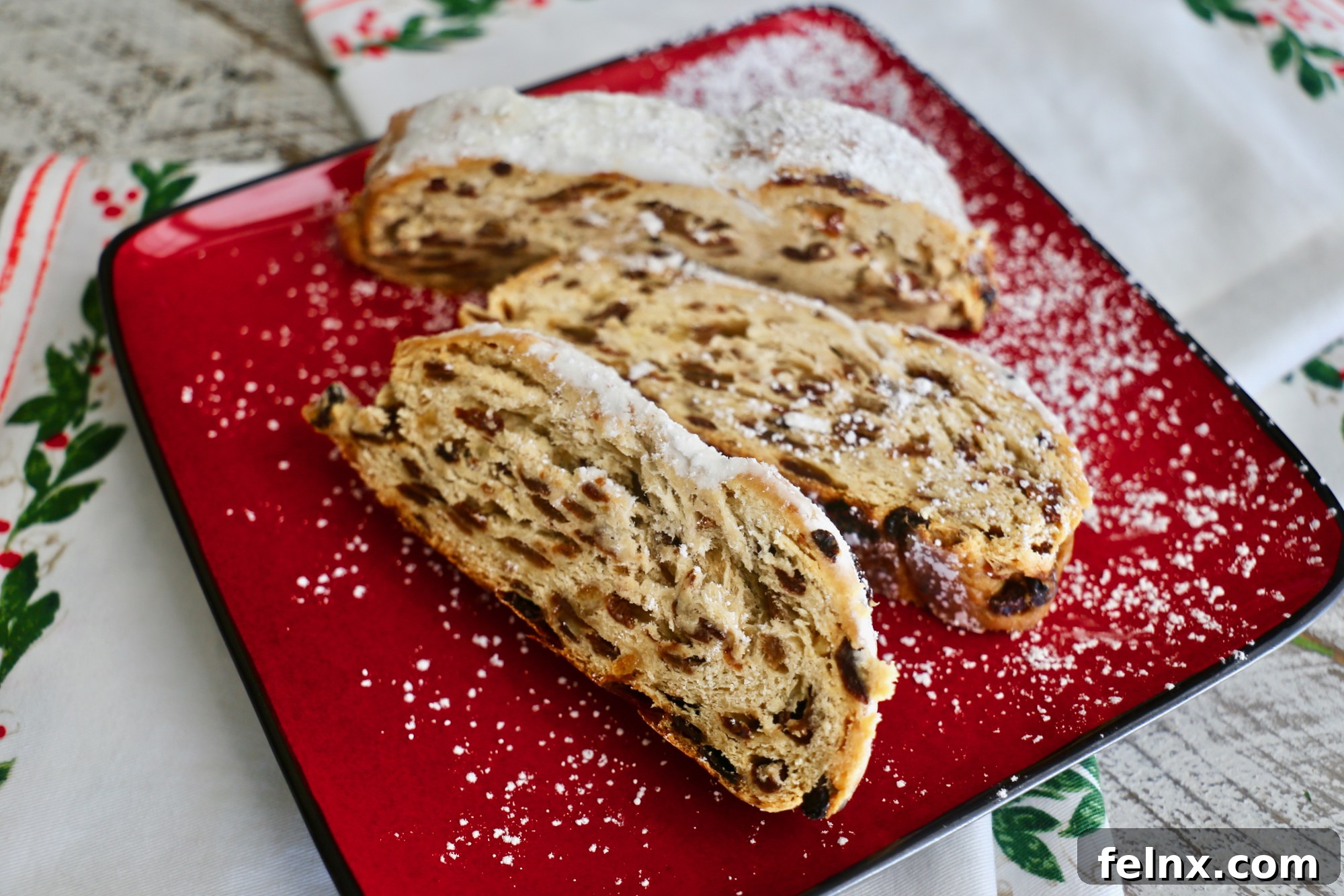
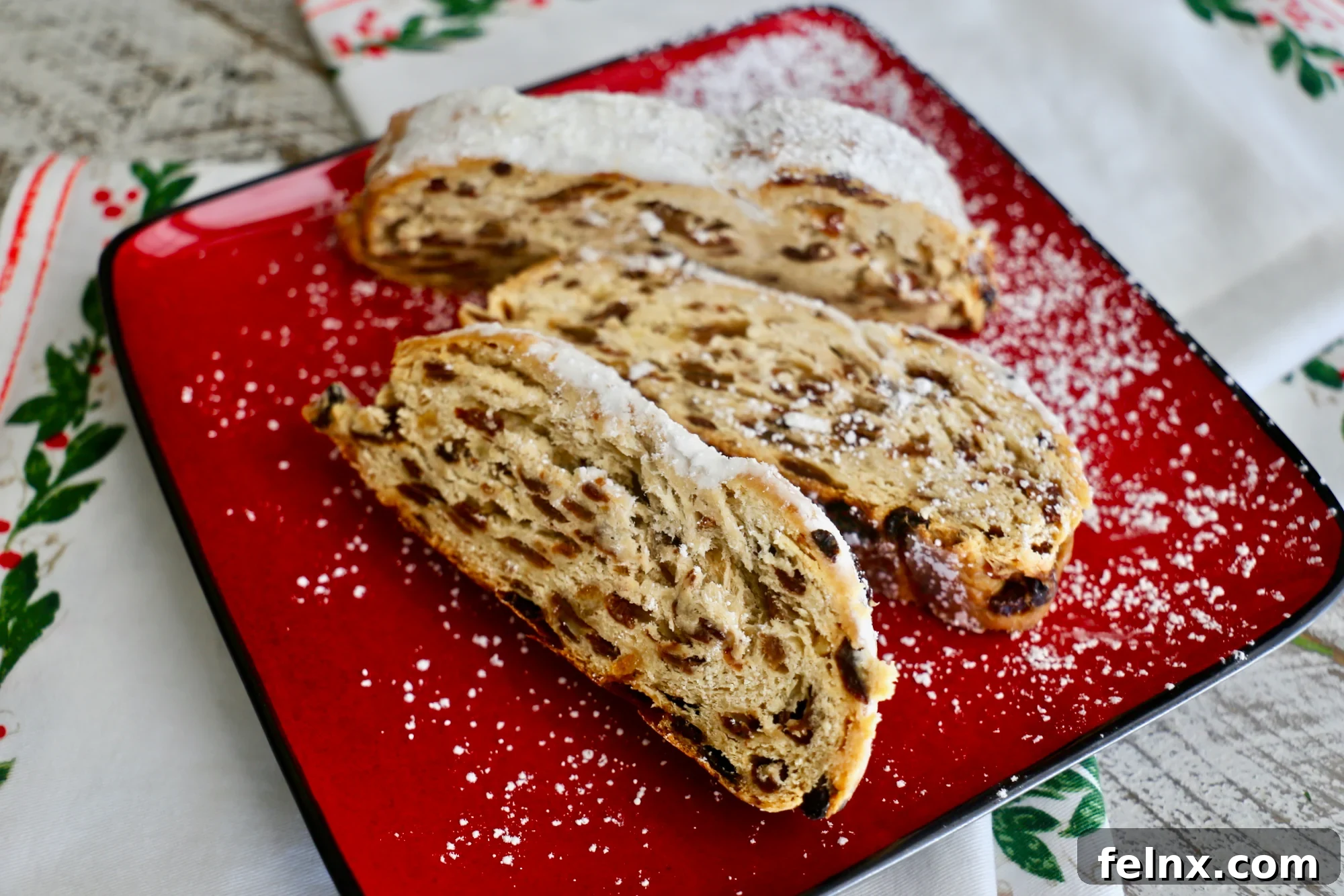
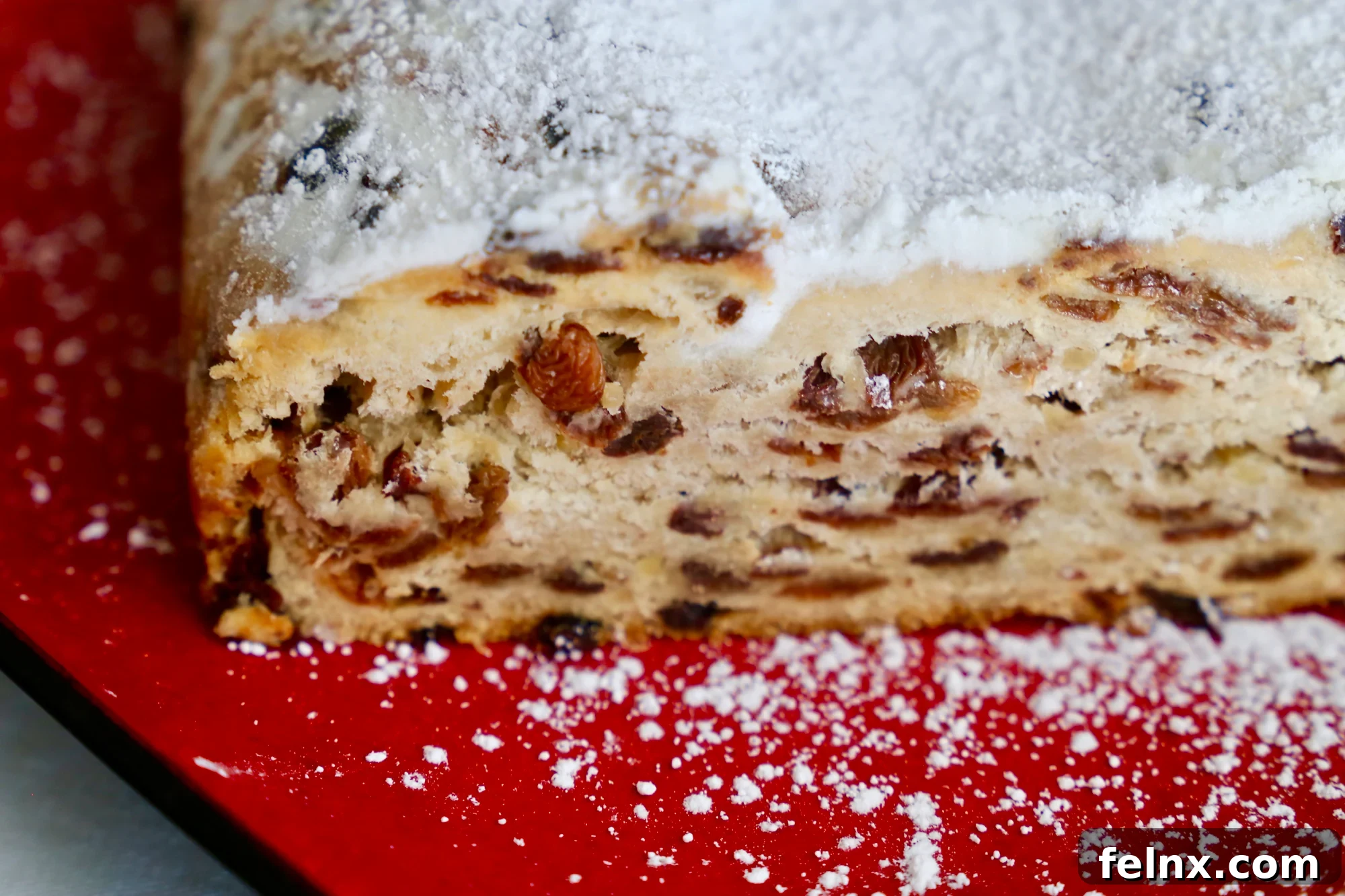
For many in North America, Stollen remains a hidden gem, but in Europe, it is the undisputed king of Christmas breads. Often referred to as Christstollen, this ancient German tradition is a heavy, moist, cake-like yeast bread. It is packed with premium ingredients like rum-soaked raisins, candied orange peel, currants, and lemon zest. Infused with aromatic spices like cinnamon and cardamom, it is finished with a thick coating of melted butter and a snowy dusting of powdered sugar.
It is important to note that Stollen is not your typical “fruitcake.” Unlike the overly sweet, neon-colored fruitcakes often found in the States, Stollen is a sophisticated bread. The fruit provides subtle hints of sweetness rather than an overpowering sugar rush. The generous layer of powdered sugar on top serves two purposes: it adds the perfect level of sweetness and serves as a beautiful reminder of a freshly fallen December snow.
The Magical Atmosphere of a Bavarian Christmas
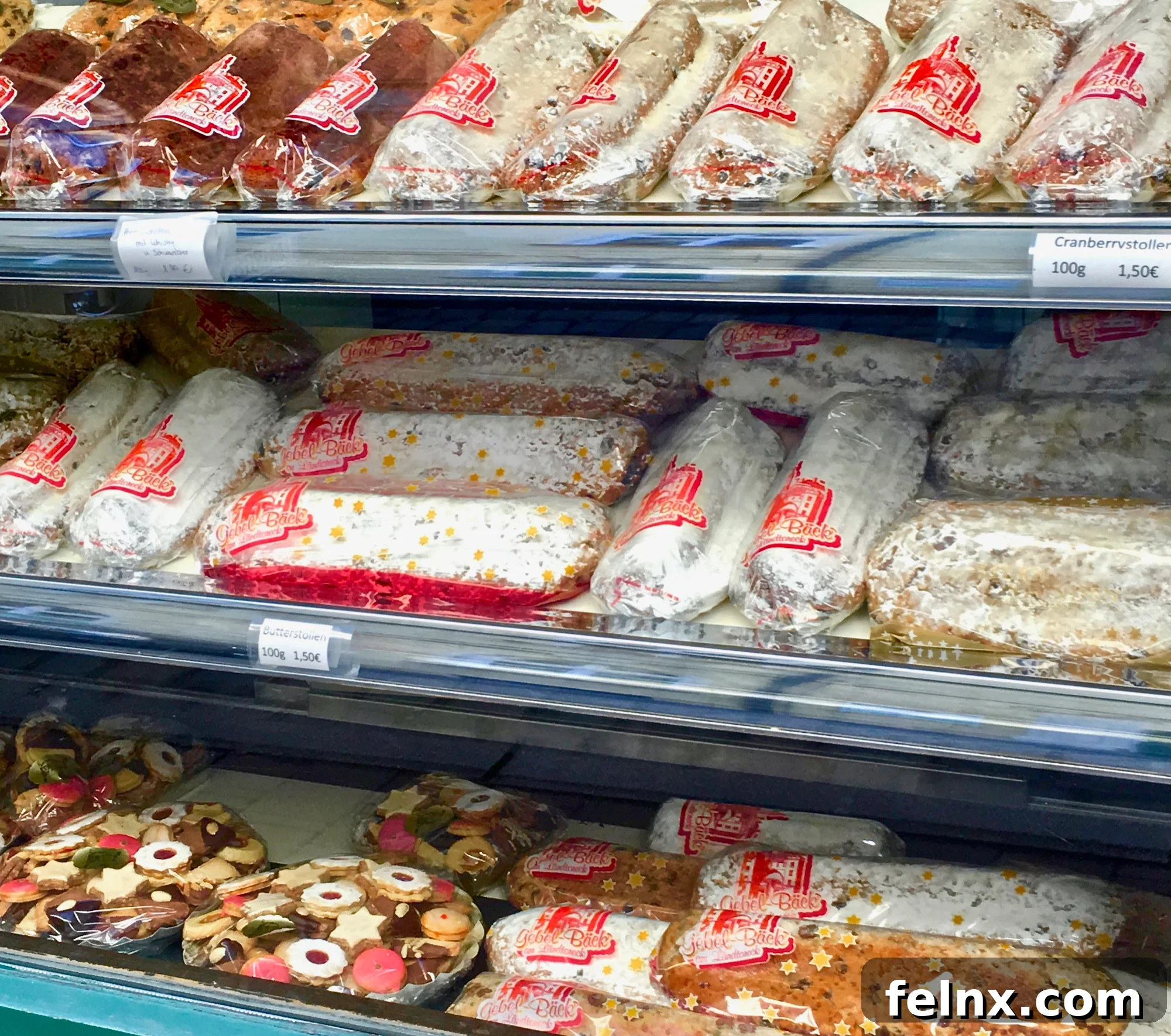
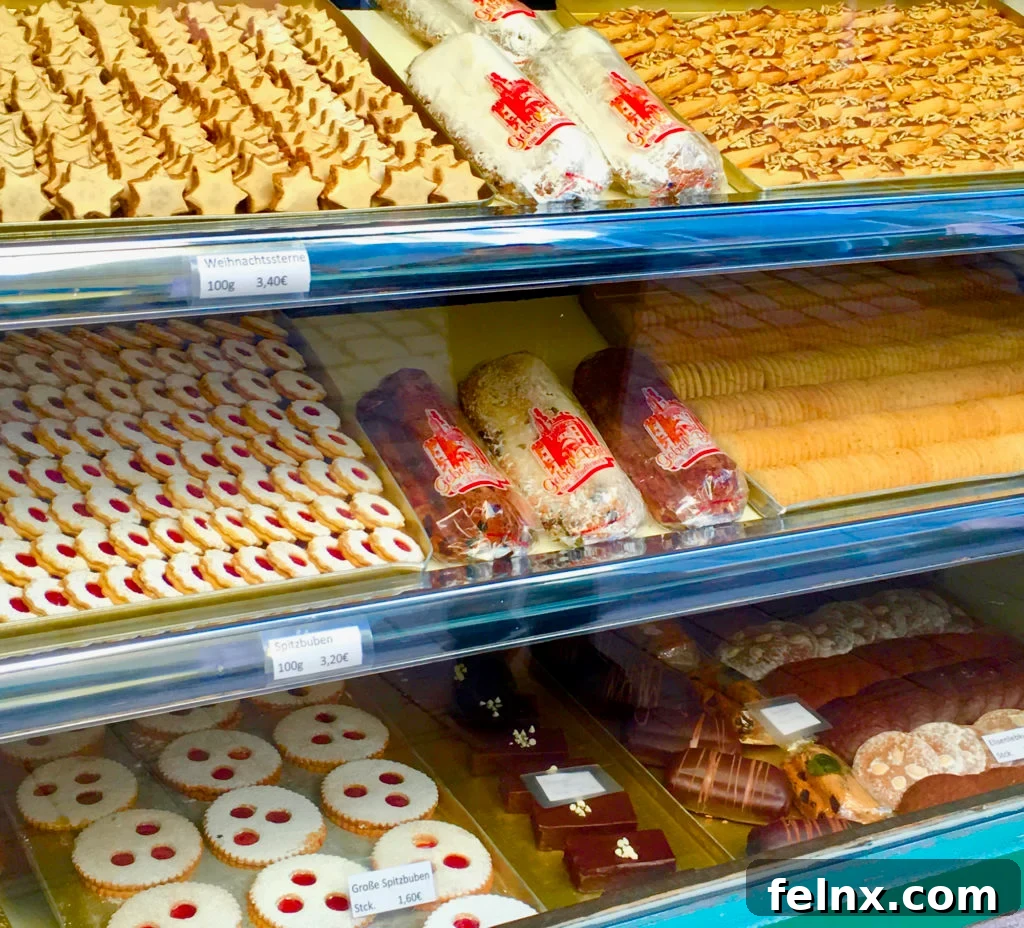
To truly understand the appeal of Stollen, one must imagine the atmosphere of Bavaria during the holidays. Visiting Germany in December is a bucket-list experience. The air is crisp, the streets are lined with timber-framed houses, and the shop windows are overflowing with regional specialties. Among the gingerbread (Lebkuchen) and roasted nuts, Stollen takes center stage. It is more than just food; it is a symbol of the season’s heritage.
The Rich History and Symbolism of Stollen
The history of the Dresden-style Christmas Stollen dates back to the 15th century. Its unique shape—a folded loaf—and its white sugar coating are deeply symbolic. They are meant to represent the baby Jesus wrapped in swaddling clothes. This is why the bread is often called Christstollen.
The “Butter Letter” Mystery
Interestingly, the early versions of Stollen were quite different. In the 14th century, the Catholic Church forbade the use of butter and milk during the Advent season as part of a religious fast. Bakers had to use oil, which resulted in a hard, tasteless bread. This led to the famous “Butterbrief” (Butter Letter). In 1491, Pope Innocent VIII sent a letter to the Prince of Saxony, granting permission for bakers to use butter in their Stollen without having to pay a fine, provided they made a small donation to the church. This “butter miracle” changed the recipe forever, making it the rich, indulgent treat we know today.
The Royal Influence
The “official” Dresden Stollen is a protected brand. Only about 150 bakers in the city of Dresden are authorized to produce it, and their loaves are marked with a special seal depicting King Augustus II the Strong. In 1730, the King famously commissioned a giant Stollen that weighed 1.8 tons to show off the prowess of Saxon bakers! While modern loaves are typically around 2 to 4 pounds, the tradition of excellence remains the same.
Ancient traditions also dictated how the bread was consumed. It was common for families to set aside the first slice to ensure they could afford another Stollen the following year. The last piece was saved to symbolize that the family would have enough food for the coming winter. While times have changed, the joy of slicing into a fresh Dresden Stollen remains a highlight of the season.
How to Make Traditional German Stollen
Baking your own Stollen is a labor of love, but the results are incredibly rewarding. The key to a great Stollen is patience. The fruits must be soaked, the yeast dough must rise properly, and the bread needs time to “mature” after baking.
Christmas Stollen: Traditional German Holiday Recipe
This recipe yields a rich, sweet cake-like bread filled with fruits and nuts. It is a masterpiece of baking that has been treasured for generations. Because of its high butter and sugar content, Stollen has a long shelf life, making it a perfect gift for food lovers.
Ingredients for Your Stollen
- Fruit Preparation: 2-1/2 cups raisins, 4 tablespoons dark rum (for soaking).
- The Dough: 8 cups all-purpose flour, 1-2 cups whole milk (warmed), 2 packages dry yeast, 1 cup granulated sugar, 1 teaspoon salt.
- Flavorings and Fats: 1 lb unsalted butter (softened), grated rind of 1 lemon, 1/2 teaspoon ground nutmeg.
- Inclusions: 3.5 oz ground or finely chopped almonds, 4 oz candied lemon peel, 4 oz candied orange peel.
- Topping: Extra melted unsalted butter and a generous amount of confectioner’s (powdered) sugar.
Step-by-Step Instructions
- Soak the Fruit: At least 24 hours before baking, soak your raisins in rum. This ensures they are plump and flavorful.
- Prepare the Yeast Dough: In a large bowl, combine the flour, warm milk, yeast, sugar, and salt. Add the pound of butter and mix until a smooth, heavy dough forms.
- Add the Extras: Gradually knead in the rum-soaked raisins, the candied citrus peels, chopped almonds, and nutmeg. Continue kneading until the fruit is evenly distributed throughout the dough.
- First Rise: Cover the dough and let it rest in a warm place for at least 1 hour. It should expand significantly.
- Shape the Loaves: Knead the dough again to release air. Divide it into two equal parts. Shape them into ovals, then use a rolling pin to create a trench down the center. Fold one side over the other to create the classic Stollen shape.
- The Bake: Preheat your oven to 350°F (175°C). Place the loaves on a lined baking sheet and bake for approximately 60 minutes until golden brown.
- The Butter Bath: This is the most important step. As soon as the Stollen comes out of the oven, brush it generously with melted butter. While still warm, dust it heavily with powdered sugar. The butter and sugar will form a seal that keeps the bread moist.
- The Maturing Phase: While you can eat Stollen immediately, it is traditional to wrap it in foil and let it sit in a cool place for 1 to 2 weeks. This allows the flavors of the rum and spices to permeate the bread.
Serving and Storing Your Stollen
When you are ready to serve your Christmas Stollen, slice it into thin pieces. Many Germans enjoy it with a thin layer of fresh butter spread on top, accompanied by a cup of hot coffee or mulled wine (Glühwein). Because of the sugar coating and the dense nature of the bread, it stays fresh for a long time. If stored in a cool, dry place, it can last for several weeks, making it the ultimate “prep-ahead” holiday treat.
Don’t Have Time to Bake? Here is Where to Buy Authentic Stollen
We all know that the holiday season can be incredibly busy. If you are working a full-time job or managing a household, you might not have hours to spend kneading dough. Fortunately, you can still enjoy authentic German Stollen by ordering from reputable importers. Look for brands that carry the “Dresden Stollen” seal for the most authentic experience. These often come in beautiful tin boxes, which make them excellent gifts for neighbors or colleagues.
When ordering online, always check the shipping dates to ensure your bread arrives before Christmas. Since Stollen travels well, it is one of the few baked goods that maintains its high quality even after being shipped long distances.
Why Stollen Should Be Your New Tradition
Incorporating Stollen into your holiday routine is a wonderful way to connect with international traditions. It tells a story of history, from the “Butter Letter” of the Pope to the royal festivals of Saxony. More importantly, it provides a delicious, less-sweet alternative to the sugary desserts that dominate the American holiday table. Whether you bake it yourself or buy a loaf from a master baker, Christmas Stollen is sure to become a cherished part of your family’s celebrations for years to come.
Did you make this recipe?
If you decided to try your hand at baking this traditional German bread, we would love to hear about it! Leave a comment below or share your photos on social media using the hashtag #TraditionalStollen. There is nothing quite like the smell of fresh holiday bread wafting through the house to get everyone in the Christmas spirit!