The Ultimate Dirty Martini Guide: A Sophisticated Alternative for St. Patrick’s Day
Why the Dirty Martini is the Best St. Patrick’s Day Drink
When St. Patrick’s Day rolls around, the world usually turns a very specific shade of neon green. From rivers in Chicago to the “green beer” served in college town pubs, the aesthetic is often more about dye than flavor. However, for those who have moved past the chaotic parties of their youth, there is a far more elegant way to celebrate. Instead of a pint of artificially colored lager, why not reach for a rich, deep, olive-green Dirty Martini? It offers a sophisticated nod to the “Emerald Isle” while maintaining a level of class that a plastic cup of beer simply cannot match.
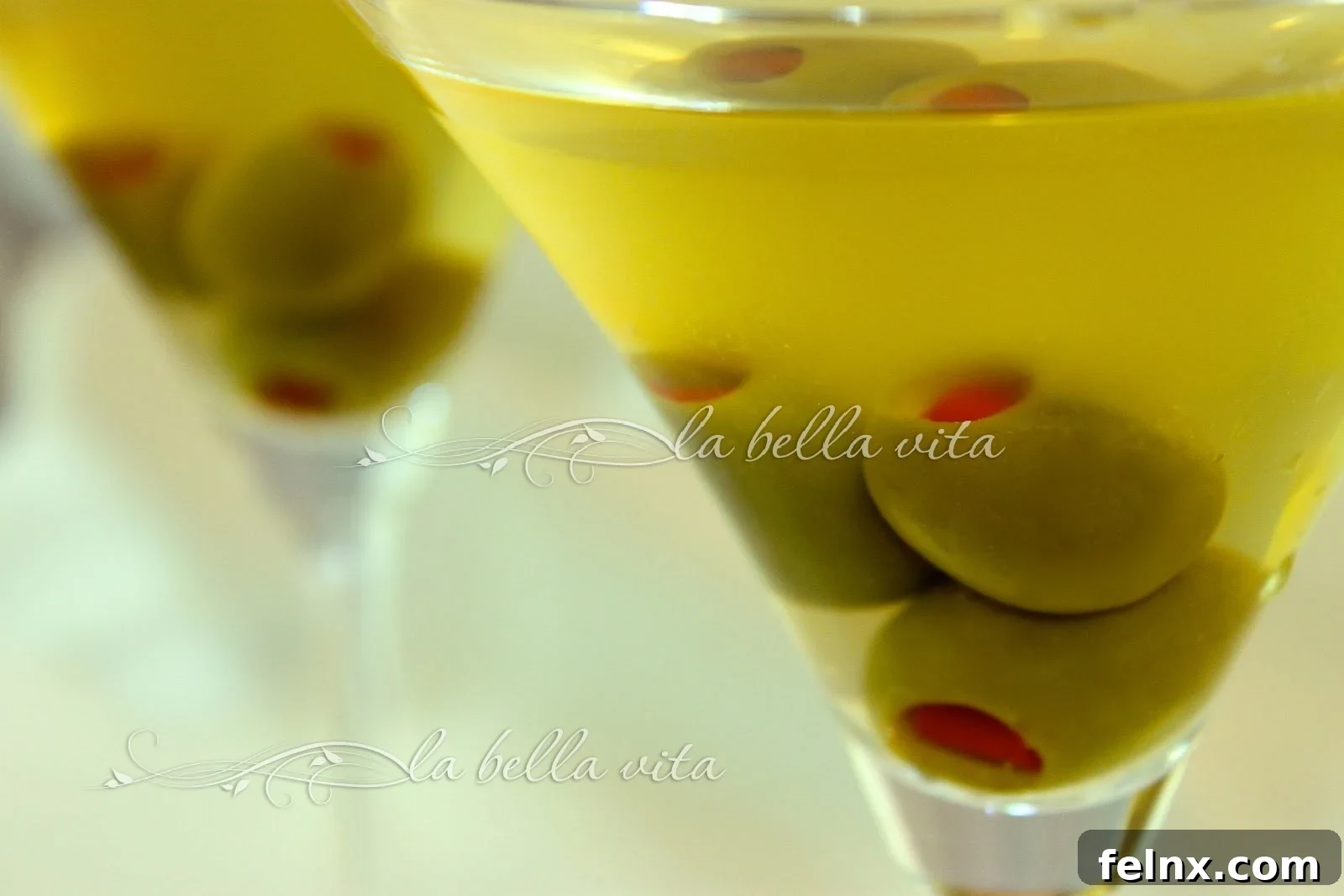
Choosing a Martini for this holiday is more than just a preference for high-quality spirits; it is a choice of reverence. While St. Patrick is often used as an excuse for excess, his historical mission was one of spiritual significance. Celebrating with a venerable cocktail like the Martini allows us to offer a respectful salute to the legacy of the man himself. By adding the savory, delicious juices from green olives, we achieve a natural, earthy green hue that looks stunning in a chilled glass. It is a drink that feels intentional, timeless, and perfectly balanced.
The Fascinating History and Origins of the Martini
Many people assume that because of its name, the Martini must have originated in Italy. This is a common misconception that often serves as excellent trivia at dinner parties. While the Martini name sounds distinctly Mediterranean, the cocktail’s roots are firmly planted in American soil—specifically in San Francisco, California. The first recorded versions of the drink appeared around 1862. However, the Italian connection remains vital because the soul of the drink relies on Italian vermouth.
Originally, the cocktail was quite different from the “dry” versions we see today. In its early iterations, the Martini contained a significantly higher ratio of vermouth. Over the decades, the recipe evolved. The gin-heavy mixtures of the early 20th century eventually gave way to the vodka-centric preferences of modern drinkers. When a Martini is made with high-quality vodka instead of gin, purists often refer to it as a “Bradford.” Whether you prefer the botanical notes of gin or the clean, crisp finish of premium vodka, the essence of the Martini remains its perfect simplicity.
The Evolution of the Recipe: From Gin to High-Quality Vodka
The transition from gin to vodka in the Martini world was a major turning point in cocktail history. Gin, with its strong juniper profile, provides a complex and aromatic experience. However, for many modern enthusiasts, gin can be overwhelming. This led to the rise of the Vodka Martini, which emphasizes the purity and texture of the spirit. The key to a successful Vodka Martini is quality; because there are so few ingredients, there is nowhere for a low-quality spirit to hide. Using a top-tier brand ensures a smooth, velvet-like mouthfeel that complements the salty brine of a “dirty” preparation.
The ratio of spirits to vermouth is another area of constant debate. In the early days, the ratio was much closer to 1:1. Today, a standard dry Martini typically follows a 5:1 ratio—five parts spirit to one part dry Italian vermouth. Some drinkers prefer it even drier, with only a “rinse” of vermouth. This technique involves coating the ice with vermouth, shaking it, and then straining out the excess liquid before adding the primary spirit. This ensures the vermouth provides only a whisper of herbal aroma rather than a dominant flavor.
Shaken vs. Stirred: The Great Debate
No discussion of the Martini is complete without mentioning the most famous instruction in cinematic history: “Shaken, not stirred.” James Bond, the iconic British secret agent, single-handedly influenced how generations of people order their drinks. But why does the method matter? Martini purists often argue that shaking “bruises” the alcohol and introduces too much water as the ice breaks down. They believe a stirred Martini is clearer and has a silkier texture.
On the other side of the debate, proponents of shaking argue that the vigorous motion adds life and oxygen to the cocktail. It blends the vermouth and spirits more thoroughly and ensures the drink is served at the coldest possible temperature. When you are making a Dirty Martini, shaking is often preferred because it incorporates the olive brine more effectively, resulting in a consistent flavor from the first sip to the last. There is also a certain theatrical flair to shaking a cocktail that adds to the overall experience of the “cocktail hour.”
A Drink of Icons: From Churchill to Hawkeye
The Martini has always been the drink of choice for the world’s most influential figures. Winston Churchill was famously fond of incredibly dry Martinis, once joking that the only way to add vermouth was to “glance at the vermouth bottle from across the room” while pouring the gin. Ernest Hemingway, known for his love of strong spirits, preferred his Martinis “Montgomery-style,” referring to a 15:1 ratio.
In American pop culture, the Martini became a symbol of wit and resilience. Alfred Hitchcock and Clark Gable were frequently seen with a glass in hand. Perhaps most famously, the character “Hawkeye” Pierce from the TV show *MASH* spent his time in a war zone pursuing the quest for the “perfect, absolutely driest Martini.” These icons helped cement the Martini as a symbol of sophistication, intellect, and a bit of a rebellious spirit. While the drink lost some ground to sugary cocktails in the 1970s and 80s, it has seen a massive resurgence in the last two decades as part of the modern craft cocktail movement.
Creative Variations and the Modern Martini
Today’s mixologists have taken the basic Martini template and expanded it into a dizzying array of creative versions. While the “Dirty” version with olive brine remains a staple, you can now find Martinis garnished with sun-dried tomatoes, fresh herbs, capers, or even slivers of lemon. The introduction of flavored vodkas has also opened up endless possibilities, though many still return to the classic salty, savory profile of the Dirty Martini.
The “Dirty” element specifically caters to those who love a savory profile. The addition of brine transforms the drink from a clean spirit-forward cocktail into something that feels like a small meal. Using jumbo olives stuffed with pimento, garlic, or blue cheese adds layers of flavor and texture, making the garnish just as important as the liquid itself.
Recipe: The Down and Dirty Martini
This recipe focuses on achieving the coldest temperature and the perfect balance of salt and spirit. It is designed to be served “straight up” in a beautiful Martini glass.
Ingredients
- Ice: Lots of fresh, clean ice for the shaker.
- Vodka: 3 shots of premium vodka (such as Grey Goose).
- Olive Brine: 1/2 shot of high-quality brine from your cocktail olive jar.
- Vermouth: 1 dash of Italian Martini & Rossi extra dry vermouth.
- Garnish: 3 jumbo green olives (choose from pimento, garlic, or blue cheese stuffed).
Instructions
- Chill the Shaker: Fill a metal Martini shaker with plenty of ice. A metal shaker is preferred as it conducts the cold more efficiently than glass.
- Combine Ingredients: Add the 3 shots of vodka, the dash of extra dry vermouth, and the 1/2 shot of olive brine into the shaker.
- The Shake: Close the shaker tightly. Shake vigorously for at least 30 seconds. You want to shake until the outside of the metal shaker develops a thick layer of condensation and feels painfully cold to the touch.
- Prepare the Glass: Place your 3 jumbo olives at the bottom of a chilled Martini glass. Providing a variety of stuffed olives can add a fun surprise for your guests.
- The Pour: Strain the mixture into the glass over the olives. The liquid should look slightly cloudy and “dirty” from the brine.
- Serve: Serve immediately while at its peak chill.
Mastering the Art of the Garnish
In a Dirty Martini, the garnish isn’t just decoration; it’s a vital component of the flavor profile. The tradition of using three olives is widely followed in the cocktail world—it is considered good luck to use an odd number of garnishes. When selecting olives, look for the “jumbo” variety. The larger the olive, the more brine it can hold, and the more stuffing it can accommodate.
If you are hosting a party, offering a “Martini Bar” where guests can choose their own stuffed olives is a fantastic idea. Blue cheese stuffed olives provide a creamy, funky contrast to the crisp vodka. Garlic-stuffed olives enhance the savory notes of the brine, while traditional pimento-stuffed olives offer a classic, balanced bite. No matter which you choose, the olives act as a delicious snack to enjoy once the drink is finished.
Conclusion: A Salute to Tradition
The Dirty Martini is more than just a drink; it is a testament to the enduring appeal of simple, high-quality ingredients. Whether you are celebrating St. Patrick’s Day with a nod to the “green” olives or simply enjoying a quiet evening at home, this cocktail remains a pinnacle of sophistication. It bridges the gap between the historical origins of 19th-century San Francisco and the modern flair of today’s cocktail lounges. So, skip the green dye this year and treat yourself to the timeless, savory perfection of a Down and Dirty Martini. Salute!