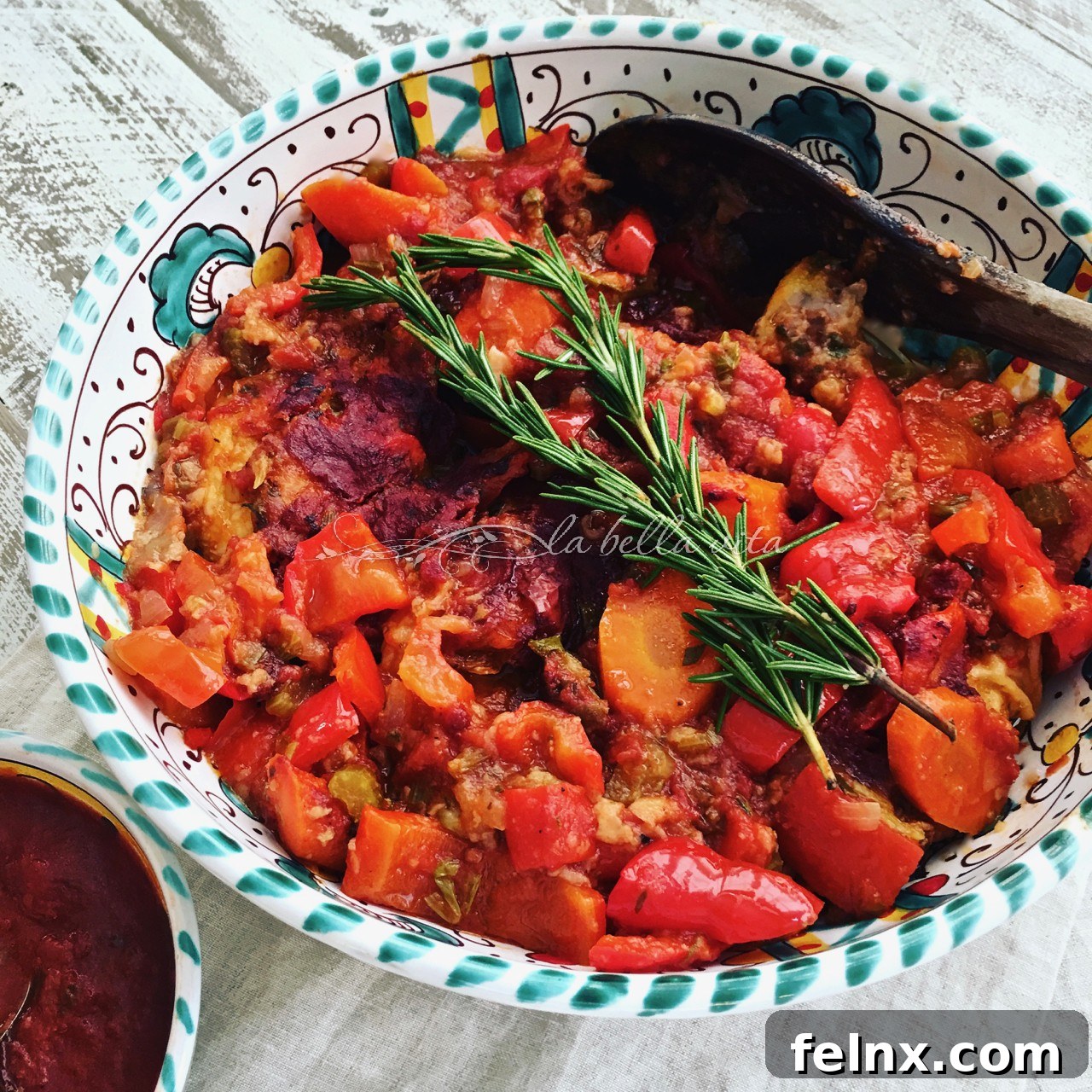
The Ultimate Guide to Classic Chicken Cacciatore: A Traditional Italian Masterpiece
As the air turns crisp and the leaves begin their vibrant transformation into shades of amber and gold, our culinary cravings naturally shift toward comfort. There is no better way to embrace the cooler weather than by filling your home with the inviting aroma of a classic Chicken Cacciatore, or as it is known in its homeland, Pollo alla Cacciatore. This timeless Italian dish is more than just a meal; it is a celebration of rustic flavors, seasonal ingredients, and the slow-cooking traditions that have defined Italian kitchens for centuries.
For this particular rendition of the recipe, we have elevated the flavor profile by incorporating a truly exceptional Sicilian white wine: Stemmari Grillo. Sent from the sun-drenched vineyards of Sicily, this wine serves as the backbone of our sauce, adding layers of complexity and a bright acidity that perfectly balances the richness of the chicken and the sweetness of the vegetables. In the world of Italian cooking, wine is not merely a beverage to be served alongside the food—it is an essential ingredient that bridges the gap between the various elements of the dish.
What Does “Cacciatore” Really Mean?
If you have never experienced the joy of making Chicken Cacciatore at home, you are about to discover one of Italy’s most treasured culinary exports. The word “cacciatore” translates literally to “hunter style.” Historically, this dish was prepared by hunters using whatever fresh ingredients they had on hand, often including wild game, foraged herbs, and local wine. While the modern version typically utilizes farm-raised chicken, the spirit of the dish remains the same: it is simple, hearty, and deeply satisfying.
The beauty of a “hunter-style” stew lies in its versatility. While there are foundational ingredients that most chefs agree upon, you will find hundreds of variations across the different regions of Italy. Some families swear by the addition of earthy mushrooms, while others prefer the briny pop of olives or the tang of capers. Regardless of the specific vegetables used, the core of the dish is always a wine-based sauce that transforms humble ingredients into something truly sublime.
The Essential Ingredients for Authentic Flavor
While every Italian nonna has her own secret twist, a traditional Chicken Cacciatore relies on a specific “soffritto”—a base of aromatic vegetables sautéed in high-quality olive oil. The standard lineup includes:
- White Wine: Essential for deglazing the pan and creating a sophisticated sauce.
- Garlic and Onions: The aromatic foundation that provides depth.
- Carrots and Celery: These add a subtle sweetness and texture.
- Red Bell Peppers: These provide a vibrant color and a mild, smoky sweetness.
- Tomatoes: Whether using fresh San Marzano tomatoes or a high-quality marinara, they provide the acidity and body of the stew.
To achieve the best results, always use a good extra virgin olive oil. The oil is the medium through which all the flavors meld together. While this recipe focuses on these classic basics, do not be afraid to customize your pot with artichokes, olives, or mushrooms to make it your own.
The Sicilian Secret: Stemmari Grillo
The choice of wine can make or break a Cacciatore. For this recipe, we selected the “Grillo” from Stemmari. Stemmari is a vineyard that serves as a pure expression of Sicily’s unique terroir. The winery is housed in a magnificent 17th-century building in Acate di Ragusa, once the summer residence of local nobility. Today, it stands as a symbol of how tradition and modern viticulture can coexist to produce elegant, intense wines.

Grillo is a native Sicilian varietal and perhaps the island’s most famous white wine. Historically, it was a primary component in the production of Marsala, but on its own, it is a delicate yet luscious wine with a beautiful straw-yellow hue. Its bouquet is nothing short of heavenly, offering tropical notes of mango and papaya intertwined with the delicate scent of jasmine. Because of its low acidity and smooth finish, it is a delightful companion for white meats and vegetable-based sauces.
When cooking with Grillo, you aren’t just adding liquid; you are adding the essence of the Sicilian sun. The grapes are grown on sandy, sloped terrains that soak up intense sunlight, resulting in a ripeness that translates into a rich, aromatic fragrance. This makes it the ideal wine to pair with seafood, veal, or our featured Chicken Cacciatore. For the best drinking experience, serve the remaining wine chilled at 50–54 degrees Fahrenheit.
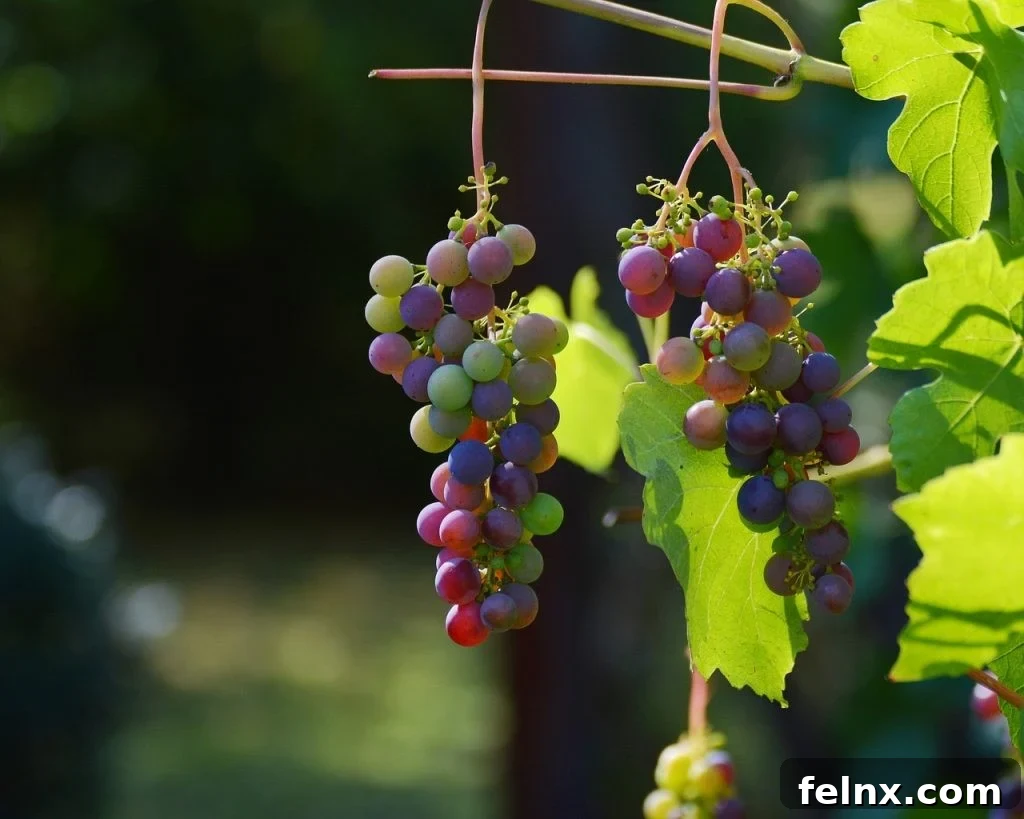
The Spirit of Sicilian Winemaking
According to the experts at Stemmari, the Mediterranean climate and fertile grounds of the island contribute to grapes that reach perfect maturity. This environment produces wines with distinct personalities and strong fragrances. While indigenous grapes like Nero d’Avola and Grillo are the stars, the Sicilian soil also provides a perfect habitat for international varietals like Chardonnay and Cabernet Sauvignon. In Sicily, these grapes express their best qualities—white wines gain a unique richness, while reds become elegant, fruity, and full-bodied.

When you sit down to a bowl of Chicken Cacciatore prepared with a wine of this caliber, you aren’t just eating dinner; you are participating in a historical tradition that spans oceans and generations. Trust us, once you taste the difference a quality Sicilian wine makes, you will never go back to using “cooking wine” again.
Chicken Cacciatore (Pollo alla Cacciatore) Recipe
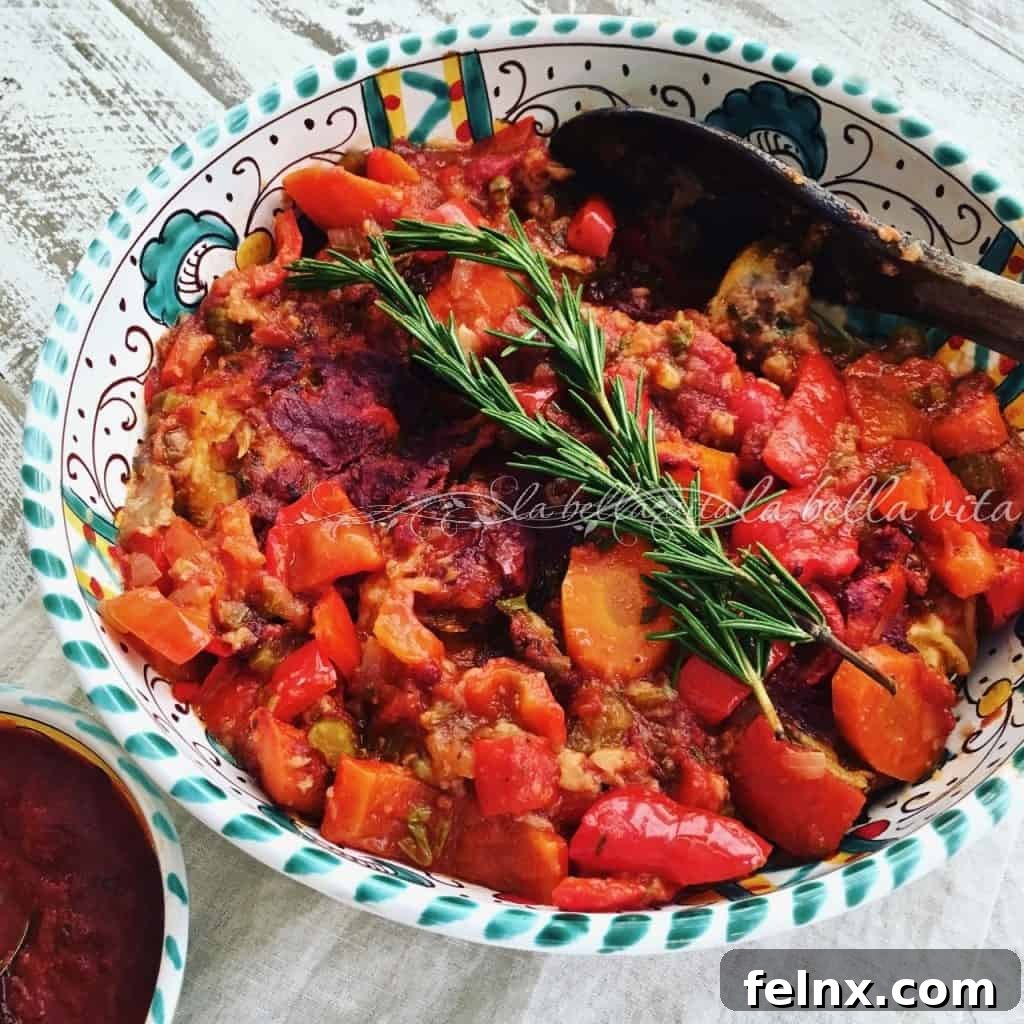
A hearty, rustic Italian stew featuring tender chicken, fresh vegetables, and a luscious white wine tomato sauce. Perfect for family dinners and cozy evenings.
Ingredients
Main Components
- 1 large chicken (4-5 pounds), cut into pieces, rinsed and dried
- 2 cups all-purpose flour (for coating)
- Freshly cracked salt and black pepper
- 1/3 cup extra virgin olive oil
- 2 large garlic cloves, finely chopped
- 1 medium yellow onion, diced
- 3 carrots, sliced diagonally
- 1 stalk celery, chopped
- 2 red bell peppers, cut into 1-inch pieces
- 5 cups high-quality marinara sauce (homemade or premium store-bought)
- 1/2 cup Stemmari Grillo white wine (or another dry white wine)
Herbs and Aromatics
- 1 tbsp fresh rosemary leaves, minced
- 6-10 fresh sage leaves, minced
- Fresh rosemary or Italian parsley for garnish
Optional Additions
- Sliced mushrooms
- Artichoke hearts
- Pitted black olives (Kalamata or Gaeta)
Step-by-Step Instructions
- Prepare the Chicken: Cut the whole chicken into its primary parts (breasts, thighs, and drumsticks). Rinse thoroughly and pat completely dry with paper towels. If you prefer a lighter dish, remove the skin from the breasts, though leaving the skin on the thighs adds wonderful flavor.
- Season and Coat: Generously sprinkle salt and pepper over the chicken pieces. Lightly dredge each piece in the flour, shaking off any excess.
- Sear the Aromatics: In a large, heavy-bottomed frying pan or Dutch oven, heat the olive oil over medium heat. Add the chopped garlic and sauté until it turns a light golden brown, being careful not to burn it.
- Brown the Chicken: Place the chicken pieces in the pan in a single layer, skin-side down. Evenly sprinkle the minced rosemary and sage over the meat. Fry until the chicken is golden and crispy, turning only once or twice. This should take about 15 minutes. Once browned, transfer the chicken to a platter and set aside.
- Sauté the Vegetables: Using the same pan (keeping the flavorful oil and garlic bits), add the onions, carrots, celery, and red peppers. Cook over medium-low heat for about 5 minutes until they begin to soften.
- Build the Sauce: Pour in the marinara sauce and the white wine. Stir well to combine all the flavors. Let the sauce simmer for about 5 minutes. Taste the sauce and add salt and pepper as needed.
- Combine and Simmer: Return the chicken pieces to the pan, nestling them into the vegetable sauce. Reduce the heat to low, partially cover with a lid, and let the flavors meld for a few minutes while stirring occasionally.
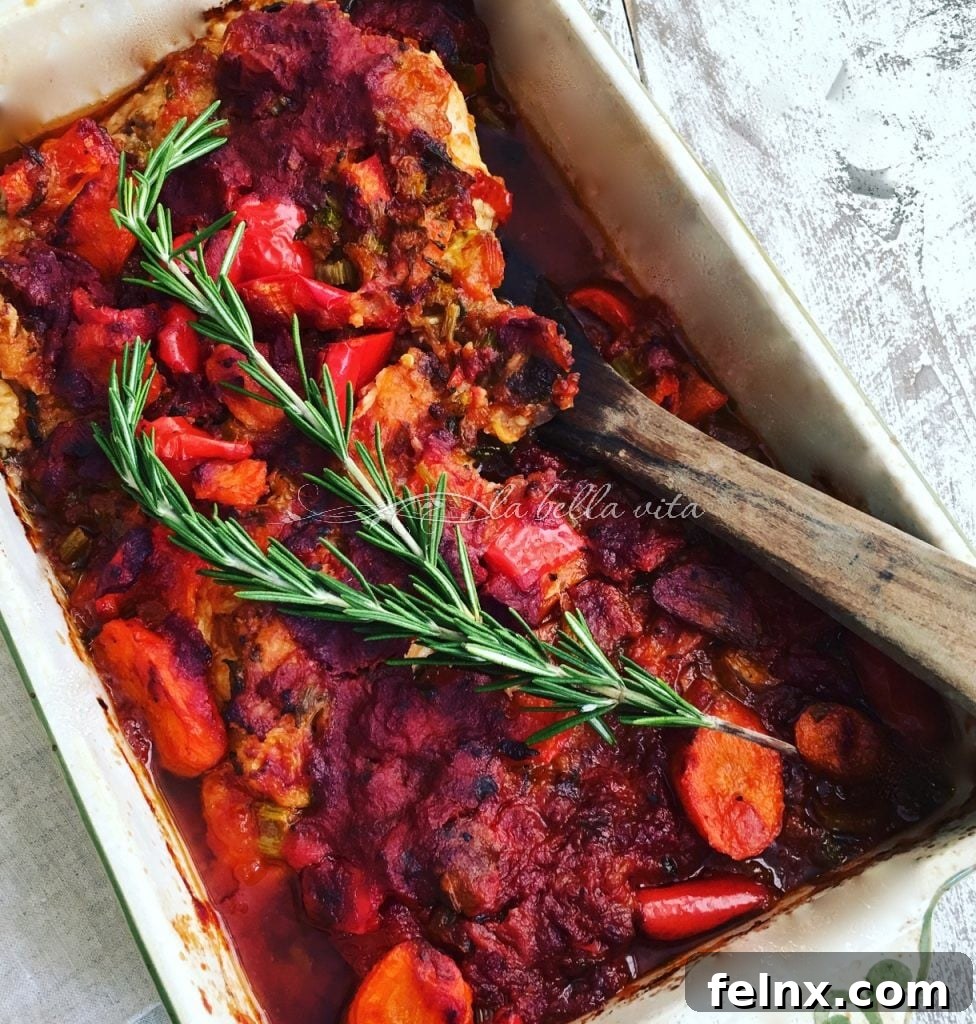
- Bake to Perfection: Transfer everything to a large casserole dish. Bake in a preheated oven at 350°F (175°C) for 35 to 45 minutes. Throughout the baking process, baste the chicken with the sauce to keep it moist. If the sauce becomes too thick, add a small splash of water or more wine.
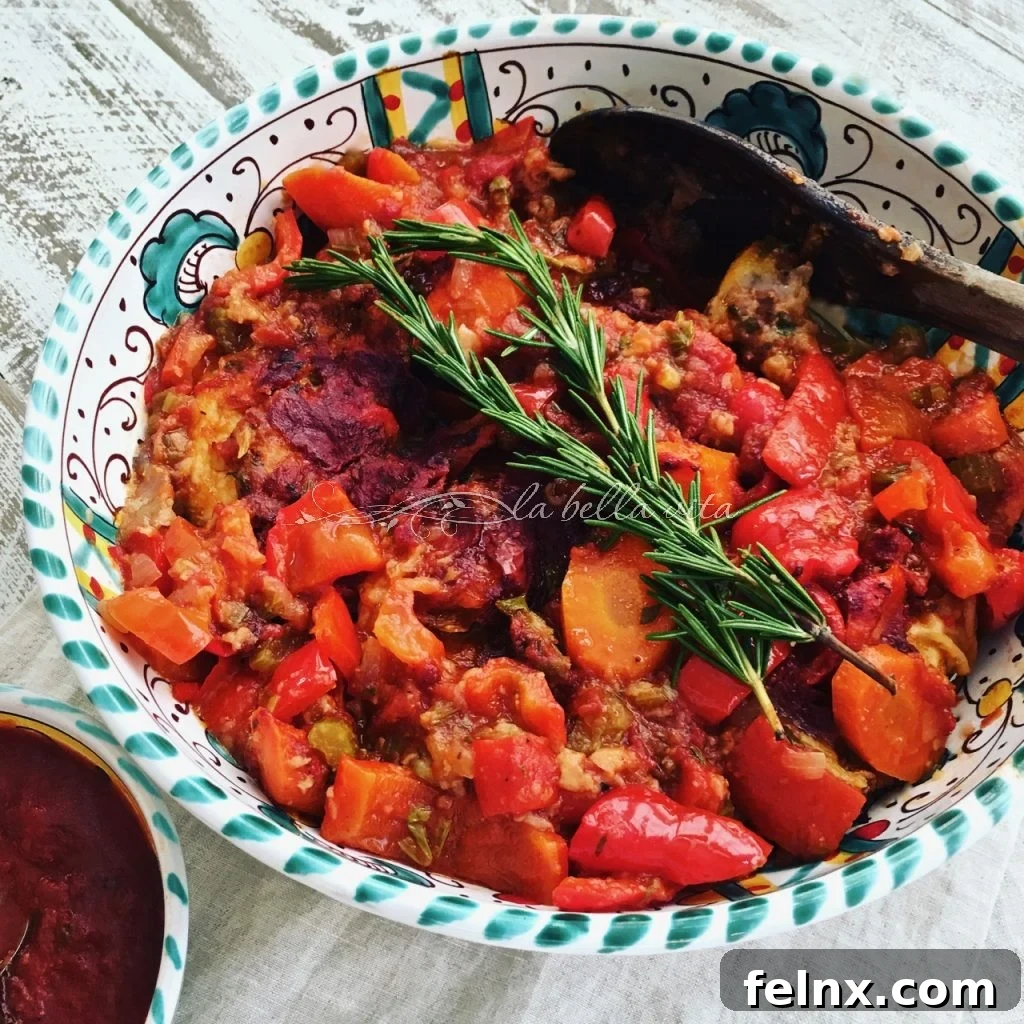
- Garnish and Serve: Once the chicken is tender and the sauce is rich, remove from the oven. Garnish with fresh sprigs of rosemary or chopped Italian parsley.
Serving Suggestion: This dish is best enjoyed immediately. Serve it alongside crusty Italian bread to soak up the sauce, or over a bed of soft, creamy polenta. For a true northern Italian experience, try serving it with fried polenta squares.
Expert Tips for the Best Chicken Cacciatore
To truly master this dish, keep these professional tips in mind:
- Don’t Rush the Browning: The “fond” (the brown bits left in the pan after searing the chicken) is culinary gold. It provides the deep, savory base that makes the sauce taste like it has been simmering for days.
- Quality of Sauce: If you aren’t making your own marinara, choose a brand that uses San Marzano tomatoes and minimal added sugar. The acidity of the tomatoes is vital for balancing the wine.
- The Vegetable Cut: Cutting the carrots on a diagonal and the peppers into uniform 1-inch pieces ensures they cook evenly and look beautiful in the finished presentation.
- Wine Selection: Never cook with a wine you wouldn’t drink. The alcohol burns off, but the concentrated flavor remains. A crisp Grillo or Sauvignon Blanc is always a better choice than a sweet wine.
Chicken Cacciatore is a testament to the fact that you don’t need expensive ingredients to create a world-class meal. With a bit of patience, a good bottle of Sicilian wine, and fresh produce, you can bring the heart of Italy into your own kitchen. Whether you’re hosting a dinner party or preparing a family meal, this recipe is guaranteed to be a hit.
Did you make this recipe?
We would love to see your creations! Leave a comment below or share a photo on Instagram and tag us. Use the hashtag #ItalianBellaVita to join our community of food lovers.