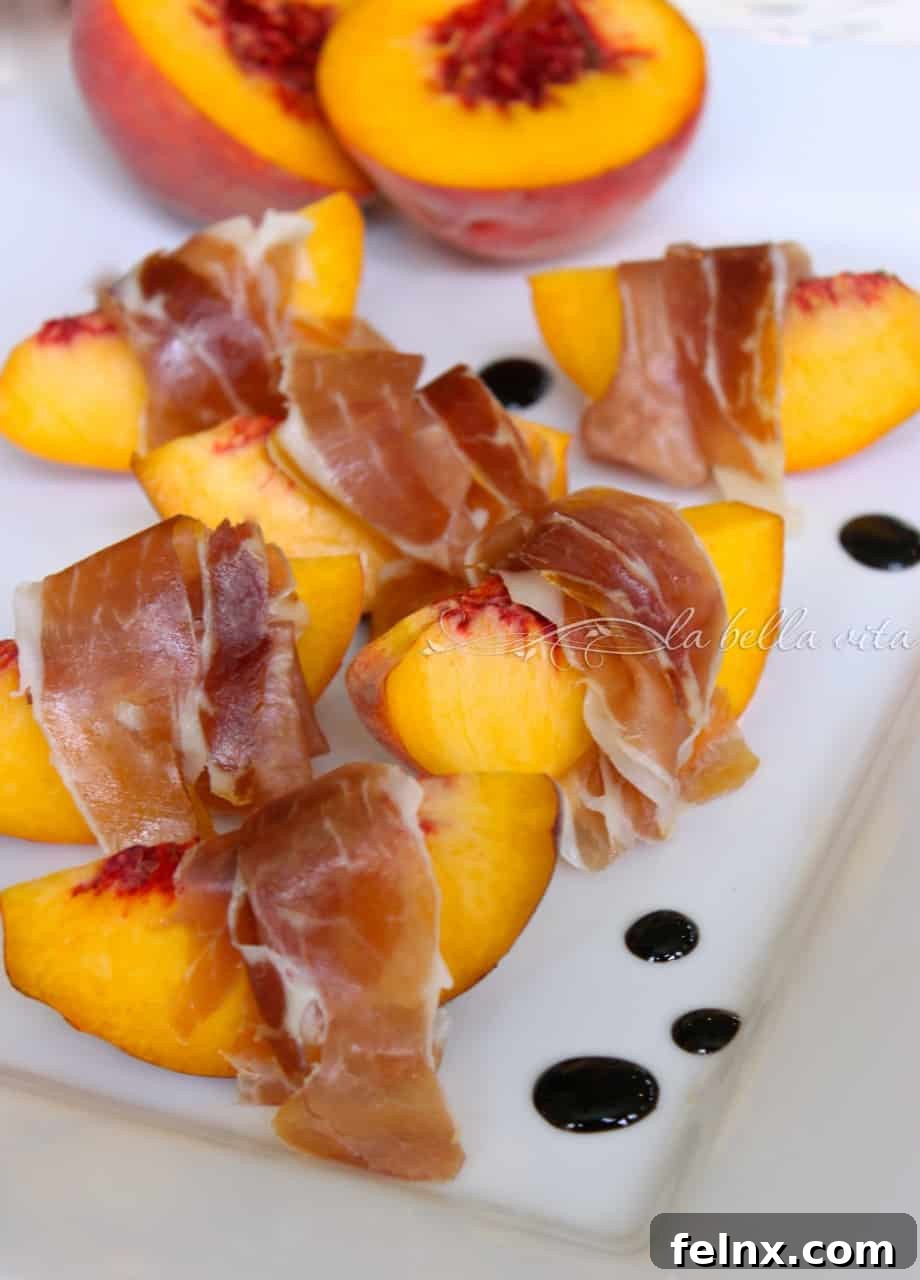
The Ultimate Late Summer Appetizer: Peaches with Prosciutto and Balsamic Glaze
As the vibrant colors of late summer begin to transition into the warm, golden hues of autumn, there is a narrow window of time to enjoy one of nature’s most exquisite gifts: fresh peaches. Specifically, in regions like South Carolina, the late summer harvest offers juicy, sun-ripened fruit that captures the very essence of the season. There is no better way to celebrate this harvest than by stepping away from the air conditioning and embracing the tradition of al fresco dining.
Eating outdoors, or “al fresco,” is more than just a meal; it is a lifestyle that celebrates fresh air, good company, and ingredients that speak for themselves. To make the most of these changing temperatures, you need a recipe that is sophisticated enough for a garden party but simple enough to prepare in minutes. Enter the classic Italian pairing of Peaches with Prosciutto and Balsamic Glaze. This dish is a masterclass in flavor balance, combining the succulent sweetness of the fruit with the salty, savory depth of cured ham and the acidic punch of aged vinegar.
Why This Recipe Works: The Science of Flavor
Great cooking often relies on the contrast between different taste profiles. This appetizer hits almost every note on the palate. The sweetness of the ripe peach provides the base. When you wrap that peach in a thin, delicate slice of salty prosciutto, you create a contrast known in the culinary world as “sweet and savory.” This combination is addictive because it keeps the taste buds stimulated.
The addition of a high-quality balsamic glaze introduces a third element: acidity. The vinegar cuts through the richness of the meat and enhances the natural sugars in the fruit. Finally, there is the umami—that deep, meaty satisfaction that comes from properly cured Italian ham. Whether you serve this as a light lunch, a sophisticated starter, or a healthy dessert, it offers a clean, chemical-free dining experience that is as nutritious as it is delicious.
Choosing the Best Ingredients
Because this recipe uses only three main components, the quality of each ingredient is paramount. You cannot hide subpar produce behind heavy sauces or complex cooking techniques. To truly master this dish, you must focus on the source.
1. The Peaches: South Carolina’s Pride
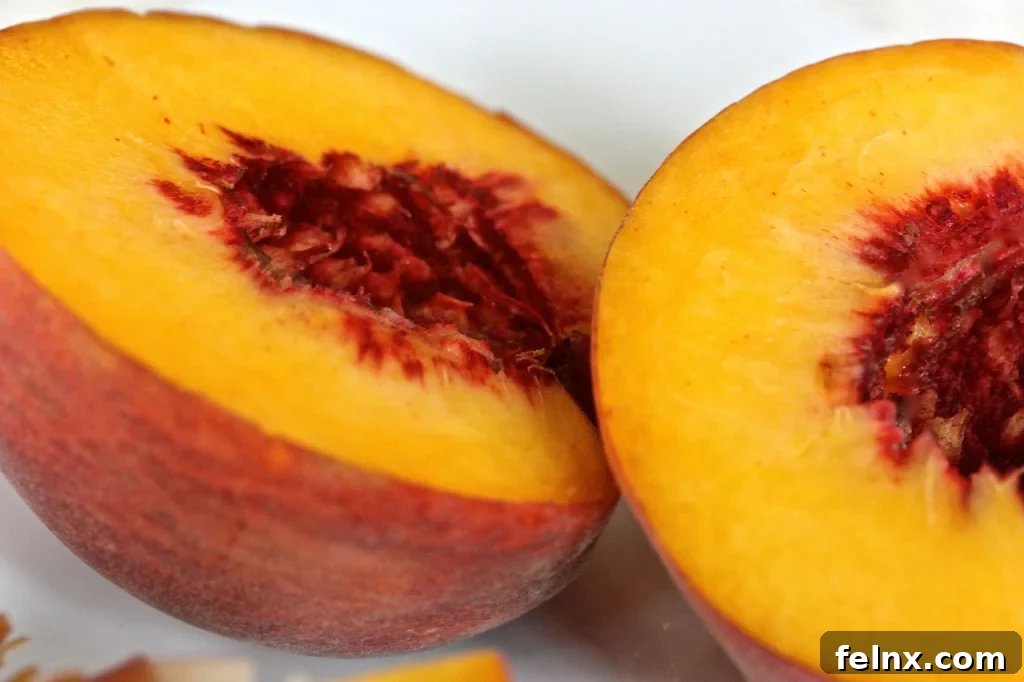
While Georgia is often called the Peach State, many connoisseurs argue that South Carolina peaches are second to none. For this recipe, you want to look for “free-stone” peaches. Unlike “cling-stone” varieties, where the flesh sticks to the pit, free-stone peaches allow you to easily remove the stone, leaving you with perfect, unbruised wedges. Look for fruit that gives slightly to gentle pressure and has a fragrant, floral aroma. If the peach doesn’t smell like anything, it likely won’t taste like much either.
2. The Prosciutto: A Taste of Emilia-Romagna
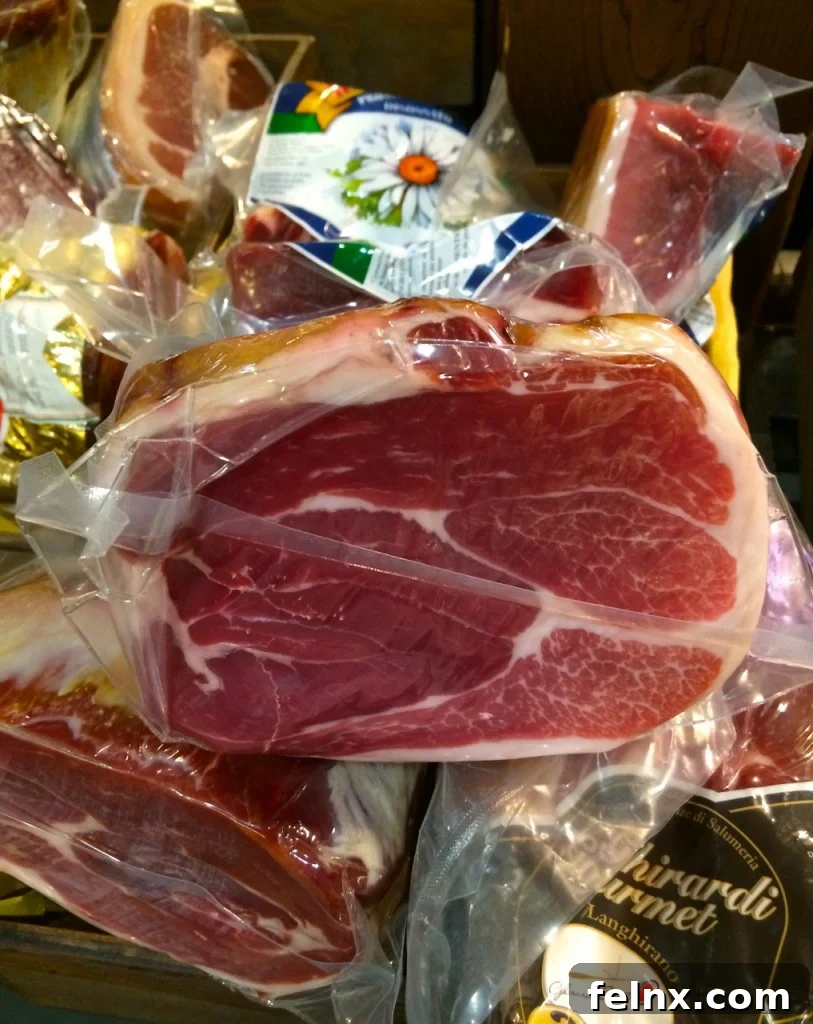
In Italy, food is treated with a level of reverence that is legally protected. The most famous ham in the world, Prosciutto di Parma, comes from the Emilia-Romagna region. This product is strictly regulated by the Italian government to ensure it contains only two ingredients: pork and sea salt. The aging process, which can last from 12 to 36 months, allows the flavors to concentrate, resulting in a buttery texture and a complex, nutty flavor.
3. The Balsamic Glaze
While traditional balsamic vinegar is thin, a balsamic glaze (or crema) is reduced until it is thick and syrupy. This allows it to cling to the fruit and meat rather than running off the plate. Look for a glaze that has a balance of sweetness and tang without being overly sugary. A high-quality glaze should have a deep, dark color and a velvety consistency.
The Cultural Significance of Prosciutto
When traveling through Italy, specifically in Northern cities like Parma or Modena, you quickly realize why locals claim their food is superior. It isn’t just pride; it’s a matter of purity and export laws. Many of the highest-grade cured meats are kept within the country for domestic consumption. The prosciutto you find in a local Italian salumeria often has a more vibrant color and a more delicate saltiness than the versions exported to the United States.
A common mistake travelers make is trying to bring these delicacies back home. Due to strict customs and agricultural regulations, bringing meat products across international borders is often prohibited. Many high-end hams are confiscated at airports or shipping centers. If you find yourself in Italy and buy a beautiful piece of prosciutto, the best advice is to enjoy it there or gift it to a local friend. As the saying goes, “The best prosciutto remains in Italy.”
Recipe Variations for Every Season
While peaches are the star of late summer, this recipe template is incredibly versatile. As the seasons shift, you can swap the fruit to keep the dish relevant to the harvest:
- October: Use ripe mission figs or thinly sliced pears.
- Winter: Try persimmons for a unique, honey-like sweetness.
- Spring: Serve with fresh melon (Prosciutto e Melone) for a classic Roman refreshment.
To turn this simple appetizer into a full meal, consider adding a cheese board. Chunks of Gorgonzola Dolce provide a creamy, funky contrast, while Fontina or Asiago offer a milder, nutty profile. Pair everything with a warm loaf of rosemary focaccia, and you have a complete al fresco feast.
The Art of Al Fresco Hosting
To truly enjoy this dish, you must set the scene. Al fresco dining is about slowing down. Here are a few tips for hosting the perfect late-summer gathering:
- Timing: Aim for “Golden Hour”—the hour before sunset. The light is beautiful for photos, and the temperature is usually at its most comfortable.
- Simplicity: Don’t overthink the decor. A simple linen runner, some fresh herbs in a jar, and quality glassware are all you need.
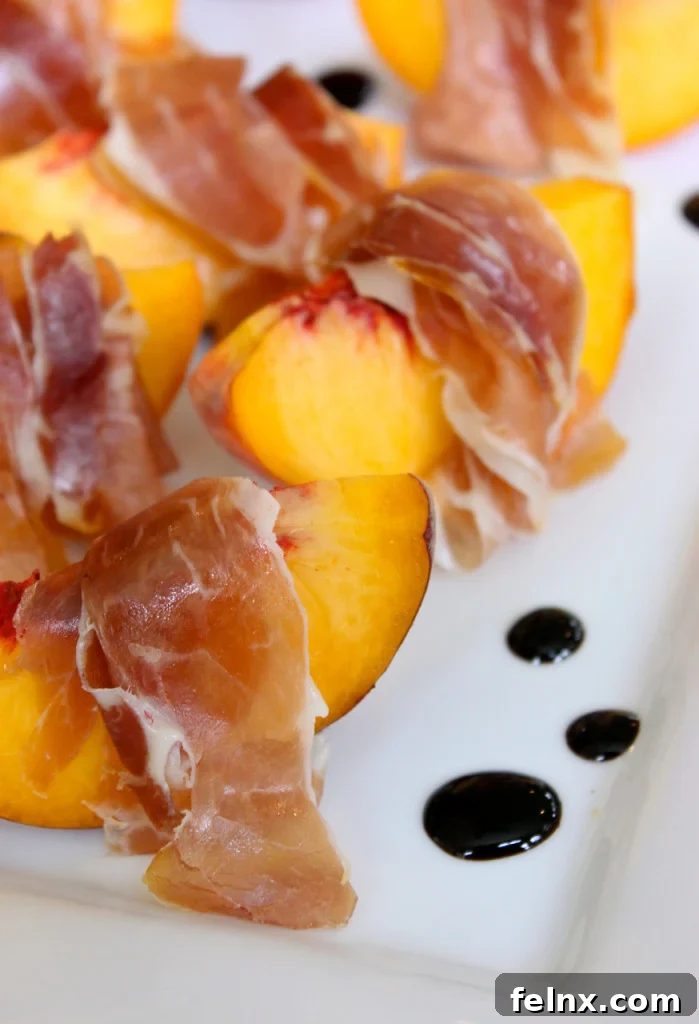
- Presentation: Arrange the wrapped peaches on a wooden board or a slate platter to emphasize the rustic, artisanal nature of the ingredients.
Detailed Instructions
This recipe is perfect for those who want maximum flavor with minimum effort. There is no cooking involved, making it ideal for hot days when you want to keep the kitchen cool.
Ingredients
- Fresh Free-Stone Peaches: 3 to 4 large peaches (enough for your guest count).
- Prosciutto di Parma: 1/4 pound, sliced paper-thin.
- Balsamic Glaze: 1/4 cup for drizzling.
- Optional: Fresh basil leaves or cracked black pepper for garnish.
Step-by-Step Preparation
- Prepare the Fruit: Gently wash the peaches. While some prefer the skin on for texture, traditional versions often involve removing the fuzzy skin. Use a sharp paring knife to remove the skin and then slice the peach away from the pit into 1/2-inch wedges.
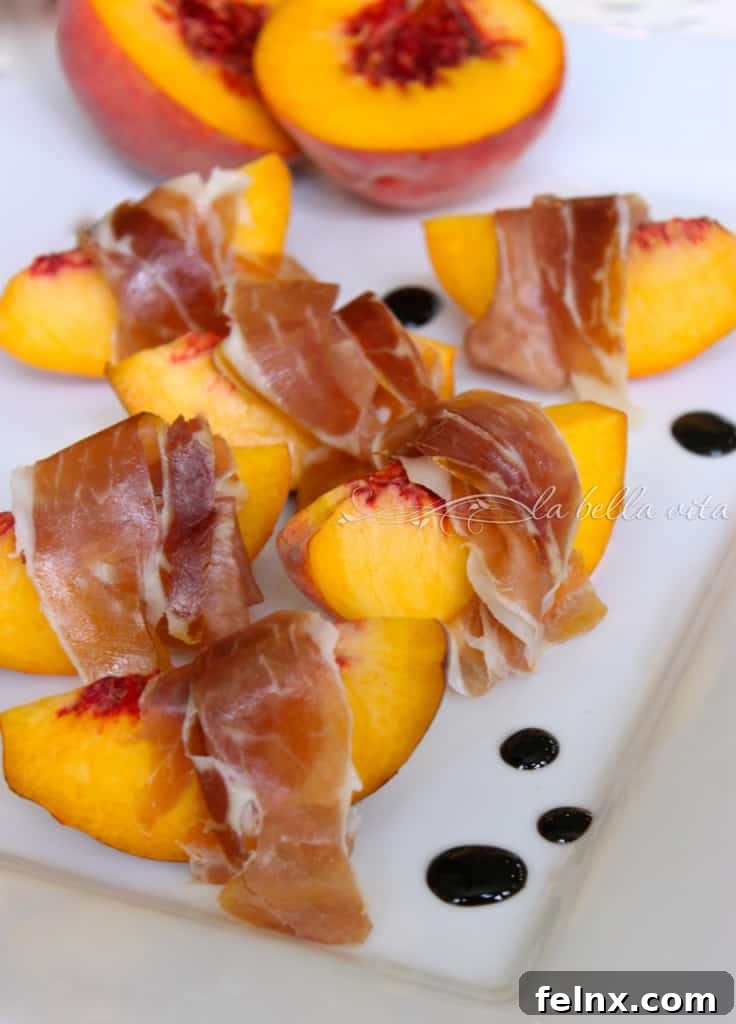
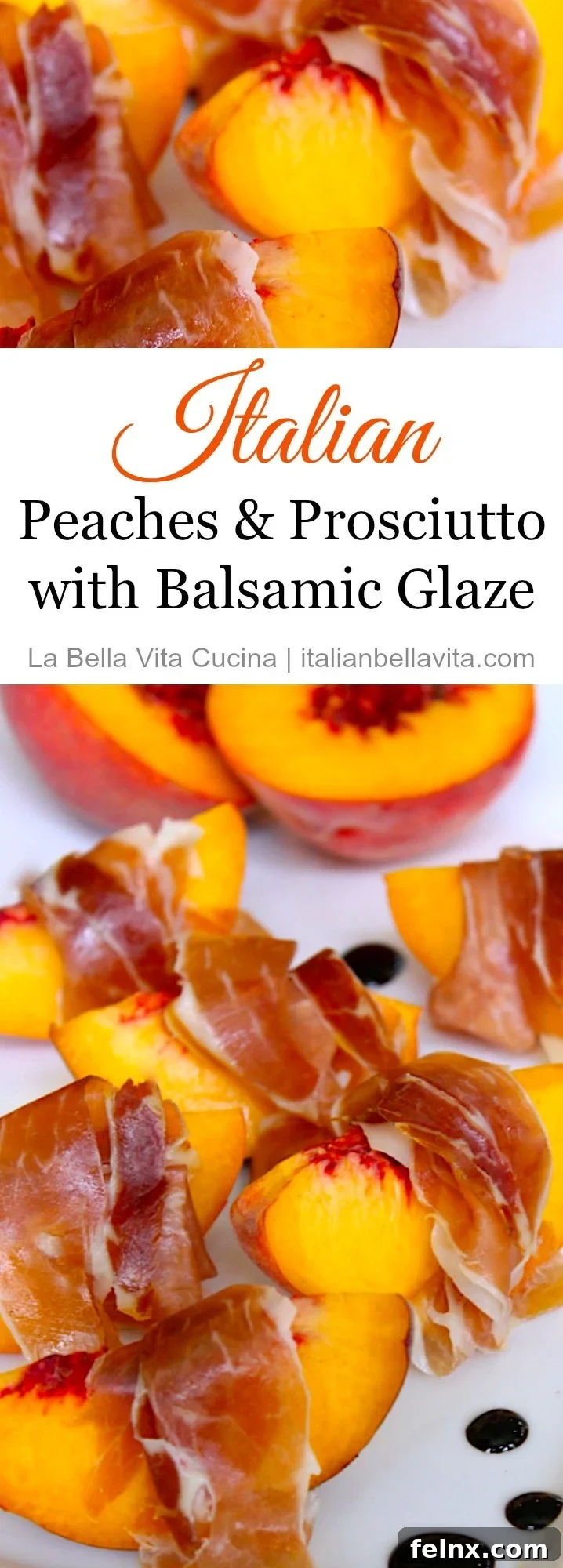
- Wrap with Care: Take a slice of prosciutto. If the slices are very large, you can tear them in half lengthwise. Wrap the ham around the middle of each peach wedge. The natural moisture of the peach will help the ham stick.
- Arrange: Place the wrapped wedges on a serving platter. Ensure they aren’t crowded so that each piece is easy to pick up.
- Final Flourish: Just before serving, drizzle the balsamic glaze in a decorative zig-zag pattern over the peaches. For an extra pop of color, scatter a few hand-torn basil leaves over the top.
Health Benefits of this Dish
Beyond its incredible taste, this appetizer is a healthy choice for modern diners. Peaches are rich in Vitamin C, Vitamin A, and potassium. They provide dietary fiber and antioxidants that support heart health and skin glow. Prosciutto, when consumed in moderation, provides a good source of protein and B vitamins. Because the dish is naturally gluten-free and avoids heavy fats or processed sugars, it fits into many dietary lifestyles, including the Mediterranean diet, which is widely considered one of the healthiest in the world.
Wine Pairing Suggestions
To elevate this experience even further, consider pairing the dish with a crisp, chilled wine. The goal is to find a wine with enough acidity to match the balsamic glaze and enough fruitiness to complement the peaches.
- Prosecco: The bubbles cleanse the palate between bites of salty ham.
- Rosé: A dry Provence-style rosé with notes of strawberry and citrus is a natural match for stone fruits.
- Pinot Grigio: A light, zesty white wine that won’t overwhelm the delicate flavors of the prosciutto.
Conclusion: Celebrate the Season
Food has a unique ability to ground us in the present moment. A simple plate of Peaches with Prosciutto and Balsamic Glaze reminds us to appreciate the bounty of the earth and the craftsmanship of traditional food producers. Whether you are in South Carolina enjoying the local harvest or in Italy tasting authentic Parma ham, this recipe is a testament to the beauty of simplicity. So, grab a bottle of wine, head outdoors, and savor the last few weeks of summer with a dish that is truly bella vita.
Recipe Summary: Peaches with Prosciutto and Balsamic Glaze
Yields: Depends on guest count | Prep time: 10 minutes | Cook time: 0 minutes
Ingredients
- Freshly-picked free-stone peaches (sliced into wedges)
- Thinly sliced Prosciutto (as much as desired)
- High-quality Balsamic Glaze (for drizzling)
Instructions
- Remove the skin and pits from the peaches.
- Slice the peaches into uniform 1/2-inch wedges.
- Wrap each wedge with one or two delicate ribbons of prosciutto.
- Drizzle generously with balsamic glaze right before serving.
Did you try this recipe? We would love to see your creations! Share your photos on Instagram and tag your posts to join our community of food lovers who appreciate the simple elegance of Italian-inspired cuisine.