The Ultimate Guide to Creating a Breathtaking Summer Perennial Garden
Summer is a season of transformation, a time when the hard work of spring finally manifests in a symphony of colors and fragrances. For any gardening enthusiast, there is no greater joy than taking early morning and late evening strolls through a lush, vibrant garden. The sight of dew clinging to delicate petals and the intoxicating scent of fresh blooms in the cool air are experiences that define the beauty of the season. To many, a summer without a thriving flower garden is simply unimaginable.
The Philosophy of Patience: The Three-Year Rule for Perennials
One of the most important lessons any gardener learns is that nature cannot be rushed. Creating a masterpiece in your backyard requires more than just water and sunlight; it requires time. Many veteran gardeners follow the “Sleep, Creep, and Leap” rule. In the first year, perennials “sleep” as they focus all their energy on establishing a strong root system. In the second year, they “creep,” showing modest growth above ground. By the third year, they finally “leap,” filling their designated spots with an explosion of foliage and flowers.
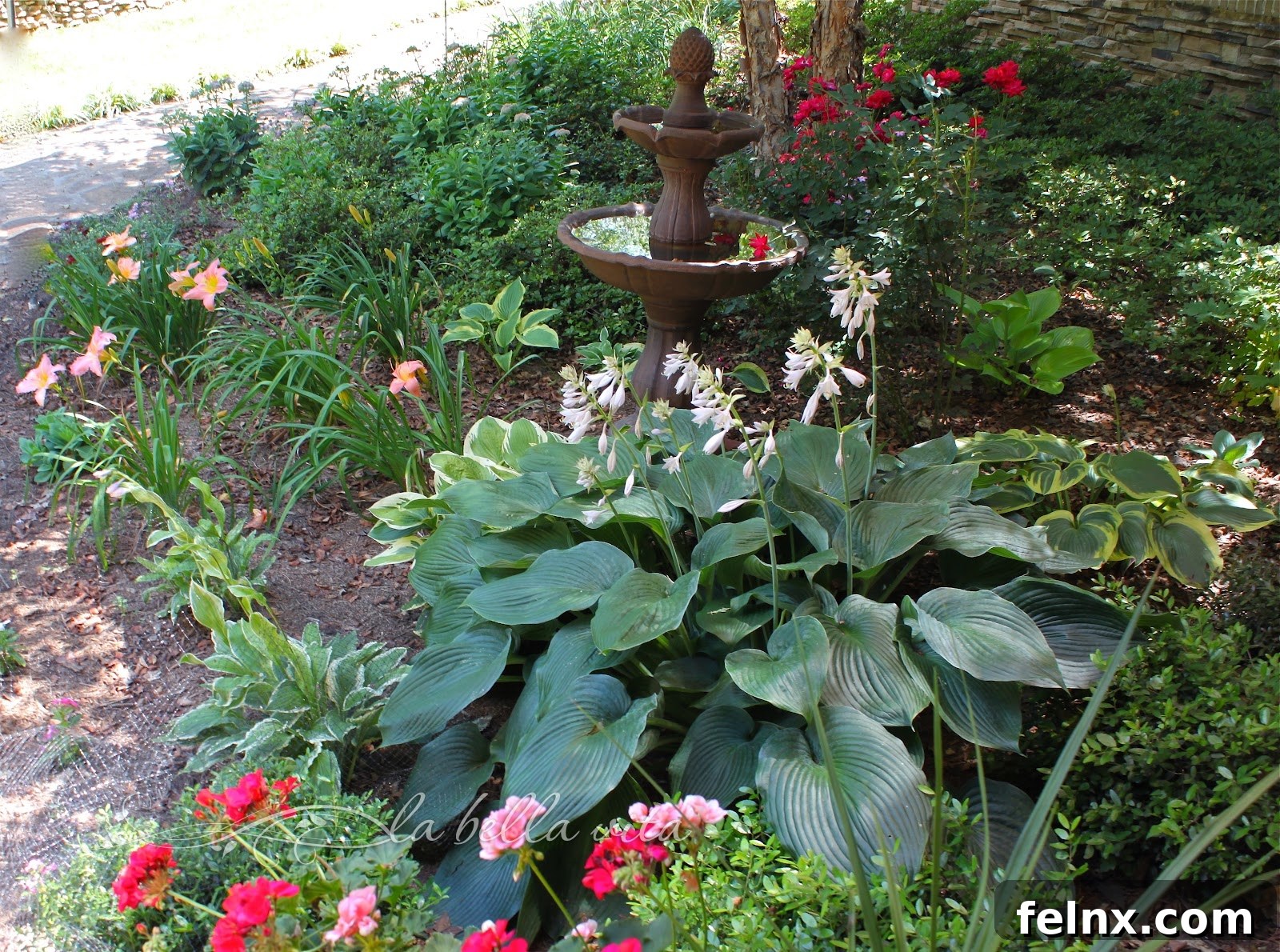
This year marks the “leap” year for many of the plants in my personal garden. The daylilies, roses, hostas, and sedum have finally matured, creating a grand show right outside my kitchen window. It is a rewarding sight that proves that patience is indeed a virtue in landscaping.
Exploring the Versatility of Daylilies
Daylilies, or Hemerocallis, are often referred to as the “perfect perennial.” They are incredibly hardy, easy to grow, and available in a staggering array of colors and patterns. While each individual flower typically lasts only one day, a single plant can produce dozens of buds, ensuring a continuous display of color for several weeks.
In this garden, the daylilies provide a multi-layered color palette. From soft, buttery lemon-yellow tones to deep, vibrant pinks, these flowers capture the essence of summer light. They are particularly effective when planted in clusters, where their arching foliage provides a nice texture even when the plants are not in full bloom.
The Giants of the Shade: Hostas and Their Majestic Foliage
While flowers often steal the spotlight, a professional-looking garden relies heavily on foliage for structure and contrast. Hostas are the undisputed kings of the shade garden. They offer a variety of textures, from smooth and waxy to deeply ribbed and puckered. Among the many varieties, the “Blue Mammoth” stands out for its sheer size and presence. Its massive, blue-green leaves create a dramatic backdrop for smaller, variegated hostas and colorful perennials.
Another favorite is the “Sum and Substance” hosta. This variety is known for its lime-green or chartreuse color, which can brighten up even the darkest corners of a garden. These plants are relatively low-maintenance, requiring only consistent moisture and protection from the afternoon sun to look their best.
Capturing the Magic of Morning Light
There is a specific quality to the morning sun at dusk—that golden hour when the light is soft and directional. When this light passes through the delicate, translucent petals of a daylily, it creates a glow that looks almost like velvet. This sensory detail is what makes gardening so rewarding. It’s not just about the plants; it’s about how they interact with the environment throughout the day.
The Role of Fragrance: Gardenias and Scented Landscapes
A truly immersive garden engages all the senses, and fragrance is perhaps the most powerful of all. Since May, the gardenias have been in full bloom, filling the air with an intoxicating, sweet scent. Gardenias are prized for their creamy white flowers and glossy dark green leaves. While they can be a bit finicky about their growing conditions, the olfactory reward they provide makes them well worth the effort.
Modern Classics: The Appeal of Knock Out Roses
For many years, roses were considered difficult to maintain, prone to pests and diseases. However, the introduction of the “Knock Out” rose series changed everything. These roses are celebrated for being incredibly prolific and bug-resistant. In this garden, the crimson red varieties provide a stunning contrast against the grey stone walls and the vibrant green of the lawn. These bushes are only a year old, yet they have already become a focal point of the landscape, blooming repeatedly throughout the summer months.
Designing with Texture and Color Contrast
Successful garden design often relies on pairing plants that offer contrasting colors and textures. For example, planting a patch of pink and chartreuse Sedum in front of a lime-colored “Sum and Substance” hosta creates a dynamic visual interest. The succulent, fleshy leaves of the sedum provide a sharp contrast to the broad, sweeping leaves of the hosta. This type of “layered” planting ensures that there is always something interesting to look at, even when specific plants aren’t in flower.
Adding the Elements: Water and Sound
Beyond the plants, the most peaceful gardens often incorporate water elements. A tall water fountain, with its gentle, trickling sound, can transform a quiet backyard into a sanctuary. The sound of moving water is naturally calming and helps mask any distant noise from the outside world. In a large bed featuring hostas, daylilies, and roses, a fountain serves as a vertical anchor, drawing the eye upward and providing a sense of completion to the design.
As the garden transitions through the months, different plants take the lead. The azaleas, which were the stars of the show back in April, have now moved into their green stage, providing a solid backdrop for the summer performers. To ensure the garden continues to look full in the future, we have already introduced a new group of smaller hostas. In a few years, they will fill the empty spaces, continuing the cycle of growth and renewal.
The Life Lessons Taught by the Garden
Gardening is more than just a hobby; it is a teacher. It teaches us about the seasons of life, the importance of nurturing, and most importantly, the power of patience. We live in an age of instant gratification, but a garden reminds us that the best things in life take time to grow. Whether you are planting your first rose bush or maintaining a decades-old landscape, the reward is always the same: a deeper connection to the natural world and a peaceful space to call your own.
Thank you for taking this virtual stroll through the garden today. Hopefully, these glimpses of summer blooms have inspired you to get your hands in the dirt and start planning your own three-year masterpiece. Remember, the best time to plant a tree was twenty years ago; the second best time is today.