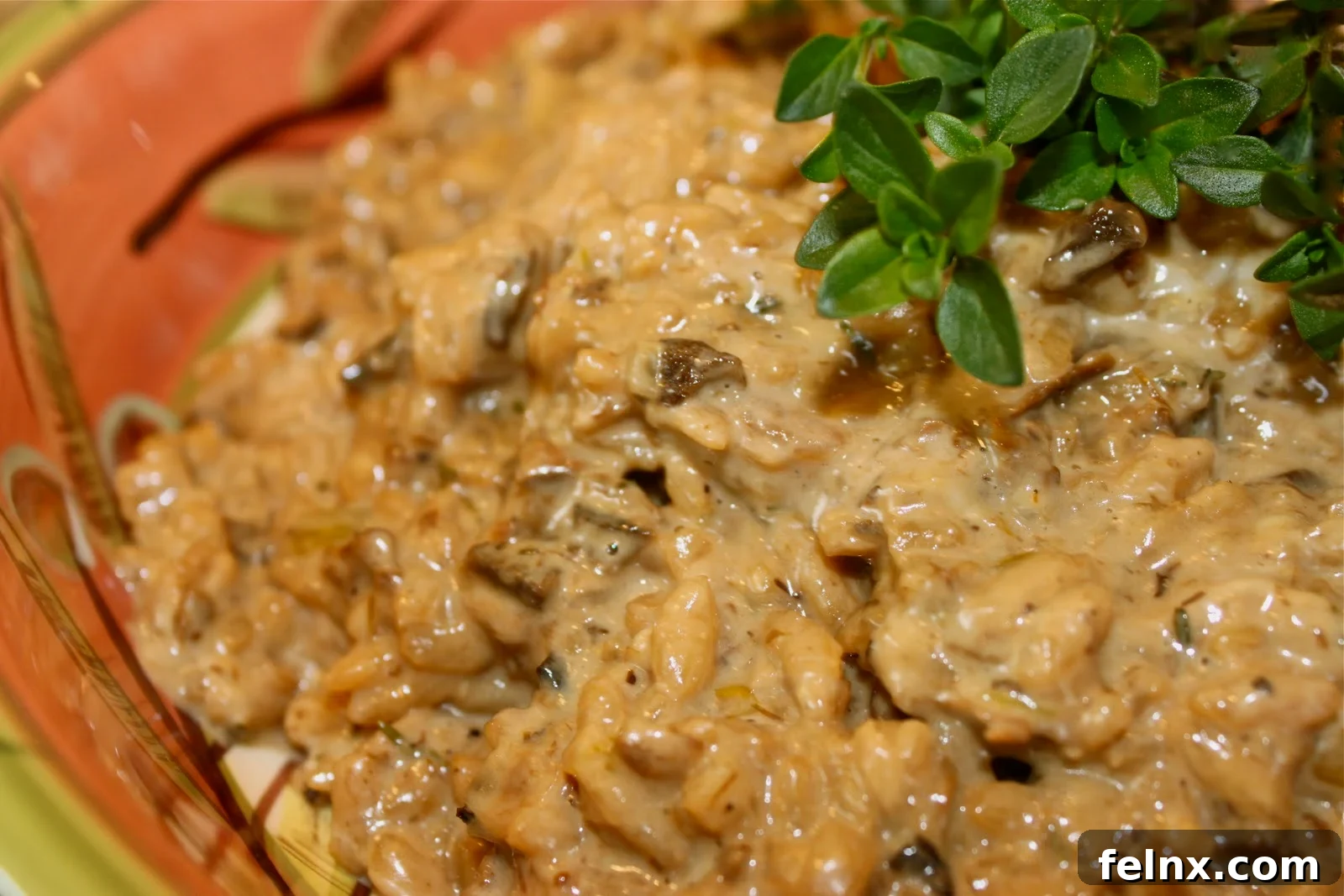
The Heritage of Carolina Gold Rice: A Local Flavor Journey to Porcini Mushroom Risotto
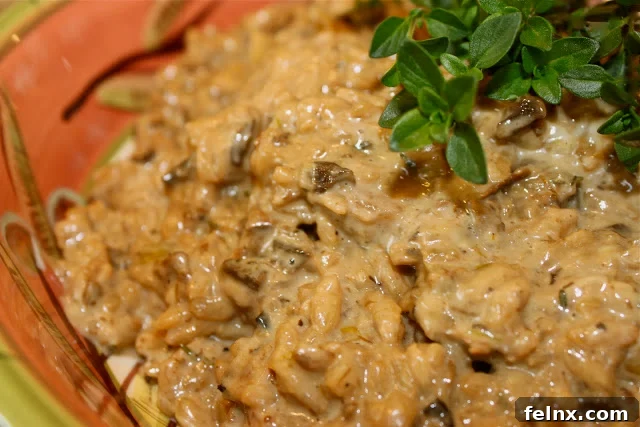
Embracing the lifestyle of a “locavore” is more than just a culinary trend; it is a commitment to understanding the roots of our food and supporting the ecosystems that surround us. This philosophy serves as the foundation for the “100 Miles of Flavor” initiative, a theme celebrated by the Cooking Light Virtual Supper Club. The goal is simple yet profound: to source ingredients within a 100-mile radius of one’s home, ensuring freshness, sustainability, and a deep connection to the land.
Finding local produce in South Carolina during the month of April can be a unique challenge. While the state is famous for its peaches, it is far too early for those sun-ripened gems. Even rhubarb, a spring staple in many regions, hasn’t quite reached its peak. When searching for something truly authentic and historically significant to the region at this time of year, one ingredient stands out above all others: rice.
The Legendary History of Carolina Gold Rice
Many food enthusiasts may be surprised to learn that South Carolina holds a prestigious place in the history of American agriculture. Specifically, it is home to the only colonial-era rice plantation that still produces rice today. This isn’t just any grain; it is a special variety known for its distinctive aroma and an aromatic flavor profile that dates back to the 18th century. Finding this level of quality elsewhere is nearly impossible, making it a true treasure of the Low Country.
The exceptional taste of this rice is a direct reflection of its “terroir”—the unique combination of rich soil, humid climate, and the complex interplay of river water and ocean tides. Even lifestyle and gardening icon Martha Stewart has lauded South Carolina rice, claiming it to be the most aromatic variety grown in the United States. Such high praise from a culinary authority speaks volumes about the quality of this local staple.

The story of “Carolina Gold” is as rich as its flavor. Its journey began in 1685 when a merchant ship from Madagascar, seeking repairs, arrived in Charleston. To pay for the services rendered, the captain offered a small quantity of rice seed to Dr. Henry Woodward. This single gesture sparked a 200-year legacy, positioning South Carolina as the leading rice producer in the nation. However, by the turn of the 20th century, the industry nearly collapsed due to a combination of economic shifts, a lack of modern machinery, and fierce competition from the Gulf States.

For a long time, rice labeled as “Carolina Gold” was actually being grown in the Gulf States, far from its ancestral home. Fortunately, a group of dedicated growers under the name Carolina Plantation Rice made a commitment to bring the authentic product back to its roots. By dedicating specific acreage in South Carolina to the cultivation of these heirloom seeds, they have successfully revived the true, authentic Carolina Gold rice for modern kitchens.

The Art of the Perfect Risotto
Given the availability of such a high-quality local grain, choosing rice as a featured ingredient was an easy decision. The next step was finding a preparation method that would do justice to this heirloom variety. Risotto—the creamy, indulgent Italian classic—emerged as the perfect candidate. While Arborio is the standard choice for most risotto recipes, Carolina Gold is an exceptional substitute because of its starch content and ability to absorb flavors while maintaining a delicate texture.
The recipe selected for this journey was a Risotto with Porcini Mushrooms and Mascarpone Cheese. This dish strikes a perfect balance between decadence and dietary mindfulness. It offers the hearty, “umami” depth of mushrooms paired with the velvety richness of mascarpone, creating a meal that feels like it belongs in a five-star restaurant yet can be prepared in a home kitchen.
One of the most remarkable things about this dish is its universal appeal. Even those who typically shy away from mushrooms often find themselves captivated by the rich, savory profile of the porcini. The result is a “creamy, dreamy” indulgence that provides a sense of luxury without excessive calories. It is a testament to how high-quality ingredients can elevate a simple recipe into something truly extraordinary.
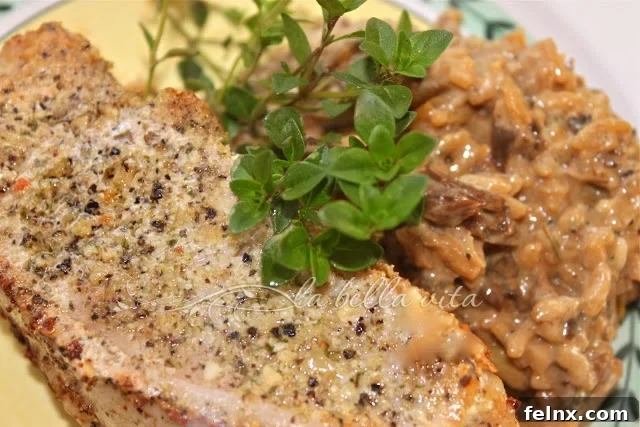
Cooking Tips and Personal Touches
While the original recipe from Cooking Light is outstanding, there is always room for a few personal adjustments to suit individual tastes. For instance, increasing the amount of garlic can add a sharper, more robust flavor that complements the earthiness of the porcini mushrooms. Garlic is a natural partner for mushrooms and rice, providing a fragrant base that permeates the entire dish.
Another helpful tip involves the consistency of the risotto. Depending on the heat of your stove and the exact type of rice used, you might find the mixture thickening more than expected. To remedy this, adding a small amount of half-and-half or extra broth at the very end of the cooking process can restore that signature “all’onda” (wavy) texture that defines a perfect risotto. The goal is a dish that flows slightly on the plate rather than sitting in a stiff clump.
The use of dried porcini mushrooms is another critical element. Dried mushrooms are flavor powerhouses; as they soak in boiling water, they create a rich, dark liquid that is essentially a mushroom “espresso.” By using this soaking liquid as part of the cooking broth, you ensure that every grain of rice is infused with a deep, woody essence.
Recipe: Risotto with Porcini Mushrooms and Mascarpone Cheese
This recipe combines traditional Italian techniques with the exceptional quality of local South Carolina rice. It serves as a hearty side dish or a satisfying vegetarian main course.
Ingredients
- 1-1/2 cups boiling water
- 1/2 cup dried porcini mushrooms (approx. 1/2 ounce)
- 1 can (14 oz) less-sodium beef broth
- Cooking spray or a small amount of olive oil
- 1 cup uncooked Arborio rice or Carolina Gold Rice
- 3/4 cup chopped shallots
- 4 garlic cloves, minced
- 1/2 cup dry white wine (such as Pinot Grigio or Sauvignon Blanc)
- 1/4 cup freshly grated Parmigiano-Reggiano cheese
- 1/2 cup mascarpone cheese
- 3 Tbsp. half and half (optional, for creaminess)
- 1 Tbsp. chopped fresh thyme (or 1 tsp. dried)
- 1/2 tsp. sea salt
- 1/2 tsp. freshly ground black pepper
- Extra Parmigiano-Reggiano for serving
Step-by-Step Instructions
- Rehydrate the Mushrooms: Place the dried porcini mushrooms in a small bowl and cover with 1-1/2 cups of boiling water. Let them sit for about 10 minutes until they are soft and pliable.
- Strain and Prep: Drain the mushrooms through a fine-mesh colander, making sure to catch the liquid in a separate bowl. Measure out 1-1/4 cups of this mushroom liquid. Finely chop the rehydrated mushrooms.
- Warm the Broth: In a small saucepan, combine the reserved mushroom liquid and the beef broth. Bring to a gentle simmer over low heat. It is vital to keep this liquid warm throughout the cooking process so it doesn’t lower the temperature of the rice.
- Sauté Aromatics: Lightly coat a large saucepan with cooking spray or oil. Heat over medium-high heat. Add the rice, chopped shallots, and minced garlic. Sauté for about 5 minutes, stirring constantly to toast the rice slightly without burning the garlic.
- Deglaze: Pour in the white wine. Continue stirring until the liquid has been almost completely absorbed by the rice (about 2 minutes).
- The Slow Cook: Add 1 cup of the warm broth mixture to the rice. Cook over medium heat, stirring occasionally, until the liquid is nearly absorbed.
- Incremental Liquid Addition: Continue adding the remaining broth mixture, about 1/2 cup at a time. Wait until each addition is absorbed before adding the next. This process should take about 25 minutes. The constant stirring helps the rice release its starch, creating a naturally creamy sauce.
- Final Flourish: Once the rice is tender but still has a slight “bite” (al dente), stir in the chopped mushrooms, Parmigiano-Reggiano, mascarpone cheese, thyme, salt, and pepper.
- Adjust Consistency: If the risotto seems too thick, stir in the half and half. The cheese should be just melted and the texture should be velvety.
- Serve: Dish out the risotto immediately while warm. Provide extra cheese on the side for guests to customize their plates.
Nutritional Note: This version of the dish contains approximately 198 calories per 1-cup serving, making it a relatively light yet flavor-packed option for a formal dinner or a cozy family meal.
Final Thoughts on Local Sourcing
This journey through the history of Carolina Gold rice and the creation of a gourmet risotto highlights the beauty of the locavore movement. By choosing ingredients that have a story—whether it’s an heirloom grain with a 300-year history or a mushroom variety that bridges the gap between Italian and American cuisines—we create more than just a meal. We create an experience that honors the past while celebrating the flavors of the present.
Whether you are in South Carolina or elsewhere, searching for local ingredients can transform your cooking. It encourages curiosity, supports local farmers, and often leads to the discovery of flavors that are far superior to mass-produced alternatives. Next time you plan a dinner, consider the “100-mile” challenge. You might just find your own “gold” in the fields nearby.
Did you try this recipe? Sharing your culinary creations is a great way to inspire others in the community. Whether it’s a photo on social media or a comment below, your feedback helps keep the tradition of local cooking alive and well.