A Comprehensive Travel Guide to Verona, Italy: The City of Love and History
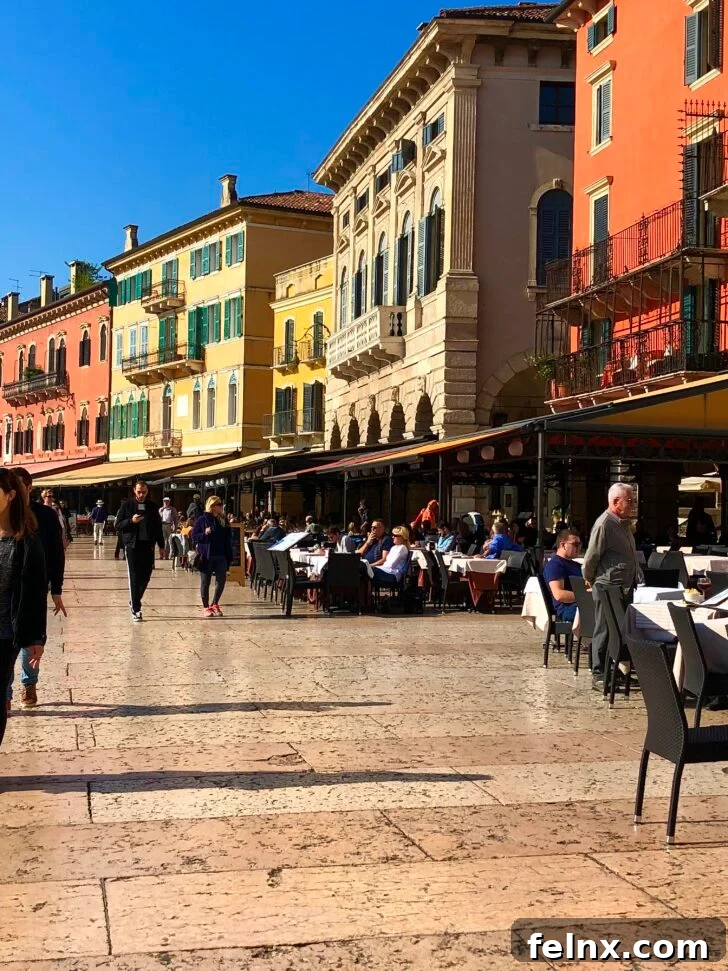
Walking through the historic streets of Verona, Italy, is like stepping into a beautifully preserved living museum. As you enter the city, the first thing that strikes you is the polished marble flooring of the main city center. In October, the atmosphere is particularly enchanting; the autumn air is crisp yet comfortable, allowing locals and tourists alike to enjoy the quintessential Italian experience of dining ‘al fresco’ at charming outdoor tables.
This journey through Verona was a special gift from my cousins, Silvia and Cristina, who acted as expert guides during a recent visit. Verona is an exceptionally beautiful small city, dense with centuries of history, rich heritage, and a vibrant local culture. Despite a full day of exploration, we only managed to scratch the surface of what this UNESCO World Heritage site has to offer. One visit is simply not enough; a return trip is an absolute necessity to fully absorb the magic of this “City of Love.” Join me as we explore the highlights of this breathtaking Italian destination.
The Magnificent Arena di Verona: A Roman Marvel
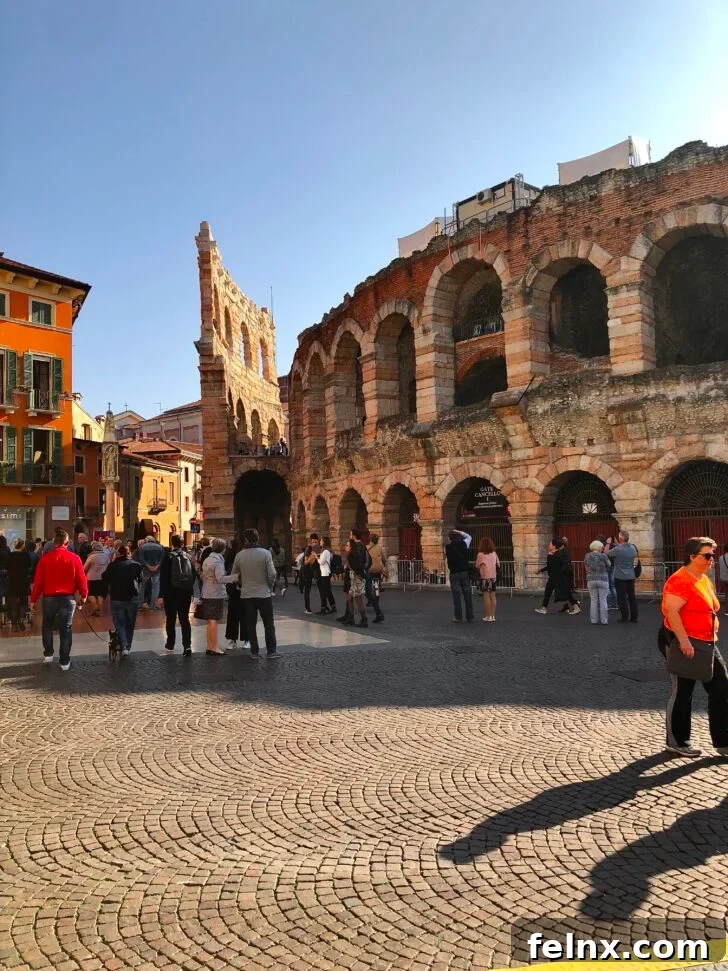
Dominating the heart of the city is the “Arena di Verona,” a massive Roman-built amphitheater that serves as Verona’s equivalent to the Colosseum. Interestingly, while it is smaller than the famous landmark in Rome, the Verona Arena is actually 30 years older. History suggests that the Romans built this structure as a prototype or a “test run” before embarking on the construction of the larger Colosseum in the capital. This ancient relic stands as a powerful testament to Verona’s significant Roman heritage.
Because of its remarkably preserved Roman architecture and its historical ties to the capital, Verona is frequently referred to as “Little Rome.”
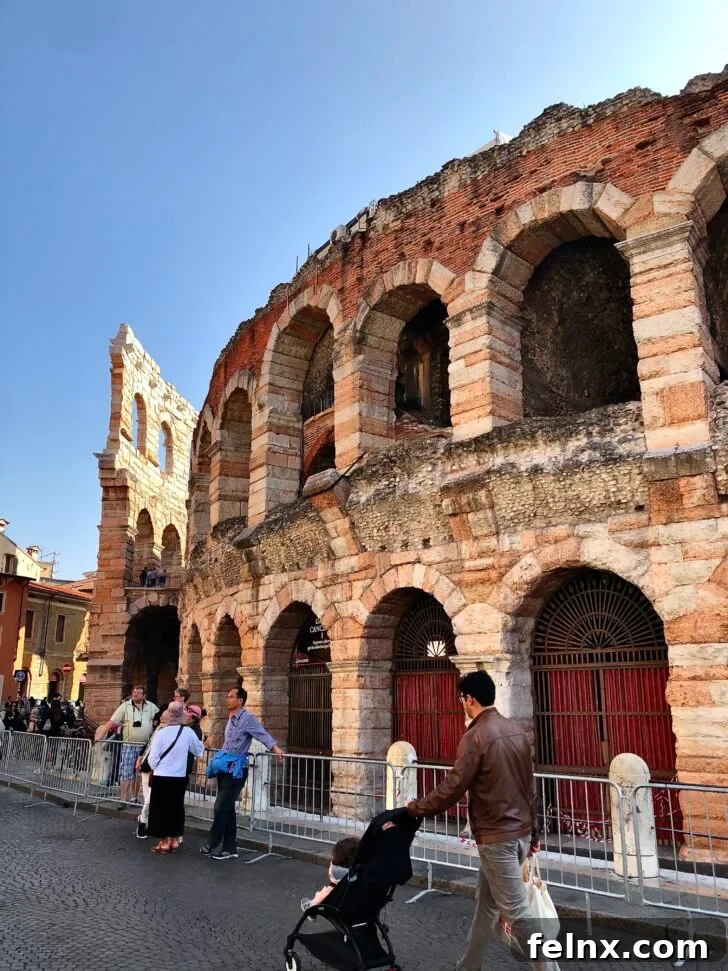
The Arena is far from a stagnant monument; it remains a center of cultural life. During the summer months, it hosts the world-famous Verona Opera Festival. Furthermore, it has been selected as a key venue for the 2026 Winter Olympics in Milano-Cortina, where it will host the closing ceremony, as well as the opening ceremony for the 2026 Winter Paralympic Games.
The Legends and Symbols of Verona
The sculpture below pays homage to the legendary origins of Rome.
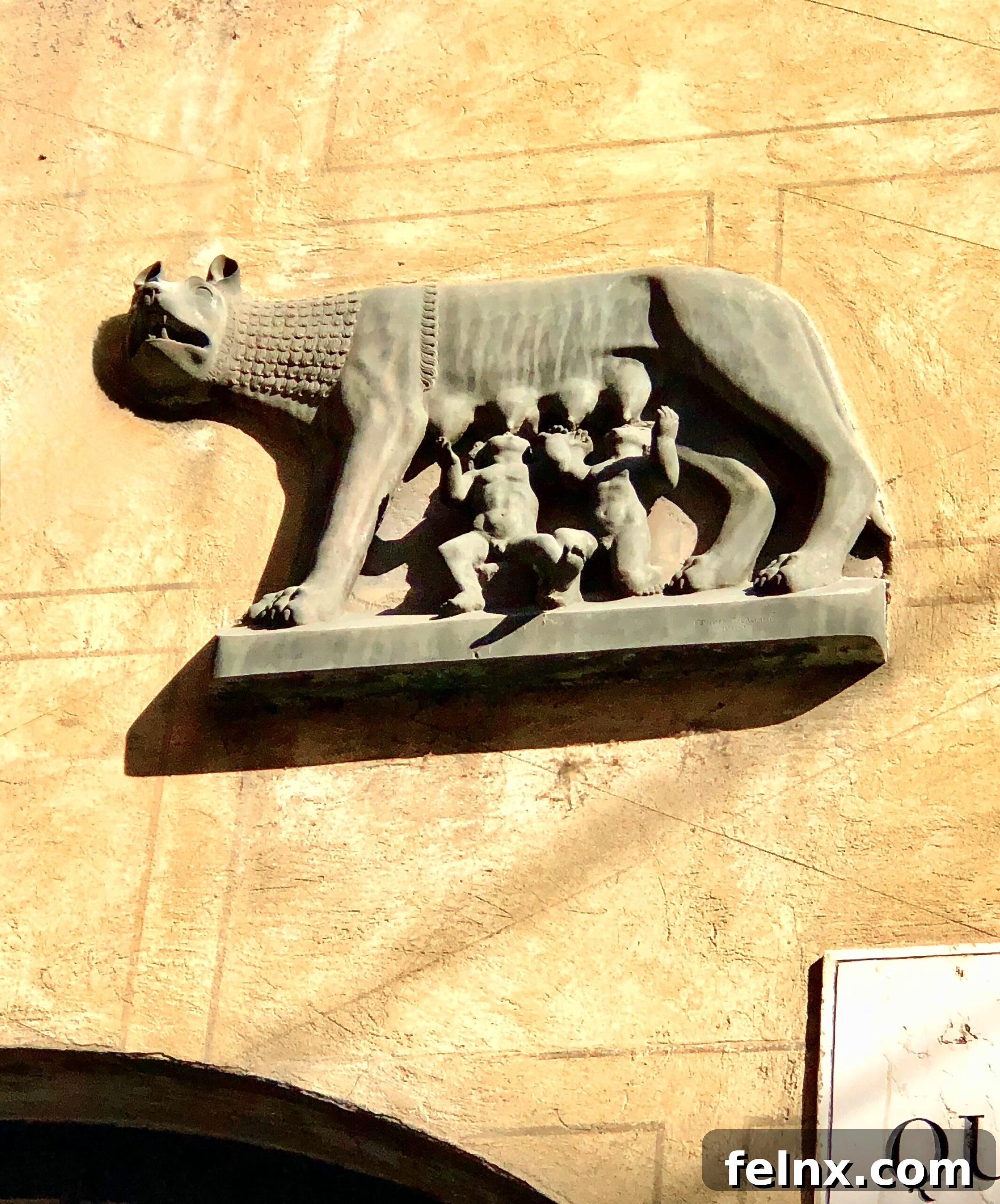
Located on the bustling Via Mazzini, this sculpture depicts Romulus and Remus—the mythological twin founders of Rome—alongside the legendary Capitoline wolf. Created during the Renaissance, this artwork highlights the historical prestige of Verona and its deep-rooted connection to the Roman Empire. It serves as a reminder that Verona has always been a city of strategic and cultural importance.
Architectural Beauty and Urban Design
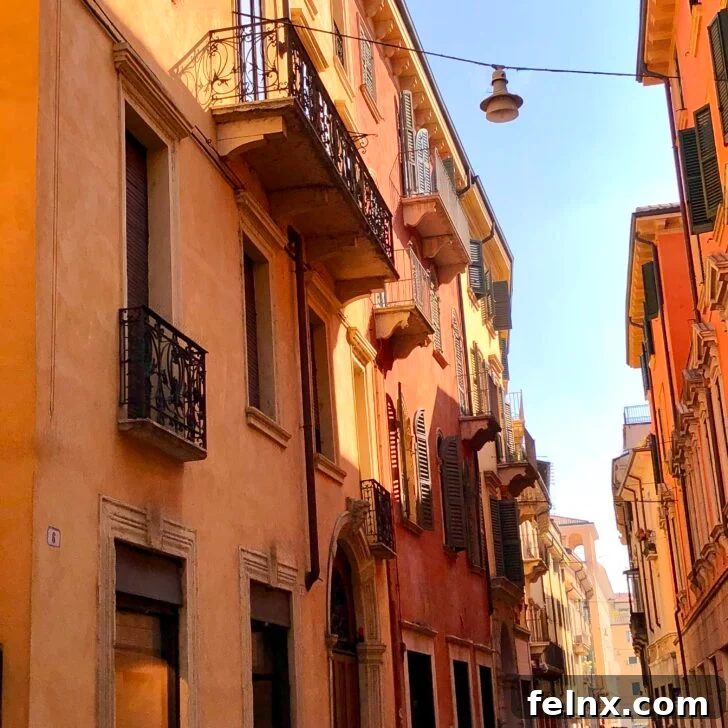
The architecture in Verona is a visual feast of warm tones. Buildings are painted in various shades of yellow, orange, and peach, colors derived from the natural pigments found in the local soil. These earthy hues are perfectly complemented by the traditional deep green shutters found on almost every window. The city center is largely pedestrian-only, allowing visitors to leisurely explore the numerous shops and traditional trattorie without the noise and pollution of modern traffic.
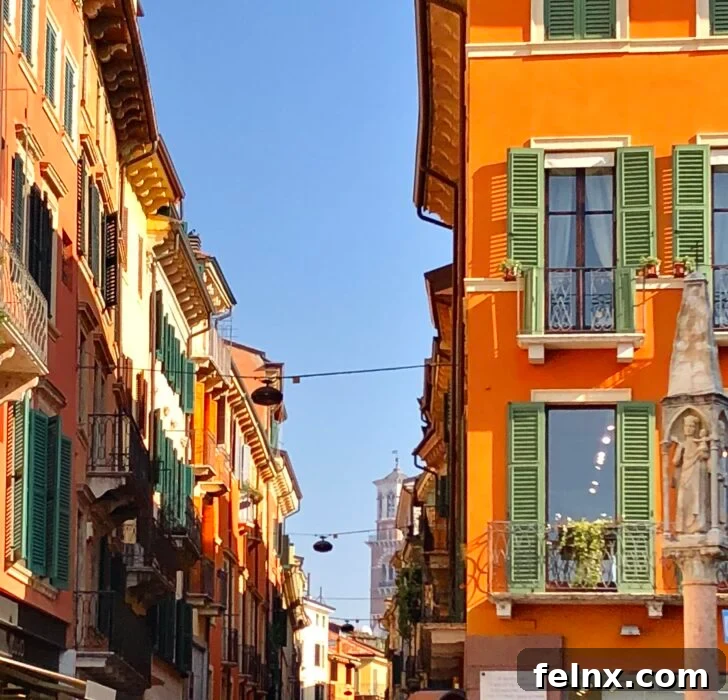
Characteristic of Verona’s urban charm are the small, ornate balconies that adorn nearly every building facade. In a city where large private gardens are rare, residents take immense pride in their balcony plants. Lush greenery and vibrant flowers trail down from these elevated gardens, creating a “vertical forest” effect that breathes life into the historic stone streets.
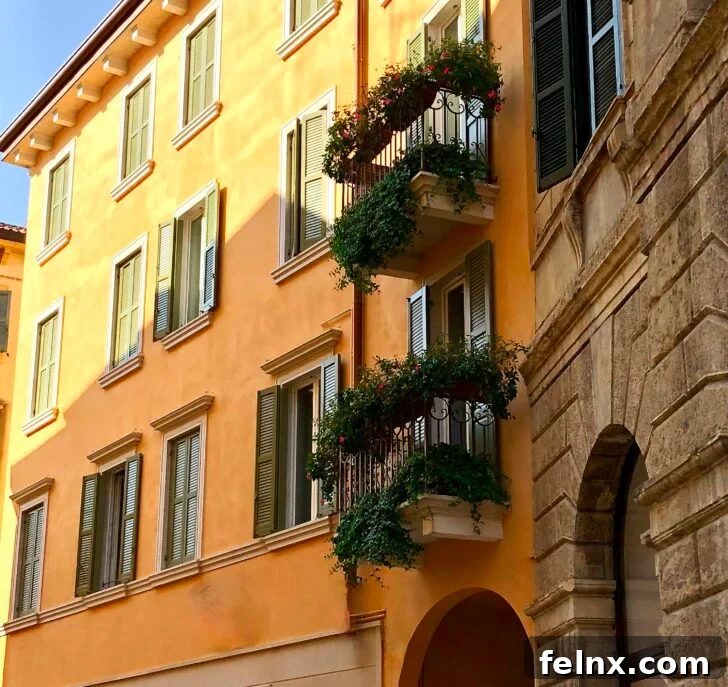
With its aged ironwork, sweeping arches, and cascading flowers, Verona is a masterpiece of design.
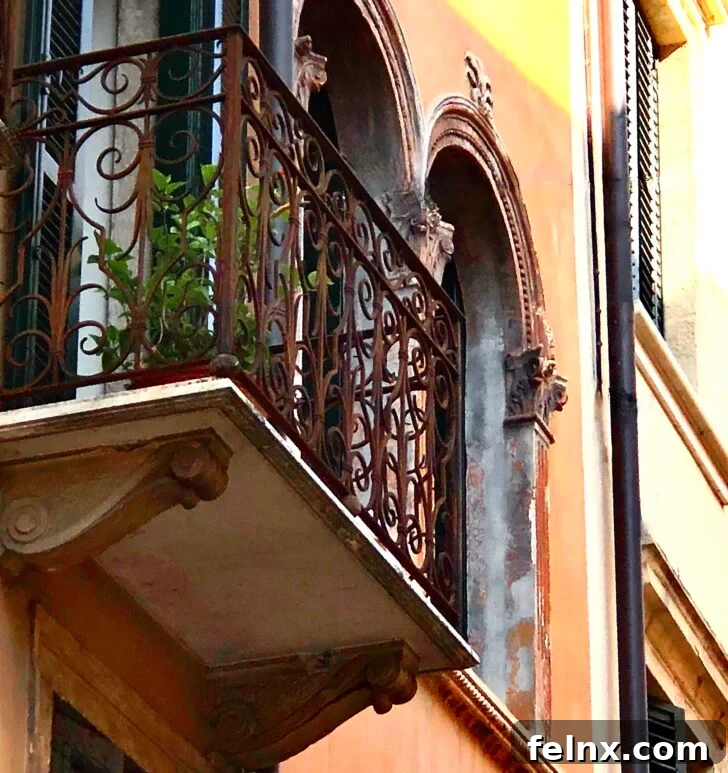
Certain architectural styles in Verona, such as these arched windows, show a distinct Moorish influence that becomes even more prevalent as you travel further toward Venice.
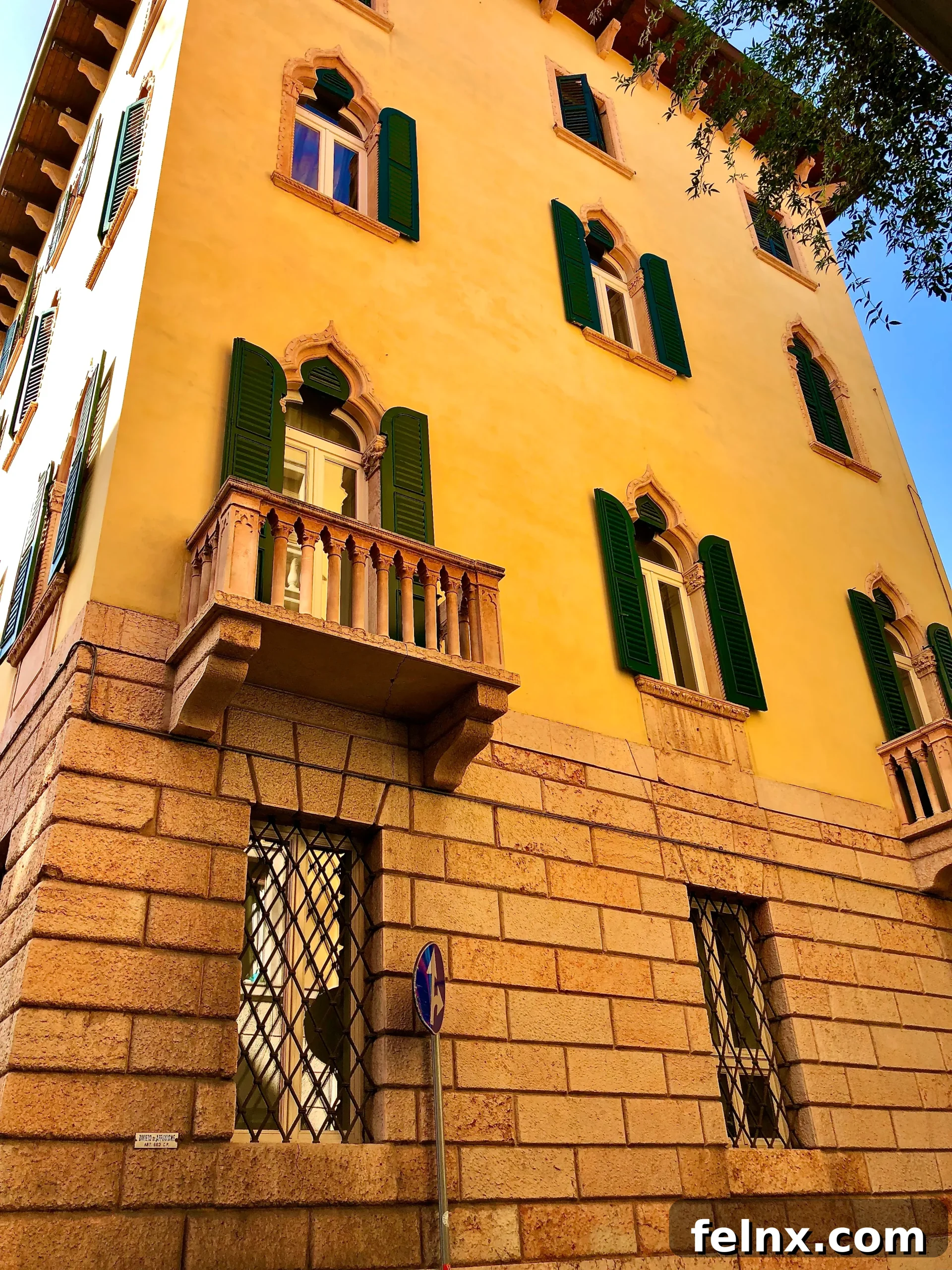
Fresh floral displays are found in every window box, adding splashes of color to the city’s warm palette.
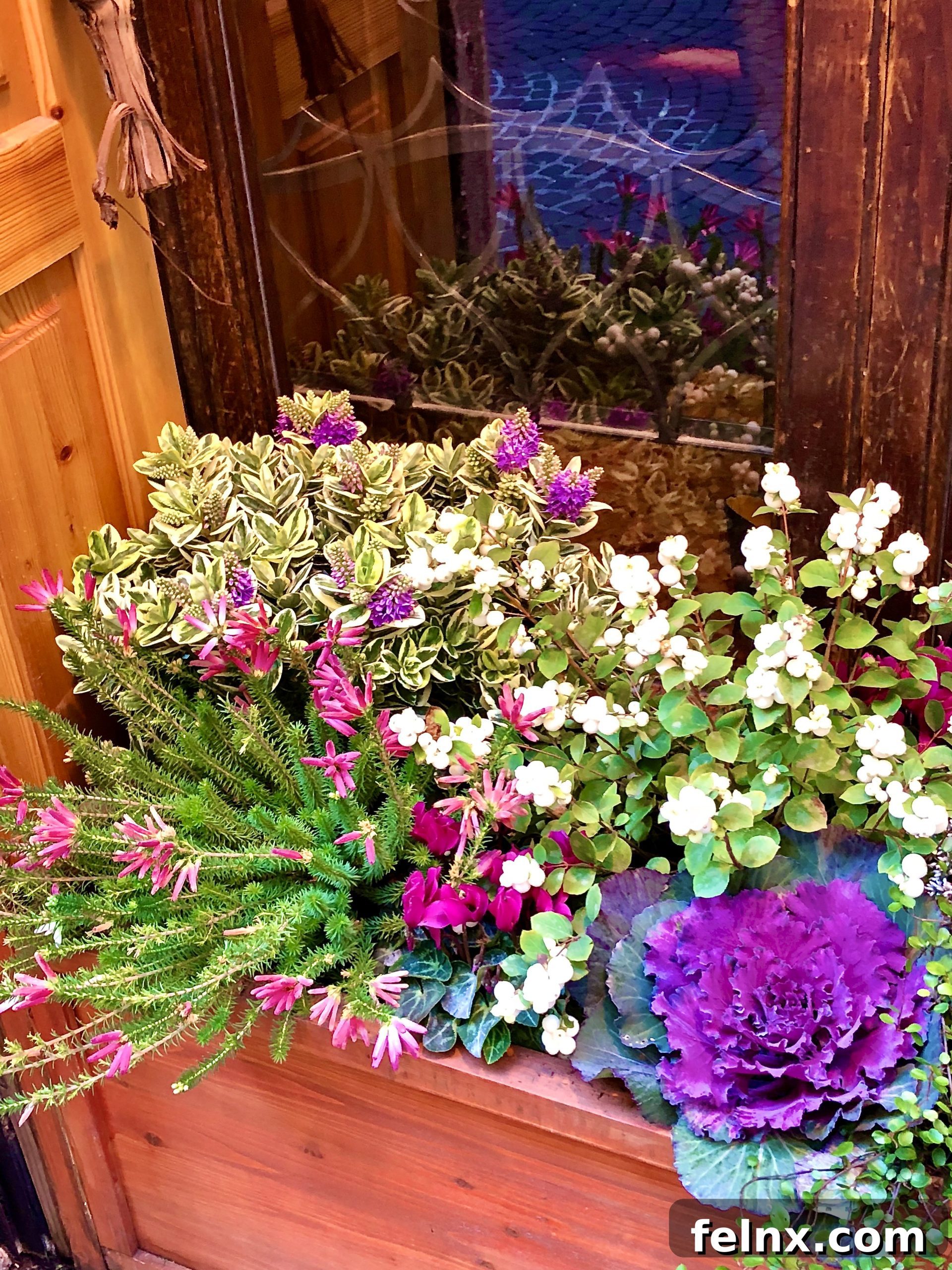
The attention to detail in Verona is staggering. Even a casual glance upward reveals intricate ironwork, perfectly maintained shutters, and thoughtful landscaping that makes the city feel both ancient and meticulously cared for.
The Fashion and Shopping of Via Mazzini
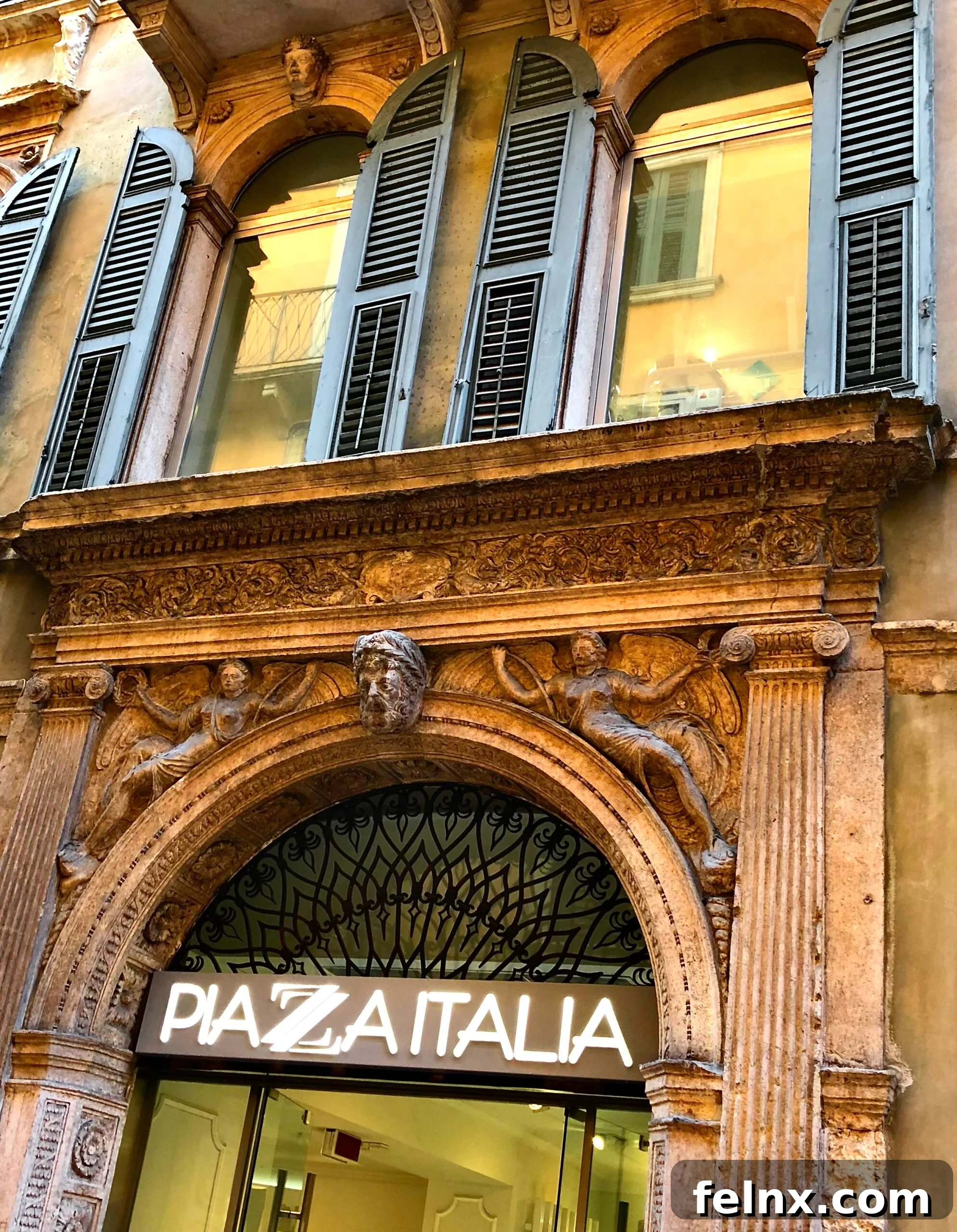
As you stroll down Via Mazzini, the main shopping artery of the city, the blend of history and modern luxury is palpable. Many high-end boutiques are housed in buildings that date back to the Renaissance. The architectural integrity of these structures is preserved, even as they host the world’s most famous fashion houses.
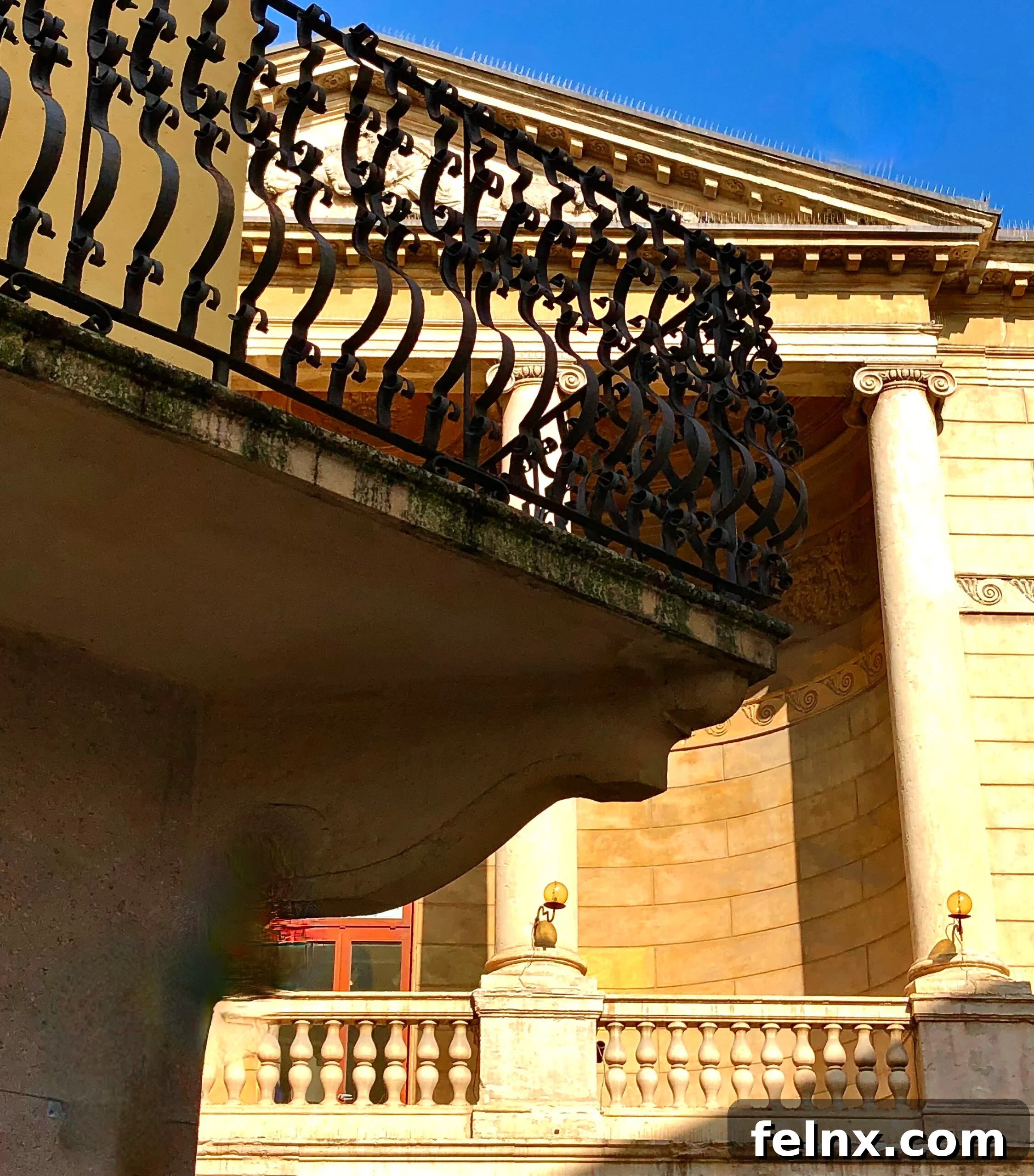
Today, this street is a fashion lover’s paradise. You will find Gucci alongside other legendary names like Louis Vuitton, Yves Saint Laurent, Tiffany & Co., and Dolce & Gabbana. The street also offers a variety of mid-range shops, ensuring there is something for every budget. Beyond high fashion, the area is also home to excellent Italian street food, perfect for a quick snack between visits to the boutiques.
Italian Style and Textures
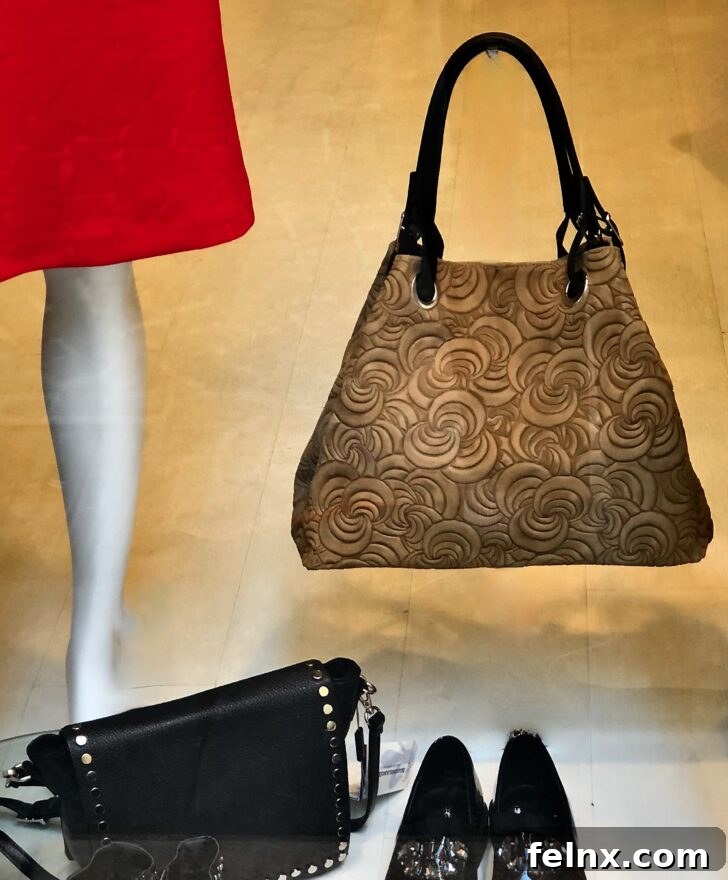
October fashion in Verona emphasizes texture and neutral tones. From faux fur accents that add warmth and depth to outfits, to elegantly designed leather goods, the city is a hub of inspiration. One standout was a beautifully embossed leather bag that perfectly balanced intricate detail with a simple, classic silhouette.
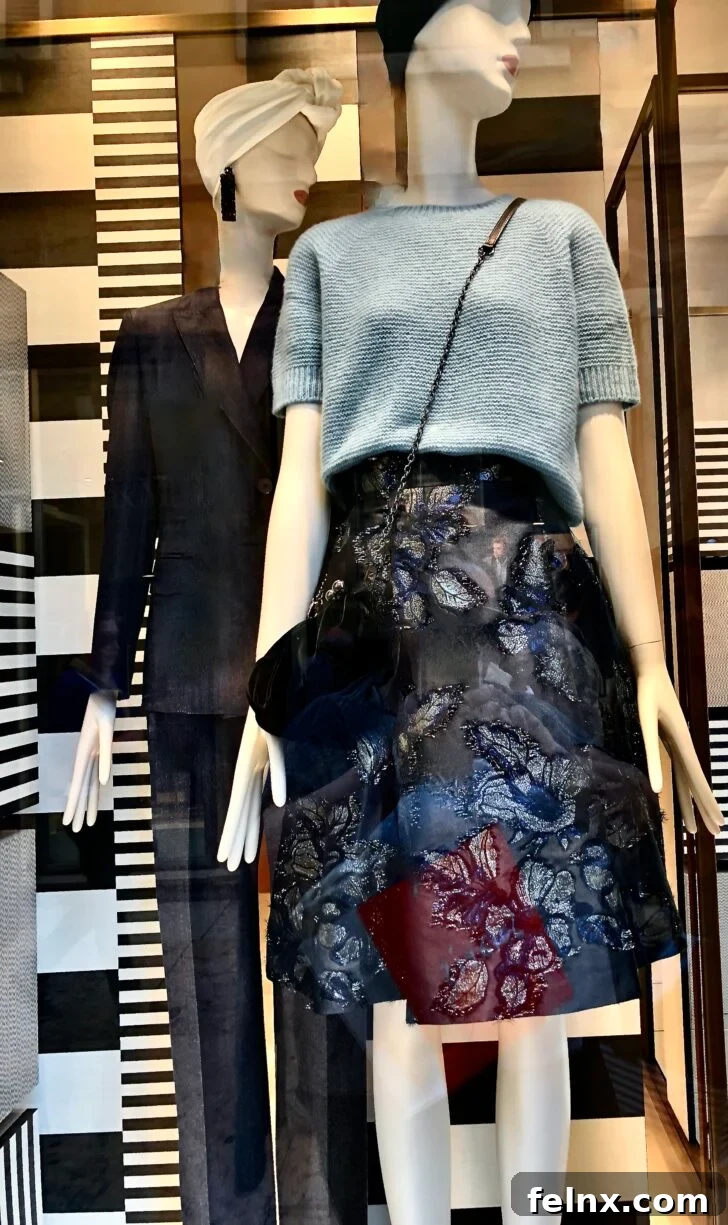
Italian fashion often finds beauty in the unexpected. For example, a plain sweatshirt can be completely transformed with an oversized rhinestone pin. This focus on “elevating the everyday” is a hallmark of local style. While neutral colors dominated the shop windows during my visit, it was the clever use of materials—such as textured skirts and bold accessories—that made the designs truly stand out.
The Legend of the Zanellato Postina Bag
One of the most iconic finds during our shopping excursion was at Zanellato. The brand’s signature “Postina” bag, featuring double clasp openings, is a cultural phenomenon in Italy. The design was inspired by the 1994 film “Il Postino,” which tells the story of a humble Italian postman. The bag mimics the rugged, weathered look of a traditional leather mail carrier’s bag. It is both stylish and incredibly functional, a combination that makes it a favorite among discerning Italian fashionistas.
Excellence in the Details: A Tiffany Experience
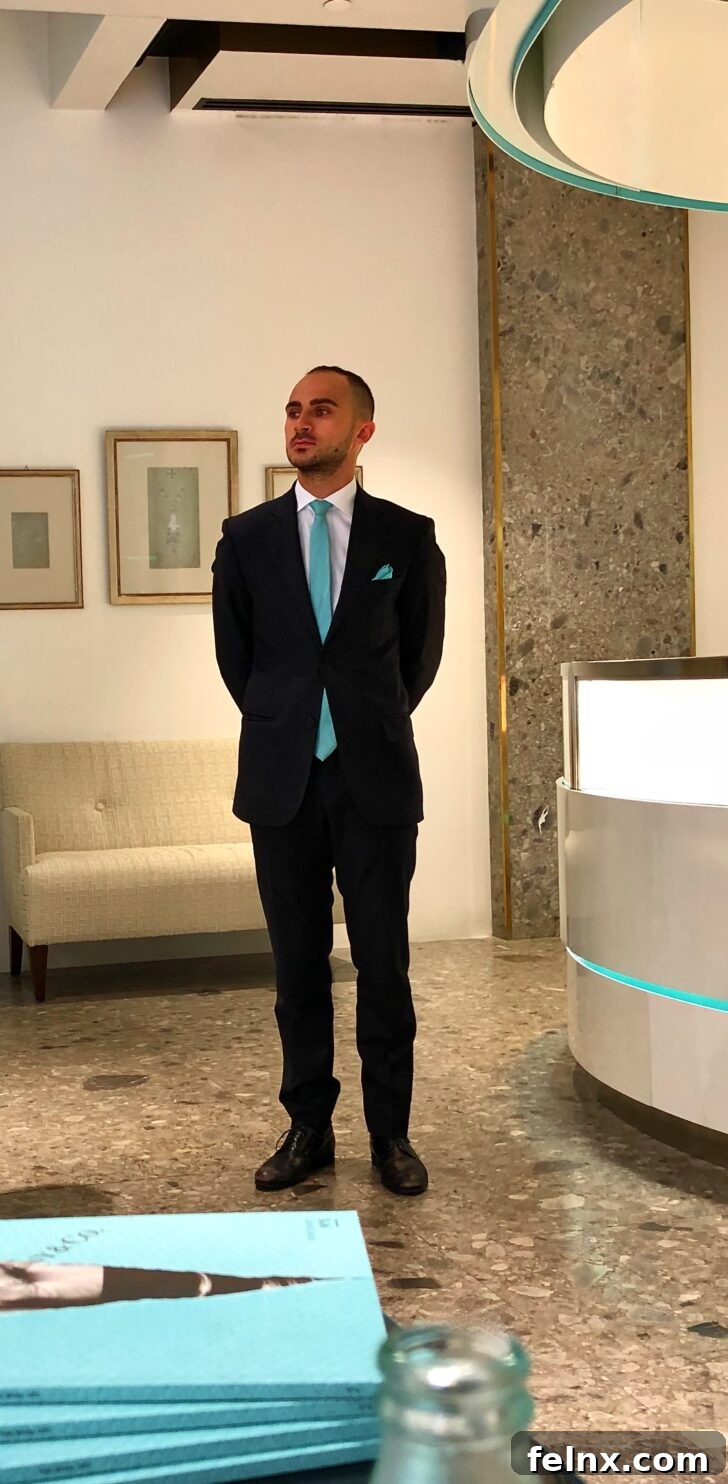
While visiting the Tiffany & Co. store, I was struck by the incredible attention to detail. The interior design was a masterclass in branding; every element, from the turquoise blue ceiling to the specific shade of the lighting, was perfectly coordinated in the iconic “Tiffany Blue.” Even the refreshments were served in a way that mirrored the brand’s aesthetic, with Italian mineral water provided in a blue glass bottle that captured the light beautifully.
Verona’s Culinary Delights
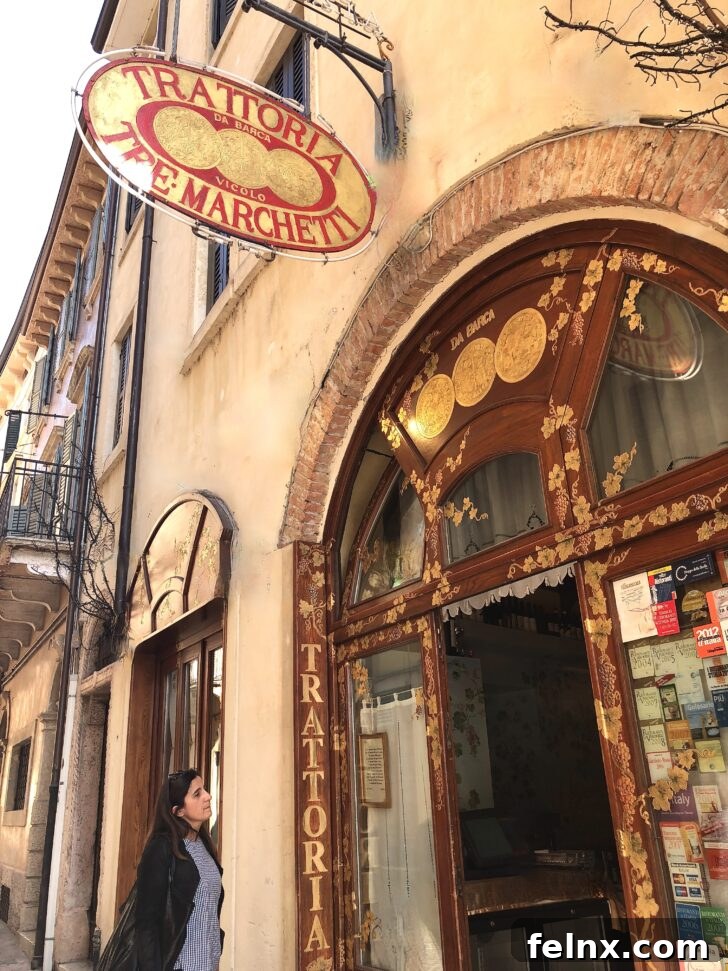
No trip to Verona is complete without exploring its gastronomic scene. We discovered Tre Marchetti, an incredibly romantic and intimate trattoria. With only eight tables, the space feels like a hidden sanctuary, featuring Murano glass chandeliers, parquet floors, and candlelit white tablecloths. It is the type of place that promises an unforgettable dining experience.
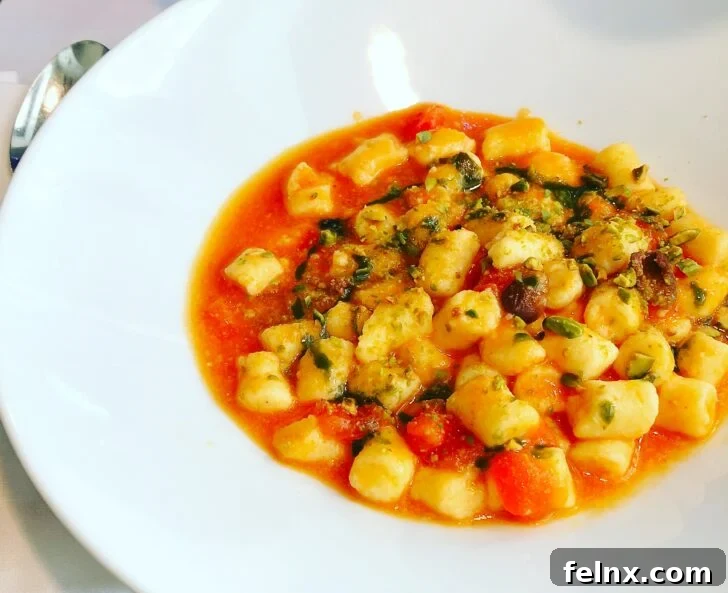
For lunch, we visited Locanda 4 Cuochi, a restaurant featured in the Michelin Guide. The “open kitchen” concept allows diners to watch the chefs at work, creating a dynamic and engaging atmosphere. The menu changes monthly to reflect seasonal ingredients. I highly recommend the gnocchi served in a fresh tomato sauce with pistachios and basil—a dish that perfectly encapsulates the simplicity and brilliance of Italian cuisine.
The Romance of Juliet’s House
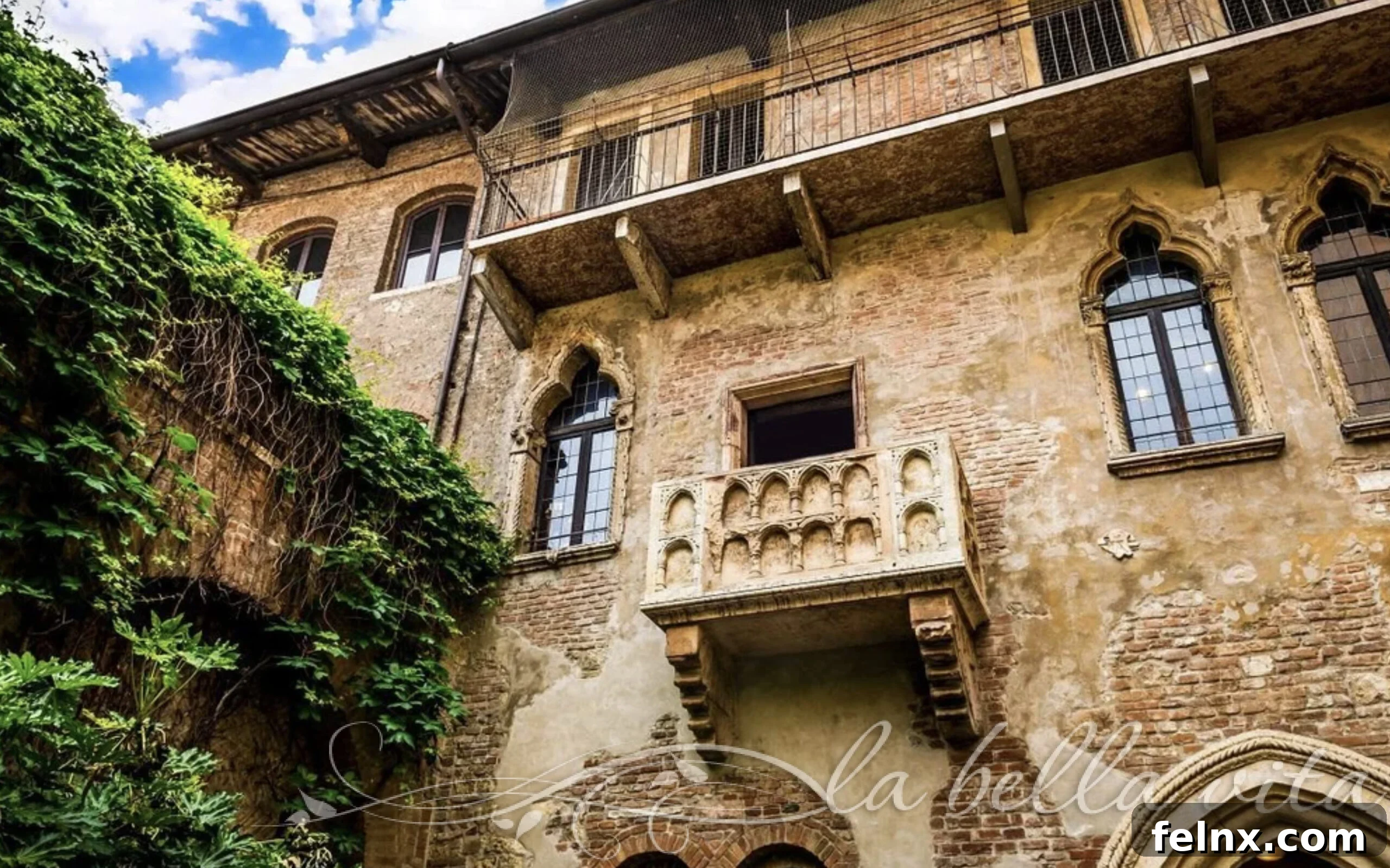
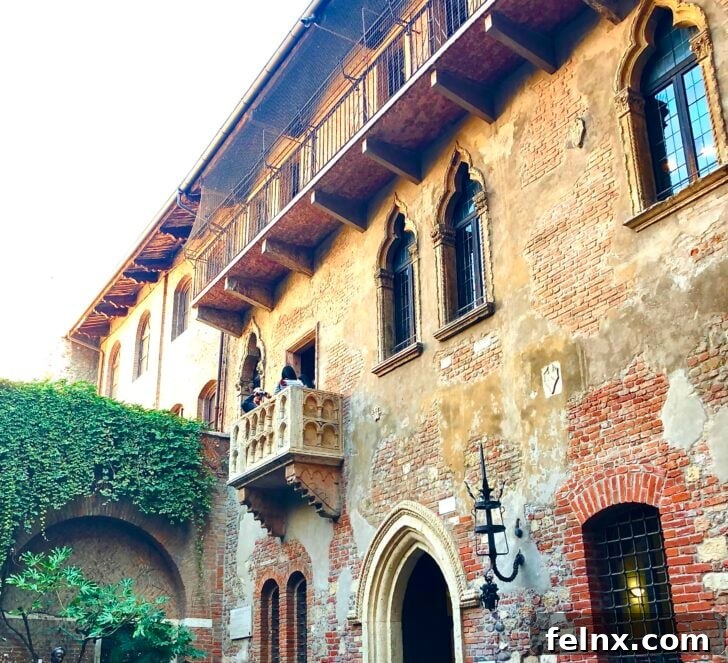
Finally, we made our way to the “House of the Capulets” to see the legendary balcony of Shakespeare’s Juliet. This is perhaps Verona’s most famous tourist attraction. While the courtyard is often extremely crowded, it remains a site of pilgrimage for romantics from around the world. The walls of the entrance are covered in “love notes”—graffiti left by visitors hoping for luck in love. Although the city removes these notes regularly and there are laws against defacing the property, the tradition continues unabated.
The Vibrant Piazza delle Erbe
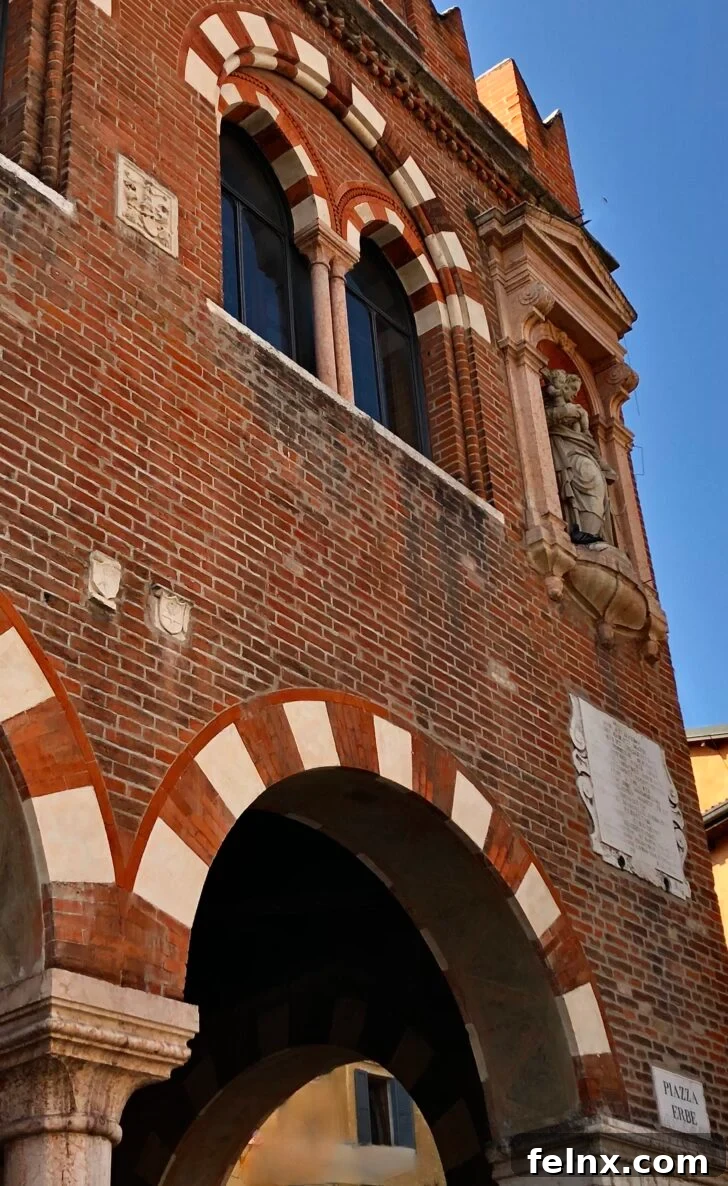
Our final stop was Piazza delle Erbe (the Herb Market Square). Historically the site of the Roman forum, this square now hosts a bustling outdoor market. Surrounded by historic brick buildings that once formed the city’s Jewish ghetto, the square is a hub of activity. Vendors sell everything from fresh produce to fruit parfaits, which are a must-try even in October. The square is also home to the Lamberti Tower, the tallest building in Verona, and the beautiful Madonna of Verona fountain.
Verona is a city that lingers in your memory long after you have left its marble streets. Whether you are drawn by the Roman history, the high-end fashion, the romantic legends, or the world-class food, Verona delivers an experience of unparalleled elegance and charm.
Happy Valentine’s Day!