Exploring the Magic of Venice: A Complete Guide to Sights, Culture, and Culinary Delights
Venice is a city that defies expectations. Often described as the most romantic place on earth, it possesses a unique power to take your breath away, regardless of whether you consider yourself a romantic at heart. To truly understand Venice, you must experience it with every sense alert. From the rhythmic sound of water lapping against ancient stone to the enticing aroma of fresh seafood wafting through narrow alleys, the city is a sensory masterpiece.
With its stunning ancient architecture, labyrinthine winding canals, and mysterious passageways that seem to lead into the past, Venice remains one of the world’s most alluring destinations. Whether you are sipping a perfectly brewed espresso in the historic Piazza San Marco, enjoying a peaceful moonlit gondola ride, or tasting a world-famous Bellini at Harry’s Bar, the city offers endless opportunities for discovery. Sometimes, the best way to see Venice is simply to wander off the beaten path and lose yourself in its history and beauty.
The Fragile Beauty of a World Heritage Site
Venice is often at the top of many travel bucket lists, but it is also one of the most endangered cities in the world. Built on a foundation of low, mud-banked islands within the lagoon waters of the Adriatic Sea, its physical structure is remarkably fragile. Constant exposure to water, erosion, and decay means the city requires global attention and conservation efforts to survive. Recognized by UNESCO as a World Heritage Site, Venice is a precious relic of human ingenuity that we must protect for future generations.
Arriving in Venice is an experience in itself. Unlike any other city, you must enter by water. Whether you arrive via a private water taxi or a public vaporetto, the transition from the mainland to the aquatic world of the lagoon is magical. The gondola remains the quintessential symbol of Venetian transportation. While they were once a primary means of navigating narrow, shallow canals, today they serve as a luxurious and romantic way for visitors to explore the city’s hidden corners from the water’s level.
Embracing the Venetian Way of Life
While the grand monuments are spectacular, the true essence of Italy lies in its slower pace of life. One of the best ways to enjoy Venice is to sit in a local café, perhaps in a quiet square away from the crowds, and enjoy a glass of vino or an espresso. Watching the locals go about their daily routines provides a glimpse into the heart of the community. In the evening, many participate in the “passeggiata”, or the evening stroll. This traditional social ritual is about “seeing and being seen,” where friends gather to walk, talk, and share the latest news of the town.
Of course, there are certain landmarks that no visitor should miss. The Piazza San Marco is the undisputed heart of the city, home to the magnificent Basilica San Marco and the towering Campanile. From here, you can look out over the Grand Canal (the Canalazzo), the main artery of the city. If time allows, a trip to the island of Murano is highly recommended to witness the centuries-old tradition of glassmaking and perhaps pick up a unique souvenir.
The Gastronomic Traditions of Venice
Italian cuisine is celebrated globally for its simple ingredients, incredible aromas, and bold flavors. Venice, however, offers a culinary landscape that is distinct from the rest of the country. A gastronomic tour here reveals traditions shaped by the city’s maritime history and its unique geographical location. Because Venice is surrounded by the sea, fish and seafood dominate the local menus, typically seasoned with high-quality olive oil, vinegar, garlic, and fresh herbs.
The bounty of the lagoon and the nearby inland rivers ensures a constant supply of fresh fish. Historically, many Venetian dishes were developed around preservation methods like salting or marinating, allowing sailors to keep food for long journeys. For seafood lovers, Venice is truly a paradise.
Baccalà Mantecato: A Venetian Masterpiece
One of the most famous dishes in Venice is Baccalà Mantecato. This dish features dried cod, typically sourced from the cold waters of the north. The fish is preserved with salt and then air-dried. Once it reaches Venice, it is soaked for several days to remove the excess salt and soften the flesh.
The preparation involves blending the softened fish with olive oil, garlic, and parsley until it reaches a smooth, creamy consistency. It is traditionally served with polenta, either as an appetizer or a first course. It is a delicate, savory dish that perfectly represents the Venetian ability to turn simple preserved ingredients into a gourmet experience. Note for travelers: finding fresh fish on Mondays can be a challenge in Venice, as many fishermen do not head out on Sunday nights!
Sarde in Saor: The Flavor of History
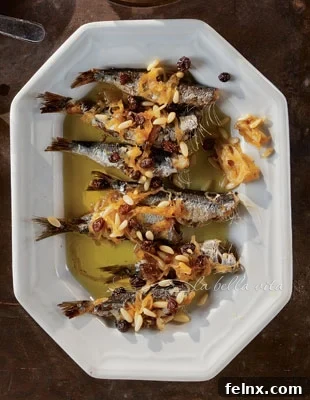
Another staple of the Venetian diet is Sarde in Saor, which literally translates to “sardines immersed in flavor.” This dish is a perfect example of how Venice’s history as a trading hub influenced its kitchen. It consists of fried sardines marinated in a sweet and sour sauce made of onions, vinegar, pine nuts (pinoli), and raisins. The combination of sweet and tangy flavors is uniquely Venetian and has been enjoyed for centuries.
The Importance of Polenta in Northern Italy
In Northern Italy, Polenta is more than just a side dish; it is a cultural staple. While much of the world associates Italy exclusively with pasta, Venetians often prefer this golden pool of ground cornmeal. Originally known as “cucina povera” (food of the poor), polenta has undergone a transformation and is now considered a versatile, gourmet ingredient featured in high-end restaurants.
The traditional method of making polenta requires patience and a “mescala” (a wooden stirring stick). It involves constant stirring for up to 45 minutes until it becomes rich and creamy. Many families still follow the tradition of pouring the hot polenta onto a wooden board to cool before slicing it with a string. Using milk or cream instead of water makes the dish even more decadent. Whether served creamy with a stew or fried with melted Fontina cheese, it is pure comfort food.
Rice Dishes: Risi e Bisi and Risotto
Rice arrived in Venice via Arab traders, and the city quickly integrated it into its culinary identity. One of the most legendary dishes is Risi e Bisi (Rice and Peas). Neither a soup nor a thick risotto, it sits somewhere in between. This ancient specialty is made with fresh spring peas, pancetta, and high-quality rice, creating a simple yet flavorful meal that was traditionally served to the Doges of Venice on St. Mark’s Day.
Venetian Risotto is also a must-try. Unlike the versions found in other parts of Italy, Venetian risotto is often prepared with seafood. Risotto Nero, made with black squid ink, is a local favorite that offers a deep, savory ocean flavor. It can also be prepared with a variety of seasonal vegetables such as artichokes, asparagus, or mushrooms.
The Pasta and Gnocchi Traditions
While rice and polenta are dominant, Venice has its own unique pasta: Bigoli. This pasta is similar to thick spaghetti but has a hole in the center and is usually made with whole wheat flour, giving it a darker color and a heartier texture. It is often served with a simple sauce of onions and salt-cured fish.
Then there is Gnocchi. Though found throughout Italy, these potato dumplings have a special history in the North, dating back to the 16th century and often associated with Carnival celebrations. Made from a blend of potatoes, flour, and eggs, they are best served with melted butter, sage, and a generous dusting of cheese. For a truly indulgent experience, try Gnocchi ai Quattro Formaggi (four-cheese gnocchi).
Famous Sweets and Iconic Drinks
No trip to Venice would be complete without experiencing its contribution to the world of desserts and drinks. Tiramisù, the world-famous “pick-me-up” dessert, is widely believed to have originated in the Veneto region. This layered masterpiece of coffee-soaked sponge cake, Marsala wine, and sweet mascarpone cheese is a staple in every Venetian home and restaurant.
For those looking for something savory, Carpaccio is a must. Invented at Harry’s Bar in Venice, it consists of paper-thin slices of raw beef filet, often topped with Parmesan, capers, and a signature sauce. It was named after the Venetian painter Vittore Carpaccio, known for his use of red and white tones.
To wash it all down, the Bellini and Prosecco are the stars of the Venetian aperitivo hour. Prosecco is the local sparkling wine, which serves as the base for the Bellini when mixed with fresh white peach juice. This refreshing cocktail was first served at Harry’s Bar and was a favorite of Ernest Hemingway.
The Cicchetti Culture: Venetian Tapas
One of the most authentic ways to eat in Venice is by trying Cicchetti. These are small plates of food served in local bars called “bacari.” Similar to Spanish tapas, they are meant to be enjoyed with an “ombra” (a small glass of wine) while standing at the bar. It is a social tradition that brings people together before lunch or dinner.
Common cicchetti include small sandwiches, olives, hard-boiled eggs with anchovies, or pieces of polenta topped with creamed cod. It is the ultimate way to sample many different Venetian flavors in one sitting.
Venetian Cicchetti: Polenta with mushrooms
Regional Specialities: Cheese, Wine, and Grappa
Beyond the city itself, the Veneto region produces some of Italy’s finest exports. Asiago Cheese, made from the milk of cows grazing in the Venetian mountains, is a sharp and flavorful specialty that has become popular worldwide. Drinking culture is also rich, with fragrant reds like Valpolicella and Bardolino, and crisp whites like Soave.
For something stronger, Grappa is the spirit of choice. Distilled from the remnants of the winemaking process (skins, seeds, and stems), it was once the drink of choice for farmers after a hard day’s work. Today, it is enjoyed as a refined after-dinner digestivo.
Fritelle: The Taste of Carnival
Finally, we have Fritelle alla Veneziane, the national dessert of the province. These small, fried doughnuts are made with a batter of flour, eggs, sugar, and lemon, often flavored with raisins or filled with cream or zabaglione. They are the traditional sweet of the Venice Carnival and have been a beloved treat since the Renaissance.
Venice is a city that requires exploration, both of its streets and its kitchens. With so much walking to do between the canals, there is always an excuse to try one more Venetian delicacy. Whether you are there for the art, the history, or the food, Venice promises an experience that you will never forget. Mangia!