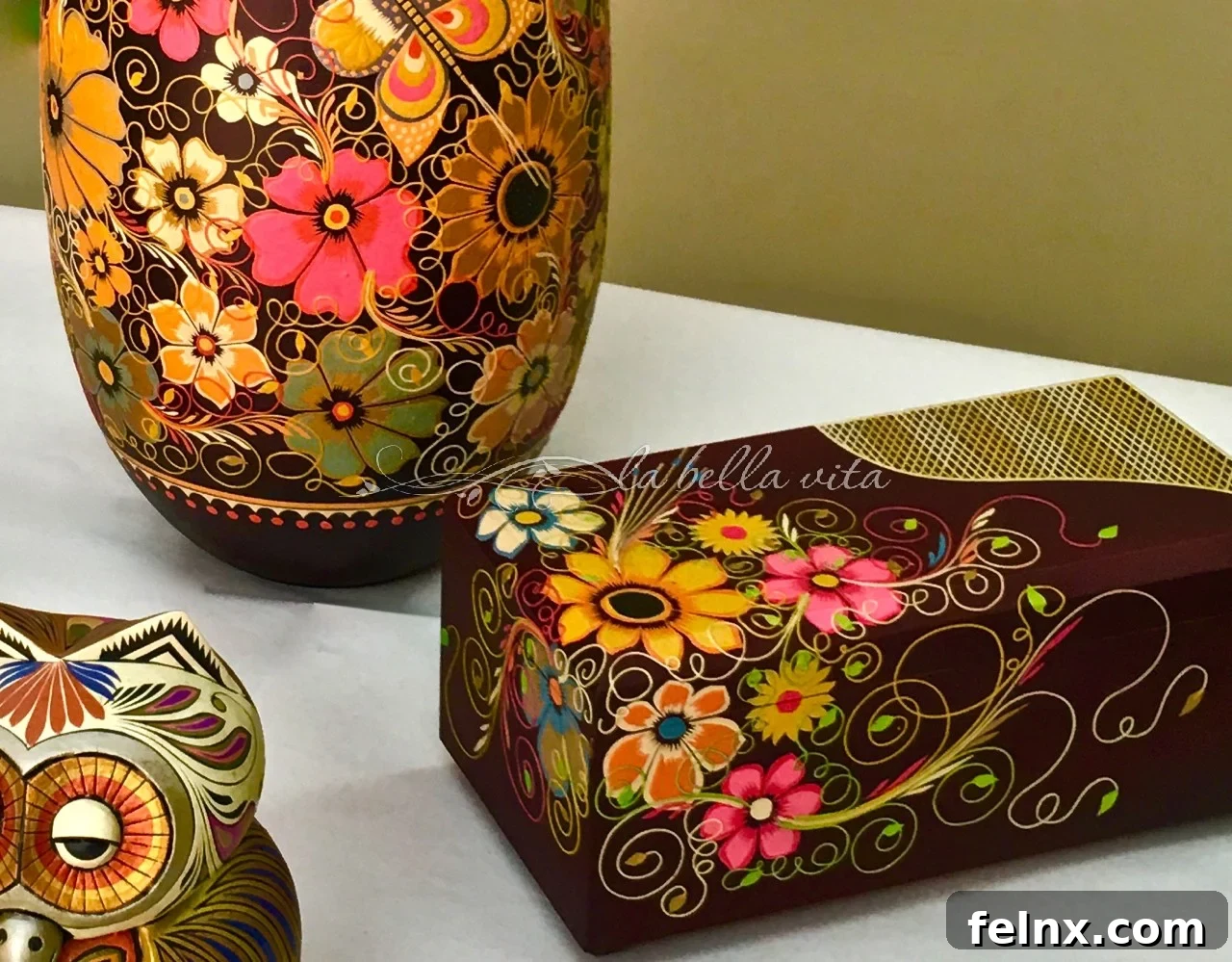
Discovering the Ancient Art of Mopa Mopa: A Unique Treasure in Aruba
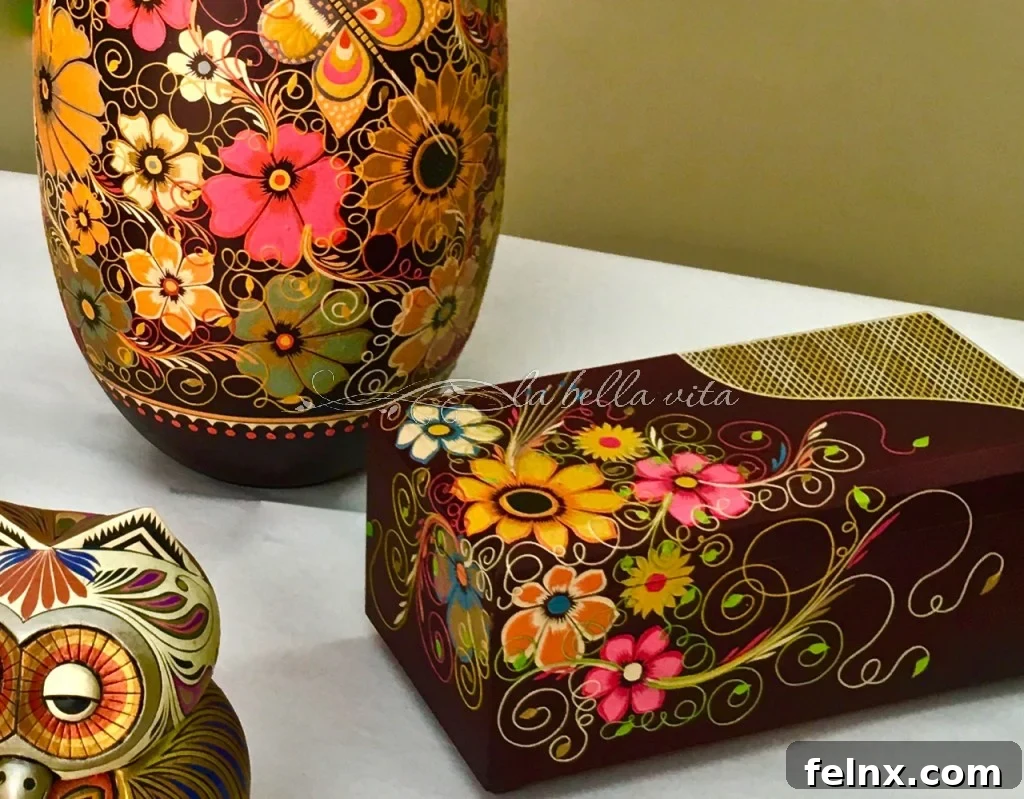
Aruba is world-renowned for its turquoise waters, white sandy beaches, and vibrant hospitality. However, beyond the typical tourist attractions and the relaxing atmosphere of the Caribbean, lies a hidden world of culture and craftsmanship. During a recent visit to this beautiful island, I stumbled upon something far more profound than a simple souvenir. I discovered the extraordinary world of Mopa Mopa native crafts—a form of art so intricate and ancient that it stands as one of the most remarkable traditions I have ever encountered in my travels.
As someone who is deeply passionate about cooking, gardening, and exploring the globe, finding authentic local treasures is always the highlight of my trips. This spring, while walking through the bustling shopping districts of Aruba, I found a masterpiece of global shopping that I have been eager to share. While many visitors spend their time in standard gift shops, there is a specific gallery that offers a glimpse into a thousand-year-old indigenous tradition.
A Serendipitous Find in the Heart of Aruba
The discovery happened quite unexpectedly. After enjoying a delightful morning filled with traditional Dutch pancakes and warm Aruban hospitality, my husband and I decided to take a stroll through an outdoor shopping center. Most of the shops featured the usual fare: brightly colored t-shirts, mass-produced trinkets, and standard resort wear. We watched as tourists, many sporting the classic “first-day-of-vacation” sunburn, moved from one storefront to the next.
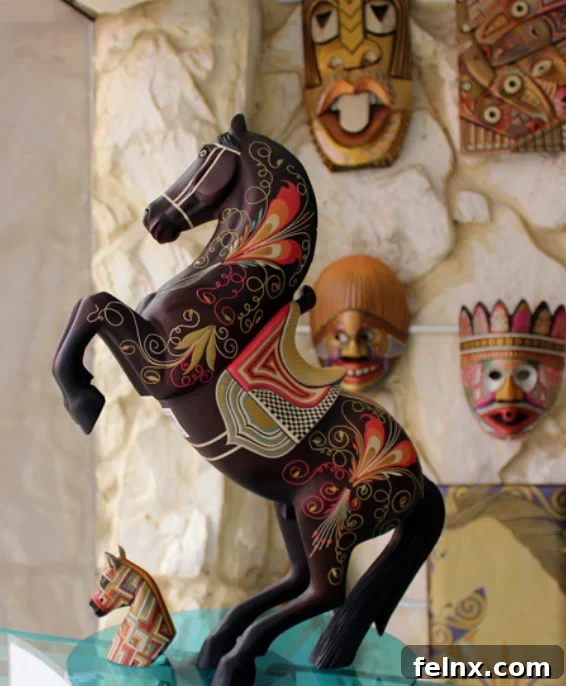
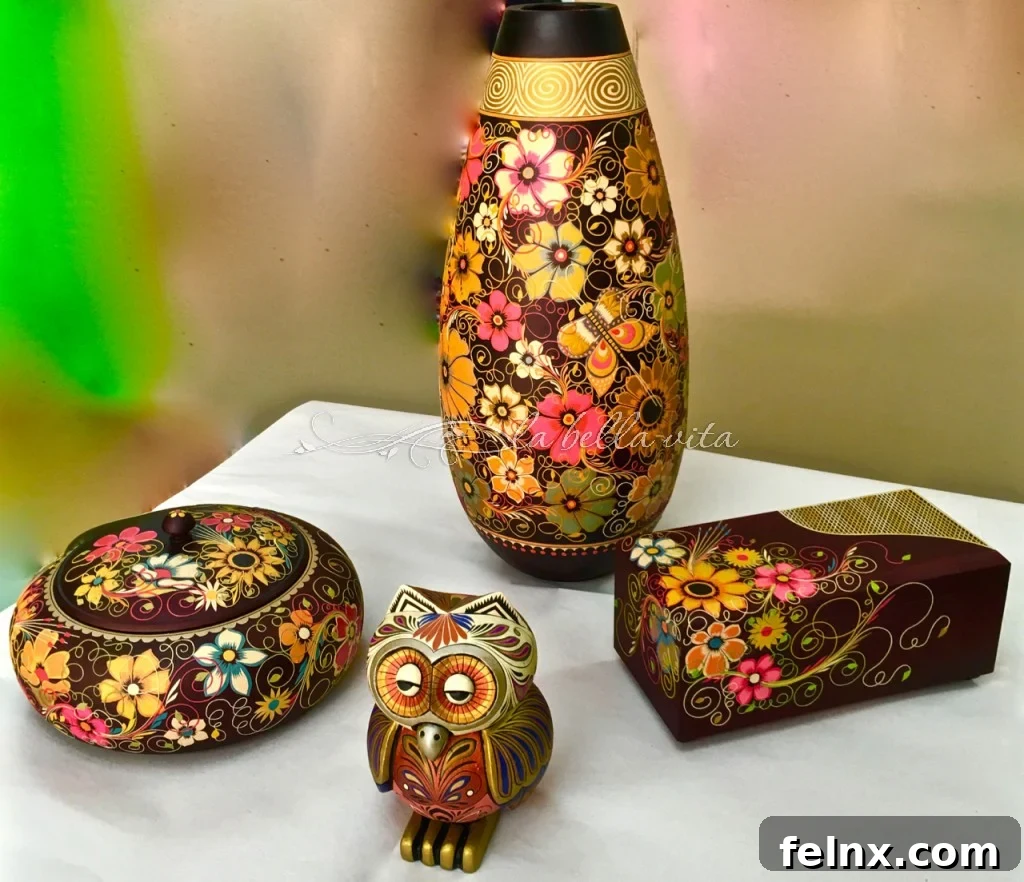
Suddenly, one particular window stopped me in my tracks. It was unlike anything else on the street. Through the glass, I saw walls adorned with vibrant, hand-carved masks made of mahogany and cedar. There were intricate sculptures of horses, owls, and other animals, all shimmering with a unique luster. The shop was filled with beautifully decorated jewelry boxes, bowls, platters, and tea chests, each featuring complex geometric patterns and nature-inspired designs.
I soon learned that for the indigenous people who create these pieces, the masks are more than just decoration; they are believed to possess good luck and the power to ward off negative spirits. Each animal depicted also carries a specific symbolic meaning, rooted in native mythology and a deep respect for the natural world.
The Illusion of Paint: A Masterclass in Layering
As I peered through the glass, I noticed a poster explaining the process behind these creations. My first assumption—and that of almost every visitor—was that these items were expertly painted. The colors were so vivid and the lines so sharp that it seemed impossible for it to be anything else. However, the poster revealed a shocking truth: there is no paint involved in the creation of Mopa Mopa art.
I called my husband over to see the display. He looked at the glossy surfaces and the intricate details and was certain they were painted. Even after I pointed out the description of the technique, he found it hard to believe. The “paint” is actually a series of incredibly thin layers of a natural tree resin. The depth and complexity achieved through this method are so seamless that they defy the naked eye.
The process of creating Mopa Mopa (also known as Barniz de Pasto) is an elaborate labor of love that dates back more than a millennium. It involves transforming raw resin into a film-like material that can be manipulated by hand. Every single color you see on a piece—whether it is a tiny dot on a butterfly’s wing or a swirling line on a decorative bowl—is an individual layer of this organic material, hand-cut and applied with surgical precision.
From Tree Resin to High Art: The Intensive Process
To understand the value of these pieces, one must understand the grueling process required to make them. It begins with the Mopa Mopa tree (Elaeagia pastoensis), which grows in the tropical forests of the Andes. The artisans harvest the leaf buds of these trees, which are then boiled in water to extract a resin that has a consistency similar to chewing gum. This raw resin is cleaned and purified before any artistic work can begin.
Once the resin is prepared, natural pigments are added. These dyes are derived from mineral stones or vegetable sources, ensuring that the entire process remains organic. This is where the truly unique part of the technique occurs: the artisans use their hands and sometimes their teeth to stretch the warm resin into incredibly thin, transparent sheets. They must manipulate the material to achieve the perfect consistency and shine, a skill that takes years, if not decades, to master.
The colored resin sheets are then applied to the wooden surface. The artisan uses a small, sharp knife to cut out the desired shapes and patterns. Because the resin is naturally adhesive when warm, it bonds to the wood without the need for glue or chemical fixatives. Layer upon layer is added—sometimes five to ten layers for a single design element—to create the finished image. Any excess material is meticulously trimmed away, leaving behind a smooth, durable, and waterproof finish.
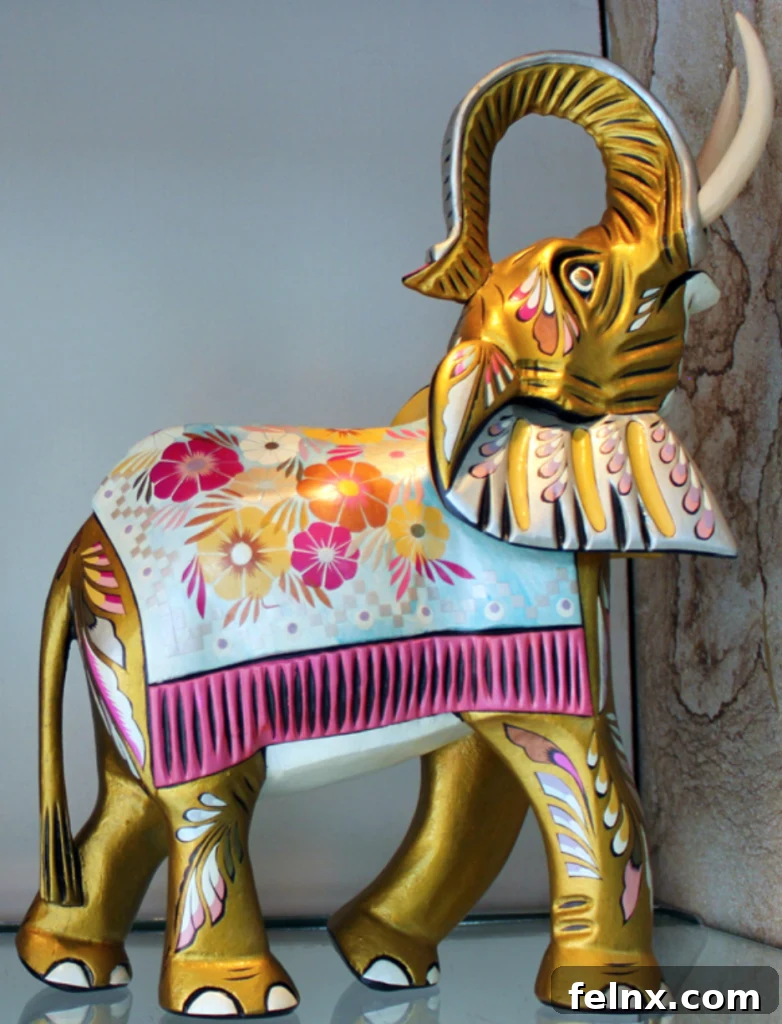
A Legacy of the Quillacingas Indians
The roots of this art form, known as Barniz de Pasto, stretch back to the Quillacingas Indians of northern Ecuador and southern Colombia. Centered in the city of Pasto, Nariño, this tradition has been passed down through generations for over 1,500 years. It is one of the few indigenous art forms that survived the Spanish conquest, maintaining its original techniques and spiritual significance.
In Aruba, these crafts have found a special home. While the technique originates in the South American highlands, the demand from international travelers has made Aruba a primary destination for collectors seeking these rare items. Because of the sheer amount of time and skill required to produce even a small piece, the supply is limited. There are no factories; every item is a unique, one-of-a-kind creation that reflects the soul of the artisan who made it.
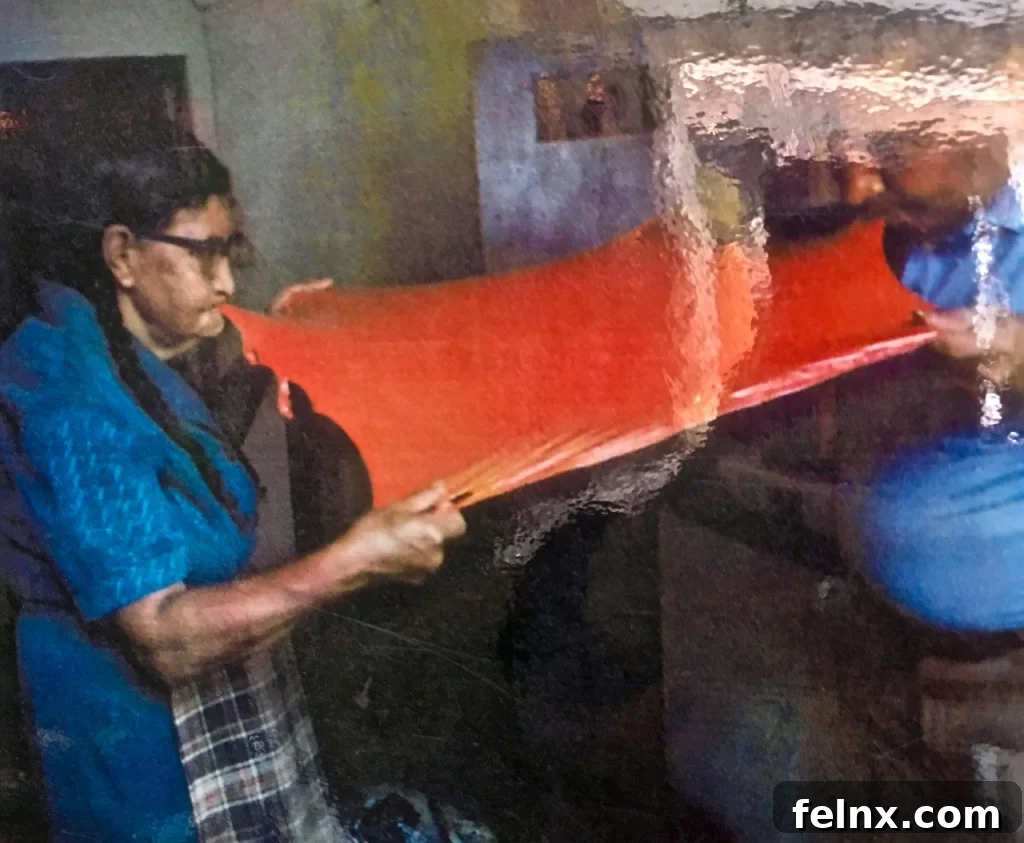
Why Mopa Mopa is the Ultimate Aruban Souvenir
For many travelers, the price tag of Mopa Mopa art might come as a surprise. These are not cheap souvenirs; they are investment-grade art pieces. It is common for collectors to return to the island year after year, spending significant amounts to build their collections or to find the perfect gift for a loved one. When you consider that a single jewelry box might represent weeks of manual labor and centuries of cultural heritage, the value becomes clear.
During our visit, the shop’s inventory was a bit low because several cruise ships had recently docked, but we were still able to find several pieces that spoke to us. We chose items that featured a consistent pattern, which now fit perfectly into our home decor. The warm earth tones—corals, creams, and greens—complement our dark wooden floors and bring a touch of Aruban history into our daily lives.
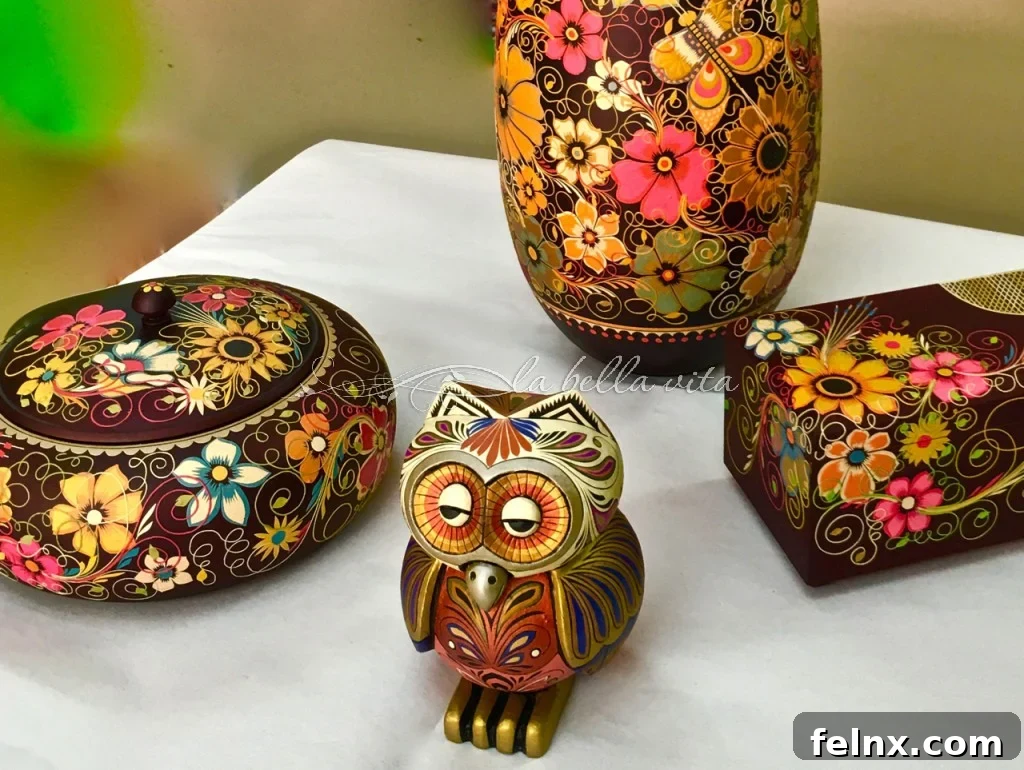
Where to Find Authentic Mopa Mopa in Aruba
If you are planning a trip to Aruba and want to see these wonders for yourself, there is only one dedicated Mopa Mopa store on the island. The staff there are incredibly knowledgeable and passionate about preserving this ancient art form. The customer service I experienced was nothing short of extraordinary. They took the time to explain the history of each piece, and the lady who assisted us even followed up with a phone call to ensure our package arrived safely back in the United States.
Supporting these artisans means helping to preserve a tradition that is at risk of being lost in the modern world. In an age of mass production, owning a piece of Mopa Mopa art is a way to celebrate human creativity, patience, and the enduring beauty of natural materials.
So, next time you find yourself in Aruba, look past the typical beach gear and standard jewelry shops. Seek out the Mopa Mopa gallery. Whether you walk away with a small figurine or a large decorative platter, you will be carrying home a piece of history that is truly unlike anything else in the world.
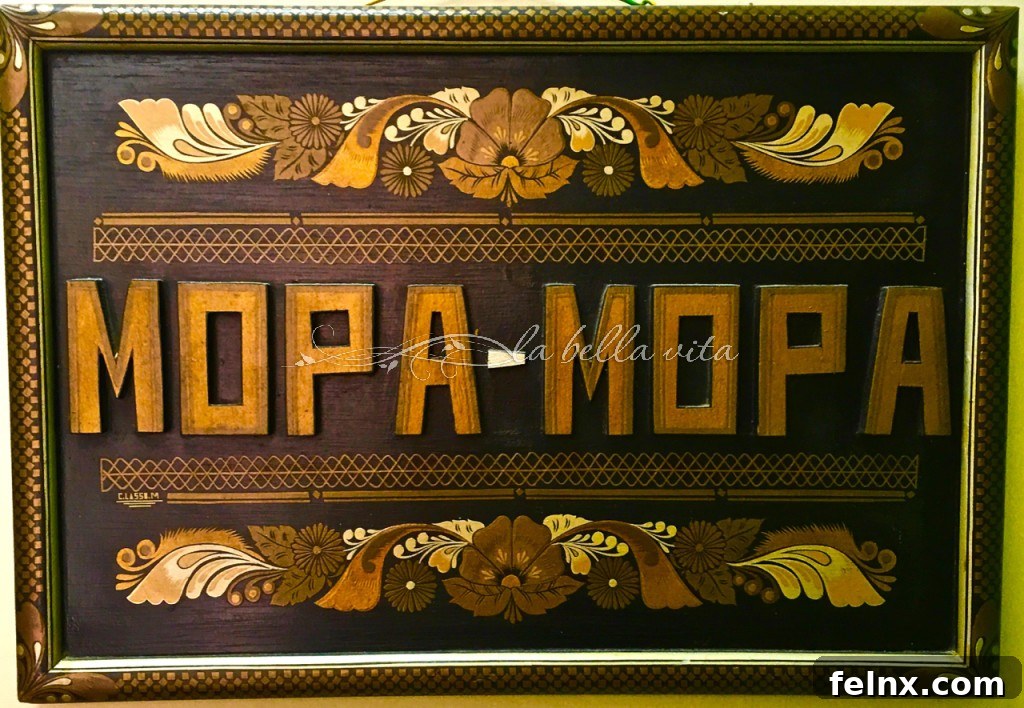
The next time someone visits your home and admires the vibrant colors and intricate patterns of your Mopa Mopa piece, you can tell them the secret: “It’s not paint.” It is a 1,500-year-old story, hand-stretched and carved with a knife, born from the heart of the jungle and the hands of a master.