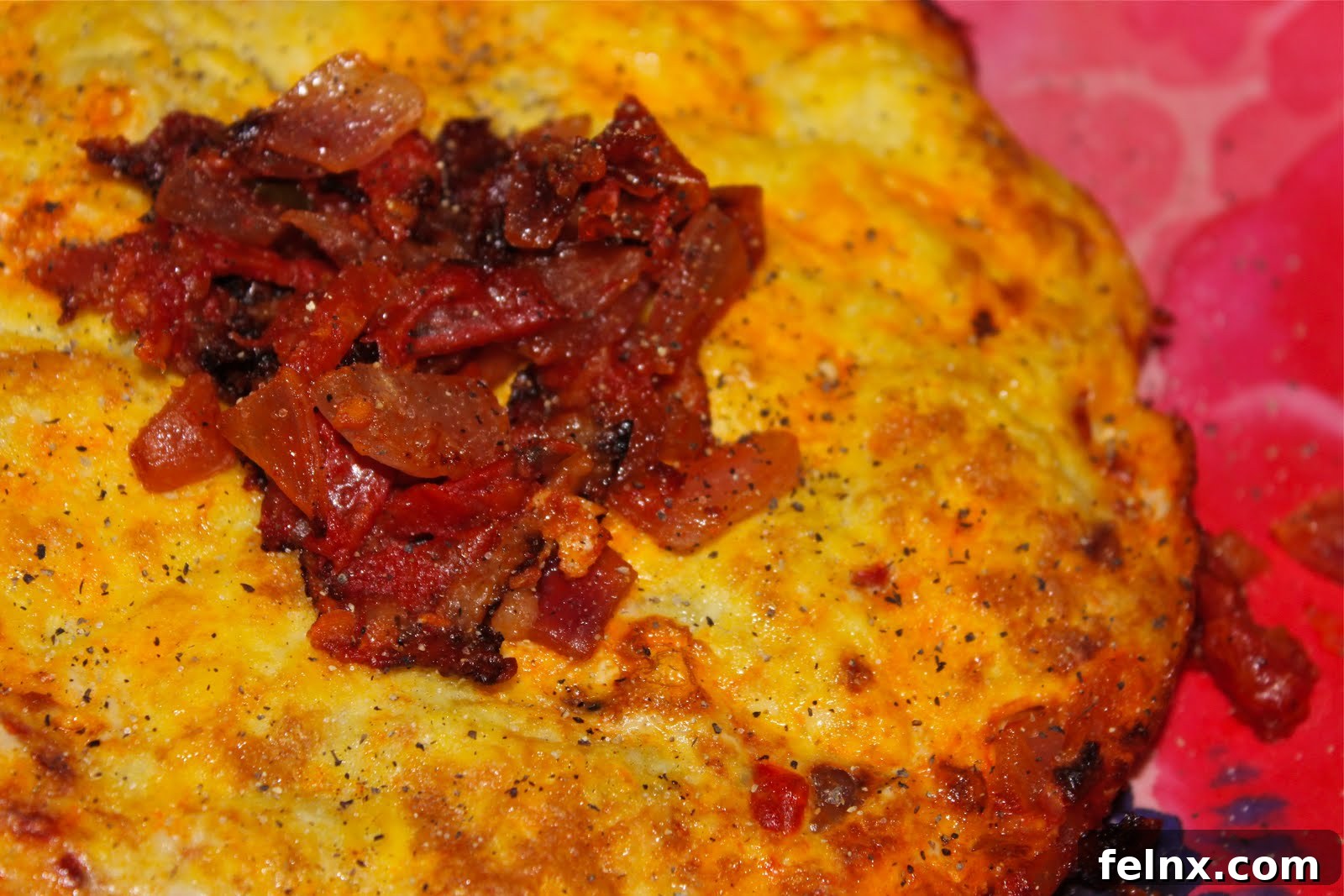
How to Transform Leftover Panzanella into a Gourmet Italian Frittata
Eggs are often seen as the cornerstone of a traditional breakfast, but in many Mediterranean cultures, they are the versatile stars of any meal. Whether it is a quick lunch or a light, nutritious dinner, a well-made egg dish provides the perfect canvas for creativity. If you have ever wondered how to breathe new life into yesterday’s salad, the Panzanella Frittata is your answer. This dish is the ultimate marriage of Tuscan tradition and practical home cooking, turning humble leftovers into a meal that feels both sophisticated and comforting.
The Philosophy of “Must-Gos” and Italian Culinary Wisdom
In many Italian-American households, the refrigerator often contains a collection of “must-gos.” These are the ingredients that are still perfectly fresh and delicious but must be used before they lose their peak flavor. This philosophy stems from a deep-rooted respect for food. Growing up in an Italian family, the phrase “waste not, want not” wasn’t just a suggestion; it was a way of life. Historical Italian cooking, often referred to as cucina povera (peasant cooking), is based on the ingenious use of simple, available ingredients. Nothing was ever thrown away. From using the rind of Parmesan cheese in soups to transforming stale bread into salads, the goal was to maximize every ounce of nutrition and flavor.
The Panzanella salad itself is a prime example of this. It is a classic Italian tomato and bread salad designed specifically to use up hardened, day-old loaves. But what happens when you have leftover Panzanella? You take that tradition one step further by incorporating it into a frittata. By adding high-quality eggs, you create a protein-rich dish that highlights the acidity of the tomatoes and the herbal notes of the original salad.
Why the Panzanella Frittata Works
A frittata is essentially an open-faced Italian omelet, but unlike its French cousin, it is usually thicker, cooked slower, and often finished under a broiler. The beauty of a frittata lies in its adaptability. You can throw almost anything into the egg mixture—cheeses, meats, or roasted vegetables. However, using leftover Panzanella provides a unique advantage: the bread chunks in the salad have already absorbed the juices from the tomatoes, the tang of the vinegar, and the richness of the olive oil. When these are folded into beaten eggs, they create pockets of intense flavor and a variety of textures that a standard vegetable frittata simply cannot match.
Step-by-Step Guide to Making the Perfect Panzanella Frittata
To achieve the best results, follow these refined steps to ensure your eggs are fluffy and your vegetables are perfectly seasoned.
- Prepare the Leftovers: Start by taking your leftover Panzanella salad. If the salad contains large chunks of soaked bread, you may want to break them down slightly or remove any pieces that are overly saturated. Ideally, use a salad that was prepared the day before so the flavors have fully melded.
- Sauté for Flavor Concentration: Place the vegetable and bread mixture into a small, oven-safe frying pan. Heat it over medium heat. This step is crucial because it allows any excess liquid from the tomatoes and dressing to evaporate. You want the mixture to be warm and the flavors concentrated before the eggs hit the pan.
- The Egg Mixture: Take two jumbo eggs and beat them well in a separate bowl. Season them lightly with a pinch of salt and pepper. Once the moisture in the pan has been absorbed, pour the beaten eggs over the vegetable mixture. Ensure the eggs fill the gaps between the ingredients.
- Low and Slow Cooking: Lower the heat. Cover the pan and let the frittata cook on the stovetop for about 10 minutes. Cooking on low heat prevents the bottom from burning while allowing the center to begin setting.
- The Oven Finish: Preheat your oven to 350 degrees Fahrenheit (175°C). Transfer the frying pan into the oven and bake for another 10 minutes. This ensures the eggs are cooked through and the frittata develops a firm, consistent structure.
- The Golden Glow: For the final touch, switch your oven to the “broil” setting. Keep a very close eye on the pan during this stage. You want the top of the frittata to develop a beautiful, golden-brown crust. This only takes a minute or two, and it adds a wonderful toasted flavor to the dish.
- Garnish and Serve: Once removed from the oven, garnish the top with a fresh spoonful of Panzanella or a few fresh basil leaves. A final sprinkle of cracked black pepper and a touch of sea salt will make the flavors pop.
This frittata is so amazingly delicious!
Tips for Success in the Kitchen
While the recipe is simple, a few professional tips can elevate your frittata from a standard meal to a culinary highlight:
1. Choose the Right Pan
An oven-safe skillet is mandatory. Cast iron pans are excellent for frittatas because they distribute heat evenly and can transition seamlessly from the stovetop to the broiler. If you use a non-stick pan, ensure the handle is rated for high oven temperatures.
2. Don’t Overbeat the Eggs
When whisking your eggs, do so until the yolks and whites are just combined. Overbeating can incorporate too much air, causing the frittata to rise like a souffle and then collapse quickly once it leaves the oven. You want a dense, creamy texture.
3. Manage the Moisture
Since Panzanella is a “wet” salad, the sautéing step is the most important. If you pour eggs into a pan full of tomato juice and vinegar, the eggs will struggle to set, and the final result will be watery. Patience during the initial sauté pays off in the final texture.
The Versatility of the Frittata
Once you master the Panzanella version, you can apply this logic to almost any leftover in your fridge. The “must-go” method is a sustainable way to eat. Consider these other variations:
- The Roasted Veggie Frittata: Use leftover roasted peppers, zucchini, or asparagus.
- The Herb-Forward Frittata: Incorporate large amounts of fresh parsley, dill, and chives with a bit of goat cheese.
- The Meaty Italian: Add leftover prosciutto, pancetta, or crumbled Italian sausage for a heartier meal.
Nutrition and Health Benefits
This dish is not only delicious but also packs a significant nutritional punch. Eggs are a complete protein source, containing all nine essential amino acids. They are also rich in choline, which is vital for brain health, and antioxidants like lutein and zeaxanthin, which support eye health. By combining eggs with the lycopene-rich tomatoes and the fiber found in the bread and vegetables of the Panzanella, you are creating a balanced meal that provides sustained energy throughout the day.
Serving Suggestions
A Panzanella Frittata is best served warm or at room temperature, making it an excellent candidate for a brunch buffet or a picnic. Pair it with a crisp green salad tossed in a light lemon vinaigrette to contrast the richness of the eggs. For a drink pairing, a glass of chilled Prosecco or a light Pinot Grigio complements the Italian flavors perfectly. If you are serving this for breakfast, a strong cup of Italian espresso is the traditional accompaniment.
In conclusion, the Panzanella Frittata is more than just a recipe; it is a celebration of resourcefulness. It proves that with a little bit of heat and a few quality eggs, yesterday’s side dish can become today’s culinary masterpiece. Next time you find yourself with a bowl of leftover salad, don’t reach for the trash bin—reach for the frying pan.