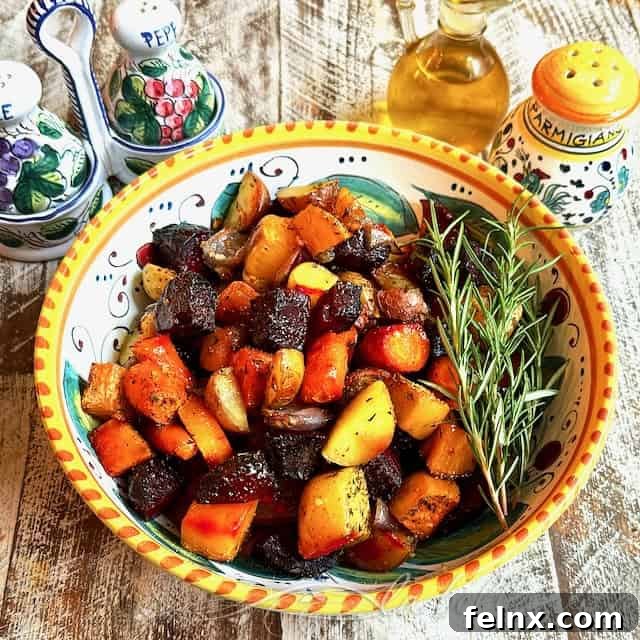
The Ultimate Guide to Easy Oven Roasted Root Vegetables
Roasting vegetables is more than just a cooking method; it is a way to transform simple ingredients into a gourmet side dish. Recently, for my monthly food column in Acreage Life magazine, I was asked to share a recipe that celebrates the earth’s bounty. The answer was immediate: Easy Oven Roasted Root Vegetables. This dish is vibrant, nutritious, and incredibly simple to prepare, making it a staple for both weeknight dinners and festive holiday gatherings.
Root vegetables are available throughout the year, but they truly shine during the colder months. For home gardeners, these are the treasures of the late harvest. When summer crops like tomatoes and cucumbers fade away, root vegetables stand strong, providing a steady supply of food. By incorporating these into your diet, you ensure that your table remains full of life and color regardless of the season.
What Exactly are Root Vegetables?
In culinary terms, root vegetables are plants where the edible portion grows underground. While the stems and leaves grow above the surface and are often edible too (like beet greens or carrot tops), the “root” is the concentrated source of energy for the plant. Because they grow in the soil, they absorb a high concentration of minerals and nutrients, making them nutritional powerhouses.
Historically, these “hidden gems” were essential for survival. Before modern refrigeration, families relied on root cellars—cool, dark, underground spaces—to keep potatoes, carrots, and onions fresh throughout the winter. Today, we appreciate them for their hearty texture and their ability to caramelize beautifully when exposed to high heat in the oven.
The Popularity of the Root
Did you know that some of the most consumed vegetables in the world belong to this category? In the United States, potatoes consistently rank as the most popular vegetable. They are followed closely by garlic, carrots, and onions. These staples form the foundation of countless cuisines, providing the aromatic base for soups, stews, and roasts.
Common root vegetables include:
- Potatoes and Sweet Potatoes: The ultimate comfort foods, rich in potassium and fiber.
- Carrots and Parsnips: Known for their natural sweetness when roasted.
- Beets: Earthy and vibrant, packed with antioxidants.
- Onions and Shallots: Essential aromatics that become sweet and jammy in the oven.
- Turnips and Rutabagas: Often overlooked, these provide a unique, slightly peppery flavor.
- Garlic and Ginger: Powerful roots used primarily for their intense flavor and medicinal properties.
Nutritional Benefits of Roasting Root Crops
Eating a rainbow of colors is a common piece of nutritional advice, and this recipe delivers exactly that. The deep reds of beets, the bright oranges of carrots and sweet potatoes, and the purples of red onions indicate a high concentration of phytonutrients. These antioxidants help combat oxidative stress in the body.
For instance, carrots are famous for their beta-carotene, which the body converts to Vitamin A. Beets contain nitrates that may help support healthy blood pressure levels. Sweet potatoes provide a steady release of energy due to their fiber content. When you roast these together, you aren’t just making a side dish; you are creating a wellness bowl.
Ingredients for Perfect Roasted Root Vegetables
To achieve the best results, you want a variety of textures and flavors. Here is what you will need for this recipe:
- Red and Fingerling Potatoes: These hold their shape well and develop a crispy skin.
- Fresh Beets: Choose firm beets for the best flavor.
- Carrots: Peeled and sliced into uniform pieces.
- Sweet Potatoes or Yams: These add a creamy texture and sweetness.
- Rutabaga or Turnips: These add a rustic, hearty element.
- Red Onion: Essential for a touch of acidity and sweetness.
- Whole Garlic Cloves: Roasting whole cloves makes them soft and spreadable.
- Fresh Herbs: Rosemary, sage, oregano, and thyme are the classic choices.
- Pantry Staples: Extra virgin olive oil, balsamic vinegar, honey, salt, and black pepper.
Step-by-Step Instructions
Follow these steps to ensure your vegetables are perfectly cooked and beautifully presented.
Step 1: Prep and Preheat
Preheat your oven to 425°F (220°C). High heat is the secret to successful roasting. It allows the natural sugars in the vegetables to caramelize (the Maillard reaction), resulting in a sweet, charred exterior and a tender interior. While the oven heats, wash and peel your vegetables. Cut them into uniform pieces, roughly 1 to 1.5 inches square, to ensure they all cook at the same rate.
Step 2: The Secret to Avoiding “Pink” Vegetables
Beets are delicious, but their juice is powerful and will turn every other vegetable in the pan bright pink if you aren’t careful. To prevent this, place all your vegetables—except the beets—into a large mixing bowl. Drizzle with olive oil, add half the minced garlic, and toss to coat.
In a separate, smaller bowl, toss the cut beets with a little olive oil and the remaining garlic. This keeps the beet pigment contained until the final assembly.
Step 3: Arrange and Season
Drizzle a large baking tray with olive oil. Spread the main vegetable mixture across the tray in a single layer. Overcrowding the pan will cause the vegetables to steam rather than roast, so use two trays if necessary. Once spread out, carefully place the oiled beets on top. Do not stir them in yet!
Sprinkle the entire tray with your dried herbs (sage, oregano, thyme), sea salt, and freshly cracked black pepper. These seasonings will infuse the oil as the vegetables cook.
Step 4: The Roasting Process
Place the tray on the middle or lower rack of the oven. Roast for 30 minutes without stirring. This allows the bottom of the vegetables to develop a golden-brown crust. After 30 minutes, remove the tray briefly and scatter fresh rosemary sprigs over the top. Return the tray to the oven for another 20 minutes.
Step 5: The Balsamic-Honey Glaze
While the vegetables are finishing their time in the oven, prepare the vinaigrette. In a small bowl, whisk together one cup of high-quality balsamic vinegar with two tablespoons of honey. If you have access to Italian chestnut honey or fresh honeycomb, use it for a more complex flavor profile. This glaze provides the perfect acidic balance to the earthy, roasted notes of the roots.
Step 6: Finishing Touches
Check the vegetables for tenderness using a fork. Once they are soft and the edges are slightly charred, remove them from the oven. Transfer the vegetables to a large serving bowl. You can either drizzle the balsamic-honey mixture over the top and toss gently, or serve it on the side as a dipping sauce. Serving the glaze on the side is often preferred if you want to maintain the distinct colors of each vegetable for a more striking presentation.
Tips for Success
To take your roasted vegetables to the next level, keep these expert tips in mind:
- Uniform Slicing: The more consistent your cuts, the more even the cooking. Harder vegetables like carrots and rutabagas should be cut slightly smaller than softer ones like potatoes.
- Dry the Veggies: After washing your vegetables, make sure they are completely dry before tossing them in oil. Excess water creates steam, which prevents browning.
- Don’t Scrimp on Oil: Olive oil is not just for flavor; it conducts heat. A generous coating ensures that every piece of vegetable gets that crispy edge.
- Use Fresh Herbs: While dried herbs are great for the initial roasting phase, adding fresh rosemary or parsley at the end adds a burst of aroma and brightness.
Frequently Asked Questions
Can I make these ahead of time?
Yes, you can roast them a few hours in advance and reheat them in a hot oven for 5-10 minutes before serving. However, they are best served fresh when the skins are at their crispiest.
What can I serve with roasted root vegetables?
These vegetables are incredibly versatile. They pair beautifully with roasted chicken, grilled steak, or a festive turkey. For a vegetarian option, serve them over a bed of quinoa or farro with a dollop of goat cheese or Greek yogurt.
Can I use different vegetables?
Absolutely. Feel free to swap in parsnips, radishes, or even butternut squash. The beauty of this recipe is its adaptability to whatever is fresh and in season.
Explore More Roasted Recipes
If you enjoyed this recipe, you might also like these other delicious roasted dishes:
- Italian Roasted Potatoes with Rosemary and Garlic
- Roasted Garlic Parmesan Carrots
- Easy Roasted Balsamic Beet Salad
- Creamy Cauliflower Au Gratin
- Roasted Butternut Squash Risotto
Recipe Summary: Easy Oven Roasted Root Vegetables
Yield: 6-8 Servings
Prep time: 20 Minutes
Cook time: 50 Minutes
Ingredients
- 5-6 carrots, peeled and sliced
- 10 small red potatoes, halved
- 10 fingerling potatoes
- 4 large beets, peeled and cubed
- 3 sweet potatoes, peeled and cubed
- 1 rutabaga, cubed
- 1 large red onion, cubed
- 1/2 butternut squash, cubed
- 6 cloves garlic, minced
- 3 Tbsp extra virgin olive oil
- 1 tsp each of sage, oregano, and thyme
- Salt and pepper to taste
- 5-6 sprigs of fresh rosemary
- 1 cup balsamic vinegar + 2 Tbsp honey (for the glaze)
Instruction Summary
- Preheat oven to 425°F.
- Oil the baking tray.
- Toss all veggies (except beets) with oil, half the garlic, and herbs.
- Toss beets separately with oil and remaining garlic.
- Spread veggies on the tray; top with beets.
- Roast for 30 minutes. Add rosemary. Roast for 20 more minutes.
- Whisk balsamic and honey.
- Drizzle glaze over roasted vegetables and serve warm.
Roasting root vegetables is a celebration of simple, wholesome food. Whether you are a seasoned gardener or a home cook looking for a healthy side dish, this recipe offers the perfect blend of flavor, nutrition, and visual appeal. Buon Appetito!