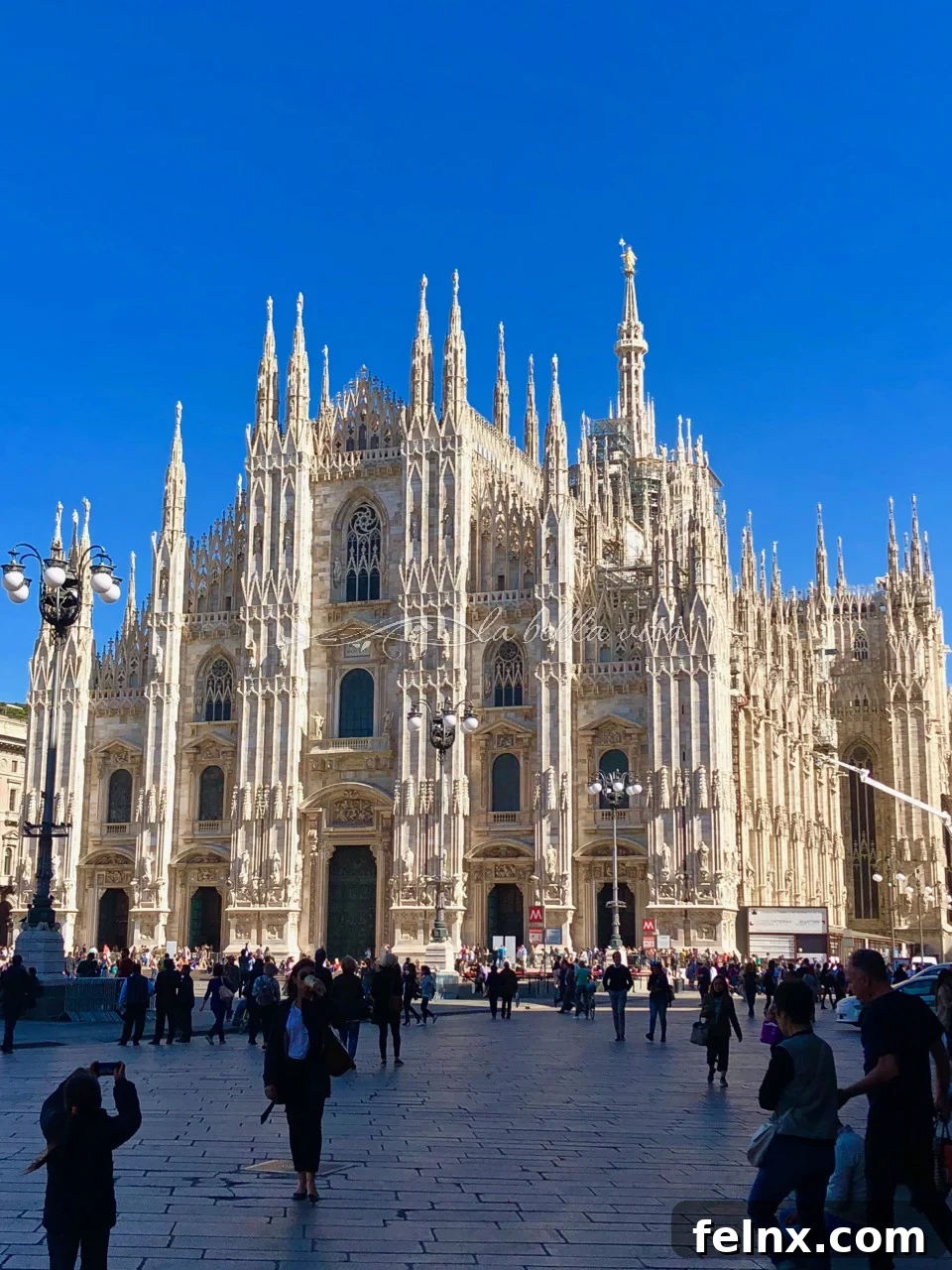
Exploring the Duomo di Milano: A Comprehensive Guide to Milan’s Gothic Masterpiece
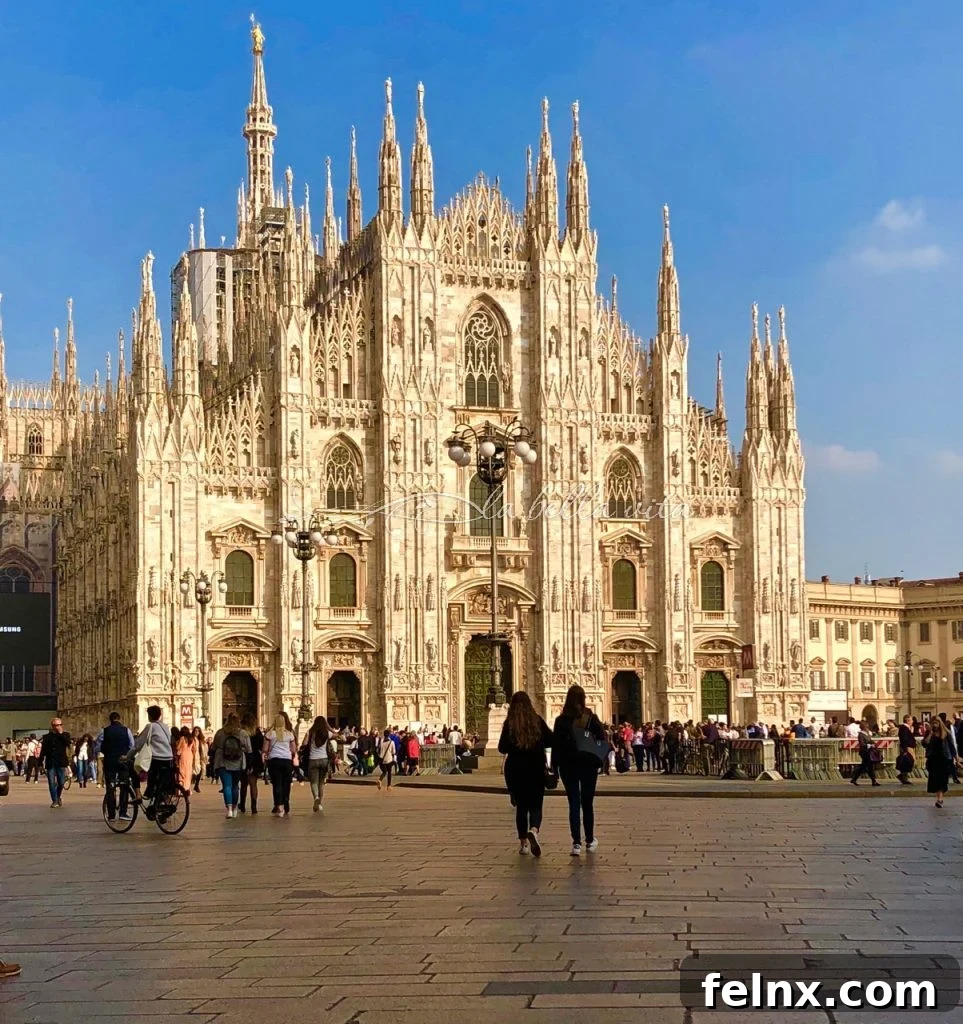
Prepare to be completely mesmerized. When you first set eyes on the Duomo di Milano, the Cathedral of St. Maria Maggiore, the sheer scale and intricate beauty of the structure often leave visitors speechless. This architectural marvel is not just a church; it is a testament to human persistence, artistic genius, and spiritual devotion that spanned seven centuries. Officially, construction began in the year 1386, and it took nearly 600 years to reach its current state of completion—though, in a sense, a cathedral of this magnitude is never truly finished.
The Duomo of Milan is an experience that transcends mere sightseeing. While photographs can capture its silhouette against the Italian sky, they can never fully convey the grandeur and the “breathing” quality of the marble. If a building could be a tribute to the divine, this cathedral is surely the physical manifestation of “glory to God.”
The History and Significance of the Milan Cathedral
The story of the Duomo began under the rule of Gian Galeazzo Visconti, who envisioned a monument that would reflect the growing power and prestige of Milan. Unlike many other Italian cathedrals of the time, which were built using brick, the Duomo was constructed using Candoglia marble, a distinct pink-hued stone brought in via the city’s canal system. This choice gave the cathedral its unique, ethereal glow that changes with the light of the day.
As the second-largest cathedral in Italy—surpassed only by St. Peter’s Basilica in the Vatican—and the fifth-largest Christian church in the entire world, its dimensions are staggering. It covers approximately 110,000 square feet, effectively occupying an entire city block. It follows a select group of massive religious structures, including the Basilica of Our Lady of Aparecida in Brazil, St. John the Divine in New York, and the Seville Cathedral in Spain. However, the Duomo di Milano stands out for its age and the sheer density of its ornamentation.
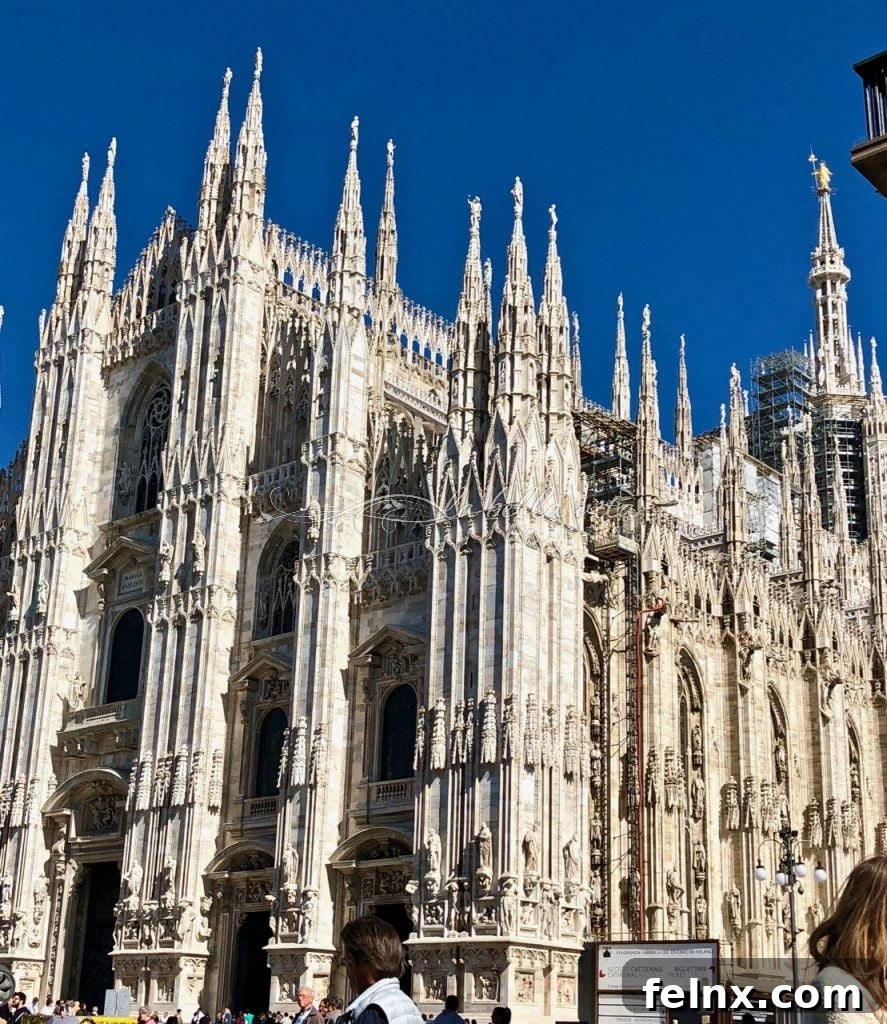
An Architectural Forest of Stone
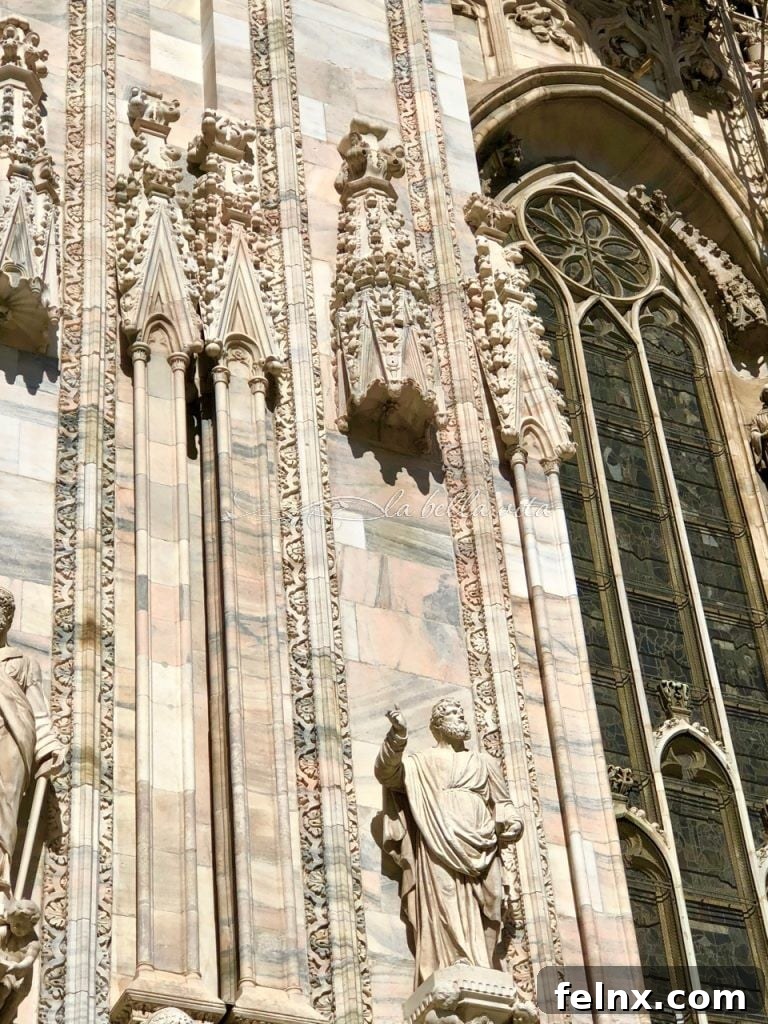
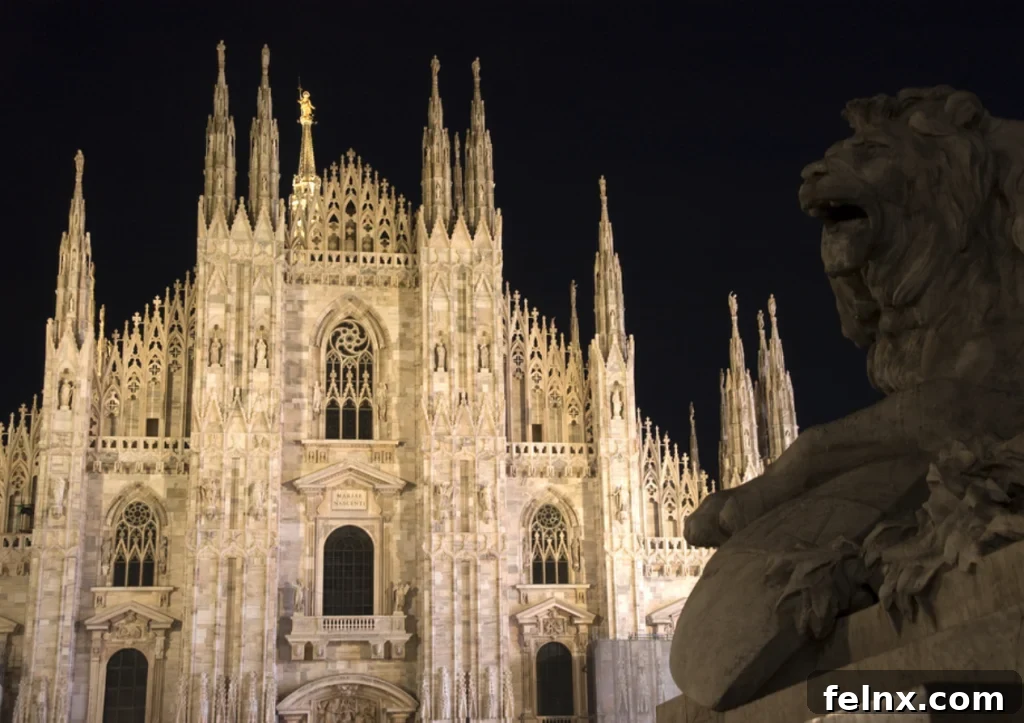
One of the most remarkable features of the Duomo is the number of statues that decorate both its interior and exterior. In fact, the Milan Cathedral holds the record for the most statues of any building in the world. At the last official count, there are over 3,400 statues, 135 gargoyles, and 700 carved figures integrated into the architecture.
As you approach the entrance, the level of detail becomes almost overwhelming. Every linear accent, every leaf, and every floral pattern was carved by hand. There were no molds used in the creation of these decorations; each tiny element is a unique piece of art. This dedication to craftsmanship reminds us of an era when builders dedicated their entire lives to a project they knew they would never see finished in their lifetime.
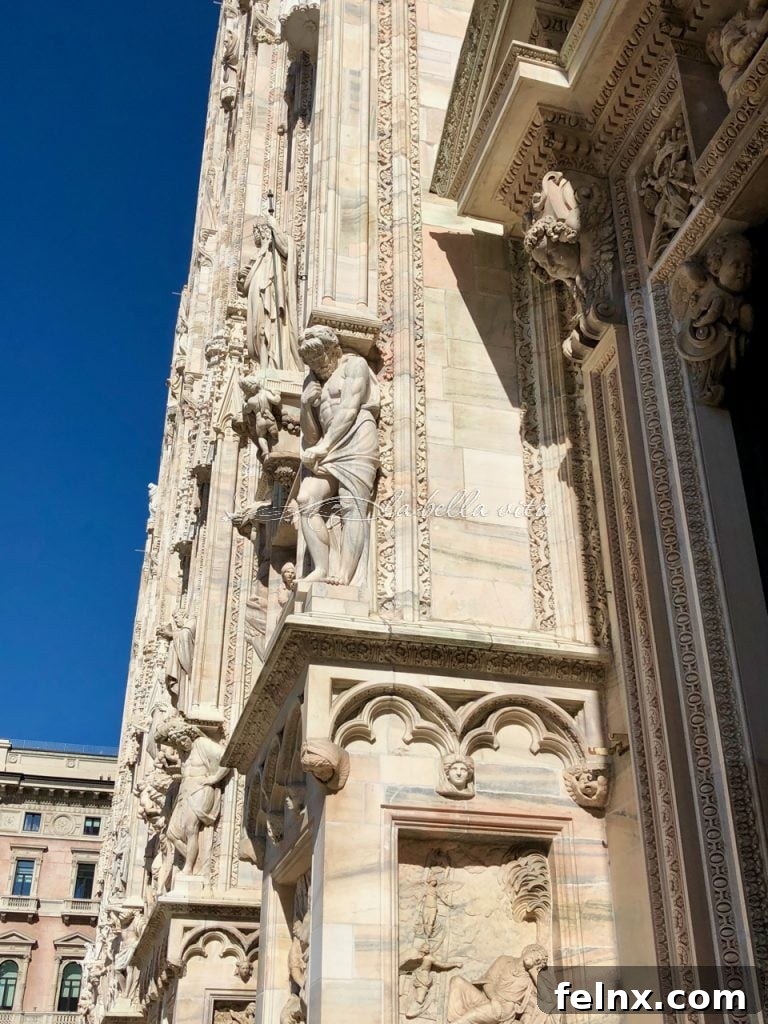
The Vertical Journey: Looking Up to the Divine
The design of the Duomo compels the observer to look upward. The Gothic style, characterized by its pointed arches and vertical lines, was intended to draw the eye and the soul toward the heavens. Inside and out, the cathedral serves as a constant reminder of the spiritual realm.
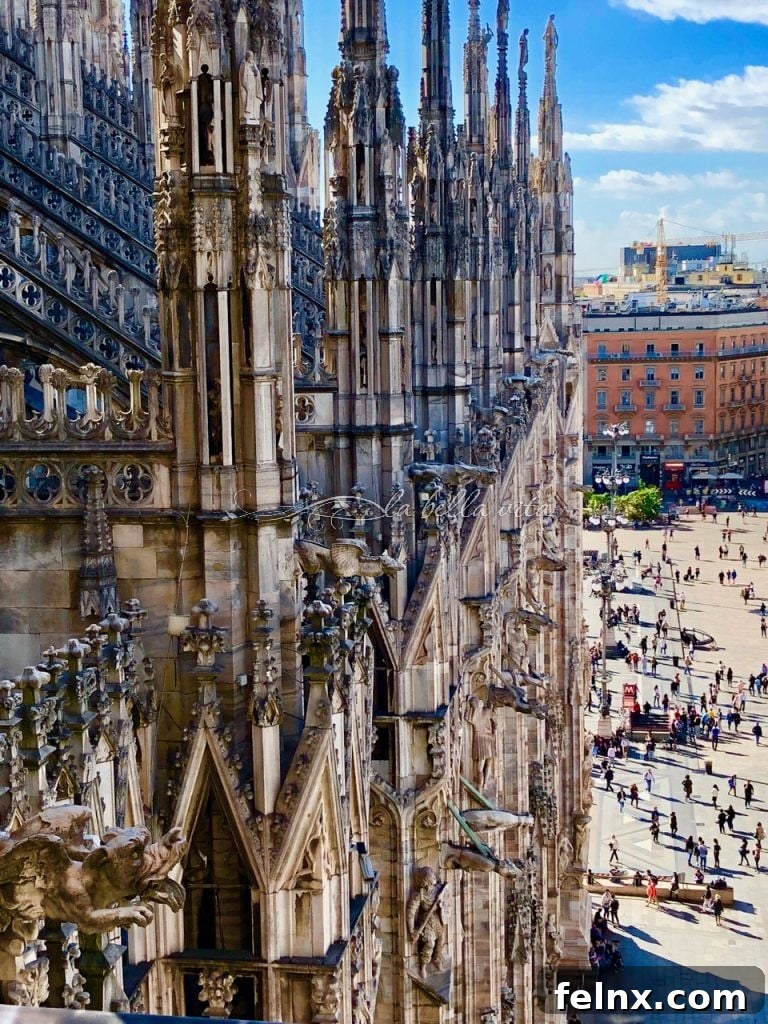
However, the experience changes entirely when you ascend. Whether you choose to climb the historic stone stairs or take the modern lift, reaching the terrazza (rooftop) is an essential part of any visit. From the top, the perspective shifts from looking up in awe to looking down in contemplation. You begin to realize how small we are in the grand scheme of history and creation. On a clear day, specifically in months like October when the air is crisp, you can see far beyond the city of Milan to the snow-capped peaks of the Alps.
The Magnificent Interior: A Marble Forest
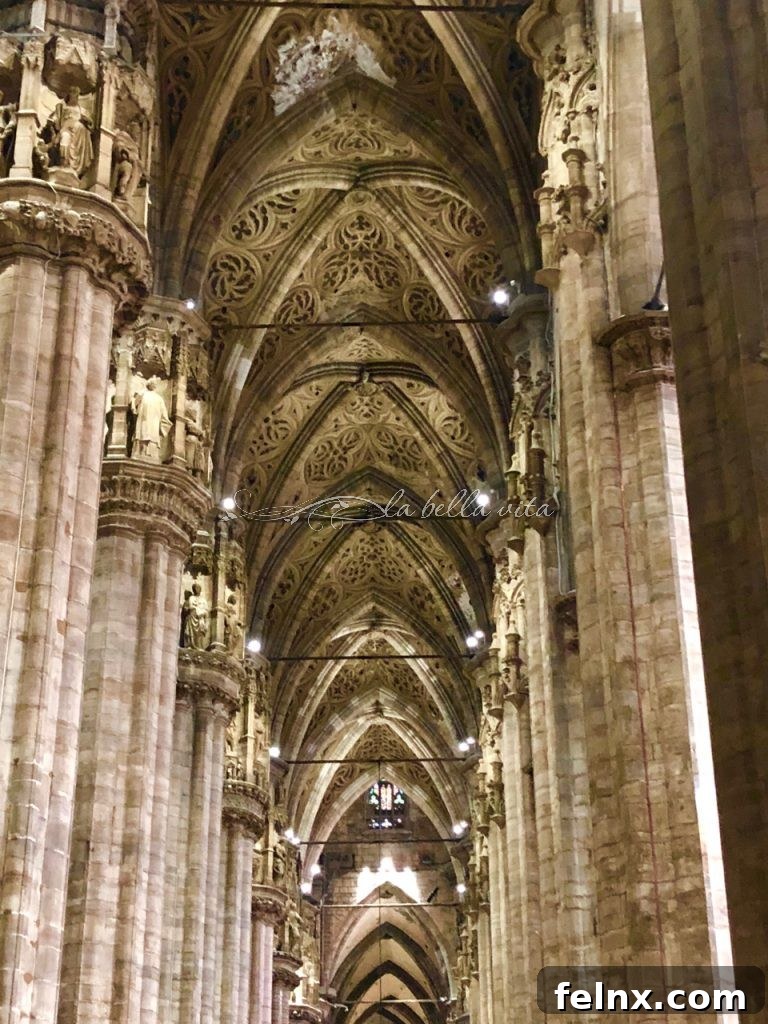
Stepping inside the cathedral is like entering a massive, cool forest made of stone. The interior is characterized by 52 giant marble columns, representing the 52 weeks of the year. These columns reach toward the ceiling, creating a sense of immense space and quietude, despite the bustling city just outside the heavy bronze doors.
The entrance doors themselves are works of art, featuring aged bronze sculptures that depict scenes from the history of Milan and the Bible. Once inside, your attention is immediately drawn to the stained glass windows. The three massive windows behind the main altar are among the largest in the world. They depict stories from the Old Testament, the New Testament, and the Apocalypse with such vibrant colors and detail that they served as a “visual Bible” for the pilgrims of the Middle Ages who could not read.
The Altar and the Holy Relics
The central altar is a place of profound serenity. Surrounding it are numerous smaller altars, each adorned with extraordinary sculptures and paintings. One of the most significant items in the cathedral is located high above the altar: a Holy Nail, which is said to have come from the True Cross of Christ. Every year, during the Nivola Ceremony, the Archbishop of Milan is lifted in a basket decorated as a cloud to retrieve the relic for public veneration.
Climbing to the Rooftop of the Duomo
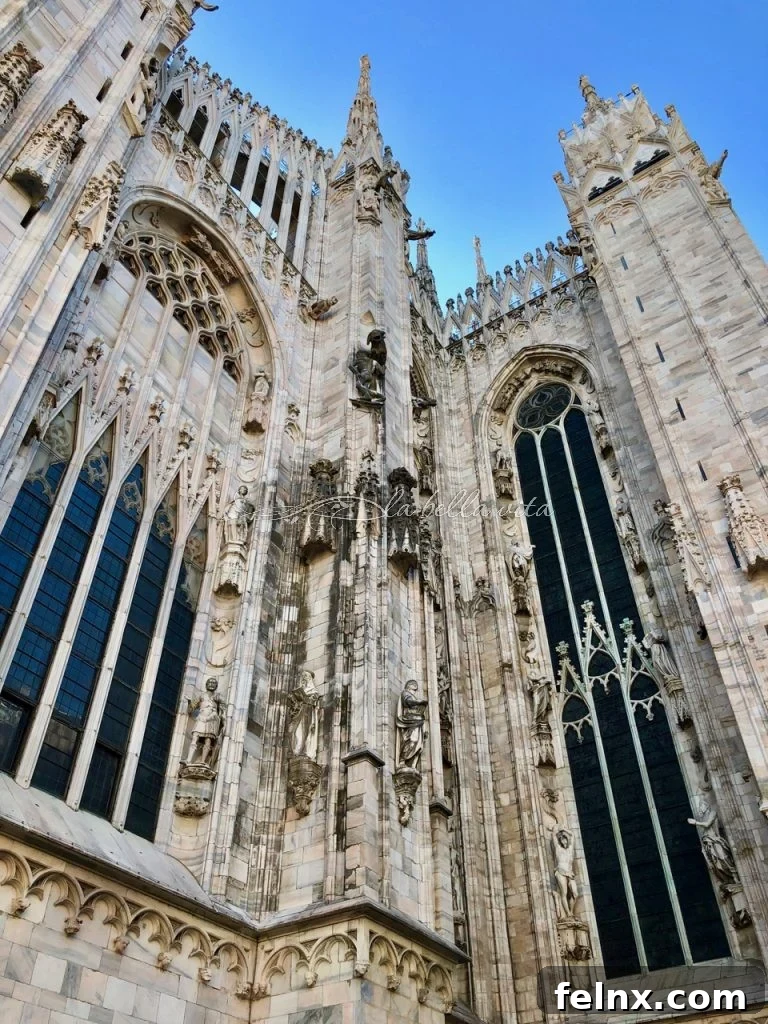
For many, the highlight of the visit is the rooftop tour. It is a rare opportunity to walk among the spires and get a close-up view of the sculptures that are invisible from the ground. The climb can be physically demanding, involving over 200 steps, but the reward is worth every bit of effort. Even for those with physical limitations, the availability of an elevator ensures that no one has to miss this “gothic fairy tale” experience.
As you walk along the roof, you will notice the different colors of the marble. This is because the Veneranda Fabbrica del Duomo—the organization that has managed the cathedral’s construction and maintenance since 1387—is constantly cleaning and replacing stones damaged by pollution and weather. It is a never-ending quest to preserve the beauty of the structure against the elements.
The Madonnina: The Golden Heart of Milan
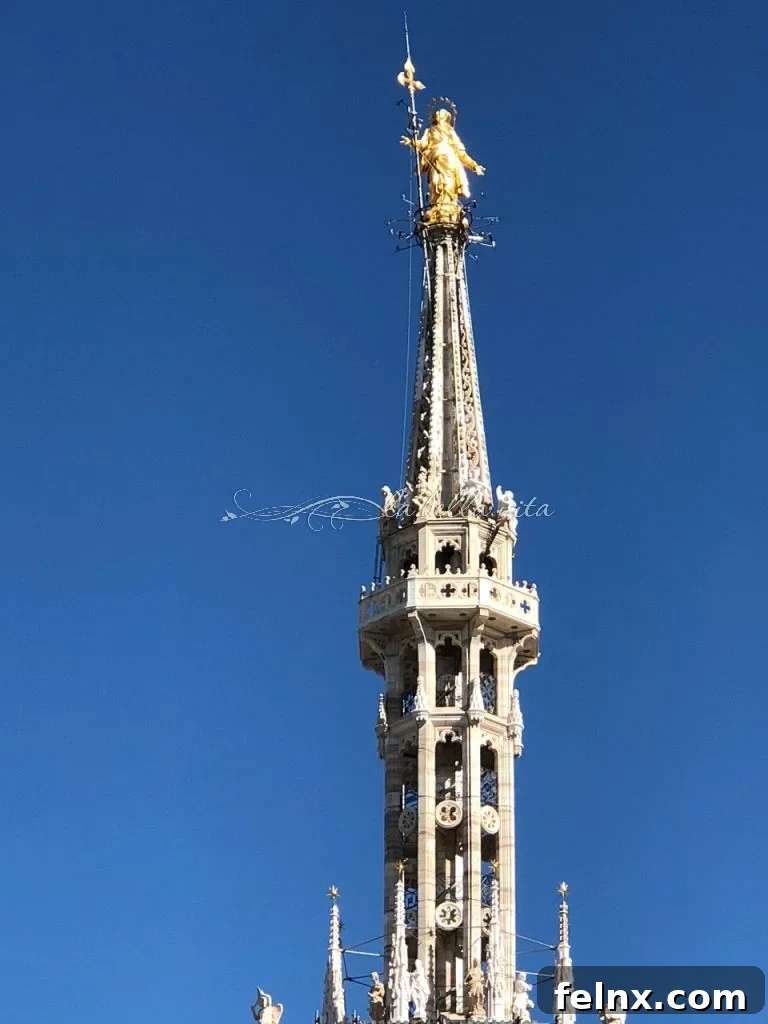
At the very highest point of the cathedral stands the Madonnina, a gold-covered statue of the Virgin Mary. Perched on the main spire, she is the traditional protector of the city. For centuries, no building in Milan was allowed to be taller than the Madonnina. Even today, when modern skyscrapers rise above the cathedral, a replica of the statue is often placed on the roof of the tallest building to ensure she remains the highest point in spirit.
Practical Tips for Your Visit
- Best Time to Visit: October is a wonderful month to visit Northern Italy. The summer crowds have thinned, and while it is traditionally a rainy month, you can often experience clear, blue skies that provide the perfect backdrop for the white marble of the Duomo.
- Skip-the-Line Tickets: To avoid waiting for hours in the plaza, it is highly recommended to book “skip-the-line” priority tickets or a private guided tour. This allows you more time to explore the interior and the rooftop without the stress of the crowds.
- Dress Code: As a place of worship, the Duomo enforces a strict dress code. Ensure your shoulders and knees are covered before entering.
- Accessibility: If you have back issues or difficulty walking, prioritize the elevator (lift) for the rooftop access. While there are still some steps on the roof itself, the lift saves you from the bulk of the climb.
Conclusion: A Once-in-a-Lifetime Experience
The Duomo di Milano is more than a landmark; it is a profound emotional journey. From the overwhelming detail of the 3,400 statues to the quiet majesty of the marble columns, it invites visitors to reflect on history, art, and faith. Whether you are a photography enthusiast, a history buff, or someone seeking spiritual inspiration, the cathedral offers something unique to everyone.
If you are planning a trip to Milan and have questions about the best places to stay, where to find the most authentic Italian cuisine, or how to navigate the city’s historic sites, feel free to reach out. Milan is a city where ancient history and contemporary life exist side-by-side in perfect harmony, and the Duomo is its beating heart.
Safe travels and enjoy the beauty of Northern Italy! Ciao!
For more travel tips, recipes, and insights into the Italian lifestyle, consider joining our community at La Bella Vita Cucina. We share the best of Italian culture, from our kitchen to your inbox, helping you experience the true essence of “the beautiful life.”