The Ultimate Guide to Harvesting and Preserving Your Homegrown Tomatoes
There is nothing quite like the feeling of walking into your garden and seeing the vibrant colors of a successful harvest. This year, we have been incredibly fortunate with our garden’s output. The combination of early spring warmth and consistent weekly rain showers has turned our backyard into a lush paradise. While the frequent rain has been a blessing for our vegetable patches, it has presented some challenges for other plants, particularly our roses. In the South, high humidity is a constant companion, often leading to issues like black spot, thrips, rust, and the ever-persistent Japanese beetles, also known as June bugs.
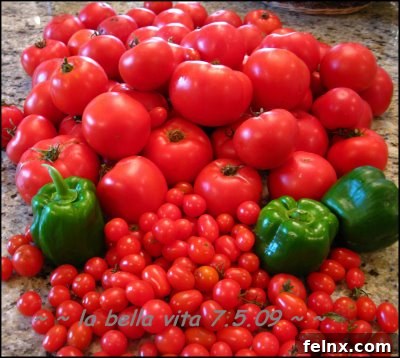
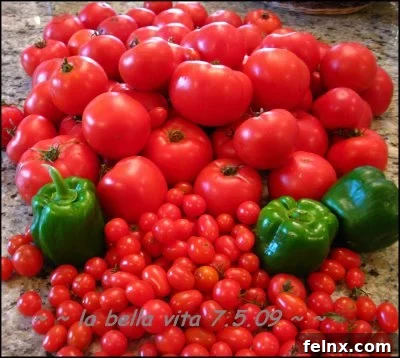
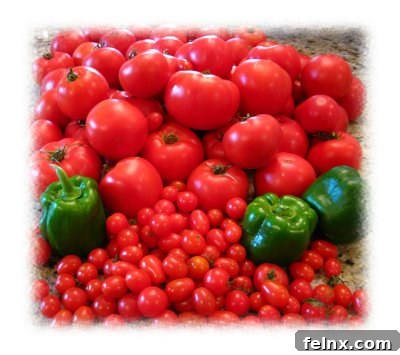
Despite these minor gardening hurdles, the tomato plants have absolutely thrived. This season marks our first significant harvest of the year, and it is truly a bountiful one. We grow several varieties, but the stars of the show this week are undoubtedly the Beef Masters and Beef Steaks. These varieties are known for their impressive size and meaty texture, and this year, they have not disappointed. In fact, the plants are so heavily laden with fruit that the branches are literally drooping under the weight of these massive tomatoes.
The Joy of a Successful Tomato Harvest
When you see a table overflowing with dozens of huge, ripe tomatoes, your first thought might be: what on earth do you do with all of them? For those of us who love gardening, a large harvest is never a burden; it is an opportunity. This is just the second week of the harvest, and we are already finding creative and delicious ways to make sure not a single tomato goes to waste. The freshness of a tomato picked straight from the vine is incomparable to anything you can buy in a grocery store.
Our kitchen has become a hub of activity as we process the different varieties. From the small, sweet cherry tomatoes to the giant, heavy slicing tomatoes, each has its place in our culinary routine. The aroma of fresh vines and ripe fruit fills the air, serving as a reminder of the hard work put into the soil during the planting season.
Simple Ways to Enjoy Fresh Tomatoes
The first few days of any harvest are always dedicated to eating the tomatoes fresh. There is a simple elegance in a meal that highlights the natural flavors of the garden. One of our absolute favorite ways to celebrate the first harvest is by making classic BLT sandwiches. There is something magical about the combination of crispy bacon, fresh lettuce, and thick, juicy slices of a Beefsteak tomato on toasted bread. It is a summer staple that we look forward to all year long.
Beyond the classic sandwich, we use our tomatoes in a variety of other fresh dishes:
- Fresh Pasta Sauces: Unlike canned sauces, a sauce made from freshly harvested tomatoes is light, vibrant, and full of Vitamin C. We simply sauté some garlic and onions, add chopped tomatoes, and let them simmer until they break down into a rustic sauce.
- Summer Salads: Whether it’s a classic Caprese with mozzarella and basil or a simple tossed salad, fresh tomatoes provide the perfect burst of acidity and sweetness.
- Salsa Cruda: A quick chop of tomatoes, onions, cilantro, and lime juice makes for a refreshing dip that highlights the crunch and juice of the fruit.
A Family Tradition: Homemade Salsa and Gifting
A significant portion of our tomato bounty is dedicated to a very special family tradition: homemade salsa. Every year, we spend time canning our signature salsa recipe to share with our large extended family. It has become such a staple that it is now a requirement for family visits. When I travel back to the Midwest to visit my relatives, I never arrive empty-handed. In fact, my sister won’t even let me through the front door until she sees a can or two of our garden salsa! She is a serious salsa enthusiast, and she claims that store-bought versions simply cannot compete with the depth of flavor found in our homegrown jars.
Canning allows us to preserve the essence of summer and share it with the people we love. It is a labor of love that involves peeling, chopping, and simmering, but the result is a shelf full of jars that will last through the winter months.
How to Freeze Fresh Tomatoes: A Step-by-Step Guide
If you find yourself with more tomatoes than you can eat or can, freezing is an excellent alternative. Freezing tomatoes is a quick and effective way to preserve their flavor for use in soups, stews, and sauces later in the year. Many people are surprised by how easy the process is. Unlike some vegetables that require extensive blanching, tomatoes can be prepared for the freezer in just a few minutes.
Here is my tried-and-true method for freezing fresh tomatoes:
1. Preparation and Boiling
Start by filling a very large, deep pot about two-thirds full with water. Place this on the stove and bring it to a rolling boil. While the water is heating up, prepare a second large pot or a clean sink basin with ice-cold water. This “ice bath” is crucial for stopping the cooking process and making the tomatoes easy to peel.
2. The Quick Blanch
Using a large slotted spoon or a ladle, carefully lower several tomatoes into the boiling water. Do not overcrowd the pot; work in small batches. You need to watch them very closely during this stage. As soon as you see the skin on the tomato split—which usually happens in about 60 seconds—remove them immediately. You are not trying to cook the tomato through; you are simply loosening the skin.
3. The Ice Bath
Immediately transfer the hot tomatoes into the pot of ice water. The sudden temperature change shocks the fruit, stopping any further cooking and causing the skin to pull away from the flesh even more. Once the tomatoes are cool enough to handle, you can move on to the next step.
4. Peeling and Packaging
The skins should now slide off with ease. Simply use your fingers to peel them away and discard the skins. Once you have a pile of skinless, whole tomatoes, you can place them into freezer-quality plastic bags, such as Ziploc Freezer bags. I recommend freezing them in a variety of bag sizes—some small for side dishes and some large for big batches of chili or Bolognese sauce.
5. Storage
Seal the bags, removing as much air as possible to prevent freezer burn. Label them with the date and the variety of tomato, then place them in your freezer. These will stay fresh and flavorful for months.
The Benefits of Using Frozen Garden Tomatoes
There is a remarkable difference between a recipe made with store-bought canned tomatoes and one made with your own thawed garden tomatoes. When you use your own frozen bounty, you are adding a piece of summer to your winter meals. The flavor is more intense, the color is more vibrant, and you have the peace of mind knowing exactly where your food came from and that no preservatives were added.
Using these tomatoes in the middle of a cold January makes you appreciate the love and care you put into your spring and summer garden. It builds anticipation for the next growing season and provides a sense of self-sufficiency that is incredibly rewarding. Whether you are making a rich Bolognese sauce or a hearty vegetable soup, those frozen tomatoes will bring a freshness to your kitchen that simply cannot be found in a tin can.
Final Thoughts on the Gardening Season
Gardening is more than just a hobby; it is a way to connect with nature and provide for your family. Despite the humidity and the occasional pest, the reward of a bountiful harvest makes every bit of effort worth it. As we continue through this harvest season, we look forward to many more meals shared with friends and family, all centered around the simple, perfect tomato.
If you have a garden this year, I encourage you to try these preservation methods. Don’t let your hard work go to waste! Whether you are making salsa, freezing for the winter, or just enjoying a fresh slice on a sandwich, savor every bite of your summer harvest.