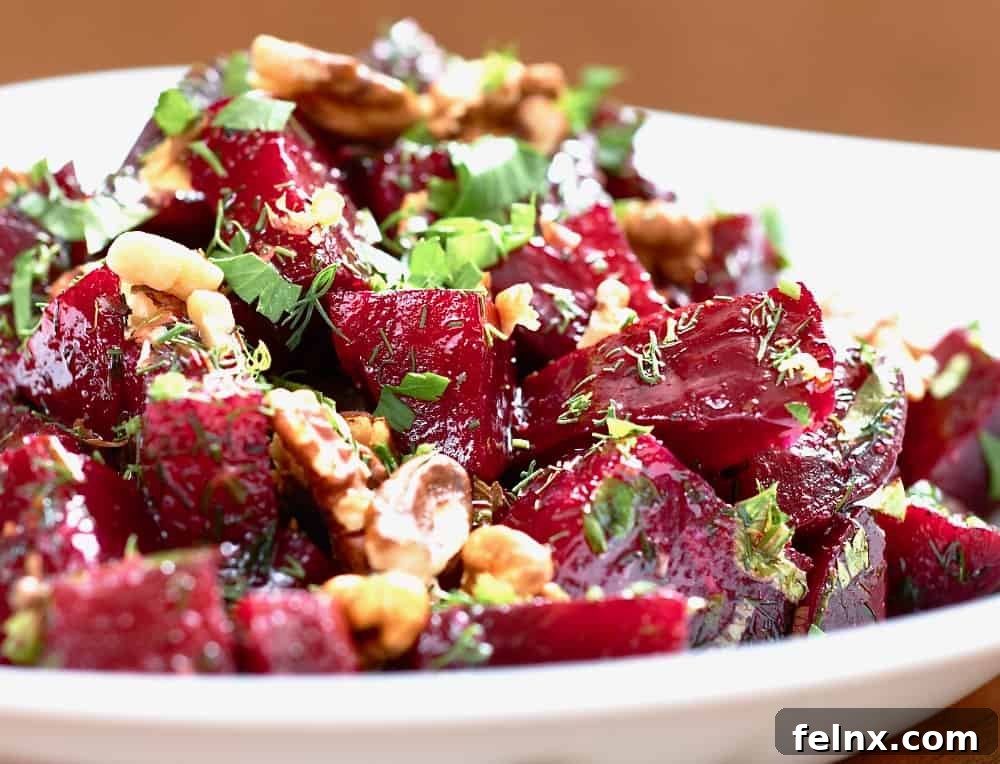
Healthy Roasted Balsamic Beet Salad: A Traditional Italian Family Recipe
Beets are often the unsung heroes of the vegetable world. In my personal cookbook, they hold a place of honor. Growing up in a traditional Italian household, I remember my mother frequently preparing a humble yet flavorful beet salad. It is fascinating to see how the culinary world has recently embraced this vibrant root vegetable. Much like risotto, polenta, and tortellini—dishes that were once exclusive to immigrant kitchens but became mainstream favorites over the last two decades—beets have finally found their way into the spotlight of modern American dining.
In the 1960s, these ingredients were daily staples for us. Today, I am thrilled to share a recipe that honors my mother’s legacy: the Roasted Balsamic Beet Salad. This dish is a perfect blend of earthy sweetness, tangy balsamic vinegar, and the creamy punch of Gorgonzola cheese. Before we dive into the cooking process, let’s explore why this vegetable is so special and why you should consider making it a regular part of your diet.
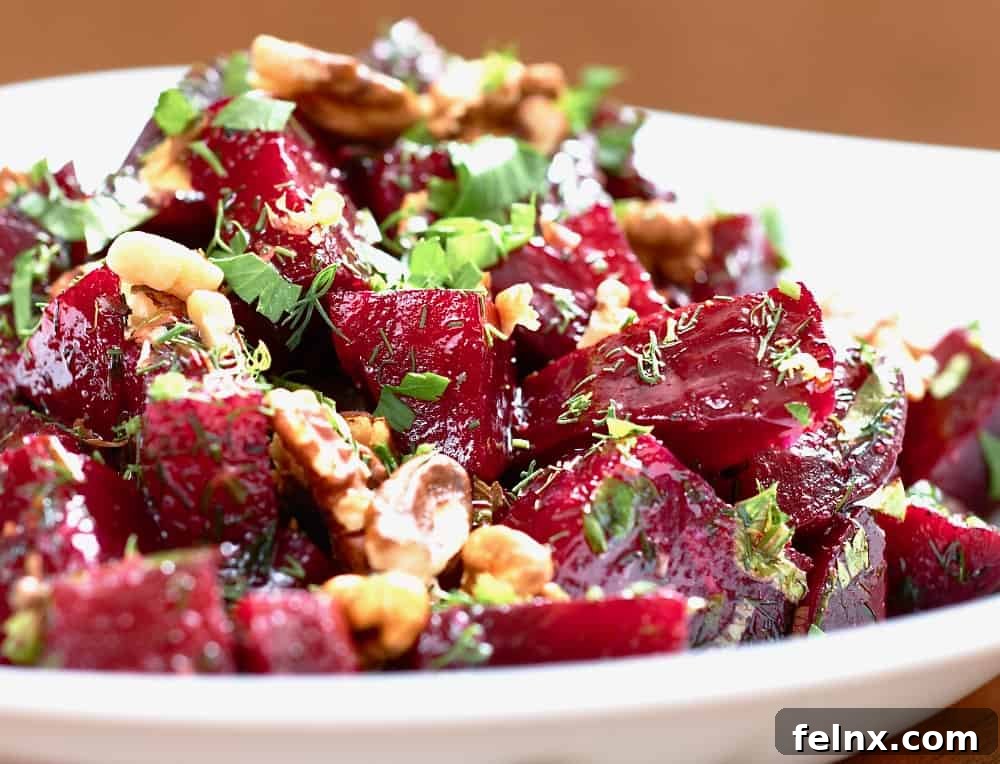
The Nature of Beets: Sweetness and Nutrition
Beets are known for their striking burgundy-purple hue and their deep, natural sweetness. In historical times, beets were actually a primary source for sugar production, and they remain a significant crop for that purpose today. Because of this high natural sugar content, beets are often debated in the world of specialized diets. For those following a strict ketogenic or low-carb lifestyle, beets are usually limited or avoided due to their carbohydrate profile.
However, if you are not restricted by such diets, beets offer an incredible array of nutrients. It is important to understand their composition to appreciate their value:
- Approximately 80% of the calories in a beet come from carbohydrates.
- One cup of raw beets contains about 13 grams of carbohydrates.
- While they contain fiber, the majority of their caloric value is derived from natural sugars.
- Despite the sugar, they have a low glycemic load, meaning they don’t spike blood sugar as drastically as processed sweets.
Incredible Health Benefits of Beets
Beyond their taste, beets are nutritional powerhouses. Incorporating them into your weekly meal rotation can lead to significant long-term health improvements. Here are the primary reasons why this vegetable is considered a “superfood”:
1. Supporting Cardiovascular Health
One of the most well-documented benefits of beets is their ability to lower blood pressure. Hypertension often runs in families, and finding natural ways to manage it is essential. Beets contain high levels of dietary nitrates, which the body converts into nitric oxide. This compound helps relax and dilate blood vessels, improving blood flow and reducing the strain on the heart. Furthermore, beets help lower homocysteine levels, which is linked to a reduced risk of stroke and heart attacks.
2. Liver and Kidney Detoxification
In our modern world, our bodies are constantly exposed to toxins. Beets contain betalains, unique pigments that support the body’s Phase II detoxification process. This is when broken-down toxins are bound to other molecules so they can be excreted from the body. Regular consumption of beets—ideally once a week—can help cleanse the liver and kidneys, ensuring your internal filtration systems work efficiently.
3. Managing Cholesterol Naturally
High cholesterol is a common health concern. Thanks to their high fiber content and antioxidants like folic acid, beets can help reduce “bad” LDL cholesterol while protecting the arteries from plaque buildup. This natural intervention is a delicious way to support a heart-healthy lifestyle.
4. Potent Anti-Inflammatory Properties
Chronic inflammation is the root cause of many modern diseases. The standard American diet is often high in inflammatory triggers. Beets provide a natural defense against this. The phytonutrients found in beets, such as vulgaxanthin and betanin, provide significant anti-inflammatory benefits, helping to protect your organs and joints from long-term damage.
5. Boosting Cognitive Function
As we age, blood flow to the brain typically decreases, which can lead to a decline in memory and cognitive performance. The nitrates in beets are particularly effective at increasing blood flow to the frontal lobe of the brain—the area associated with higher-level thinking and decision-making. Including a roasted beet salad in your diet might just give your brain the boost it needs to stay sharp.
Pro Tips for Storing and Cooking Beets
To get the most out of your beets, you need to handle them correctly from the market to the plate. Here are some essential tips:
- Storage: Beets prefer cool, dark, and slightly humid environments. A root cellar is ideal, but the vegetable crisper in your refrigerator works well too. Avoid warm, dry areas, as they will cause the beets to shrivel and sprout.
- Freezing: If you have an abundance of beets, you can freeze them. However, they must be cooked until tender first. Once cooked, slice or chop them, and store them in airtight freezer bags.
- Preserving Nutrients: Beets can lose some of their health benefits if they are overcooked. Roasting them at a high temperature for a shorter duration is often better than boiling them for long periods.
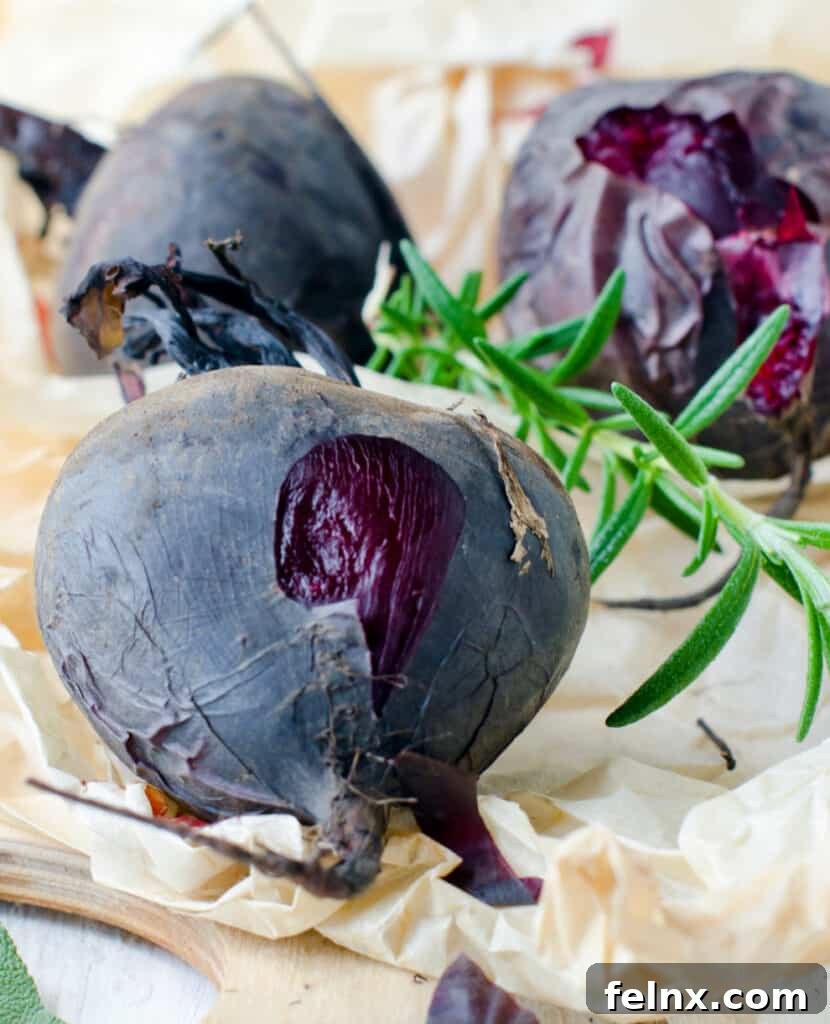
- Prepping: Always leave the skin on while roasting. The skin protects the vibrant color and nutrients. Once roasted and slightly cooled, the skins will slide right off with minimal effort.
Expanding Your Roasted Vegetable Palette
Once you master the art of roasting beets, you might want to try other roasted vegetable dishes that complement this salad. Roasting brings out the natural sugars in many vegetables, creating a depth of flavor that steaming or boiling simply cannot match. Consider these ideas:
- Roasted Parmesan Garlic Carrots: A sweet and savory side dish.
- Italian Roasted Potatoes: Flavored with fresh rosemary and garlic.
- Roasted Red Peppers: Excellent for salads or homemade spreads.
- Zucchini Chips: A crispy, healthy alternative to processed snacks.
Recipe: Roasted Balsamic Beet Salad with Gorgonzola and Walnuts
This salad is a sophisticated yet simple dish that works perfectly as a starter or a light main course. The combination of warm beets and cold greens creates a delightful contrast.
Ingredients
For the Salad Base:
- 8 medium to large fresh beets (tops removed)
- 2-3 bunches of green onions or shallots, thinly sliced
- 2-3 tablespoons extra virgin olive oil (for roasting)
- 8-12 cups of mixed leafy greens (arugula, romaine, or bib lettuce)
- 4-8 ounces soft Italian Gorgonzola cheese (or goat cheese as a milder substitute)
- ½ cup roasted walnuts, pecans, or almonds, roughly chopped
For the Balsamic Vinaigrette:
- ½ cup high-quality balsamic vinegar
- ½ cup extra virgin olive oil
- 2 teaspoons Dijon mustard
- 1 teaspoon sea salt (plus more to taste)
- ½ teaspoon freshly ground black pepper
Instructions
- Preparation: Preheat your oven to 400°F (200°C). Wash the beets thoroughly to remove any dirt, but do not peel them yet.
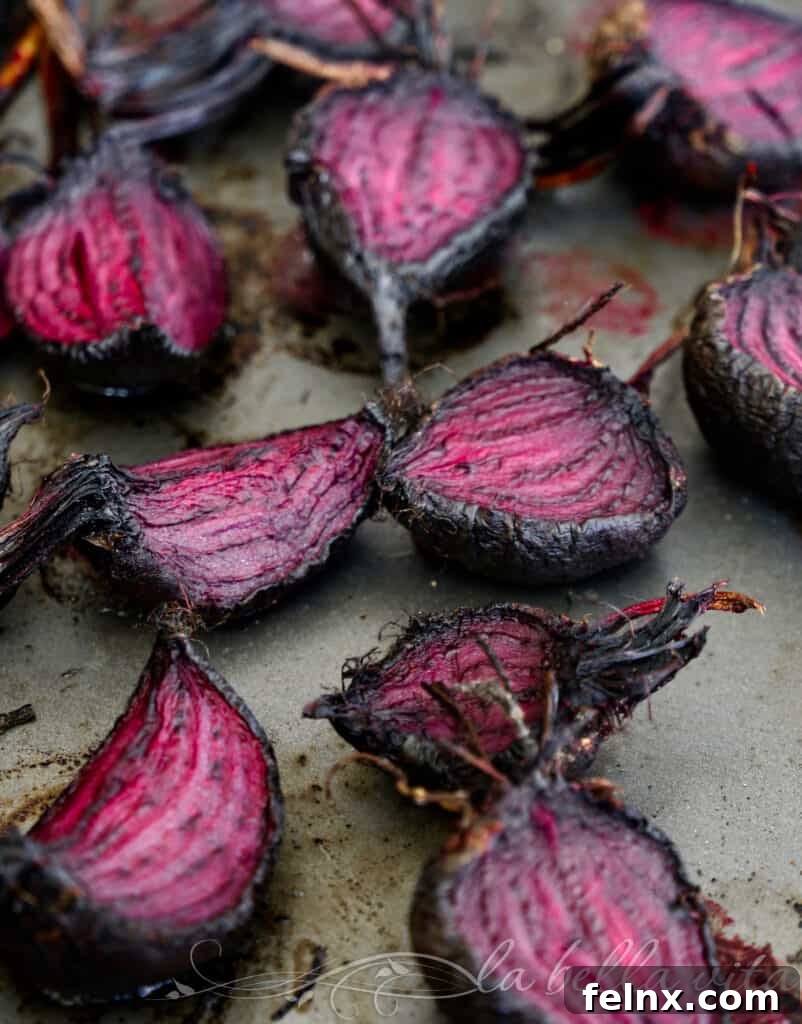
- Roasting: Place the beets in a shallow baking pan. Drizzle with 2-3 tablespoons of olive oil and toss them to ensure they are well-coated. Cover the pan with foil to steam them slightly while roasting.
- Timing: Roast for about 45 to 60 minutes. The exact time depends on the size of the beets. They are done when a sharp knife slides easily into the center.
- The Dressing: While the beets are in the oven, whisk together the balsamic vinegar, olive oil, Dijon mustard, salt, and pepper in a small bowl. Set aside so the flavors can meld.
- Peeling: Remove the beets from the oven and let them cool for about 15 minutes. While still warm, use a paper towel or a small knife to slip the skins off. (Tip: Do this over parchment paper to prevent staining your cutting board).
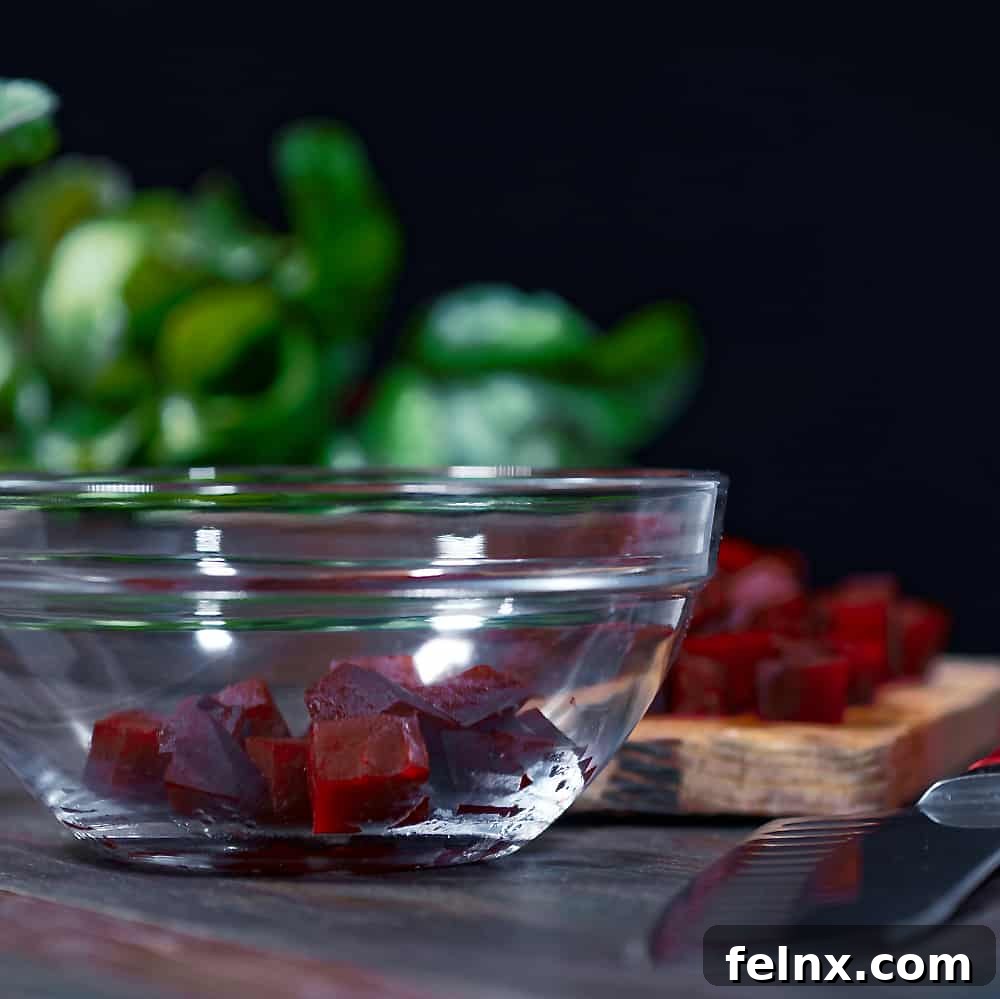
- Slicing: Cut the peeled beets into bite-sized wedges or rounds.
- Marinating: While the beets are still warm, place them in a bowl with the sliced green onions. Pour half of the vinaigrette over them. Warm beets absorb the dressing much better than cold ones.
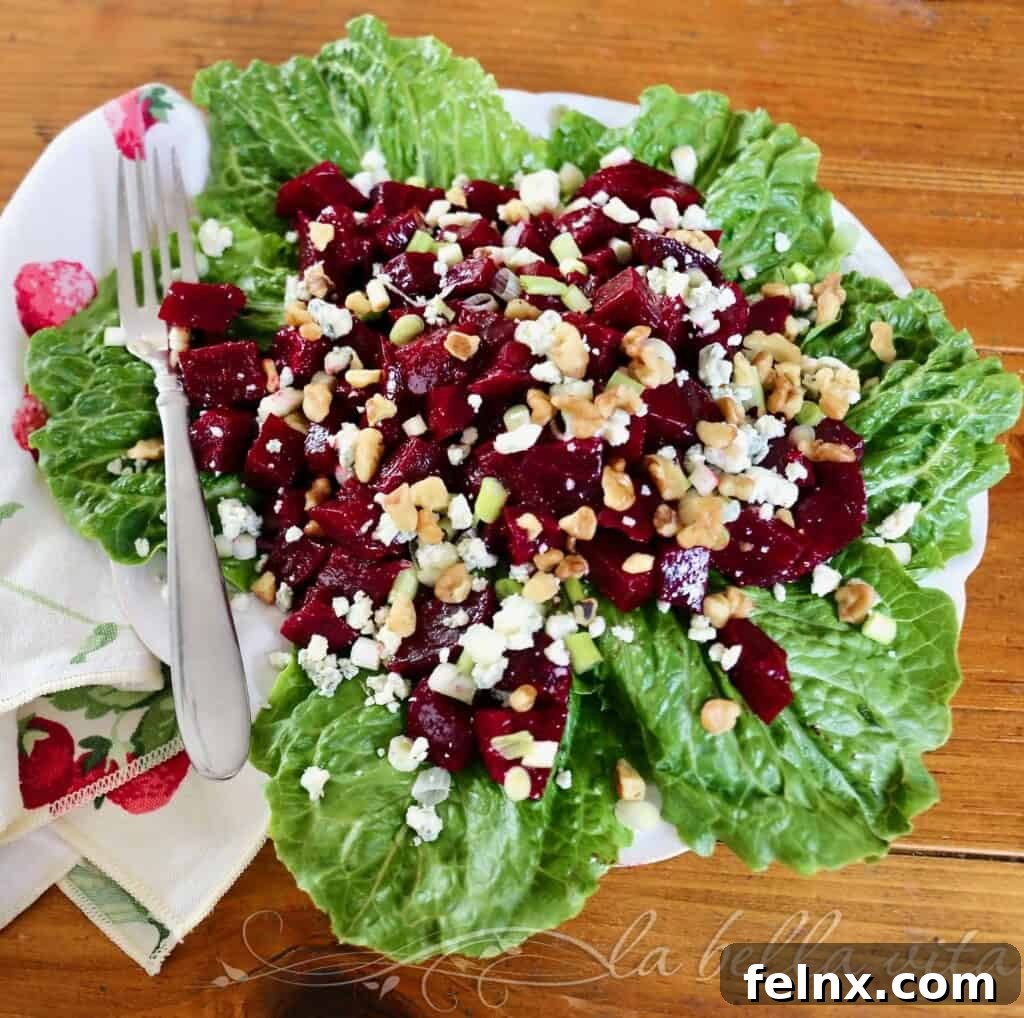
- Assembly: Toss your mixed greens with the remaining vinaigrette in a large bowl. Arrange the dressed greens on a serving platter.
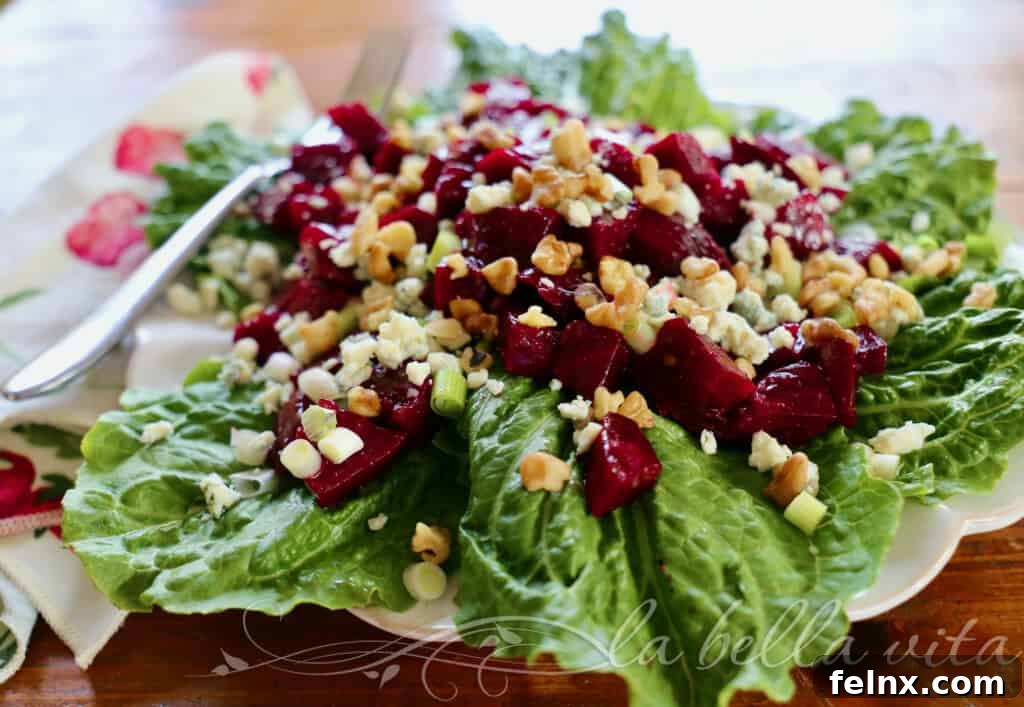
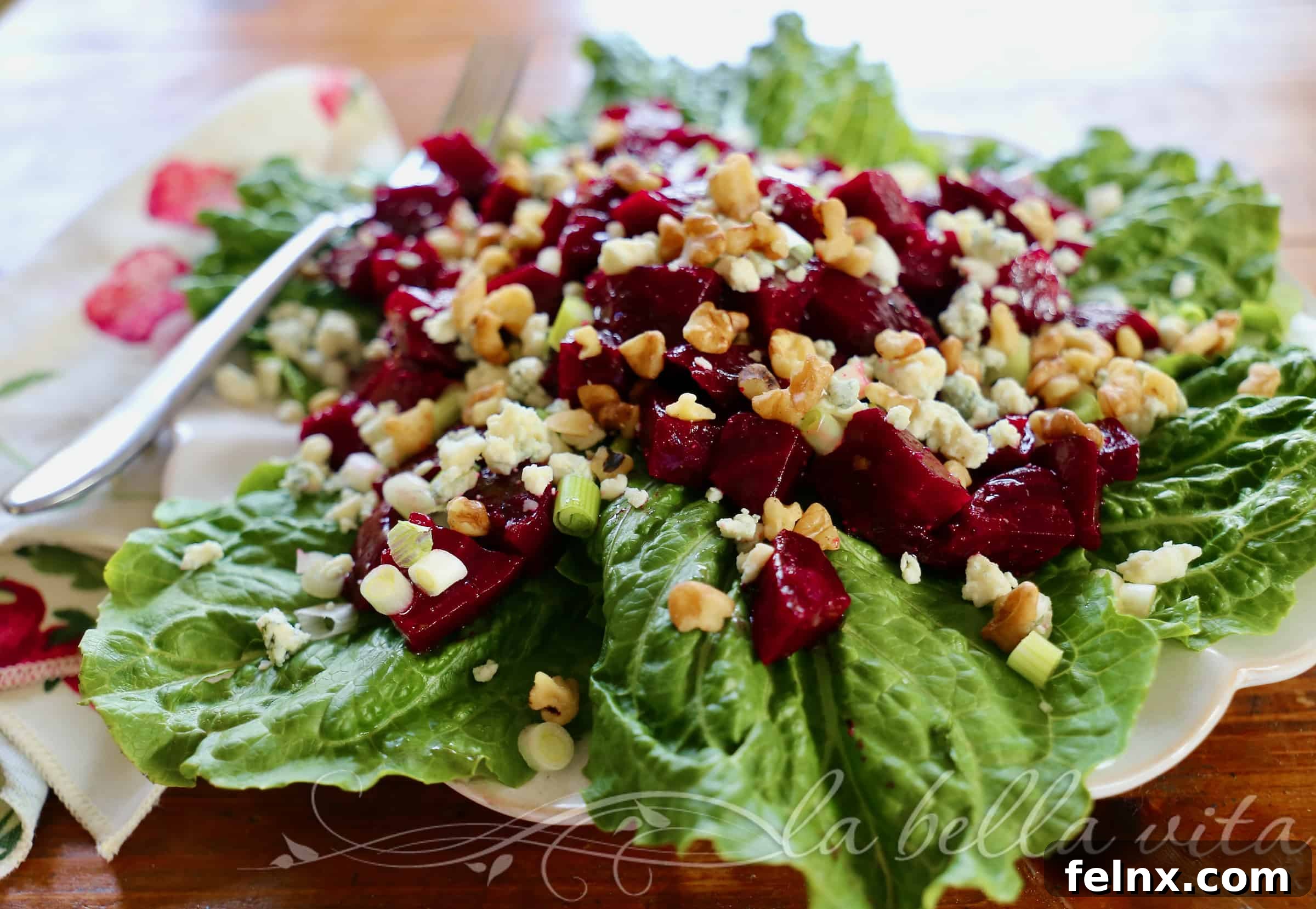
- Finishing Touches: Spoon the marinated beets and onions over the greens. Top with crumbled Gorgonzola and chopped roasted walnuts.
- Service: Drizzle any remaining dressing over the top and add a final sprinkle of salt and pepper. Serve immediately while the beets are still slightly warm.
Why This Combination Works
The success of this Roasted Balsamic Beet Salad lies in the balance of flavors and textures. The beets provide an earthy, sugary base. The balsamic vinaigrette adds necessary acidity to cut through that sweetness. The Gorgonzola cheese offers a creamy, salty, and slightly pungent element that pairs beautifully with the earthiness of the root. Finally, the walnuts provide a much-needed crunch, rounding out the dish. It is a masterpiece of Mediterranean-style cooking that is as healthy as it is delicious.
Whether you are looking to improve your heart health, detox your liver, or simply enjoy a gourmet meal at home, this roasted beet salad is the perfect choice. Enjoy the process of cooking with fresh, whole ingredients, and Buon Appetito!
Did you try this recipe? We would love to hear about your experience. Feel free to experiment with different nuts or cheeses to find your perfect variation. Sharing healthy, home-cooked meals is one of the best ways to show love to your friends and family.