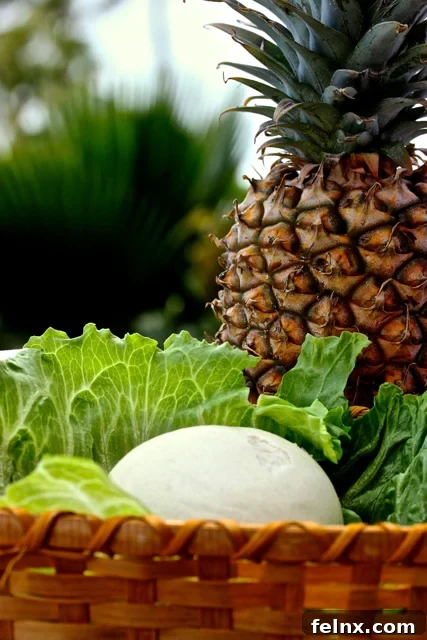
Traditional Hawaiian ‘Char Siu Manapua’ stuffed bread
The Ultimate Guide to Hawaiian Manapua: Authentic Char Siu Steamed Buns and Budget Dining in Maui
Visiting the island of Maui is a dream for many travelers, but the reality of “sticker shock” can set in quickly. From accommodation to activities, paradise comes with a premium price tag. Perhaps nowhere is this more apparent than in the local grocery stores and restaurants. Eating decently on the islands is an expensive endeavor, and finding a good value requires both strategy and local knowledge. However, there is a delicious way to bypass the high costs of tourist-oriented dining: embracing traditional Hawaiian cuisine and street food.
Eating Local: How to Save Money on Food in Hawaii
When planning a trip to Hawaii, budget management is essential, especially when it comes to food. Food products in island markets are often priced significantly higher than on the mainland due to shipping costs. To counter this, savvy travelers often start their mornings with local favorites that offer both comfort and value. Imagine waking up to a tropical breakfast of macadamia nut and banana pancakes drizzled with coconut syrup, accompanied by fresh guava juice and hot Kona coffee. Dining al fresco while overlooking Napili Bay, with the silhouettes of Molokai and Lanai on the horizon, is a quintessential “Aloha” moment that doesn’t have to break the bank if you know where to look.
One of the best tips for saving money is to head straight to the local markets after arrival. Using store bonus or loyalty cards can save you at least 10% on your grocery bill. Every little bit helps when you are trying to enjoy paradise on a budget. However, the real secret to affordable eating lies in native Hawaiian cuisine. Before food trucks became a global trend, they were thriving in Hawaii, serving up “plate lunches,” shave ice, and other tropical specialties that are fast, filling, and inexpensive.
What is Manapua? A Hawaiian Comfort Classic
If you are looking for the ultimate “ono” (delicious) local food, look no further than Manapua. These are tender steamed buns stuffed with savory fillings, most traditionally Chinese BBQ pork, known as Char Siu. While the dish has its roots in Chinese baozi, it has evolved into a uniquely Hawaiian staple over the decades.
Manapua is the definition of comfort food. It reflects the history of the islands, where different cultures merged their culinary traditions to create something new. While the classic version uses Char Siu pork, you can also find variations featuring beef pot roast, chicken, or even sweet potato and vegetables for those who prefer meat-free options. The defining characteristic of a great Manapua is its texture—it should be perfectly soft, fluffy, and white when steamed, though baked versions offer a golden, slightly sweet crust.
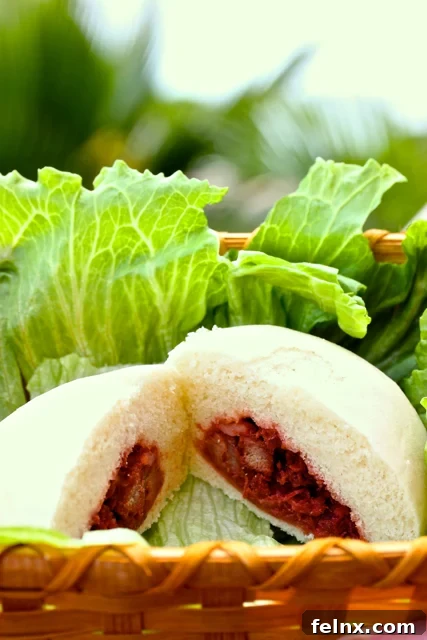
The tender bread is traditionally filled with savory Chinese BBQ pork
How to Make Authentic Hawaiian Char Siu Manapua
Making Manapua at home allows you to bring a taste of the islands to your kitchen. The process involves two main components: the soft yeast dough and the flavorful Char Siu filling. Below is a detailed guide to creating these iconic steamed buns.
Ingredients for the Manapua Bun Dough
- 1 package of active dry yeast
- 3 tablespoons of lukewarm water (to bloom the yeast)
- 2 cups of warm water
- 1-1/2 tablespoons of cooking oil or shortening
- 1/4 cup of white sugar
- 3/4 teaspoon of salt
- 6 cups of sifted all-purpose flour
- 1/2 tablespoon of sesame oil (to coat the dough)
Step-by-Step Instructions for the Dough
- Activate the Yeast: Sprinkle the dry yeast over 3 tablespoons of lukewarm water. Let it sit for about 5-10 minutes until it becomes soft and foamy.
- Mix Liquids: In a separate bowl, combine the remaining 2 cups of warm water with the oil (or shortening), sugar, and salt. Stir until the sugar and salt are completely dissolved. Allow this mixture to cool slightly before adding the yeast mixture.
- Incorporate Flour: Place your sifted flour in a large mixing bowl. Gradually add the liquid mixture.
- Knead the Dough: Begin kneading the mixture. You want to create a heavy, substantial dough. Continue kneading until the dough forms a smooth ball. You should see long strands on the outside of the dough, which indicates that the gluten has fully developed.
- First Rise: Clean the mixing bowl and coat it with sesame oil. Return the dough to the bowl and turn it to ensure it is lightly coated in oil. Cover with plastic wrap and let it rise in a warm spot until it doubles in size (usually about an hour).
- Develop Flavor: For the best results, you can let the dough rise in the refrigerator for 3 to 6 hours. This slow fermentation greatly enhances the flavor of the bread.
Preparing the Savory Pork Filling
The heart of the Manapua is the Char Siu filling. You can use pre-made BBQ pork or follow our recipe below to make your own authentic Chinese BBQ pork.
- 1 pound of Char Siu (Chinese BBQ pork), diced into small pieces
- 1 cup of water
- 2 tablespoons of cornstarch
- 2 tablespoons of sugar
- 1/2 teaspoon of salt
- 2-3 cloves of garlic, finely minced
- 1 teaspoon of fresh ginger, minced
- Optional: A few drops of red food coloring for that classic bright look
Instructions for the Filling
- Thicken the Sauce: In a small pot, whisk together the water, cornstarch, sugar, and salt until there are no lumps.
- Cook: Bring the mixture to a boil, then reduce the heat. Simmer for about one minute while stirring constantly until the sauce thickens and becomes clear.
- Combine: Stir in the diced Char Siu pork, minced garlic, and ginger. If you want the traditional vibrant red color, add the food coloring now. Let the filling cool completely before stuffing the buns.
Assembling and Steaming the Manapua
Once your dough has risen and your filling is cool, it is time to assemble. This part requires a bit of patience but is very rewarding.
- Prepare the Steamer: Fill your steamer with plenty of water and bring it to a boil. Cut twelve 3-inch squares of waxed paper and lightly spray them with non-stick cooking spray.
- Portion the Dough: Punch down the risen dough and divide it into 12 equal pieces. Roll each piece into a smooth ball.
- Flatten: Flatten each ball into a circle about 6 inches in diameter. Try to keep the edges slightly thinner than the center; this makes it easier to seal the bun without having a thick knot of dough at the top.
- Stuff: Place a dough circle in the palm of your hand. Spoon about two tablespoons of the pork filling into the center.
- Seal: Carefully bring the edges of the dough up around the filling. Pinch the edges together, twisting slightly to create a pleated seal.
- Final Rise: Place each finished bun on a square of waxed paper. Let them sit for about 10-15 minutes to “plump up” before steaming.
- Steam: Place the buns in the steamer, leaving about 2 inches of space between them. Steam vigorously for 15 minutes. Tip: If using a metal steamer, place a kitchen towel under the lid to prevent condensation from dripping onto the buns and making them soggy.
- Serve: Turn off the heat and let the steamer sit for 5 minutes before opening the lid. Serve the Manapua hot!
Recipe for Homemade Char Siu (Chinese BBQ Pork)
If you want the most authentic flavor, making your own Char Siu is the way to go. This pork is excellent in Manapua, but also delicious on its own with rice.
Ingredients for Char Siu
- 3 lbs of boneless pork (shoulder or butt works best)
- 3 tablespoons of warmed honey (for basting)
The Marinade
- 1 teaspoon of salt
- 4 tablespoons of soy sauce
- 4 teaspoons of minced ginger
- 3 tablespoons of warmed honey
- 2 tablespoons of sugar (white or brown)
- 2 teaspoons of minced garlic
- 3 tablespoons of rice wine or dry sherry
- 1 tablespoon of Chinese five-spice powder
- 2 tablespoons of hoisin sauce
- Optional: 2 drops of red food coloring
Char Siu Cooking Instructions
- Marinate: Cut the pork into strips about 2-3 inches wide. Combine all marinade ingredients and pour them over the pork in a large sealable bag. Marinate in the refrigerator for at least 6 hours, ideally overnight.
- Preheat: Set your oven to 400°F (200°C). Prepare a roasting pan by adding 1 inch of water to the bottom. Place a wire rack over the pan.
- Roast: Place the pork strips on the rack. Roast for 25 minutes, then baste with warmed honey.
- Turn and Baste: Flip the pork strips and roast for another 30 minutes, basting again. The honey and sugar in the marinade will create a beautiful charred edge on the pork.
- Finish: Once cooked through, let the meat rest before slicing it across the grain.
Pro-Tips for Perfect Hawaiian Buns
To ensure your Manapua turns out like those found in the best bakeries in Honolulu or Maui, keep these tips in mind:
- Flour Quality: Always sift your flour. This ensures a lighter, fluffier bun.
- Temperature: Ensure your water isn’t too hot when adding the yeast, as high temperatures can kill the yeast and prevent the dough from rising.
- Baking vs. Steaming: While steaming is traditional, many people love “Baked Manapua.” To do this, simply brush the tops of your assembled buns with a little oil or egg wash and bake at 350°F for 20-25 minutes until golden brown.
- Freezing: Manapua freezes beautifully. Once they have cooled, you can freeze them in airtight bags. To reheat, simply re-steam them for a few minutes or wrap them in a damp paper towel and microwave for 45-60 seconds.

Aloha and Happy Cooking!
Whether you are strolling through the markets of Maui or cooking in your own kitchen, the flavors of Hawaii are a testament to the island’s rich cultural heritage. Enjoy your homemade Manapua and share the spirit of Aloha with your friends and family!