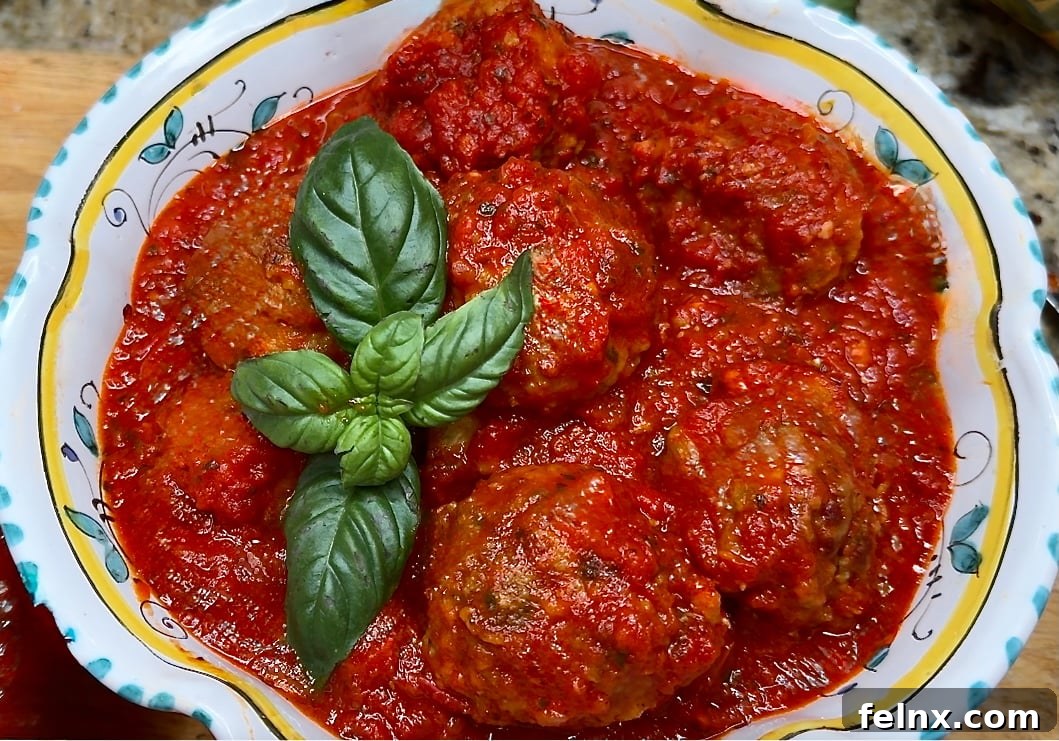
The Ultimate Secret to Authentic Italian Meatballs: Lessons from Mamma Agata
Cooking is often about more than just following a set of instructions; it is about the stories, the heritage, and the tiny secrets passed down through generations. Recently, I had the incredible opportunity to step into the kitchen of the legendary Mamma Agata. Located in the breathtaking cliffs of Ravello along Italy’s Amalfi Coast, Mamma Agata is a culinary icon who has cooked for world-renowned figures like Michael Jordan and Pierce Brosnan. Her classes are not just about food; they are a masterclass in the soul of Italian cooking.
The most profound lesson I took home from the Amalfi Coast was the secret to creating the perfect Italian meatball. While many of us grew up eating meatballs, we often settle for versions that are dry, dense, or lacking in complexity. Mamma Agata’s approach transforms this humble dish into a gourmet experience. If you are looking to elevate your Sunday dinner, these tips will change your kitchen game forever.
Understanding the Regional Diversity of the Meatball
In Italy, recipes are rarely written in stone. There is a saying that there are as many meatball recipes as there are grandmothers in Italy. Depending on which region you visit—from the hearty traditions of the North to the sun-drenched flavors of the South—the ingredients and techniques will shift. Some families swear by a specific blend of meats, while others focus on the ratio of cheese to bread. However, despite these variations, the goal remains the same: a meatball that is incredibly moist, light in texture, and exploding with savory flavor.
The common mistake most home cooks make is treating the meatball like a mini hamburger. If you use only lean ground beef and store-bought breadcrumbs, you end up with “meat rocks”—tough, flavorless spheres that require a gallon of sauce just to swallow. To avoid this, we must look at the three pillars of a great meatball: the meat blend, the moisture source, and the aromatics.
The Meat Blend: Beyond Just Beef
One of the biggest secrets Chiara (Mamma Agata’s daughter) shared is the importance of the meat selection. If you want a meatball that “sings,” you cannot rely on a single type of meat. Using only beef creates a flat, one-dimensional flavor profile. To achieve a professional-grade result, a “meat trilogy” is required:
- High-Fat Ground Beef: Fat equals flavor and moisture. Never use “extra lean” beef for meatballs. You need that fat to render out during the cooking process to keep the interior succulent.
- Ground Pork: Pork adds a delicate sweetness and a softer texture that balances the heartiness of the beef.
- Italian Sausage: By adding mild Italian sausage (removed from the casings), you introduce a pre-seasoned layer of fat and spice that deepens the overall complexity.
But the real secret weapon in Mamma Agata’s kitchen is the addition of Prosciutto and Pancetta. By finely grinding a small amount of these cured meats into the mix, you introduce an umami punch that is impossible to replicate with salt alone. It provides a smoky, salty depth that makes people wonder why your meatballs taste so much better than theirs.
The Panade: The Key to a Fluffy Texture
If there is one thing you should stop doing immediately, it is buying canisters of dried breadcrumbs. Commercial breadcrumbs act like a sponge that sucks the moisture out of the meat, leading to a dry finish. Instead, authentic Italian cooks use a technique called a “panade.”
A panade is a mixture of stale bread soaked in liquid (usually milk or a mix of milk and water). This creates a paste that coats the protein fibers in the meat, preventing them from tightening up and becoming tough during the cooking process. You should use high-quality artisan Italian or French bread that is at least a day old. Remove the crusts, cube the bread, and let it soak until it is completely soft. When you squeeze the excess liquid out and fold this moist bread into your meat, the result is a meatball so light it almost melts in your mouth.
Aromatics and Finishing Touches
In Mamma Agata’s kitchen, freshness is non-negotiable. This starts with the cheese. Never use the pre-shredded cheese found in plastic bags; it is often coated in potato starch to prevent clumping, which affects the texture of your meatballs. Always grate your Parmigiano-Reggiano fresh from the wedge. The oils in the fresh cheese provide a richness that processed versions simply cannot match.
When it comes to herbs, basil and parsley are the stars. A crucial tip from the Amalfi Coast: never use a knife on your basil. Cutting basil with a metal blade can bruise and oxidize the leaves, turning them bitter. Instead, tear the leaves by hand. This releases the essential oils and keeps the flavor bright and sweet. Similarly, don’t over-rely on garlic. While it is a staple of Italian-American cooking, authentic Italian meatballs use garlic as a subtle background note, not the main attraction.
Cooking Methods: Fry, Sear, or Bake?
The way you cook your meatballs depends on your personal preference and health goals, but each method has its merits:
- Deep Frying: This is the traditional method for the most indulgent flavor. Using peanut oil (which has a high smoke point) allows you to get a crisp, golden exterior while keeping the inside tender.
- Searing: This is a great middle-ground. By browning the meatballs in a Dutch oven with a bit of oil, you create a “fond” (the brown bits at the bottom of the pan) which adds incredible flavor to the tomato sauce later on.
- Baking: For those looking for a lighter option, baking at a high temperature on a sheet pan is effective. It is less messy than frying and still allows the fat to render beautifully.
Authentic Italian Meatballs – Recipe
Prep Time: 1 Hour | Cook Time: 1 Hour | Total Time: 3 Hours
Yield: Approximately 45 (2-inch) meatballs
Ingredients
The Meatball Base
- 2 cups day-old artisan bread (crusts removed, cubed)
- 2 cups whole milk (for soaking)
- 2 cups water (for soaking)
- 1 lb ground beef (80/20 fat content)
- 1 lb ground pork
- 1 lb mild Italian sausage (casings removed)
- 1 slice pancetta (1/4″ thick, finely minced)
- 1 slice prosciutto (1/4″ thick, finely minced)
- 3 jumbo eggs
The Flavor Profile
- 1.5 cups freshly-grated Parmigiano-Reggiano
- 1 small onion (grated, including juices)
- 2/3 cup Italian parsley (finely minced)
- 4 large garlic cloves (minced)
- 1/8 cup fresh basil (hand-torn)
- 2 tbsp Italian seasoning (dried or fresh oregano, rosemary, sage)
- 1 tsp sea salt
- 1/2 tsp freshly cracked black pepper
For Cooking
- 2 cups all-purpose flour (for dredging)
- 1 quart peanut or vegetable oil (if frying)
- 48 oz Tomato Passata (puree) for the final braise
Step-by-Step Instructions
1. Prepare the Panade
Start by removing the crusts from your stale bread. Cube the bread and place it in a large bowl. Cover the bread with the milk and water mixture. Let it sit for at least 30 minutes until the bread has completely absorbed the liquid and become a soft pulp. Once softened, use your hands to squeeze out the excess liquid as much as possible. Discard the liquid and keep the moist bread pulp.
2. Mix the Aromatics
In a large mixing bowl, combine the eggs, grated cheese, onion (with its juice), garlic, parsley, hand-torn basil, and spices. Mixing the aromatics first ensures that the flavors are evenly distributed before you add the heavy meats.
3. Combine the Meats
Add the ground beef, pork, sausage, minced pancetta, and prosciutto to the bowl. Incorporate the moist bread pulp. Important: Use only your fingertips to gently fold everything together. Do not overwork or “knead” the meat, as this will make the meatballs dense. Stop as soon as the ingredients are just combined.
4. Shape and Chill
Scoop a small amount of the mixture and roll it into 2-inch balls. Lightly dredge each meatball in flour, shaking off the excess. Place them on a baking sheet, cover with plastic wrap, and refrigerate for at least one hour. Chilling helps the fats solidify, ensuring the meatballs hold their shape during the cooking process.
5. Choose Your Cooking Method
To Fry: Heat the peanut oil to 374°F (190°C). Fry the meatballs in batches until they float and are golden brown. To Bake: Place on a parchment-lined sheet and bake at 350°F for about 45-60 minutes.
6. The Final Braise in Sauce
The true secret to a tender meatball is finishing it in the sauce. Place your cooked meatballs into a large pot or Dutch oven and cover them completely with tomato passata. Bake in the oven at 350°F for an additional 20 minutes. This allows the meatballs to absorb the tomato flavor while releasing their savory juices into the sauce. Let them rest for 10 minutes before serving.
Watch the Technique
For a visual guide on how to handle the meat and achieve the perfect consistency, you can follow this helpful video tutorial:
Final Pro Tips for Perfection
- The Finger Test: If the meat mixture sticks too much to your hands, lightly dampen your palms with water or olive oil while rolling.
- Quality of Passata: Since the meatballs spend time braising in the sauce, use a high-quality Italian tomato passata for the best results.
- Resting Time: Never skip the resting phase. Letting the meatballs sit in the sauce after cooking allows the internal juices to redistribute.
Mastering the Italian meatball is a rewarding journey. By following Mamma Agata’s secrets—using a blend of meats, a fresh panade, and gentle handling—you will create a dish that is far superior to anything found in a restaurant. This is authentic Italian comfort food at its finest.
Did you try Mamma Agata’s Secrets?
I would love to see your results! Leave a comment below or share your photos on Instagram using the hashtag #ItalianBellaVita. Happy cooking!