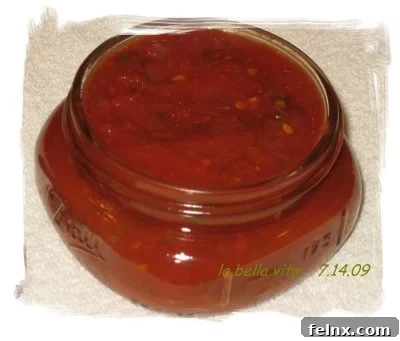
Mastering the Art of Homemade Salsa: A Traditional Italian-Style Canning Guide
Every summer, as the sun lingers longer in the sky and the garden reaches its peak maturity, a familiar ritual begins in my kitchen. It is the season of the harvest, a time when the fruits of our labor finally transition from the vine to the table. While many people find the idea of canning and preserving food to be an arduous task, for me, it is a labor of love that connects the present to the past. This isn’t just about making a condiment; it’s about capturing the essence of summer in a glass jar, ensuring that the vibrant flavors of August can be enjoyed in the middle of January.
Before the process begins, there is the inevitable trip to the local market. Even with a thriving home garden, there are always those essential ingredients that I didn’t grow myself this year. Whether it is crisp stalks of celery, high-quality red pepper flakes, or specific spices that provide that necessary kick, sourcing the best ingredients is the first step toward a successful batch of salsa. This blend of home-grown goodness and carefully selected market produce is what makes the final product so unique.
The Philosophy of Home Preservation
In our modern world of convenience, where every imaginable food item is available at the touch of a button or a quick trip to the grocery store, the art of canning can seem like an unnecessary relic of the past. Some might think it’s “crazy” to spend hours over a hot stove when commercial brands are readily available. However, there is a profound depth to this practice that goes beyond mere consumption. When I am standing in my kitchen, surrounded by the steam of boiling water and the aroma of simmering tomatoes, I can’t help but reflect on the generations of women who came before me.
Long before modern refrigeration and high-tech freezers were common, families relied on their ability to preserve food to survive the winter. I think of the women who worked in non-air-conditioned homes, diligently peeling, chopping, and sealing the fruits of their labor to nourish their families. There is a sense of pride in following in those footsteps. Savoring a jar of salsa that you grew, cooked, and preserved yourself—alongside your family—is a rewarding experience that no store-bought alternative can ever replicate. It is an act of love, both for the ingredients and for the people with whom you share the final result.
An Authentic, Intuitive Approach to Salsa
If you are looking for a rigid, scientific formula with precise milligram measurements, you might be surprised to learn that my method follows a more old-fashioned, intuitive Italian tradition. It is a process of “a little bit of this and a little bit of that.” The best recipes are often those that are felt rather than just read. The key is to taste, taste, and taste again! This allows the natural sweetness of the tomatoes and the sharpness of the onions to find their own perfect balance.
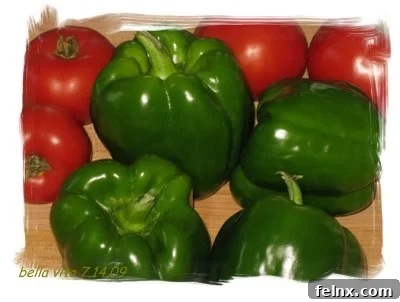
For a general overview of the components, I focus on a base of high-quality tomatoes. I prefer using a mix of Roma tomatoes—which are prized for their meaty texture and low water content—and other garden varieties to add complexity. To this base, I add finely chopped onions, vibrant green peppers, and, interestingly, celery. While celery might not be a standard ingredient in every salsa recipe, it adds a wonderful crunch and an earthy undertone that complements the Italian-inspired spice profile. Of course, the spices are adjusted according to preference, ranging from mild and savory to bold and spicy.
The Step-by-Step Canning Process
Preparation is the cornerstone of successful canning. The process begins with the tomatoes. To ensure a smooth and enjoyable texture, the skins must be removed. This is achieved through a technique called blanching. Fill a very large pot with water and bring it to a rolling boil. Carefully drop the tomatoes into the water in batches. You only need to leave them in for a minute or two—just until you see the skins start to crack and pull away from the flesh.
Once the skins have cracked, immediately remove the tomatoes and place them in a large bowl or a separate pot to cool. When they are cool enough to handle, the skins should slip right off. At this point, you also remove the hard stem area. To achieve the perfect consistency, I use an immersion blender to blend the skinless tomatoes directly. Once smooth (or slightly chunky, if that is your preference), the tomato base goes back into a large, deep pot on the stove.
Now, it’s time to build the flavor profile. Add your chopped onions, green peppers, celery, and your chosen spices. Let the mixture simmer on medium-high heat for approximately 40 minutes. This cooking time is crucial as it allows the flavors to meld together and the excess moisture to evaporate, resulting in a rich, hearty salsa. Be sure to stir the pot occasionally to prevent the sugars in the tomatoes from burning on the bottom.
Prioritizing Safety and Sanitation
When it comes to food preservation, cleanliness is the most important factor. To ensure that your salsa remains fresh and safe to eat for months to come, you must follow strict sanitization protocols. Start by washing your canning jars, lids, and rings in the dishwasher on a high-heat cycle. However, washing is only the first step. You must also sterilize them.
Boil a large pot of fresh water and submerge the washed jars and lids. Let them boil for at least five minutes to eliminate any lingering bacteria. From this point forward, you must handle the equipment with extreme care. Use sanitized tongs to remove the jars from the water. It is vital that you do not touch the rim of the jar or the inside of the lids with your hands, as this can introduce germs that lead to spoilage.
Using a sanitized ladle, pour the hot salsa into the jars, leaving a small amount of space (about half an inch) at the top. This “headspace” is necessary for the vacuum seal to form correctly. Use your tongs to place the flat lid on the jar, followed by the screw-on ring. Use a clean towel to grip the jar and screw the lid on firmly, but do not over-tighten at this stage.
The Final Seal and Storage
The magic of canning happens as the jars cool. As the temperature drops, a vacuum is created inside the jar, pulling the lid down tightly. You will often hear a satisfying “pop” sound—this is the sound of success! It indicates that the jar is hermetically sealed. Once the jars have reached room temperature, you can check the seal by pressing down on the center of the lid; if it doesn’t move or click, it is sealed perfectly. At this point, you can give the rings one last tighten to ensure they are secure.
Store your jars in a cool, dark place like a pantry or a cellar. This homemade salsa will keep its flavor and quality for a long time, allowing you to bring a piece of summer to your dinner table whenever the craving strikes. Whether you are serving it with traditional tortilla chips, using it as a topping for grilled chicken, or stirring it into a morning omelet, the depth of flavor is incomparable.
Why Homemade is Always Better
While the process is undoubtedly long and requires a significant amount of effort, the rewards are multifaceted. Firstly, there is the nutritional benefit. When you make your own salsa, you have total control over the ingredients. There are no hidden preservatives, excessive sodium, or high-fructose corn syrup—just pure, fresh vegetables and spices. Secondly, there is the environmental impact. By using your own garden produce and reusable glass jars, you are reducing your carbon footprint and minimizing waste.
Most importantly, there is the emotional connection. Sharing a jar of your “secret recipe” salsa with friends, neighbors, or family members is a wonderful way to show you care. It is a gift of time, effort, and flavor. In a world that often feels rushed, taking the time to preserve food reminds us to slow down and appreciate the simple, delicious things in life. So, the next time you see a surplus of tomatoes in your garden or at the market, don’t let them go to waste. Grab your jars, start the stove, and enjoy the fruits of your labor!
Happy canning, and even happier eating!