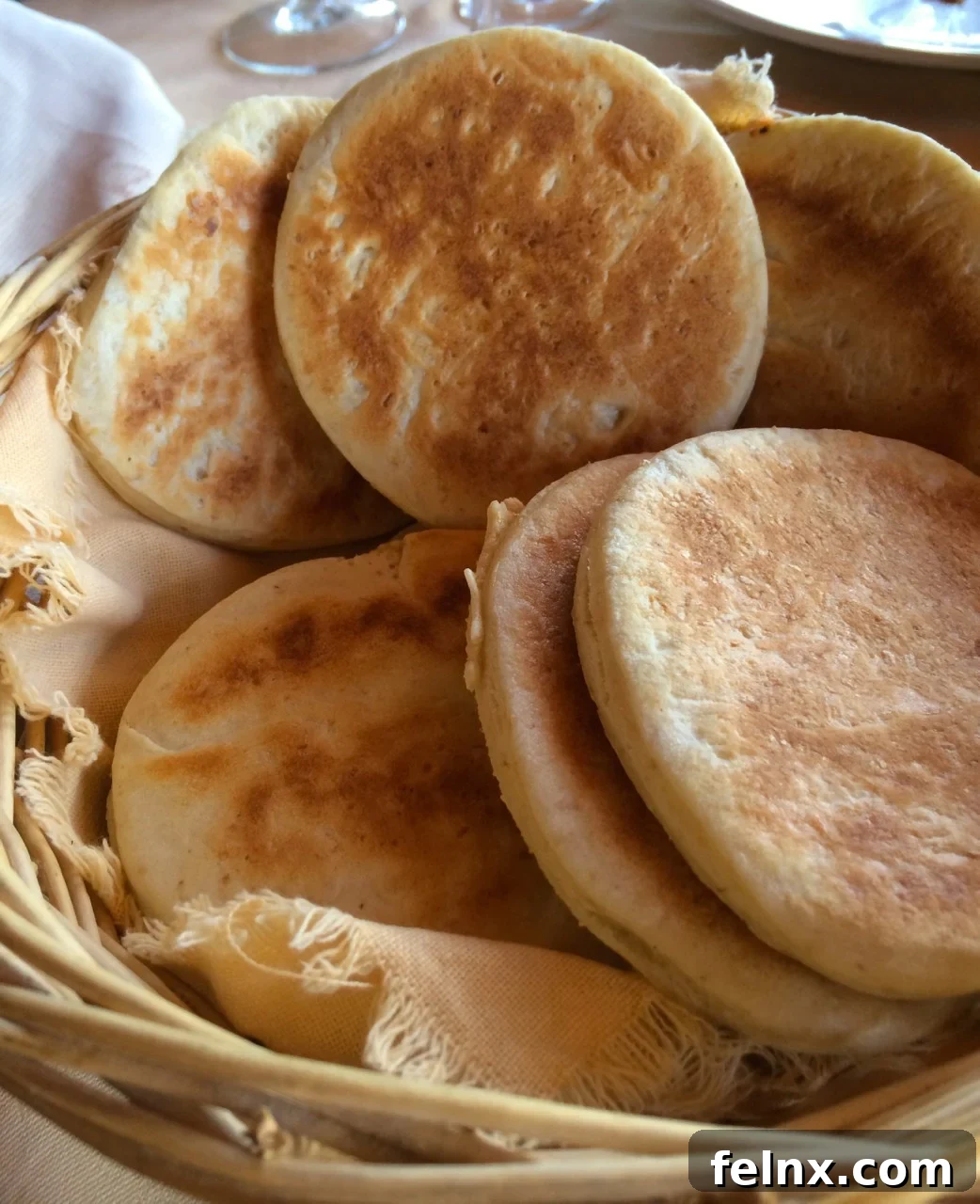
Tigelle, the traditional mountain breads of Modena
Tigelle: Authentic Memories of an Italian Mountain Hearth
Food has a unique way of anchoring our most cherished memories. Throughout our lives, we experience moments that stay with us forever, often centered around the simple act of breaking bread with others. Whether these experiences happen in our own kitchens or in a tucked-away eatery in a foreign land, the connection between culture, history, and flavor creates an unforgettable bond. For those who love Italian cuisine, the discovery of a regional specialty often feels like finding a hidden treasure.
On a recent journey through Italy, my husband and I stumbled upon such a treasure. It wasn’t a famous Michelin-starred restaurant or a tourist-heavy cafe, but a tiny, hidden gem that has now secured a permanent place in our dining memories. We were traveling far off the beaten path near the mountains of Modena. By the time we arrived at a small, rustic trattoria, the typical late dinner hour had already passed. Despite our concerns about being turned away, we knocked on the door. The owner greeted us warmly, and though she explained that the kitchen was closing, she insisted on preparing something for us. She understood that we had just arrived from Bologna and needed the comfort of a home-cooked meal.
The Warmth of a Modenese Hearth
The interior of the trattoria was a testament to Italian heritage, filled with family antiques and culinary heirlooms that whispered stories of the past. As we settled in, our eyes were drawn to an ancient hearth in the dining area. The owner began to tell us the story of the small, round flatbreads native to the Modena mountains, known as tigelle. Her voice carried the weight of tradition as she explained what these breads represent to the people of northern Italy.
In the past, during times of extreme poverty, these breads were a staple for peasant families. At the end of a long, grueling day, families would gather around the warm hearth. With very little else to eat, the simple act of baking bread became a source of comfort and survival. The dough was shaped into small circles and placed between clay tiles, which were then stacked in short towers and placed into the glowing flames. They would bake until they achieved a beautiful golden-brown crust. These moments by the fire provided a brief respite from the struggles of daily life, making the tigelle more than just food—they were a symbol of resilience and family unity.
A hearth in which tigelle were traditionally baked
The history of the tigella is deeply rooted in the soil of the Emilia-Romagna region. Interestingly, the word “tigella” actually refers to the clay discs themselves, while the bread was traditionally called crescentina. However, over time, the name of the cooking tool became synonymous with the bread itself. The owner led me to the hearth and allowed me to hold these ancient tiles. Feeling the fire-worn surface of the clay, I could almost sense the generations of love and tradition that had been baked into them.
Round-shaped tigelle dough was stacked between hot clay tiles and then stacked up to bake inside a hot hearth
Modern Traditions in the Kitchen
While the clay tiles are a beautiful part of history, the method of making tigelle has evolved to fit modern kitchens. The owner invited me into her kitchen—her cucina—to show me how she prepares them today. With practiced hands, she formed small balls of dough, ensuring each was the exact same size. Instead of clay tiles and an open fire, she used a heavy, flat metal pan designed specifically for tigelle, placed over a standard gas stove.
The process was fascinating. The dough discs were placed inside the scalding hot pans, which were then flipped every few minutes to ensure even cooking and a perfect crust. Within five minutes, the kitchen was filled with the aroma of fresh bread. She gathered the piping hot tigelle into a basket and led us back to our table. The centerpiece of the meal was the traditional condiment: a rich infusion of lard or fat mixed with garlic, rosemary, and finely chopped prosciutto.
How to Enjoy Tigelle the Traditional Way
Eating a tigella is a sensory experience. You slice the hot bread open, allowing the steam to escape from the soft, tender center. While the bread is still hot, you spread the savory lard mixture inside. The heat of the bread melts the fat, allowing the flavors of garlic and rosemary to seep into every pore of the dough. It is a dish characterized by utter simplicity, yet the flavor profile is incredibly sophisticated and satisfying.
In the Modena region, tigelle are often served with a variety of accompaniments, including:
- Cunza: The traditional spread of lard, rosemary, and garlic.
- Local Charcuterie: Thinly sliced Prosciutto di Modena, salame, and mortadella.
- Soft Cheeses: Stracchino or squacquerone provide a creamy contrast to the warm bread.
- Pickled Vegetables: Giardiniera adds a bright acidity to balance the richness of the fats.
The Cultural Significance of Modenese Cuisine
The Emilia-Romagna region is often called the “food valley” of Italy, and for good reason. It is the birthplace of Parmigiano Reggiano, Balsamic Vinegar of Modena, and some of the world’s finest pastas. Tigelle represent the more humble side of this rich culinary landscape. They remind us that the best food doesn’t always come from expensive ingredients; it comes from a deep respect for tradition and the clever use of what the land provides.
For the people of the Apennine Mountains, these breads were a way to stretch simple ingredients like flour, water, and yeast into a meal that could feed a family. Today, they are a beloved snack and a common feature at social gatherings, often accompanied by a glass of sparkling Lambrusco wine. The contrast between the crispy exterior and the pillowy interior makes them addictive, but it is the communal nature of eating them that truly defines the experience.
Bringing the Mountain Hearth Home
While it is hard to replicate the atmosphere of a mountain trattoria in Italy, you can recreate the magic of tigelle in your own home. The dough is simple, typically consisting of flour, water (sometimes sparkling water for extra lightness), a bit of milk, yeast, and a touch of oil or lard. If you don’t have a specific tigelle iron, a heavy cast-iron skillet can serve as a modern substitute, though it won’t produce the characteristic patterns found on traditional irons.
The secret lies in the heat. The surface must be hot enough to sear the outside quickly, locking in the moisture so the inside stays soft. Once you master the technique, these little breads become a versatile addition to any meal. They are perfect for brunch, as a unique appetizer for a dinner party, or as a comforting snack on a cold evening.
A Lasting Culinary Impression
Reflecting on that night in the trattoria, I am reminded that the most memorable travel experiences aren’t about the landmarks we see, but the people we meet and the stories they share. A stranger opened her doors to us, shared her history, and taught us the old ways of the hearth. That kindness, combined with the exquisite simplicity of the tigelle, created a moment that will stay with me forever.
Food is a universal language that bridges the gap between strangers. Whether it is a mountain flatbread from Modena or a dish from your own heritage, the traditions we preserve in our kitchens are what keep our history alive. The next time you break bread, take a moment to appreciate the journey it took to reach your table and the many hands that kept the tradition burning bright through the centuries.