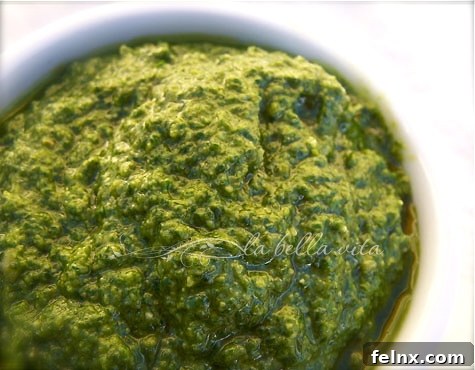
Mastering the Art of Authentic Homemade Basil Pesto
There are few culinary delights that capture the essence of summer quite like freshly made basil pesto. The vibrant green hue, the intoxicating aroma, and the rich, earthy flavor combine to create a sauce that is as versatile as it is delicious. Having just harvested baskets upon baskets of aromatic basil from my garden, I was filled with pure joy as I embarked on my second batch of this incredible Italian staple. It’s an experience that truly connects you to the heart of Italian cooking – simple ingredients, profound flavors.
Pesto, at its core, is a celebration of fresh, high-quality ingredients. This traditional Italian sauce, originating from the Liguria region, has transcended its regional boundaries to become a global favorite. While its most common use is to elevate simple gnocchi, pasta, and polenta dishes, its potential extends far beyond these classics. Imagine a generous dollop on a slice of rustic toasted French or Italian bread – a pure, unadulterated pleasure that requires no further embellishment. But don’t stop there; the culinary possibilities are truly endless.
The Endless Versatility of Fresh Pesto
Once you’ve experienced the unparalleled flavor of homemade pesto, you’ll find yourself reaching for it constantly. It’s not just a sauce; it’s a flavor enhancer that can transform an ordinary meal into something extraordinary. Here are just a few ways to incorporate this green gold into your daily cooking:
- Pasta Perfection: The most classic pairing. Toss it with your favorite pasta – spaghetti, fettuccine, linguine, or penne – for a quick, flavorful meal.
- Gnocchi and Polenta: Elevate pillowy gnocchi or creamy polenta with a spoonful of vibrant pesto.
- Bread Lover’s Dream: Spread generously on toasted baguette slices, bruschetta, or focaccia for an exquisite appetizer.
- Savory Sandwiches and Panini: Add a layer of pesto to your panino or sandwich for a burst of fresh flavor that complements meats, cheeses, and vegetables.
- Grilled Meats: Serve alongside grilled steak, chicken, or fish to infuse them with an herbaceous brightness.
- Roasted Vegetables: Drizzle over roasted cherry tomatoes, zucchini, bell peppers, or asparagus for an instant upgrade.
- Baked Potatoes: Stir a spoonful into a baked potato for a creamy, flavorful twist.
- Soups and Stews: Swirl a little pesto into minestrone or vegetable soup just before serving for added depth.
- Eggs: A dollop on scrambled eggs, an omelet, or a frittata can brighten your breakfast.
- Pizzas and Flatbreads: Use it as a base sauce instead of or in addition to tomato sauce.
- Dips and Dressings: Whisk into yogurt or sour cream for a quick dip, or thin with more olive oil and a squeeze of lemon for a salad dressing.
Beyond its incredible flavor and versatility, homemade pesto offers another significant advantage: it is remarkably easy to make and, crucially, simple to freeze. This means you can preserve the peak flavors of summer basil to enjoy throughout the colder months, bringing a touch of sunshine to any dish.
The Art of Traditional Pesto: Quality Ingredients First
While countless pesto recipes exist, a true purist understands that the magic lies in adhering to the traditional method and, most importantly, using only the finest ingredients. My approach honors this tradition, focusing on a select few, high-quality components that allow the natural flavors to shine through.
The foundation of any great pesto begins with these core ingredients:
- Fresh Basil: This is non-negotiable. For the most authentic flavor, Genovese basil is the variety of choice, renowned for its sweet, delicate leaves and lack of bitterness. If Genovese isn’t available, any fresh, vibrant basil will do, but ensure it’s dry before processing. Excess water can lead to browning and significantly shorten the pesto’s shelf life.
- High-Quality Pine Nuts (Pignoli): These small, buttery nuts provide a subtle richness and texture. Lightly toasting them before use can enhance their nutty flavor, though it’s an optional step. For those with nut allergies or seeking alternatives, walnuts or even cashews can be used, though they will alter the traditional flavor profile.
- Freshly Ground Parmigiano-Reggiano Cheese: Avoid pre-grated Parmesan at all costs. The difference in flavor is monumental. Authentic Parmigiano-Reggiano, with its salty, nutty, umami notes, is essential. Grate it yourself just before adding to the pesto for the freshest taste.
- Extra-Virgin Olive Oil: As one of the main components, the quality of your olive oil is paramount. Choose a good quality, fruity extra-virgin olive oil that is robust enough to carry the flavors but not so strong that it overpowers the delicate basil. It acts as a binder and contributes significantly to the pesto’s smooth texture and rich mouthfeel.
- Fresh Garlic: Fresh garlic is key, but here lies a critical caveat for garlic lovers: moderation is essential. Unlike dried garlic powder or flakes, fresh garlic is potent. Too much can easily overpower the sweet, nuanced flavor of the basil, leading to a bitter or overly pungent pesto. Two to three medium cloves are usually sufficient for a batch this size.
- Coarse Sea Salt: A good quality coarse sea salt helps to draw out the flavors and season the pesto perfectly.
Choosing Your Tool: Mortar and Pestle vs. Food Processor
When it comes to preparation, purists often advocate for the traditional mortar and pestle. This age-old method, while more labor-intensive, is believed to gently bruise the basil leaves, releasing their essential oils more effectively and resulting in a brighter, more vibrant flavor and a slightly coarser, more textured pesto. If time allows, it’s a wonderfully meditative and rewarding process.
However, in our busy modern lives, a food processor is often the more practical choice – and one I frequently resort to myself! While some purists argue that the speed of the blades can heat the ingredients and impart a metallic taste or prevent the oils from releasing properly, I believe that the quality of your ingredients ultimately plays a more significant role than the processing method. With careful, pulsed blending and attention to detail, a food processor can yield an exceptionally delicious pesto that rivals its mortar-and-pestle counterpart.
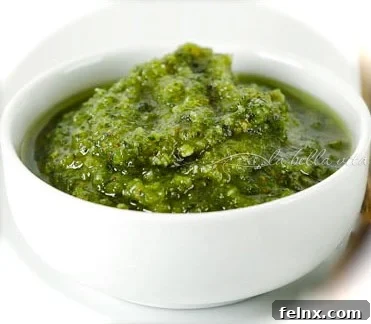
Fresh Basil Pesto
Pin Recipe
Leave a Review
Ingredients
- 4 cups fresh basil leaves, washed and thoroughly dried (Genovese if possible)
- 2 – 3 garlic cloves
- 1/2 cup pine nuts, lightly toasted if preferred
- 1 cup freshly grated Parmigiano-Reggiano cheese
- 1 cup extra-virgin olive oil
- 1-1/2 tsp coarse sea salt
- extra olive oil to cover the top of the pesto
Instructions
- In either a food processor or with a mortar and pestle, blend/press the basil, garlic, pine nuts, and Parmigiano cheese into a paste-like consistency.
- Slowly drizzle in the olive oil while the processor is still running (or while continuing to grind with a mortar and pestle).
- Add the coarse sea salt and blend thoroughly until a smooth, well-combined consistency is achieved.
- Transfer the fresh pesto to a clean jar or airtight container.
- To better preserve the pesto and prevent browning, pour a thin layer of extra-virgin olive oil on top, completely covering the surface.
- Pesto stays fresh in the refrigerator for up to one week in a covered container, ensuring the olive oil layer remains intact.
- For freezing pesto, simply fill an ice cube tray with the prepared pesto and freeze until solid.
- Once frozen solid, remove the cubes from the ice cube tray, wrap them tightly in plastic wrap (or place in freezer bags), and return the cubes to the freezer.
- These convenient pesto cubes can be used in future recipes at ANY time of the year, providing a taste of summer whenever you desire!
Notes
- You’ll be so happy you preserved this vibrant flavor during the summer months!
- Always ensure your basil leaves are completely dry before blending to prevent spoilage and maintain the pesto’s brilliant green color.
- Taste and adjust seasoning (salt, garlic) as you go, as preferences vary.
Did you make this recipe?
Please leave a comment and send me a photo to share here on the blog! Or share it on Instagram @italianbellavita or use the hashtag #italianbellavita.
Storing and Freezing Pesto for Year-Round Enjoyment
One of the best aspects of making pesto is how beautifully it stores, allowing you to capture the essence of peak season basil for months. Proper storage is crucial to maintain its vibrant color and fresh flavor.
Refrigerator Storage: Once your pesto is made and transferred to an airtight jar or container, the key to preserving it for up to a week in the refrigerator is a protective layer of extra-virgin olive oil. Simply pour a thin film of olive oil over the surface of the pesto, ensuring it’s completely covered. This acts as a barrier, preventing oxidation, which is responsible for the pesto turning an unappetizing brown. Each time you use some pesto, smooth the surface and top with a fresh layer of oil.
Freezing Pesto: For longer storage, freezing is an excellent option. Pesto freezes exceptionally well and can be kept in the freezer for several months, often up to six months, without significant loss of flavor or quality. The most popular method involves using ice cube trays. Spoon the pesto into the individual compartments of an ice cube tray, then freeze until solid. Once the cubes are firm, pop them out, transfer them to a freezer-safe bag or airtight container, and return them to the freezer.
These individual pesto cubes are incredibly convenient. When you need a small amount for a recipe, simply grab a cube or two. You can thaw them in the refrigerator, or often, they can be added directly to hot pasta or soups, melting beautifully into the dish. Just imagine: a taste of summer’s fresh basil, even in the dead of winter! Always remember to label your frozen pesto with the date to keep track of its freshness.
Tips for Pesto Perfection
- Keep Basil Dry: As mentioned, wet basil leads to watery pesto and quick spoilage. Use a salad spinner or gently pat leaves dry with paper towels.
- Pulse, Don’t Process Continuously: Especially with a food processor, use short pulses to prevent overheating and maintain a bright green color.
- Taste and Adjust: Always taste your pesto before serving. You might want to add a pinch more salt, a tiny bit more garlic (if you dare!), or a splash more olive oil to achieve your desired consistency and flavor balance.
- Prevent Browning: The olive oil layer in the fridge is vital. When making the pesto, work quickly to minimize basil’s exposure to air.
- Consider Blanching (Optional): For an ultra-vibrant green color, some chefs briefly blanch basil leaves in boiling water and then immediately plunge them into an ice bath before drying and making pesto. This locks in the chlorophyll, but it’s an extra step not typically found in traditional recipes.
Making your own basil pesto is a rewarding culinary journey that connects you with the vibrant flavors of Italy and the bounty of your garden. With fresh, quality ingredients and these simple steps, you can create an authentic, aromatic, and versatile sauce that will elevate countless dishes. So go ahead, embrace the joy of homemade pesto, and savor the taste of summer all year long!