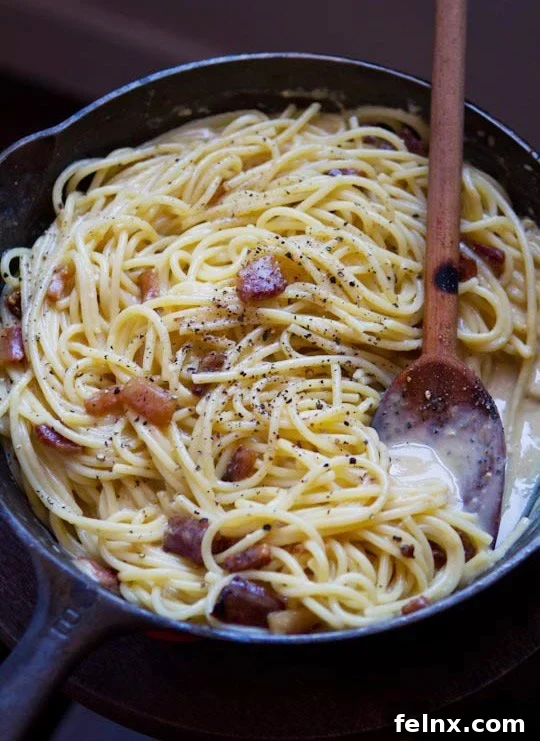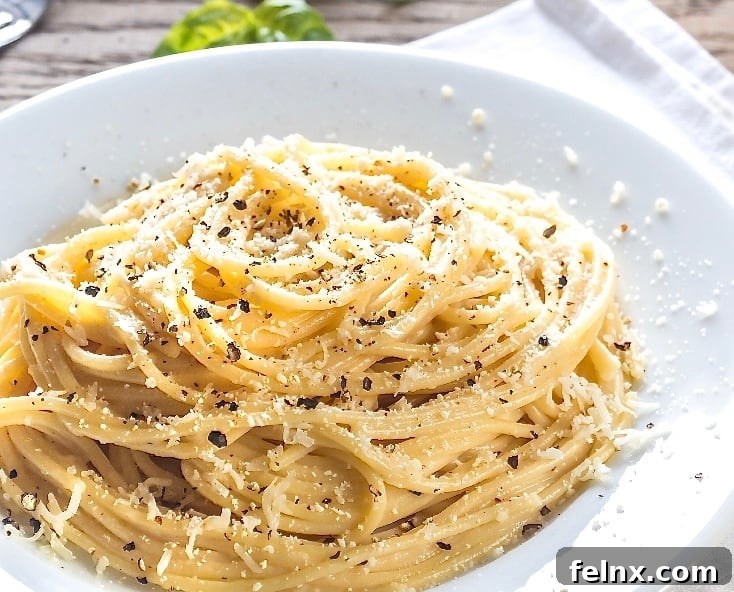
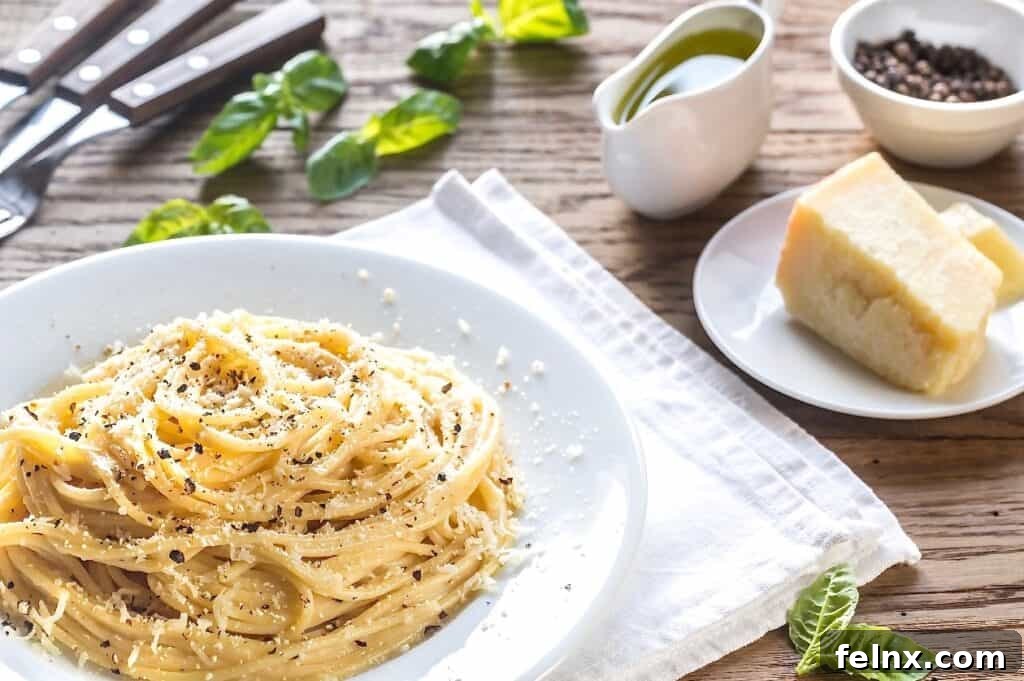
The Ultimate Guide to Authentic Cacio e Pepe: Rome’s Most Iconic Pasta
When you find yourself wandering the cobblestone streets of Rome, there is one culinary experience that stands above the rest. It is a dish so simple yet so profound that it has defined Roman comfort food for centuries. This dish is Cacio e Pepe. Often described as “heaven on a plate,” it is a creamy, peppery, and utterly unforgettable masterpiece that represents the soul of Italian cooking.
Despite its luxurious texture, Cacio e Pepe is famously minimalist. The name literally translates to “cheese and pepper,” and in its purest form, that is exactly what it is. It relies on just a few high-quality ingredients and a specific technique to create a silky sauce without ever using a drop of cream. In this guide, we will explore the history, the secrets, and the perfect recipe for recreating this Roman classic in your own kitchen.
The History of a Roman Staple
Cacio e Pepe has its roots in the ancient traditions of Roman shepherds. During the long months of moving their flocks (a practice known as transhumance), shepherds needed ingredients that were easy to carry, slow to spoil, and calorie-dense. Dried pasta, aged Pecorino Romano cheese, and black peppercorns were the perfect staples. These ingredients provided the energy needed for their demanding work and could be whipped into a warm, satisfying meal over a small fire.
Over the centuries, what began as a humble meal for laborers transitioned into a cornerstone of Roman trattorias. Today, it is part of the “Holy Trinity” of Roman pastas, alongside Carbonara and Amatriciana. While it may seem simple, the magic lies in the emulsification of the cheese and the starchy pasta water.
The Three Pillars of Perfection: Ingredients Matter
Because Cacio e Pepe has so few components, the quality of each ingredient is paramount. You cannot hide poor-quality ingredients behind heavy sauces or complex spices.
1. The Pasta: Strength and Starch
Traditionally, Romans use Tonnarelli, a thick, square-shaped egg pasta similar to spaghetti alla chitarra. If you cannot find Tonnarelli, a high-quality, thick spaghetti or bucatini is an excellent substitute. Avoid thin varieties like angel hair; you need a sturdy noodle that can hold onto the heavy cheese coating.
For the best results, look for “bronze-cut” pasta. This type of pasta has a rougher surface texture, which allows the sauce to cling to the noodles more effectively. Brands like Barilla’s “Collezione” or imported Italian labels are worth the extra investment. The extra starch released by high-quality pasta is the “secret glue” that creates the creamy consistency.
2. Pecorino Romano: The Salty Soul
The “Cacio” in the name specifically refers to Pecorino Romano. This is a salty, sharp cheese made from sheep’s milk. While many people are tempted to use Parmesan (Parmigiano Reggiano), it will change the flavor profile entirely. Pecorino provides the characteristic tang and saltiness that defines Roman cuisine. Always grate your cheese fresh from a wedge. Pre-grated cheese in bags often contains anti-clumping agents that prevent it from melting into a smooth sauce.
3. Black Pepper: The Aromatic Kick
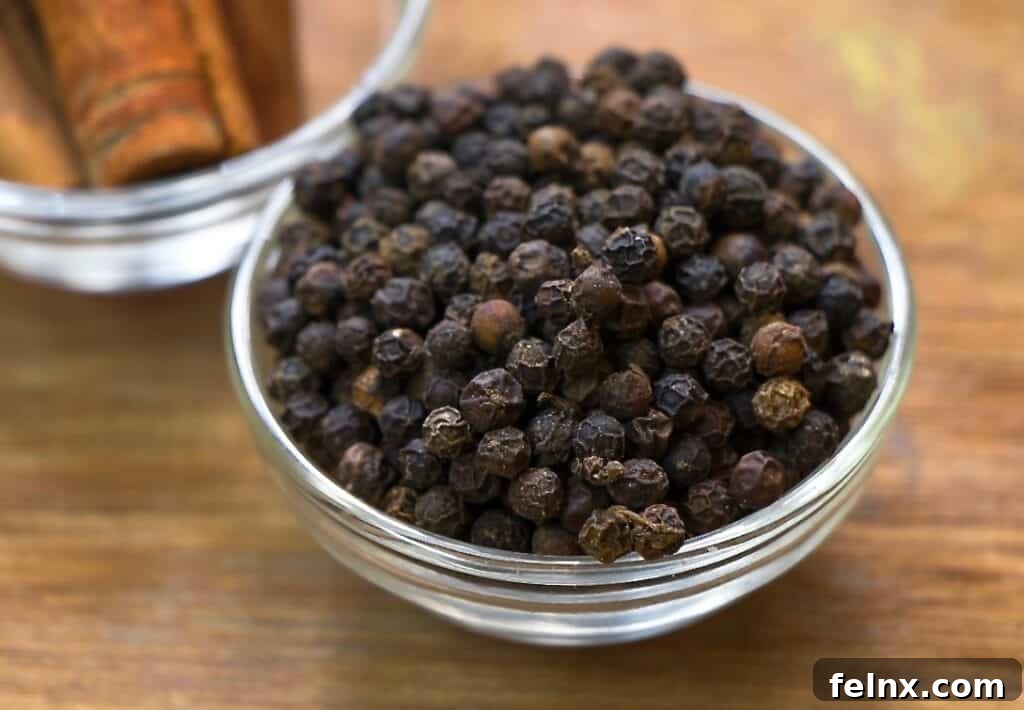
The “Pepe” should be freshly cracked. Avoid pre-ground pepper at all costs. For the most intense flavor, toast whole peppercorns in a dry pan until they become fragrant, then crush them. This process releases the essential oils, providing an earthy, spicy aroma that is almost intoxicating.
The Secret of Roma Sparita and the Butter Debate
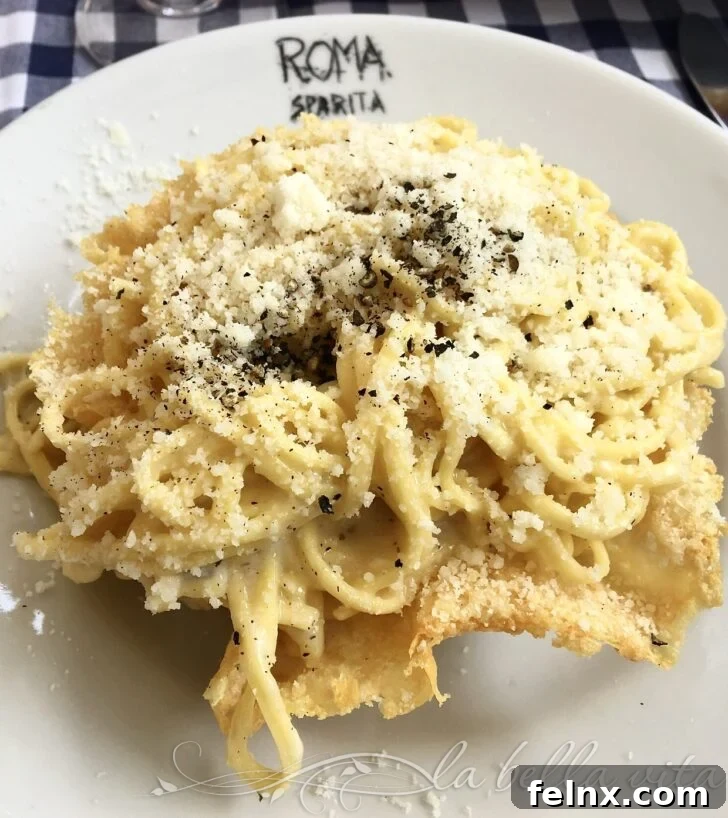
If you visit the Trastevere neighborhood in Rome, you will likely hear about a restaurant called Roma Sparita. Famous for its appearance on Anthony Bourdain’s “No Reservations,” this eatery serves a version of Cacio e Pepe that is legendary for its creaminess. Their secret? A touch of butter.
While culinary purists will argue that butter has no place in a traditional Cacio e Pepe, many top chefs use it to ensure a stable, silky emulsion. Butter helps prevent the cheese from clumping and adds a rich, velvety mouthfeel. Whether you choose to be a purist or a modernist, the addition of a small amount of butter can make the dish much more forgiving for home cooks.
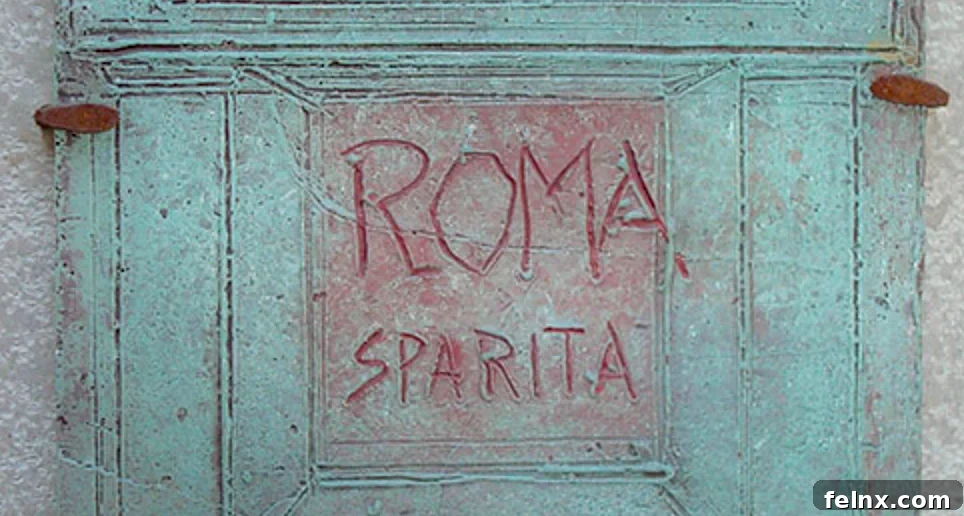
Located in the charming Trastevere district, Roma Sparita is a must-visit for any food lover traveling to the Eternal City.

Step-by-Step Guide to Making Cacio e Pepe at Home
The process of making this dish is fast, so have all your ingredients ready before you start boiling the water.
Ingredients List
- Pasta: 12 oz of thick spaghetti or Tonnarelli.
- Cheese: 8 oz of finely grated Pecorino Romano.
- Pepper: 2 to 4 tablespoons of whole black peppercorns (adjusted to your heat preference).
- Butter (Optional): 2 tablespoons of unsalted, room-temperature butter.
- Salt: For the pasta water (use less than usual as the cheese is very salty).
Preparation Instructions
- Toast the Pepper: Place whole peppercorns in a large skillet over medium heat. Toast for 2-3 minutes until you can smell the spice. Remove and crush them coarsely using a mortar and pestle or a pepper grinder.
- Boil the Pasta: Use a large pot of water but don’t fill it to the brim. Using less water results in a higher starch concentration, which is vital for the sauce. Cook the pasta until it is barely al dente—usually 2 minutes less than the package directions.
- Create the Cheese Paste: In a medium bowl, mix the finely grated Pecorino Romano with a small amount of warm (not boiling) pasta water. Stir until it forms a thick, smooth paste. This prevents the cheese from hitting the hot pan and turning into rubbery clumps.
- Emulsify: Transfer the al dente pasta directly from the water to the skillet with the toasted pepper. Add a ladle of pasta water and the butter (if using). Toss vigorously.
- The Final Fold: Remove the pan from the heat. This is crucial—if the pan is too hot, the cheese will separate. Add the cheese paste to the pasta. Continue to toss and stir rapidly. Add more starchy water as needed until a glossy, creamy sauce coats every strand.
- Serve Immediately: Cacio e Pepe waits for no one. Serve in warmed bowls and top with an extra sprinkle of cheese and pepper.
Tips for Avoiding Common Mistakes
Many home cooks struggle with the cheese clumping. Here are a few professional tips to ensure success:
- Temper the Cheese: Never add dry cheese directly to a hot pan. Creating the “paste” mentioned above is the most reliable way to get a smooth sauce.
- Control the Heat: Residual heat is enough to melt Pecorino. If the pasta is boiling when you add the cheese, the proteins will tighten and clump.
- The Power of Starch: If your sauce looks dry, add more pasta water. If it looks too thin, keep tossing; the starch and cheese will eventually thicken into a cream.
Creative Variations
Once you have mastered the classic version, you can experiment with subtle additions to make the dish your own:
- Crispy Guanciale: Add fried pork cheek for a smoky, salty crunch.
- Vegetable Infusions: Sautéed zucchini blossoms or asparagus tips add a fresh, seasonal touch.
- Herb Garnish: While not traditional, a hint of fresh lemon zest or parsley can brighten the heavy flavors.
Recommended Kitchen Tools
To achieve the best results, having the right tools makes a significant difference:
- Microplane/Fine Grater: The cheese needs to be like “snow” to melt properly.
- Heavy-Bottomed Skillet: Provides even heat distribution.
- Tongs: Essential for the vigorous tossing required to emulsify the sauce.

Conclusion: A Taste of Eternal Rome
Cacio e Pepe is more than just a meal; it is a testament to the Italian philosophy of cooking—using the best ingredients and simple techniques to create something extraordinary. Whether you are dining in a hidden alley in Trastevere or preparing it in your own kitchen, each bite offers a connection to Roman history and the timeless joy of a perfect pasta dish. Buon appetito!
Explore More Roman Classics
If you enjoyed this recipe, you might also like to try these other traditional Roman favorites:
- Pasta Carbonara: The rich combination of eggs, guanciale, and Pecorino.
- Bucatini All’Amatriciana: A spicy tomato-based sauce with cured pork.
- Veal Saltimbocca: Tender veal wrapped in prosciutto and sage.