
Shades of Blue in the Garden: Discovering the Rarest Bloom Colors
In the vast world of horticulture, the color blue remains one of the most elusive and sought-after pigments. While nature provides an abundance of greens, yellows, and reds, true blue is a rarity that gardeners cherish. Among the most striking examples of this rare hue is the Caryopteris, commonly known as “Bluebeard.” These extraordinary, beautiful blue flower-covered bushes offer a visual thrill from late July until the first heavy frost, transforming ordinary landscapes into sapphire-tinted havens.
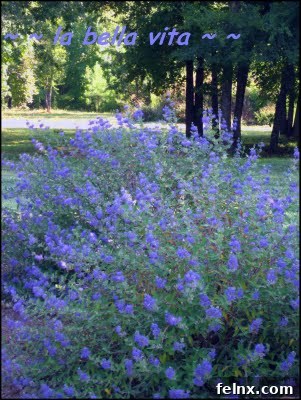
The Allure of Bluebeard (Caryopteris)
Caryopteris is a genus of flowering plants in the mint family, Lamiaceae. Often referred to as blue mist spiraea, this deciduous shrub is prized for its late-season blooms. When most summer flowers begin to fade under the heat of August, the Bluebeard begins its spectacular show. The flowers appear in clusters, resembling delicate puffs of blue smoke or a soft mist hovering over the foliage.
The intensity of the blue varies depending on the cultivar, ranging from a pale, sky-colored azure to a deep, royal violet-blue. This versatility makes it a favorite for landscape designers who want to add depth and contrast to their garden beds. Because blue is a “cool” color, it has a calming effect on the viewer, making the garden feel like a peaceful sanctuary during the hot summer months.
Practical Benefits for Every Gardener
Beyond its aesthetic appeal, Caryopteris is a powerhouse of utility. It is exceptionally drought-tolerant and deer-resistant, making it an ideal choice for both rural and urban landscapes where water conservation and wildlife management are priorities. Once established, these shrubs require very little maintenance, thriving in well-drained soil and full sun.
For those interested in supporting local ecosystems, Bluebeard is a must-have. The nectar-rich flowers are a magnet for pollinators. On any given sunny afternoon, you will find the bushes buzzing with activity as bees and butterflies flock to the vivid blue blooms. It serves as a vital food source late in the season when other nectar sources might be scarce.

The Science of Blue in Nature
Why is blue so rare in the garden? In the plant kingdom, there is no true blue pigment. Plants achieve a blue appearance through a complex process of mixing minerals and pH levels within their anthocyanin pigments. This biological “magic trick” is what makes flowers like the Caryopteris so special. By planting them, you are showcasing one of nature’s most sophisticated color palettes.
In a landscape dominated by the warm tones of autumn—oranges, yellows, and browns—the cool blue of the Bluebeard provides a stunning visual counterpoint. It bridges the gap between the vibrancy of summer and the dormancy of winter, ensuring your garden remains a point of interest for nearly half the year.
Landscaping Tips: How to Use Blue Effectively
Integrating blue into your garden requires a bit of strategy to maximize its impact. Here are a few ways to use Caryopteris and other blue plants effectively:
- Contrast with Yellow: Blue and yellow are complementary colors. Planting Bluebeard alongside yellow-flowering plants like Black-eyed Susans (Rudbeckia) or Goldenrod creates a high-energy, vibrant look.
- Monochromatic Themes: Create a “Moonlight Garden” by mixing different shades of blue and silver. Caryopteris pairs beautifully with Russian Sage or Lamb’s Ear, which have silvery foliage that makes the blue flowers pop.
- Low Hedges: Because of its mounding habit, Caryopteris can be used to create a soft, informal hedge along walkways or garden borders.
- Container Gardening: If you have limited space, many dwarf varieties of Bluebeard thrive in large pots, bringing a splash of azure to patios and balconies.
Caring for Your Caryopteris
To get the best results from your blue shrubs, follow these simple care guidelines:
Sunlight: These plants love the sun. For the most intense blue color and the healthiest growth, plant them in a spot that receives at least six to eight hours of direct sunlight daily.
Soil: Drainage is key. Caryopteris does not like “wet feet.” If your soil is heavy clay, consider amending it with organic matter or planting in raised beds to ensure water moves away from the roots.
Pruning: Bluebeard blooms on new wood. This means you should prune the plant back hard in early spring—just as the new growth begins to emerge. Cutting it back to about 6-12 inches from the ground will encourage a flush of fresh, vigorous stems and more flowers.
A Personal Connection: Life in the Blue Garden
Gardening is often about the memories and moments we create within these green spaces. Sometimes, the colors in our garden even mirror the companions we share our lives with. For instance, the striking azure of the Bluebeard reminds me of my blue-eyed Siamese cat, Coco. Much like the flowers that demand attention with their unique hue, Coco has a personality that stands out.
In the photo below, you can see Coco amidst the bed pillows where she loves to play hide and seek. While she might look a bit grumpy in this shot, it’s only because she was caught mid-nap! Just as the garden needs its rest during the winter to bloom again in the summer, Coco treasures her quiet moments—even if the camera flash occasionally interrupts them.

Why Blue Matters in Your Outdoor Space
Psychologically, the color blue is associated with depth, stability, and tranquility. In a fast-paced world, having a garden that features “The Rarest Garden Color” provides a necessary retreat. When you look out at a sea of blue flowers, your heart rate slows, and your mind finds a moment of peace. It is the color of the sky and the sea, two of the most vast and calming elements of our planet.
Whether you are a seasoned horticulturist or a beginner looking to add something special to your backyard, the Caryopteris offers a unique combination of beauty and resilience. It is a plant that gives more than it takes, rewarding you with months of color and a thriving ecosystem of happy pollinators.
Seasonal Transitions and the Late Summer Glow
As we approach holidays like Labor Day, the garden undergoes a significant shift. The frantic growth of spring is over, and the garden settles into a mature, golden phase. It is during this transition that the blue of the Caryopteris shines brightest. It serves as a reminder that every season has its own unique beauty and that some of the best things in life—and the garden—are worth waiting for until late summer.
If you haven’t yet experienced the magic of blue in your own garden, this is the perfect time to start planning. Look for varieties like ‘Dark Knight’ for a deep purple-blue or ‘Sunshine Blue’ for a striking contrast between bright yellow foliage and amethyst flowers. No matter which variety you choose, you will be adding a touch of rarity and elegance to your home.