Experience the Vibrant Colors and Unique Architecture of Aruba: A Complete Travel Guide
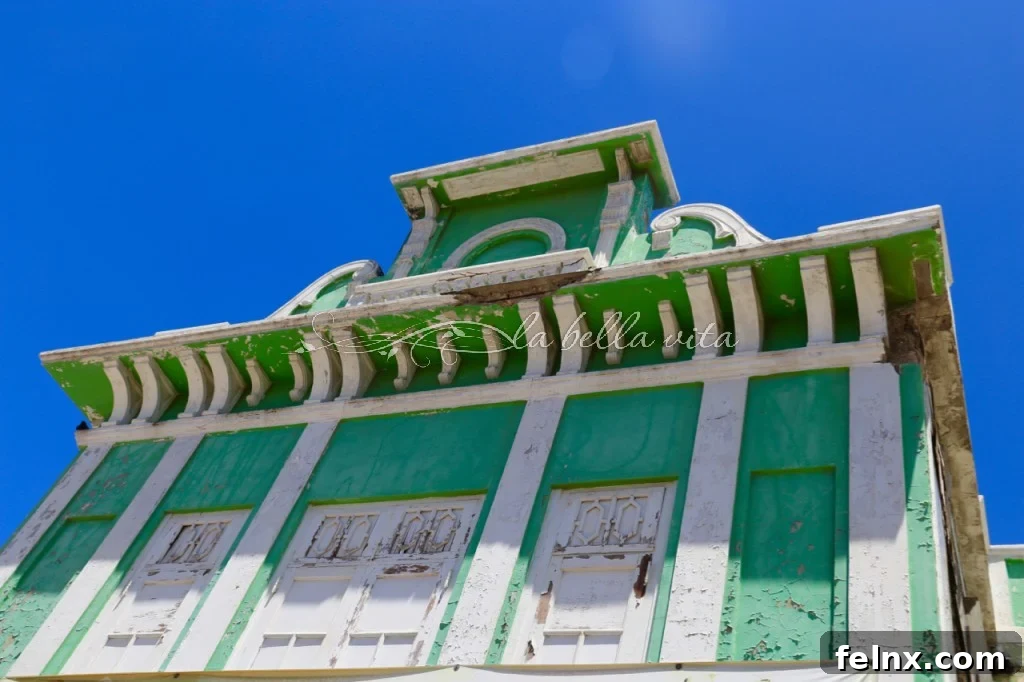
When you imagine a Caribbean vacation, your mind likely drifts to white sandy beaches and turquoise waters. However, there is a desert island in the heart of the Caribbean that offers so much more than just a typical tropical escape. Aruba, often called “One Happy Island,” is a destination where natural beauty meets a striking man-made aesthetic. If you are planning a trip to this unique island, you are in for a visual treat. One of the most captivating aspects of Aruba is its eye-popping architectural color and its rich European heritage, which creates a landscape unlike any other in the region.
The island’s architecture is a testament to its history. While many Caribbean islands share similar colonial roots, Aruba’s buildings stand out due to their vivid palettes and intricate designs. Visitors are often surprised by the desert landscape—dotted with cacti and dramatic rock formations—which provides a sharp, beautiful contrast to the brightly painted buildings of the urban areas. In this guide, we will explore the best things to see and do in Aruba, focusing on the breathtaking colors and architecture that make this island a photographer’s paradise.
Exploring the Vivid Colors of Oranjestad
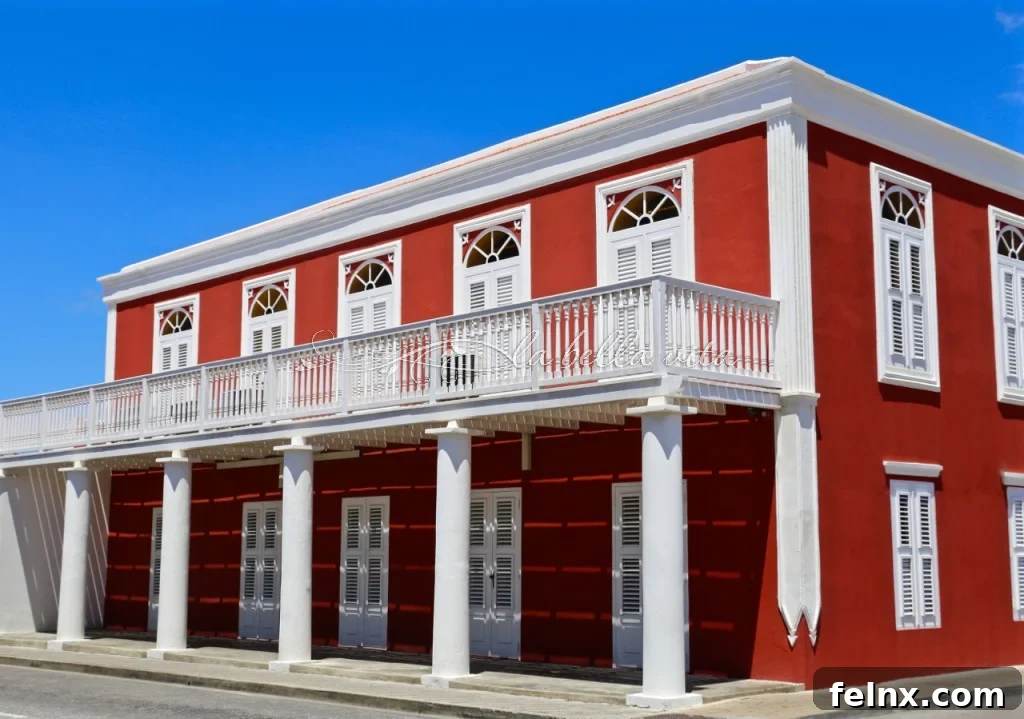
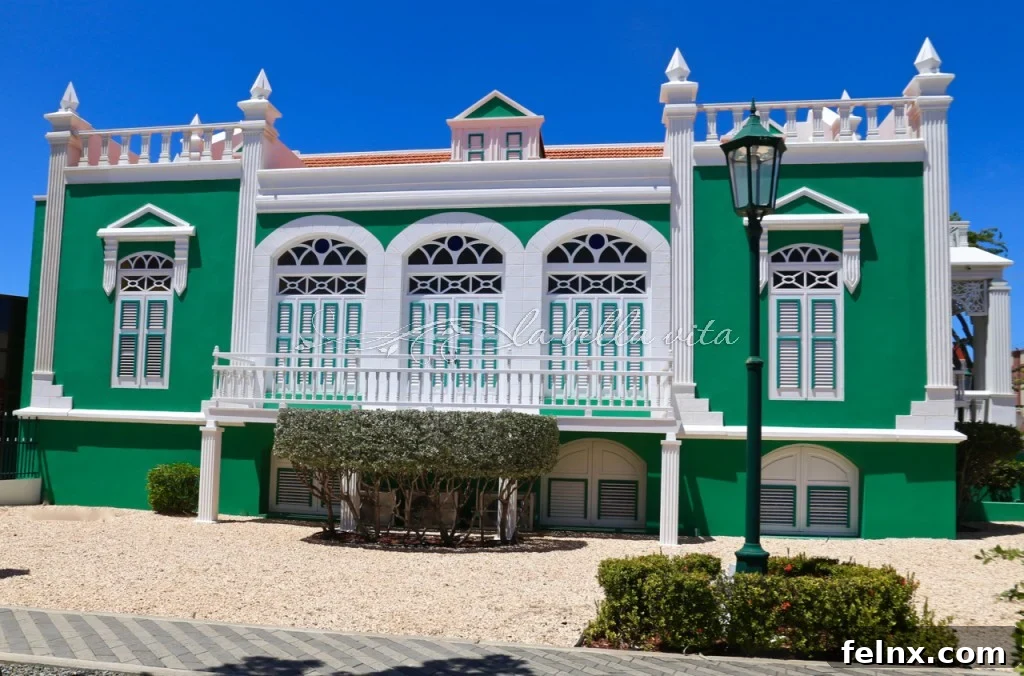
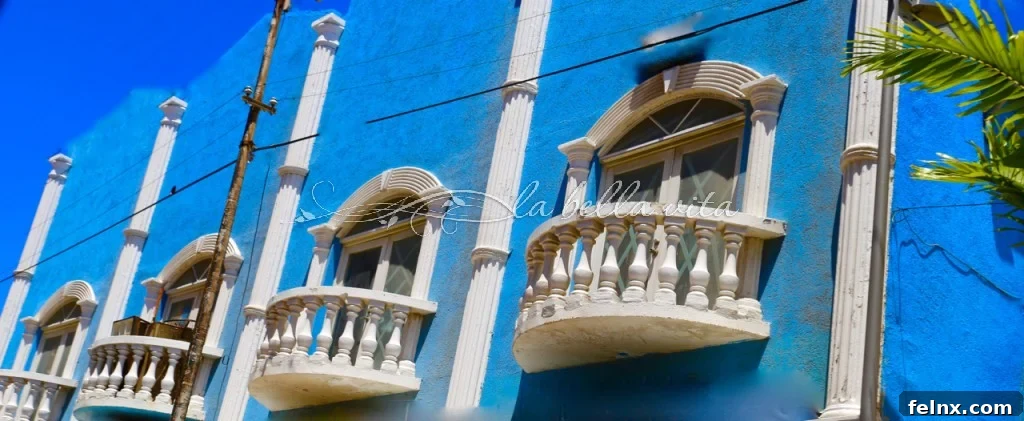
The capital city, Oranjestad, is the best place to start your journey into Aruban architecture. Walking through the streets of the city center feels like walking through a living art gallery. The buildings are painted in an array of colors that seem to defy the heat of the sun: deep corals, bright lemon yellows, sky blues, and mint greens. These colors are not just for show; they represent a tradition of Dutch colonial influence blended with a tropical Caribbean spirit.
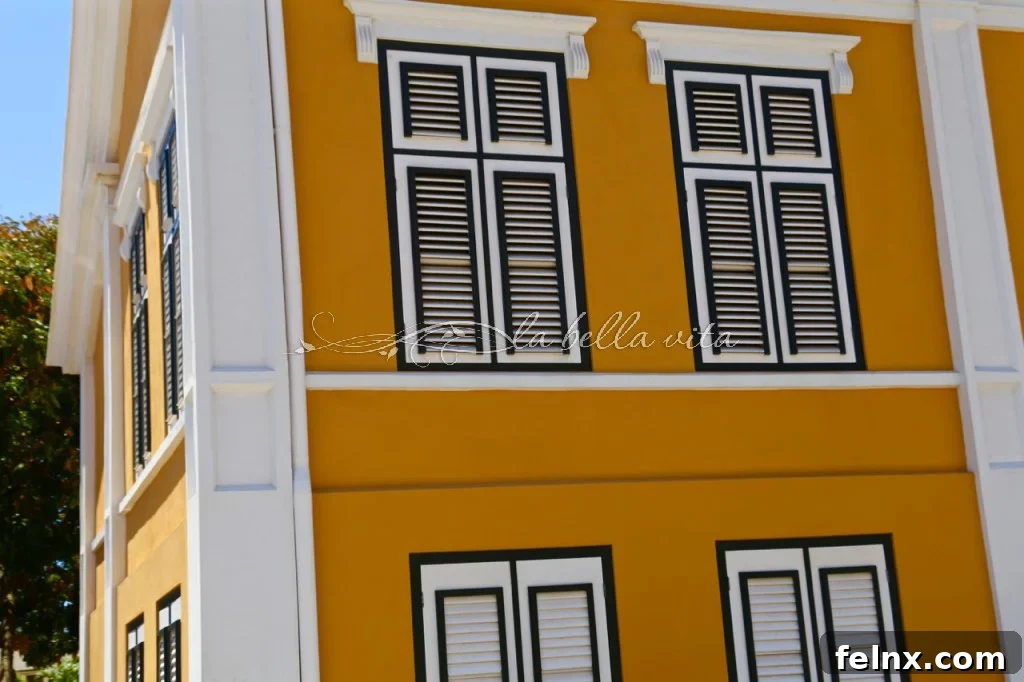
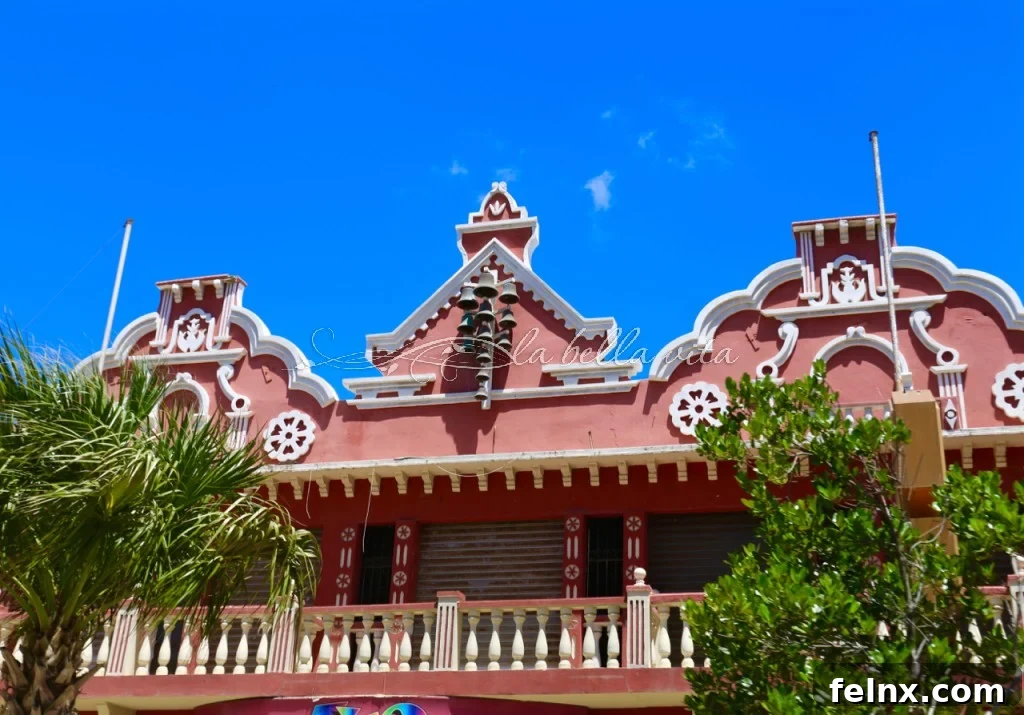
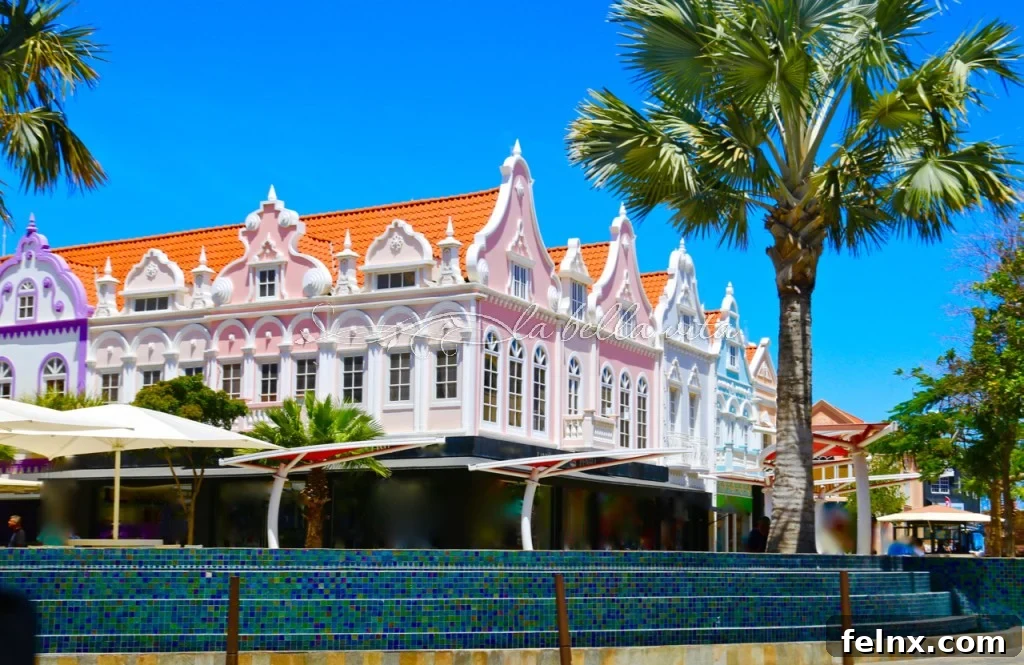
One of the most iconic sights in Oranjestad is the Royal Plaza Mall. With its pink and white “gingerbread” style architecture, it looks almost like a tiered wedding cake. This building is a prime example of how the island has embraced color to create a festive and welcoming atmosphere for locals and tourists alike. Even the more functional buildings, such as government offices and local shops, maintain this commitment to vibrant aesthetics.
The Influence of Dutch Heritage
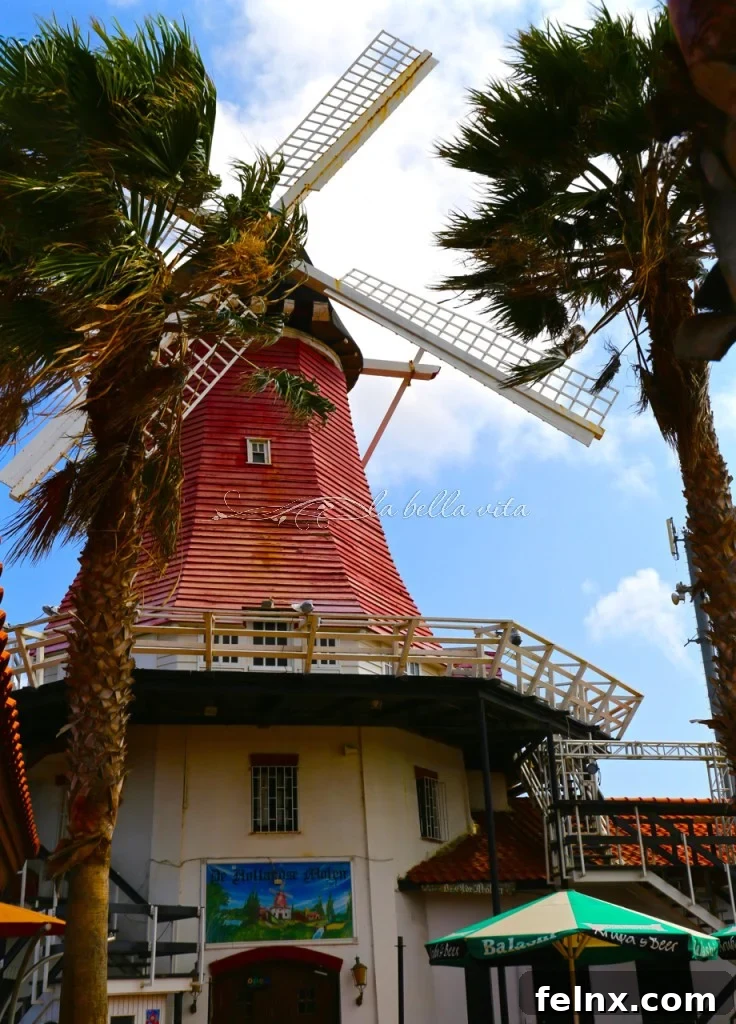
While the original text mentions a Danish heritage, it is important to note the strong Dutch influence that has shaped the island’s identity. Aruba is part of the Kingdom of the Netherlands, and this connection is evident in the gabled roofs and narrow facades of the older buildings. This European design was adapted to the Caribbean climate by adding large windows for cross-ventilation and wide porches to provide shade from the relentless tropical sun.
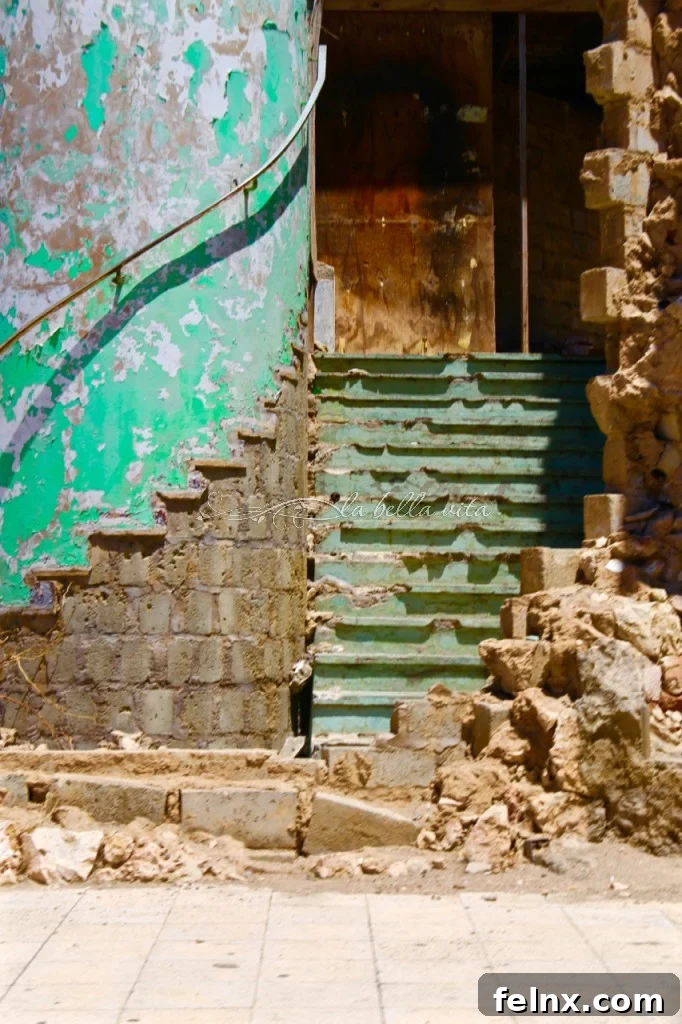
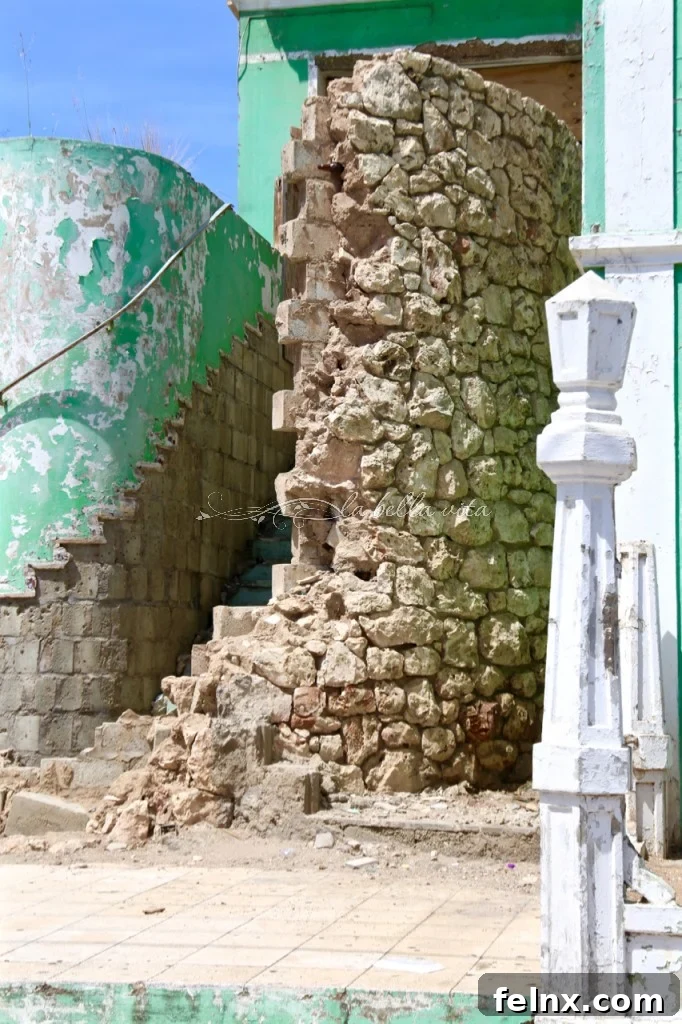
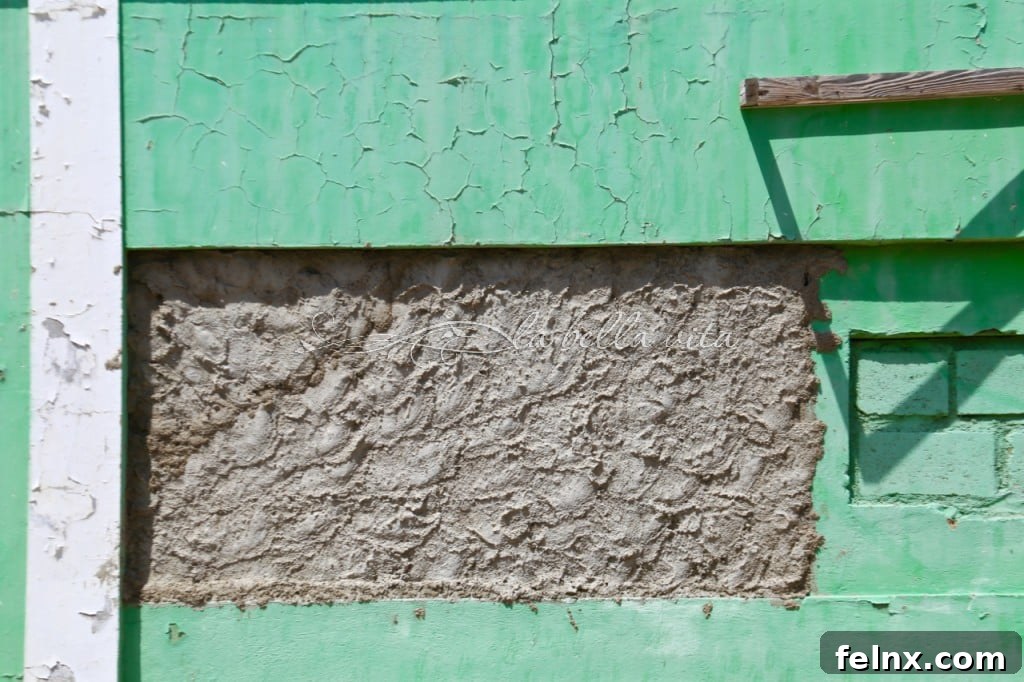
As you wander further into the island, you will notice the “Kunuku” houses. These are traditional rural Aruban homes. Historically, these houses were built with thick walls made of stone and clay to keep the interiors cool. Today, many of these homes have been restored and painted in the same vivid colors seen in the city, preserving the island’s architectural history while keeping it modern and lively.
Free Things to See and Do in Aruba
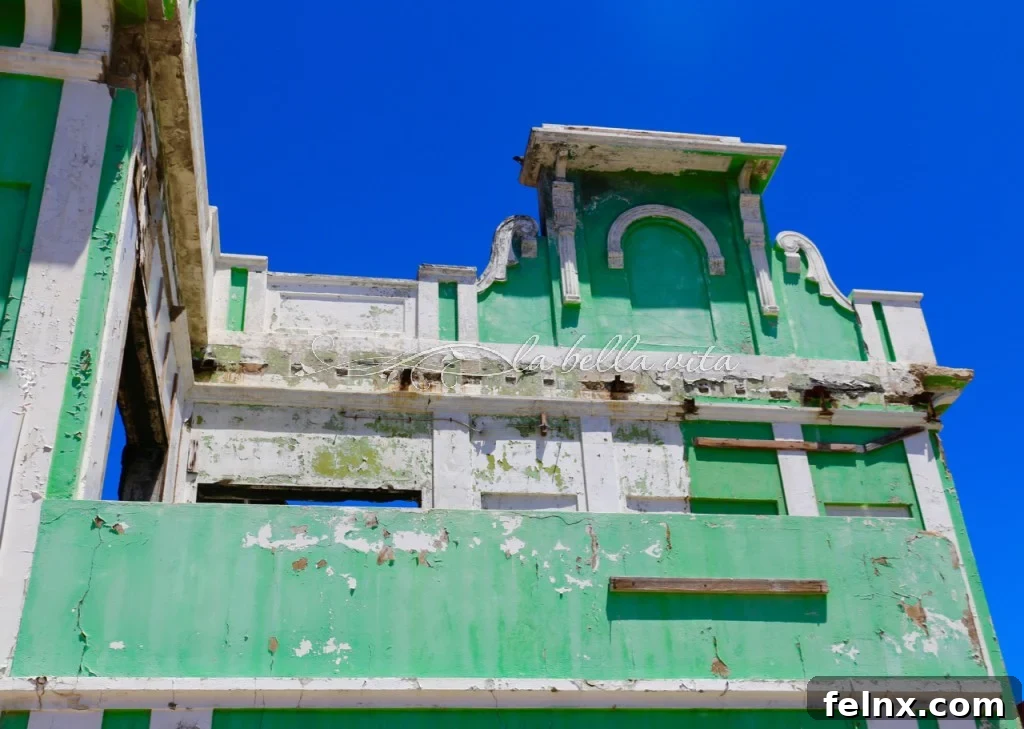
One of the best things about visiting Aruba is that some of its most beautiful sights don’t cost a penny. Taking a self-guided walking tour of Oranjestad is entirely free and allows you to move at your own pace. You can spend hours photographing the intricate details of the doors, windows, and balconies that line the main streets. The play of light and shadow on the brightly colored walls creates endless opportunities for stunning photography.
Beyond the city, the island’s natural architecture is equally impressive. The Casibari and Ayo Rock Formations are free to visit and offer a different kind of visual experience. These massive boulders look as if they were placed there by giants. Climbing to the top of Casibari provides a panoramic view of the island, where you can see the contrast between the rugged desert terrain and the colorful clusters of houses in the distance.
The Unique Desert Landscape
Aruba is quite different from its neighbors like Jamaica or St. Lucia because it is a desert island. This means that instead of lush rainforests, you will find divi-divi trees, aloe vera plants, and various species of cacti. This arid environment is part of what makes the architecture pop so much. Against the backdrop of a dusty brown and green landscape, a bright orange or blue house becomes a focal point that captures the eye.
The Arikok National Park covers nearly 20% of the island and is a must-visit for those who appreciate natural beauty. While there is a small fee to enter the park, it is well worth it to see the limestone caves and the “Natural Bridge” formations. The park highlights the raw, untouched side of Aruba, providing a wonderful balance to the manicured and colorful streets of the town centers.
San Nicolas: The Mural Capital of the Caribbean
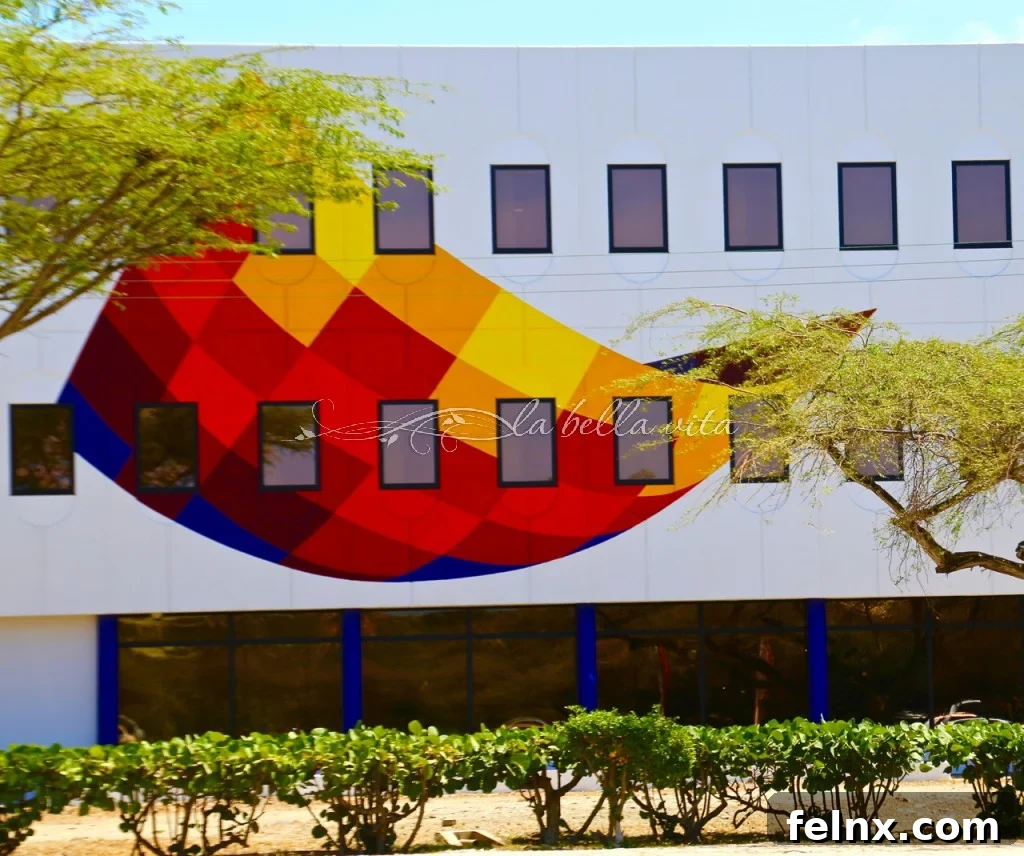
For those who love modern “street architecture,” a trip to San Nicolas, located on the southern tip of the island, is essential. Once a quiet refinery town, San Nicolas has transformed into the “Sunrise City” and the artistic heart of Aruba. Thanks to the Aruba Art Fair, the walls of the city are now covered in massive, world-class murals.
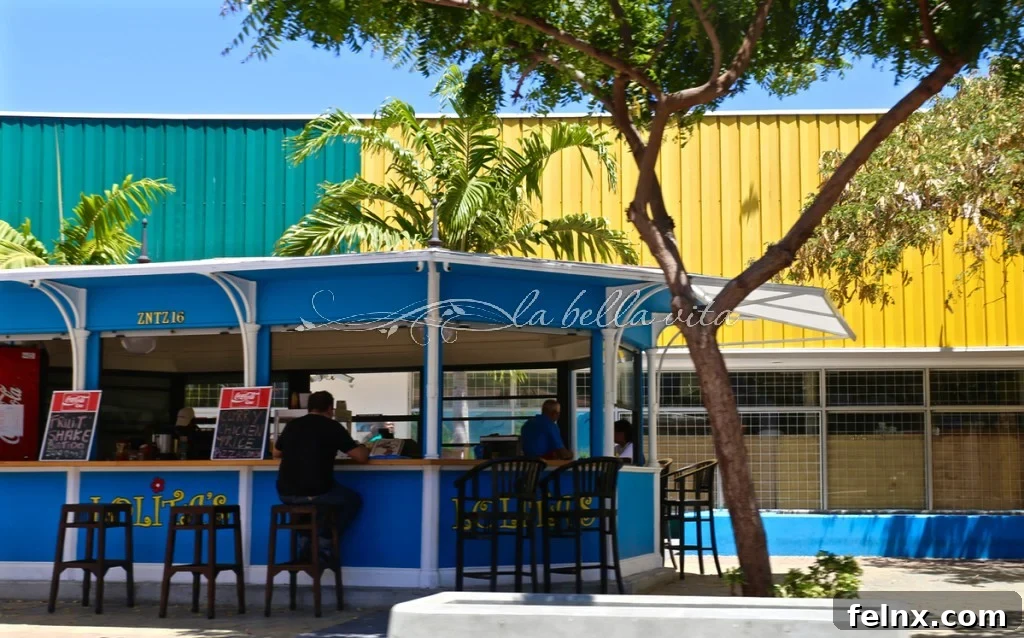
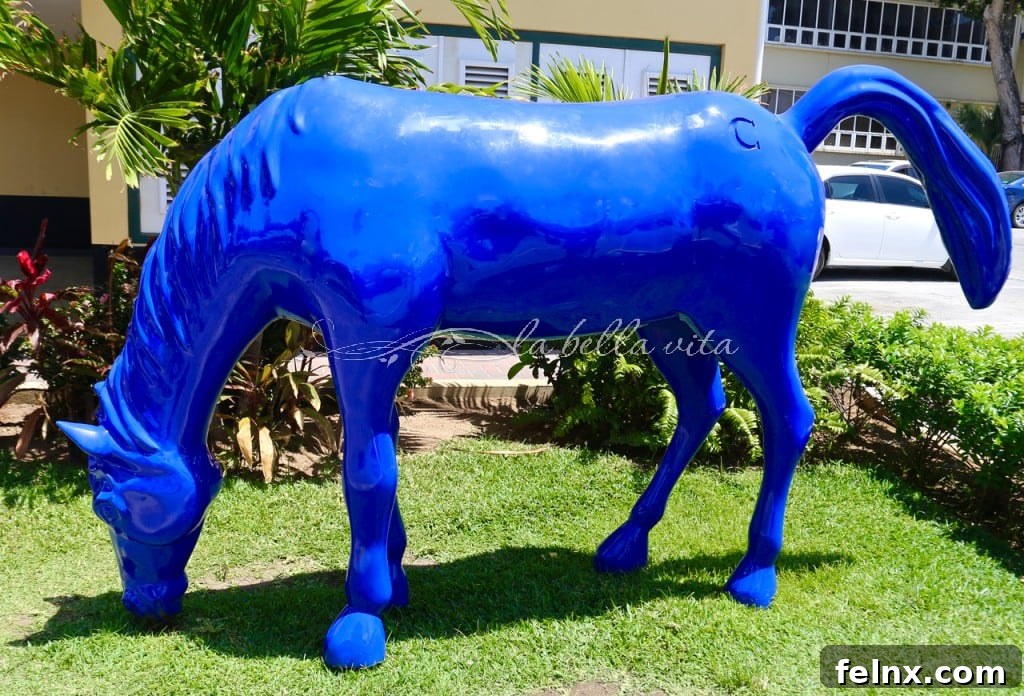
Walking through San Nicolas is a completely different experience than Oranjestad. While Oranjestad celebrates colonial history, San Nicolas celebrates contemporary creativity. The murals depict everything from local wildlife and historical figures to abstract concepts. It is another fantastic free activity that showcases the island’s dedication to color and visual storytelling.
Tips for Capturing the Best Photos
If you are visiting Aruba specifically for its architecture and colors, timing is everything. The Caribbean sun is very strong, which can wash out colors in the middle of the day. The best time for photography is during the “golden hour”—just after sunrise or just before sunset. During these times, the light is softer and warmer, making the pastel buildings glow and the shadows less harsh.
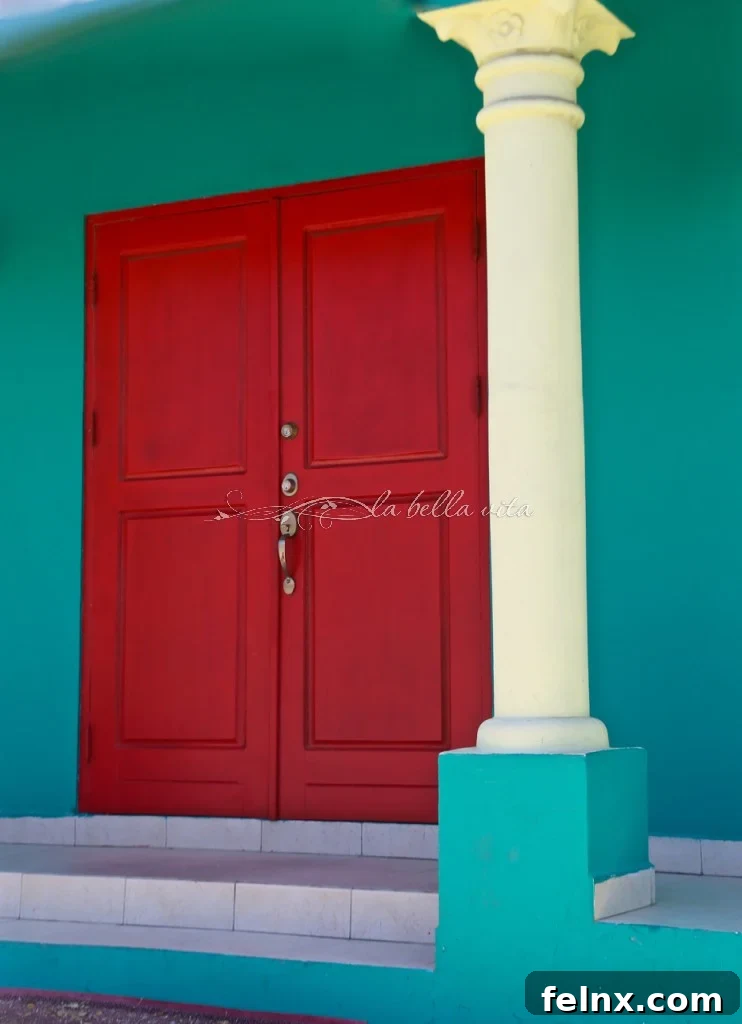
Don’t be afraid to wander into the side streets. While the main boulevards are impressive, the smaller alleys often contain hidden gems—beautifully weathered doors, flower-filled balconies, and small local cafes that embody the spirit of the island. These details often tell a more intimate story of Aruban life than the larger landmarks.
A Taste of Aruba: Beyond the Sights
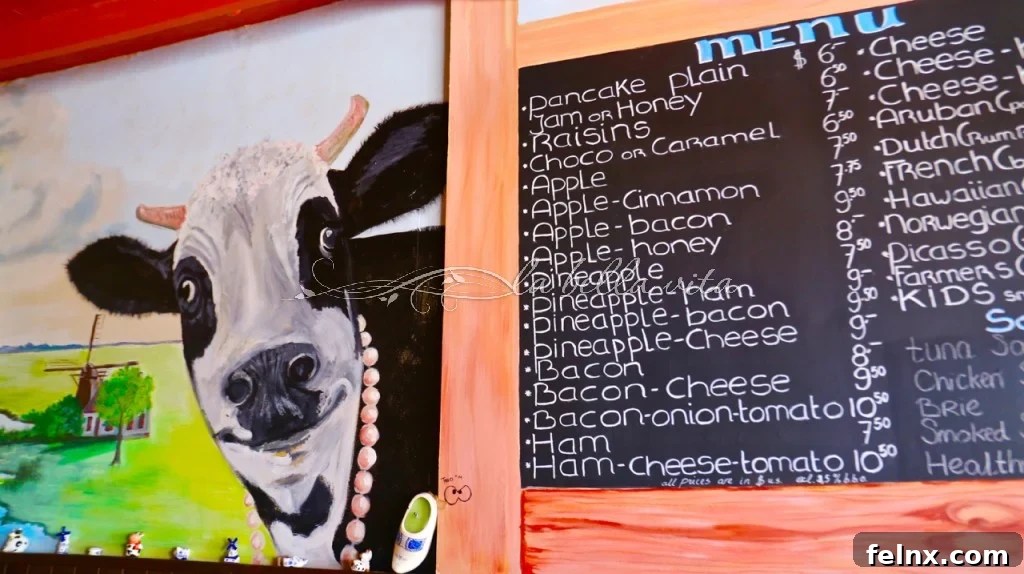
Exploring the architecture and landscape will certainly work up an appetite. To truly experience the culture of Aruba, you must dive into its culinary scene. The island’s food is as diverse as its architecture, with influences from over 90 different nationalities. However, given the strong Dutch connection, there is one dish you cannot miss: Dutch Pancakes.
Unlike American pancakes, Dutch pancakes (pannenkoeken) are much larger and thinner, similar to a crepe but with a slightly different texture. They can be served with sweet toppings like fresh fruit and chocolate or savory options like ham and cheese. It is a traditional breakfast or lunch that perfectly complements your journey through the island’s Dutch-influenced streets.
Planning Your Aruban Adventure
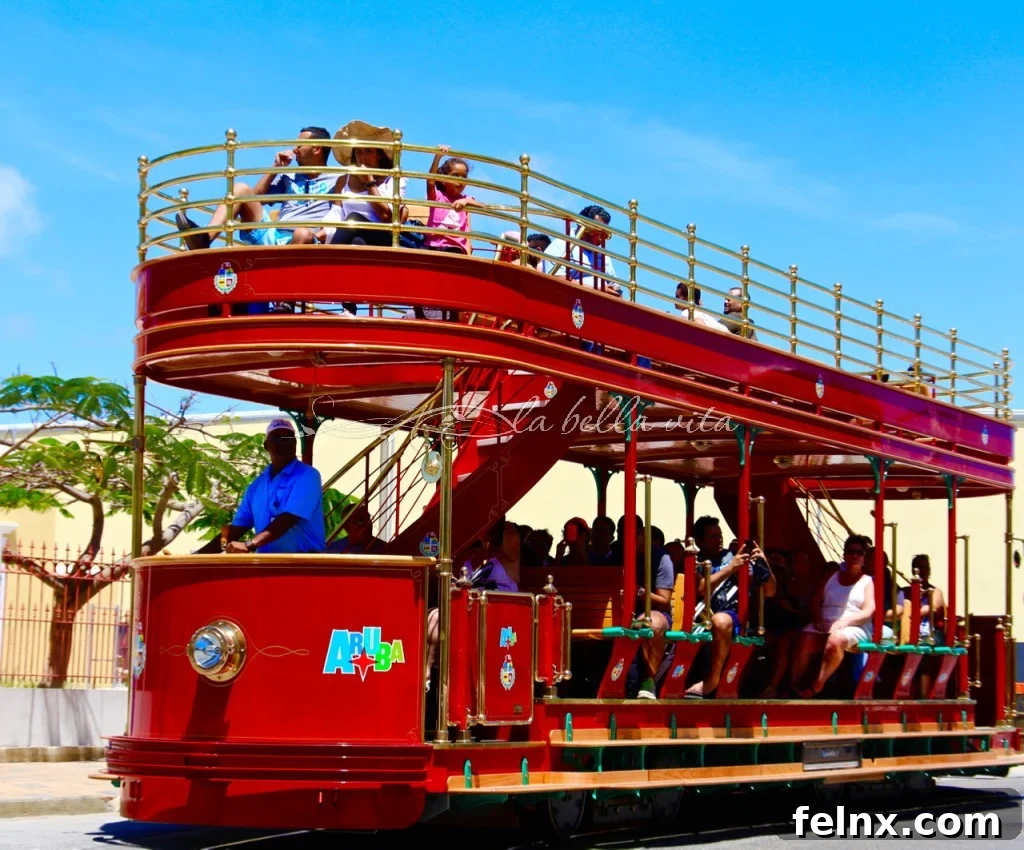
Aruba is a small island, approximately 20 miles long and 6 miles wide, making it very easy to navigate. Renting a car is a popular option for those who want to explore the remote desert areas and find the most colorful houses at their own pace. However, the island also has a reliable bus system (Arubus) and a charming trolley that runs through the center of Oranjestad.
Whether you are staying in a luxury high-rise resort or a cozy boutique hotel, make sure to set aside time to leave the beach. The real magic of Aruba lies in its vibrant streets, its historical landmarks, and the warm smiles of its people. The “One Happy Island” is not just a slogan; it is a feeling you get when you are surrounded by such beauty and hospitality.
Why Aruba Should Be Your Next Destination
If you are a traveler who appreciates art, history, and unique landscapes, Aruba offers an experience that goes beyond the typical Caribbean sun-and-surf package. The combination of its desert climate and European-influenced architecture creates a visual contrast that is both surprising and delightful. From the pink towers of Oranjestad to the rugged cliffs of the north coast, every corner of the island has something new to see.
The commitment to color on the island is a reflection of the vibrant culture and the optimistic outlook of its residents. It is an island that celebrates life, and this celebration is painted onto every wall and etched into every building. It is a place where you can find peace on a quiet beach in the morning and inspiration in a bustling, colorful city square in the afternoon.
Conclusion
We hope this photo journey and guide have inspired you to look closer at what Aruba has to offer. While we have only covered a sliver of the island’s beauty, the vibrant colors and unique architecture are waiting for you to discover them in person. If you have any questions about planning your trip or want more details about the specific locations mentioned, please feel free to reach out. We love helping fellow travelers make the most of their time on this incredible island.
Keep your eyes open for the unexpected, embrace the bold colors, and let the island of Aruba welcome you with open arms. Whether you are there for the architecture, the food, or the desert landscapes, you are sure to leave with a camera full of photos and a heart full of happy memories.
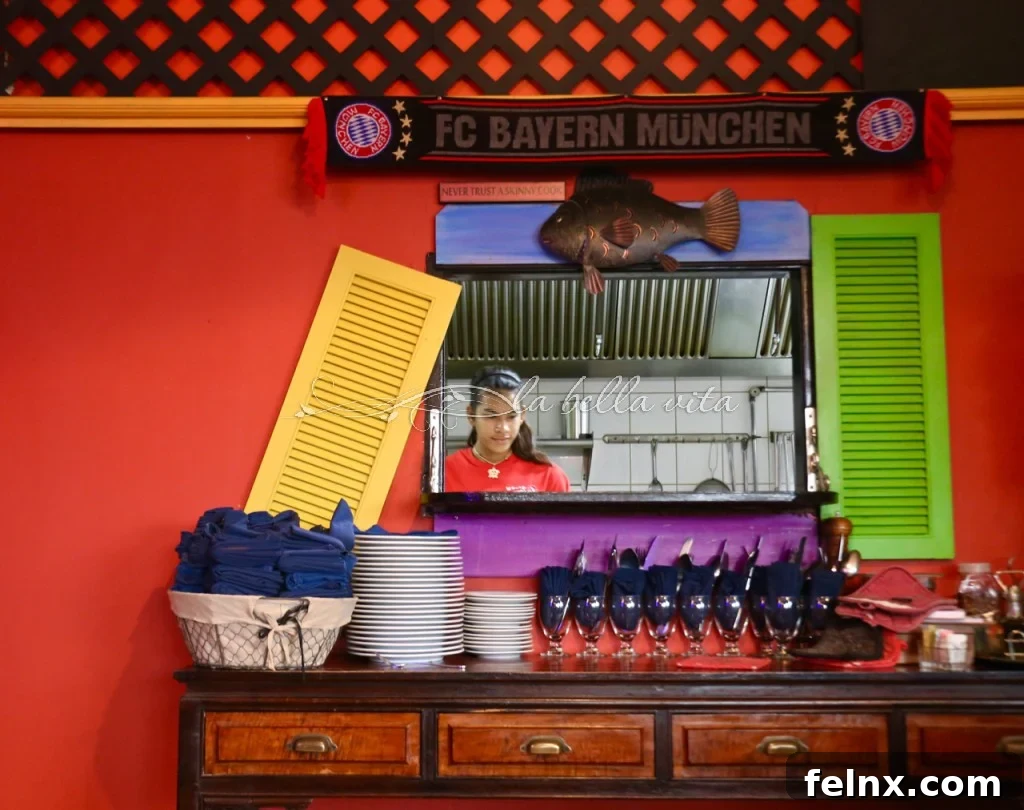
Stay tuned for our upcoming restaurant reviews where we will share the best spots to dine out across the island. From fine dining to local hidden gems, we will cover it all to ensure your Aruban culinary experience is as colorful as the island itself. Happy travels!
Ready to start your Aruban culinary journey? One of the first things you should do is experience the island’s authentic Dutch Pancakes. These are a local staple and a favorite among visitors. To help you choose the right spot, check out our honest reviews of the top pancake houses on the island:
Authentic Dutch Pancake Restaurants — 2 Honest Restaurant Reviews