A Comprehensive Guide to the Traditional Food of Rome: A Taste of the Eternal City
The breathtaking Trevi Fountain, where tradition says a coin toss ensures your return to Rome.
Visiting Rome is an experience that stays with you forever. Known as the “Eternal City,” Rome is a place where every street corner holds a piece of history, and every meal tells a story. From the towering Colosseum to the intricate masterpieces within the Vatican, the city is a feast for the eyes. However, to truly understand Rome, you must taste it. The traditional food of Rome is a reflection of its soul—bold, authentic, and deeply rooted in the land.
The Philosophy of Roman Cuisine: Simplicity at Its Best
There is an old saying, “When in Rome, do as the Romans do,” and this is especially true when it comes to dining. Roman cuisine, or La Cucina Romana, is not about complex techniques or expensive garnishes. Instead, it is built on the foundation of high-quality, seasonal ingredients. The fertile soil of the surrounding Lazio region provides the city with incredible vegetables, while the local hills are famous for producing world-class cheeses and meats.
The guiding principle of Roman cooking is simplicity. By using fewer ingredients, Roman chefs allow the natural flavors of the produce to shine. This “less is more” approach is something many Italian families have passed down through generations. Whether it is a perfectly ripe artichoke or a sharp piece of Pecorino Romano, the quality of the raw material is always the star of the show.
The iconic Roman Colosseum, a symbol of the city’s ancient power.
Must-See Treasures of the Eternal City
Before diving into the culinary delights, one cannot ignore the cultural weight of Rome. A visit to the Sistine Chapel in the Vatican is a spiritual and artistic journey. Looking up at Michelangelo’s ceiling, one feels a sense of awe that is difficult to put into words. This same appreciation for craftsmanship extends to the Roman kitchen, where every dish is treated with the same reverence as a piece of fine art.
The incredible masterpiece of the Sistine Chapel, a testament to human creativity.
Iconic Pasta Dishes of Rome
While Northern Italy is often associated with rice and risotto, Rome is a city where pasta is king. Traditional Roman pasta dishes are famous for being hearty, savory, and satisfying. Most of these recipes rely on a handful of key ingredients: Pecorino Romano cheese, black pepper, and cured pork like guanciale (pork jowl) or pancetta.
1. Bucatini all’Amatriciana
Bucatini all’Amatriciana is a zesty and vibrant dish that originated in the town of Amatrice but became a staple of Roman dining. Bucatini is a long, thick pasta with a hole running through the center, which allows the sauce to coat both the inside and outside. The sauce is made from tomatoes, guanciale, olive oil, and a touch of peperoncino (dried red pepper flakes) for heat. It is a perfect balance of salty, sweet, and spicy.
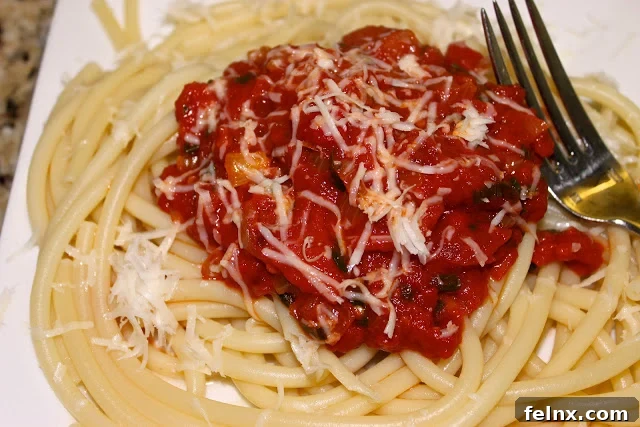
The rich and zesty flavors of Bucatini all’Amatriciana.
2. Spaghetti alla Carbonara
Perhaps the most famous Roman export, Carbonara is a masterclass in texture. Authentic Roman Carbonara never uses cream. Instead, the creamy consistency comes from a mixture of raw eggs and finely grated Pecorino Romano and Parmigiano-Reggiano. Combined with crispy guanciale and a generous amount of freshly cracked black pepper, it creates a rich sauce that clings perfectly to the spaghetti. Some say the name comes from carbone (coal), suggesting it was a favorite meal for Italian coal miners.
3. Spaghetti Aglio e Olio
This is the ultimate example of cucina povera (peasant cooking). With just garlic, olive oil, and sometimes red chili flakes, a simple bowl of pasta is transformed into something fragrant and delicious. It is often referred to as “pasta in bianca” because it lacks the red tomato sauce common in other Italian dishes. The garlic is gently infused into the oil, creating a light yet flavorful coating for the noodles.
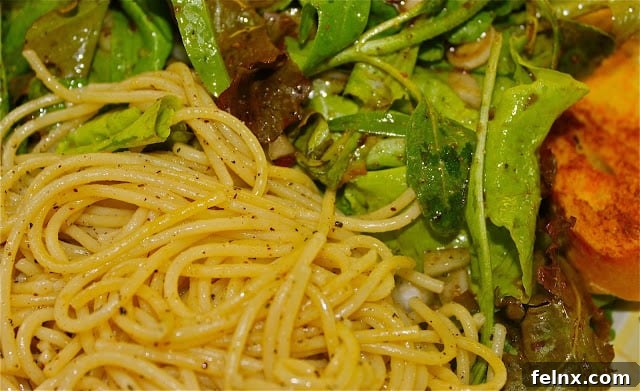
Simple and elegant: Spaghetti with garlic and olive oil.
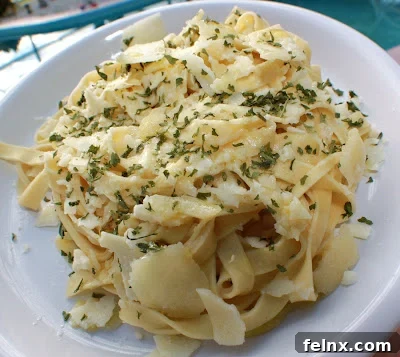
4. Cacio e Pepe
In Roman dialect, “Cacio” means cheese. Cacio e Pepe is arguably the oldest and simplest pasta dish in the city. It consists of only three ingredients: pasta, Pecorino Romano, and black pepper. The secret lies in using the starchy pasta water to emulsify the cheese into a smooth, velvety sauce. It is “Rome in a bowl”—bold, sharp, and incredibly comforting.
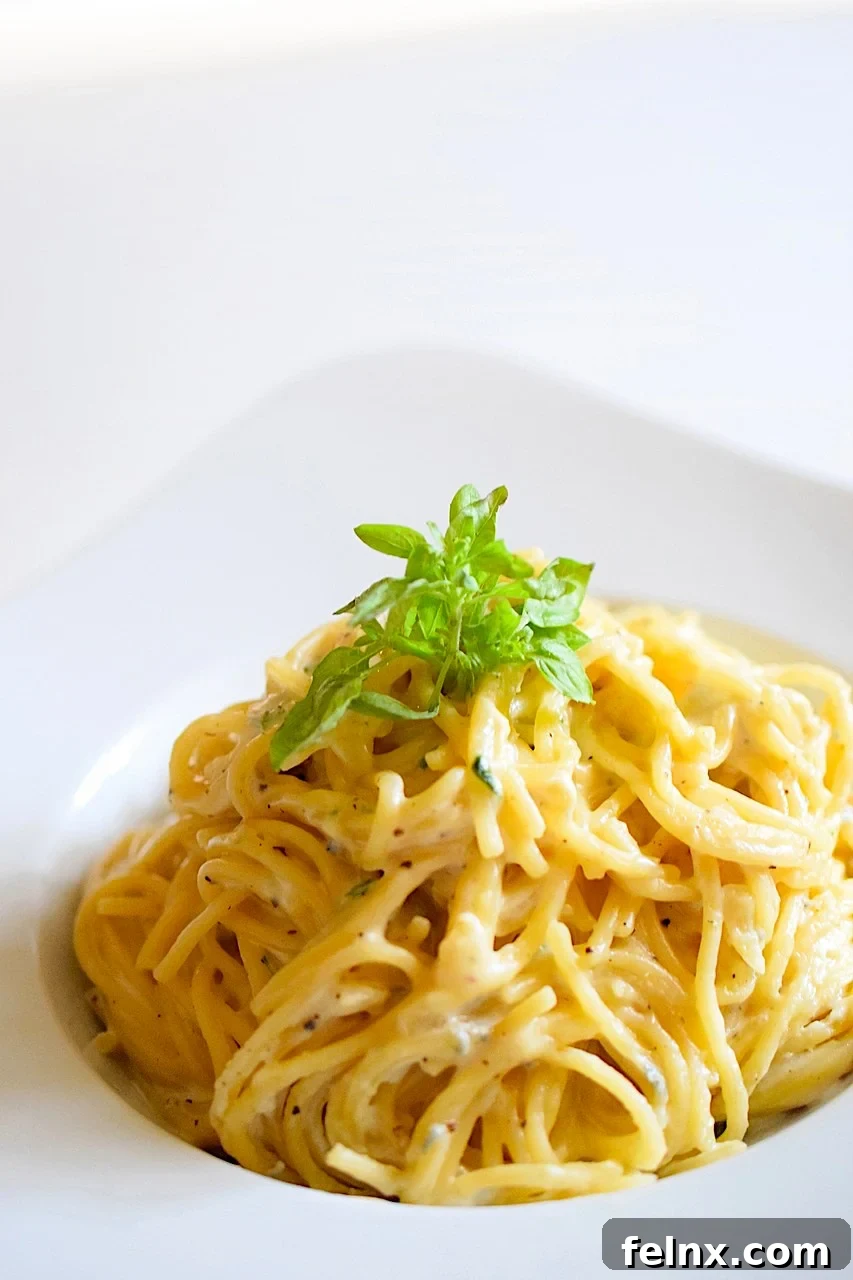
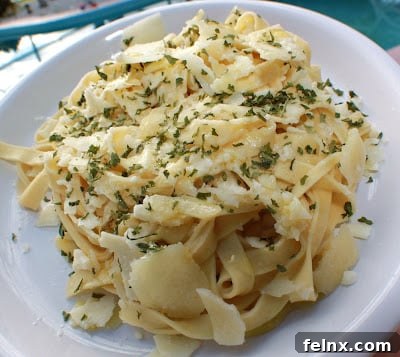
5. Fettuccine Alfredo
While modern versions of this dish often involve heavy cream, the original recipe created by Chef Alfredo di Lelio in Rome focused on the emulsion of butter and high-quality Parmigiano-Reggiano. It is a decadent, silky dish that remains a favorite for those looking for a luxurious pasta experience.
Traditional Meat and Vegetable Specialties
Roman food isn’t just about pasta. The city has a rich tradition of preparing meats and vegetables in ways that highlight their natural textures.
Veal Saltimbocca alla Romana
The name “Saltimbocca” literally means “jumps in the mouth.” This dish consists of thin veal cutlets topped with prosciutto and fresh sage leaves, then quickly cooked in white wine and butter. It is savory, salty, and incredibly tender. Saltimbocca is a staple of Roman trattorias and a must-try for any meat lover.
Carciofi alla Romana (Roman-Style Artichokes)
Artichokes are a cornerstone of Roman agriculture. In the spring, when they are at their peak, you will find them prepared in two main ways: alla Giudia (deep-fried) or alla Romana (braised). Carciofi alla Romana involves braising the artichokes with olive oil, garlic, and wild mint. The result is a tender, flavorful vegetable that melts in your mouth.
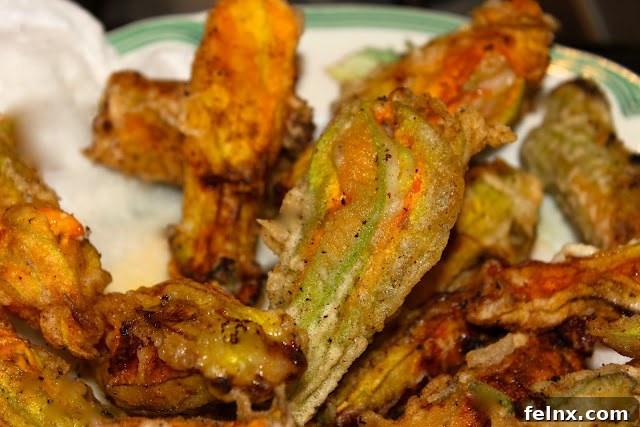
Fiori di Zucca Fritti (Fried Zucchini Blossoms)
When zucchini flowers bloom in the summer, Romans take the yellow blossoms, stuff them with mozzarella and anchovies, dip them in a light batter, and deep-fry them until golden and crispy. These are often served as an appetizer and provide a perfect crunch before the main course.
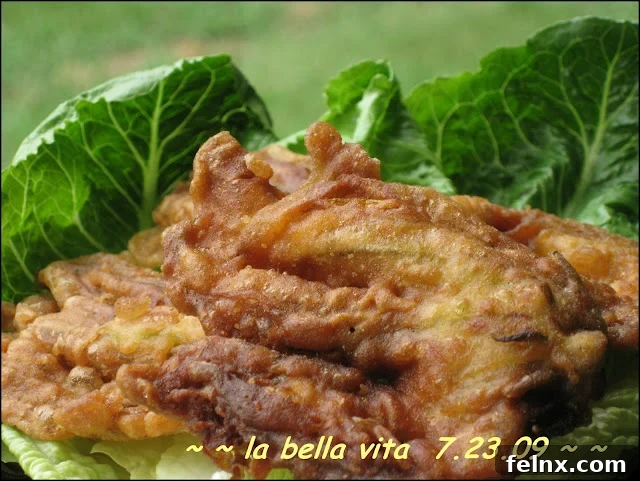
Delicate and crispy fried zucchini blossoms.
Roman Soups and Comfort Foods
For those looking for something lighter or more rustic, Rome offers several traditional soups that have sustained the population for centuries.
Stracciatella
Not to be confused with the chocolate-chip gelato flavor, Roman Stracciatella is a savory egg-drop soup. It is made by drizzling a mixture of beaten eggs, Parmigiano cheese, and nutmeg into a boiling meat broth. It is light, nutritious, and a common comfort food in Roman households.
Pasta di Ceci
This hearty chickpea and pasta soup is a classic “peasant” meal. It is traditionally seasoned with rosemary and garlic. In Rome, it is common to add a few anchovies to the base, which provides a deep, savory umami flavor that distinguishes it from versions found in other parts of Italy. This soup is often served on Fridays as part of the Catholic tradition of avoiding meat.
Gnocchi alla Romana
Unlike the potato-based gnocchi found elsewhere, the Roman version is made from semolina flour. The semolina is cooked with milk, spread out to cool, and then cut into disks. These disks are layered in a baking dish, topped with plenty of butter and cheese, and baked until they form a golden, crispy crust. Traditionally, gnocchi is served in Rome on Thursdays.
The King of Roman Cheese: Pecorino Romano
No discussion of Roman food is complete without mentioning Pecorino Romano. This hard, salty cheese made from sheep’s milk is the backbone of Roman flavor. Its sharp profile makes it the perfect seasoning for pasta, soups, and vegetables. While Parmigiano is sweet and nutty, Pecorino is bold and tangy, reflecting the rugged history of the shepherds who once roamed the Lazio countryside.
Conclusion: A Culinary Journey Through Time
Eating in Rome is more than just a way to satisfy hunger; it is a way to connect with a history that spans thousands of years. Whether you are enjoying a plate of Carbonara in a bustling piazza or savoring a braised artichoke in a quiet trattoria, you are participating in a tradition of simplicity, quality, and passion. The traditional food of Rome reminds us that the best things in life—and on the plate—are often the most straightforward. On your next visit to the Eternal City, let your appetite guide you through the streets and enjoy every delicious moment of the Roman experience.