Discovering Little Italy Chicago: A Complete Guide to History, Culture, and Authentic Food
To truly experience the authentic Italian soul within Chicago’s “Windy City,” a visit to the historic Little Italy neighborhood is essential. While many of America’s ethnic enclaves have shifted, gentrified, or diminished over the decades, the spirit of this community remains rooted in its remaining blocks. Understanding Little Italy today requires looking back at its vibrant past and recognizing how it has transformed into the modern “University Village.”
At its peak in the early to mid-20th century, Little Italy was a sprawling, densely populated hub of Italian immigrant life. However, the landscape changed forever in 1965 when the University of Illinois Chicago (UIC) campus was constructed directly in the heart of the neighborhood. This urban renewal project was met with significant resistance from local residents who feared the destruction of their community. Despite protests and a legal battle that reached the Supreme Court, the residents lost. The result was the demolition of over 800 homes and 200 family-owned businesses, displacing thousands and forever altering the neighborhood’s geography.
The Heart of the West Side: Exploring Taylor Street
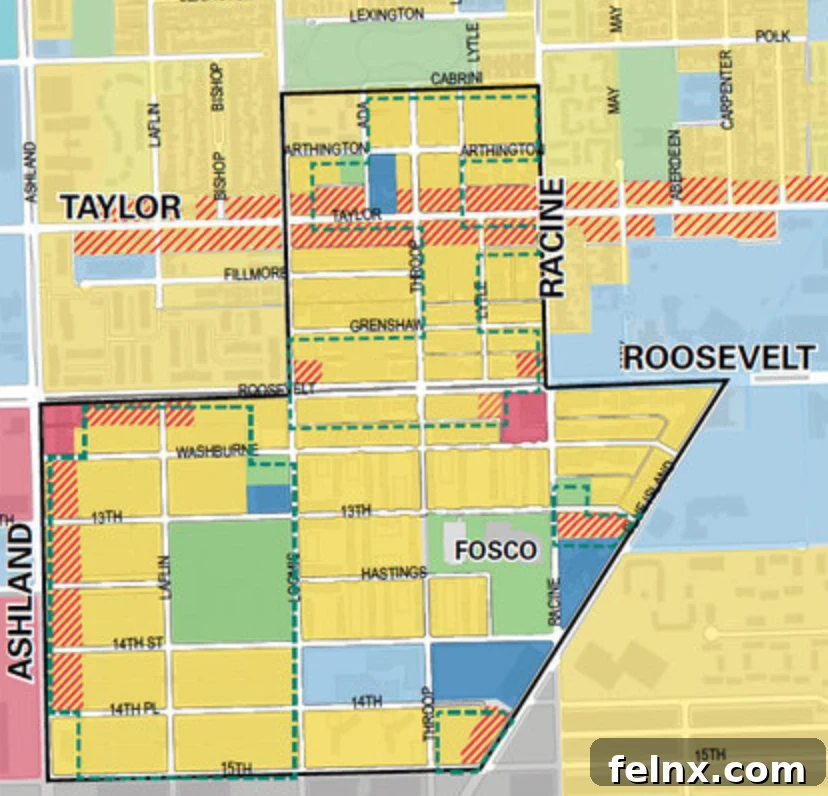
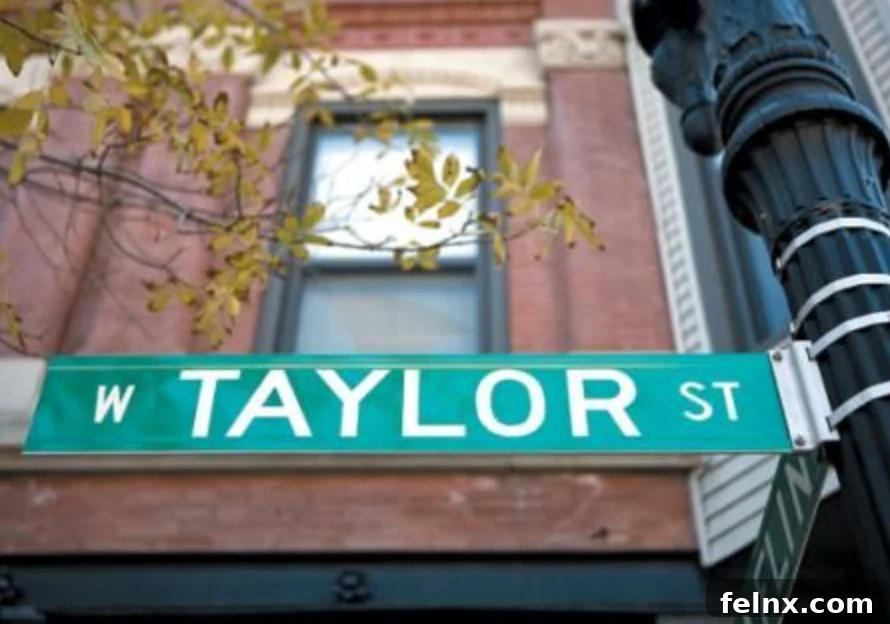
Today, Little Italy is situated on Chicago’s Near West Side, with Taylor Street serving as its main cultural and commercial artery. Walking down Taylor Street, you can still find the essence of the old neighborhood. The area is filled with colorful historic buildings, ornate fountains, and statues that pay homage to the Italian-American experience. It is a place where the past and present coexist, offering a blend of traditional eateries and modern student-friendly spots.

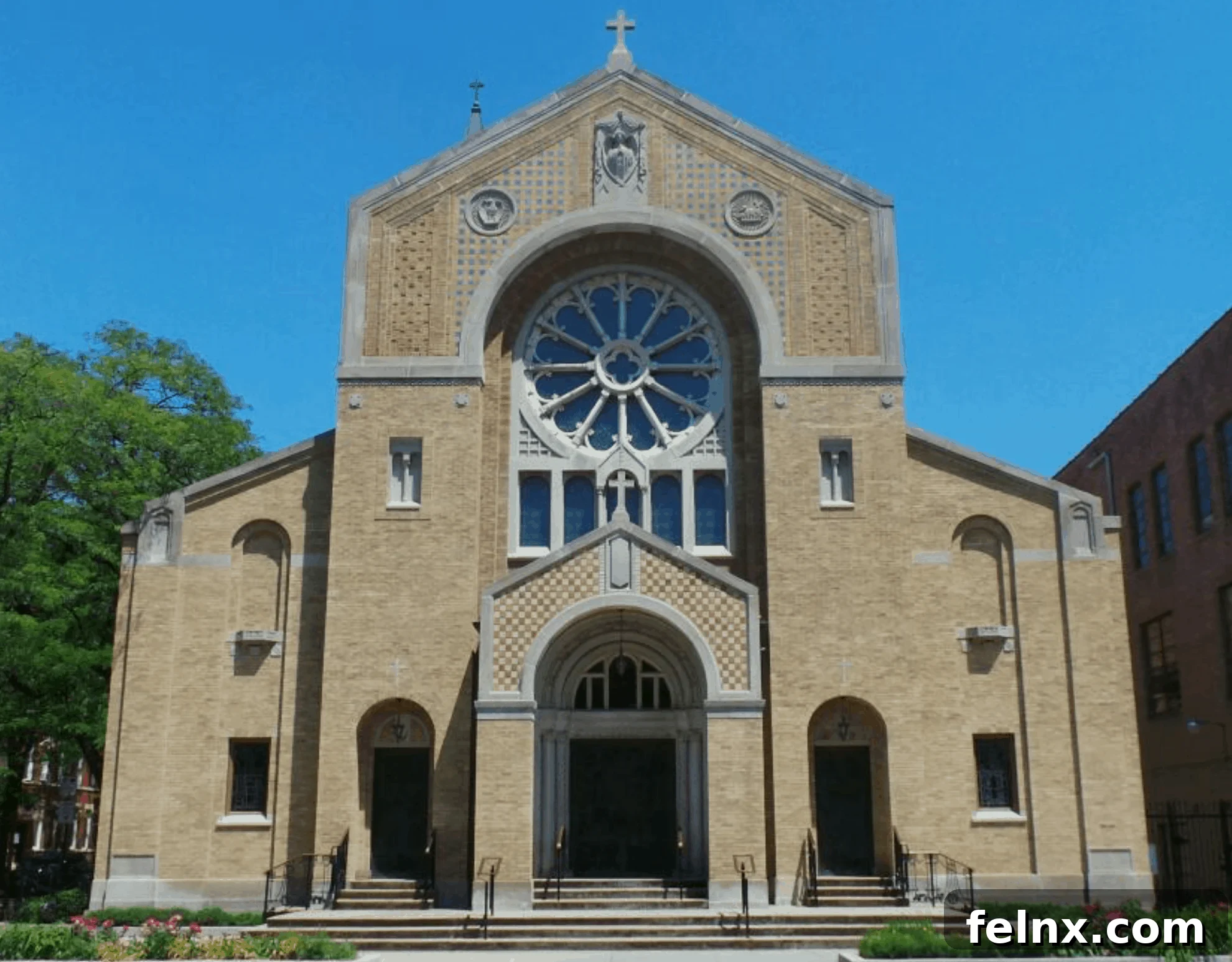
One of the most significant landmarks in the area is the National Italian American Sports Hall of Fame, which celebrates the contributions of Italian-Americans to the world of sports. For those interested in religious history and architecture, the neighborhood is home to stunning Catholic churches that served as the backbone of the immigrant community. Two must-visit locations are the “Our Lady of Pompeii” shrine and “Notre Dame de Chicago.” These structures are not just places of worship but symbols of the resilience of the families who built them.
Resilience Through Faith and Community
The history of Italians in Chicago is one of overcoming adversity. Early immigrants faced significant discrimination and were often restricted in where they could live or work. This led to the formation of tight-knit communities where families relied heavily on one another. Faith played a central role in this survival, leading to the construction of grand landmarks like the Shrine of Our Lady of Pompeii.
Originally a parish church with a thriving school, Our Lady of Pompeii saw its congregation dwindle as the university expansion forced families to move to the suburbs. In 1994, it was rededicated as a shrine to preserve its history. Similarly, Holy Guardian Angel, established in 1898 as the city’s first Italian congregation, was eventually closed to make way for the Dan Ryan Expressway. These losses highlight the physical cost of the city’s modernization at the expense of its ethnic heritage.
The Impact of Gentrification and Modern Diversity
While Little Italy is no longer the monolithic Italian enclave it once was, the process of gentrification has brought a new kind of vitality to the area. On one hand, the departure of old families led to the closure of many traditional storefronts, often replaced by national chains or diverse international cuisine. On the other hand, the area is now more diverse than ever, serving as a melting pot for students, professionals, and long-time residents.
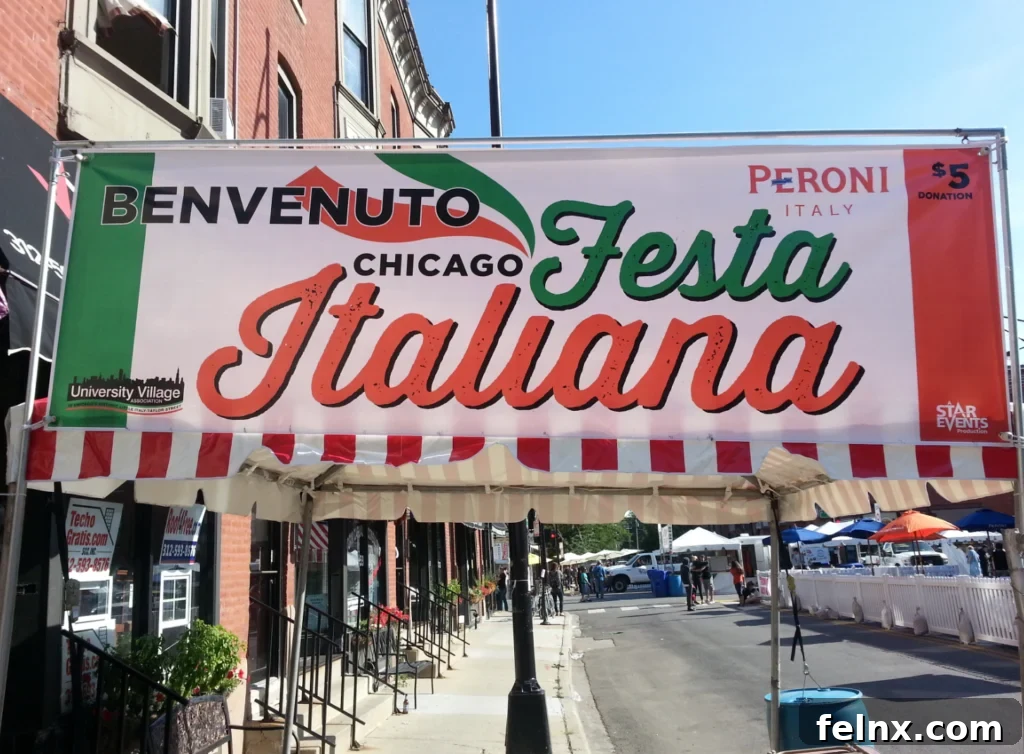
Despite these changes, the tradition of annual festivals remains a highlight for the city. Events like the Little Italy Fest-Taylor Street keep the heritage alive. These festivals feature award-winning food, live entertainment, and cultural exhibits that draw visitors from all over Illinois. It is a time when the “old neighborhood” feel returns in full force, celebrating the generations of Italians who paved the way.
A Culinary Journey Through Little Italy
For most visitors, the primary draw to Little Italy is the food. From high-end dining to casual bakeries, the culinary scene here is deeply rooted in tradition. While walking down Taylor Street, you might still catch the sound of the Italian language being spoken by shopkeepers and older residents, reminding you of the area’s authentic roots.
The neighborhood is a paradise for those who appreciate “mom and pop” businesses. You will find specialty bakeries, importers of fine Italian foods, artisan cheese shops, and traditional barbers. The community remains a great place for a walking tour, offering endless opportunities to shop for unique items you won’t find in a standard supermarket.
Rosebud: A Legend on Taylor Street
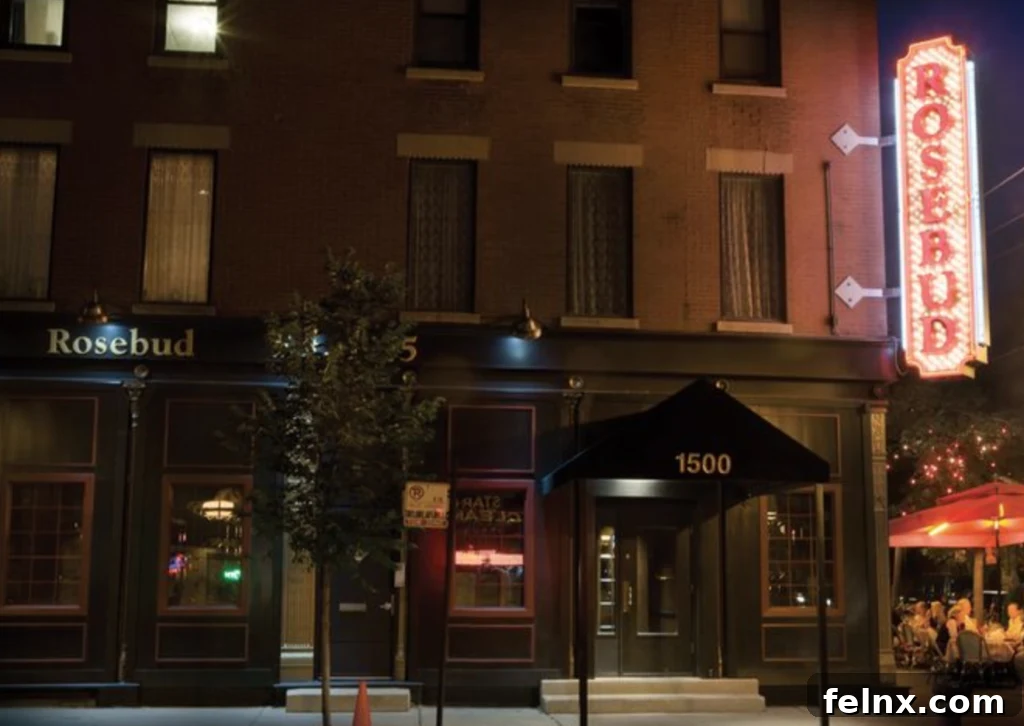
If you are looking for a classic dining experience, Rosebud is an absolute must. As one of the longest-running authentic Italian restaurants in Chicago, it has hosted numerous celebrities over the years, including the legendary Frank Sinatra. The restaurant is famous for its generous portions and traditional menu that focuses on quality ingredients and time-honored recipes.

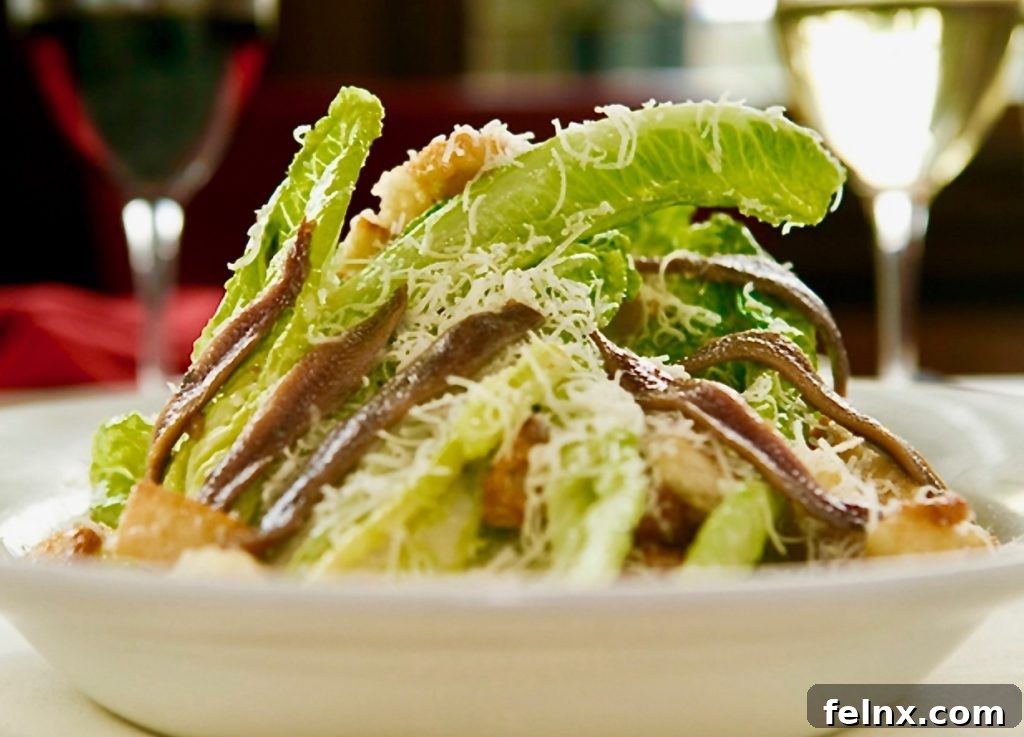
A signature item at Rosebud is their Caesar Salad, which is famously served with a generous helping of anchovies—a rarity in many modern restaurants. The portions are so large that most diners leave with a bag of leftovers, ensuring the experience continues long after you leave the table. Due to its popularity, making a reservation is highly recommended.
Essential Stops for Food Lovers
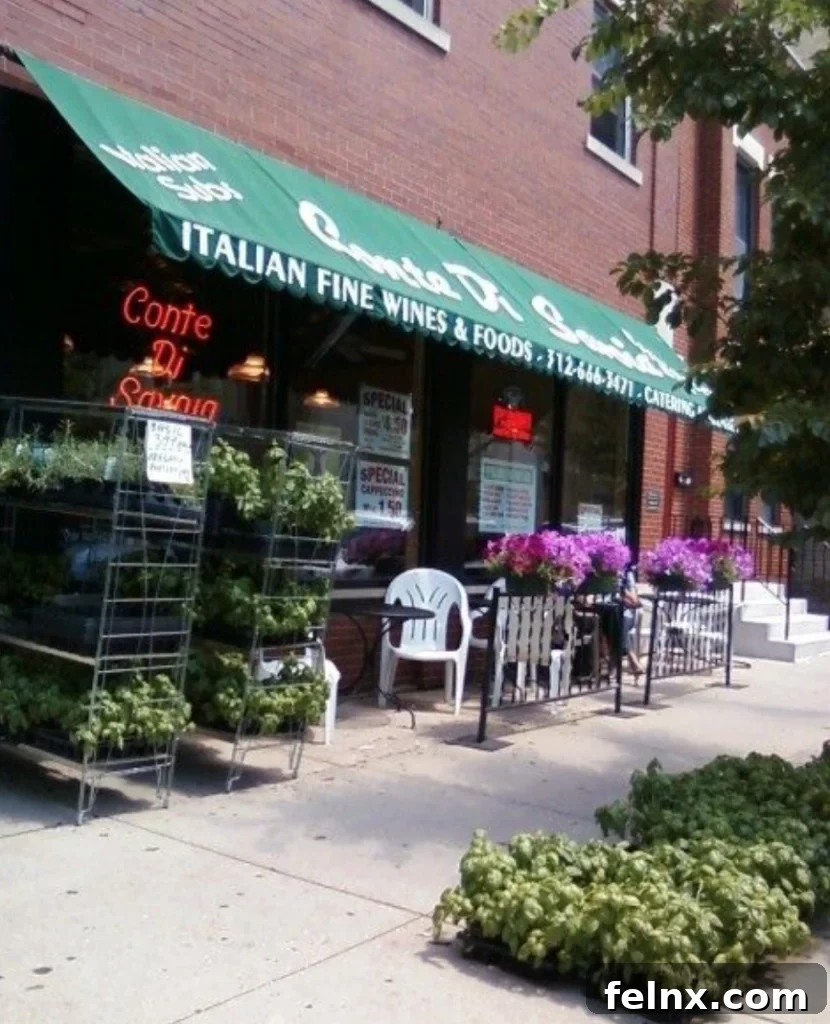
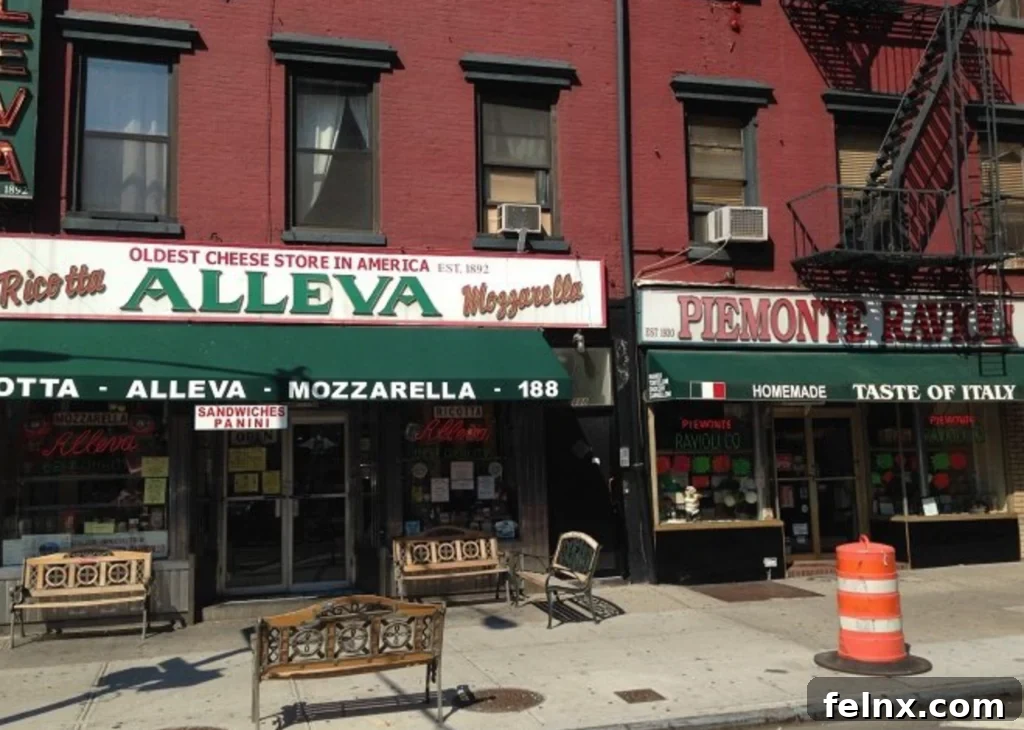
Beyond the sit-down restaurants, Little Italy offers several specialty markets and bakeries that provide a window into the daily life of the community. These spots are perfect for gathering ingredients for a home-cooked meal or finding the perfect pastry to enjoy with a coffee.
Top Italian Shops and Eateries to Visit
Bari Food Market: A Treasure Trove of Imports
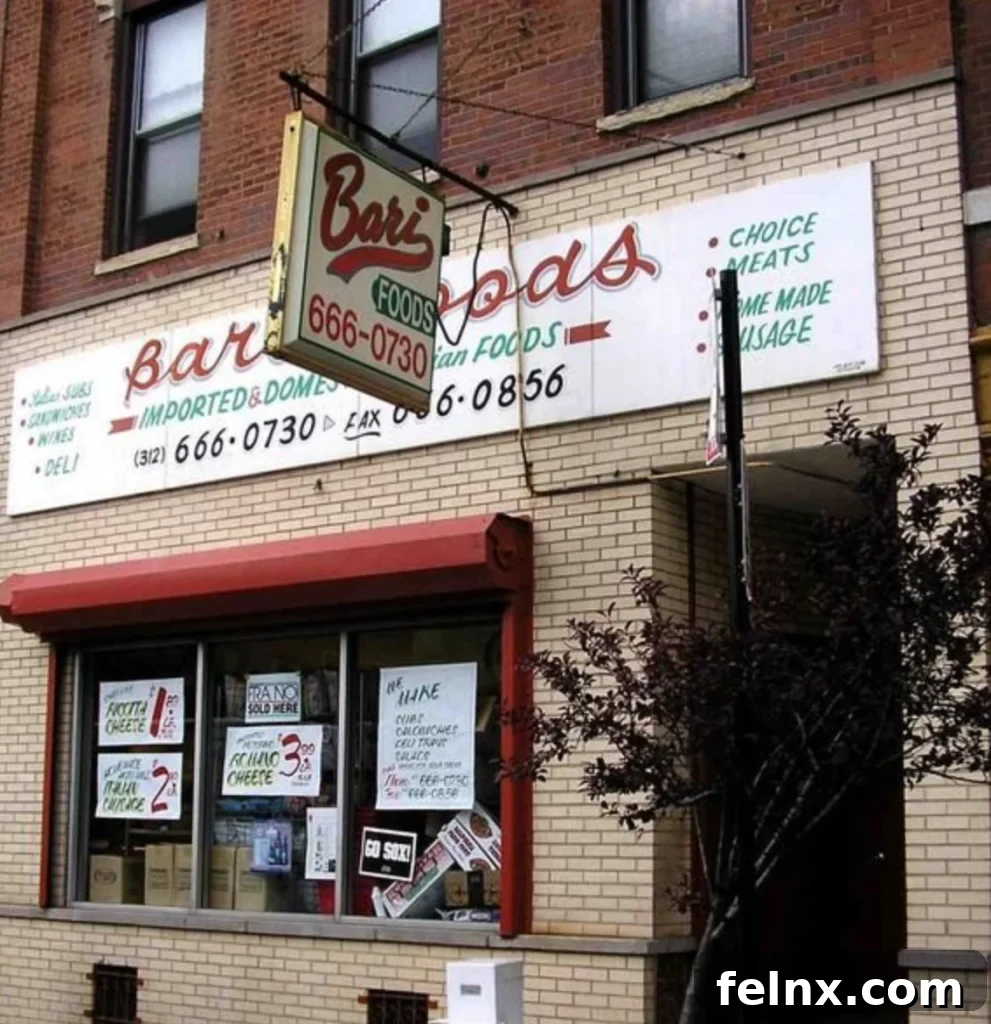
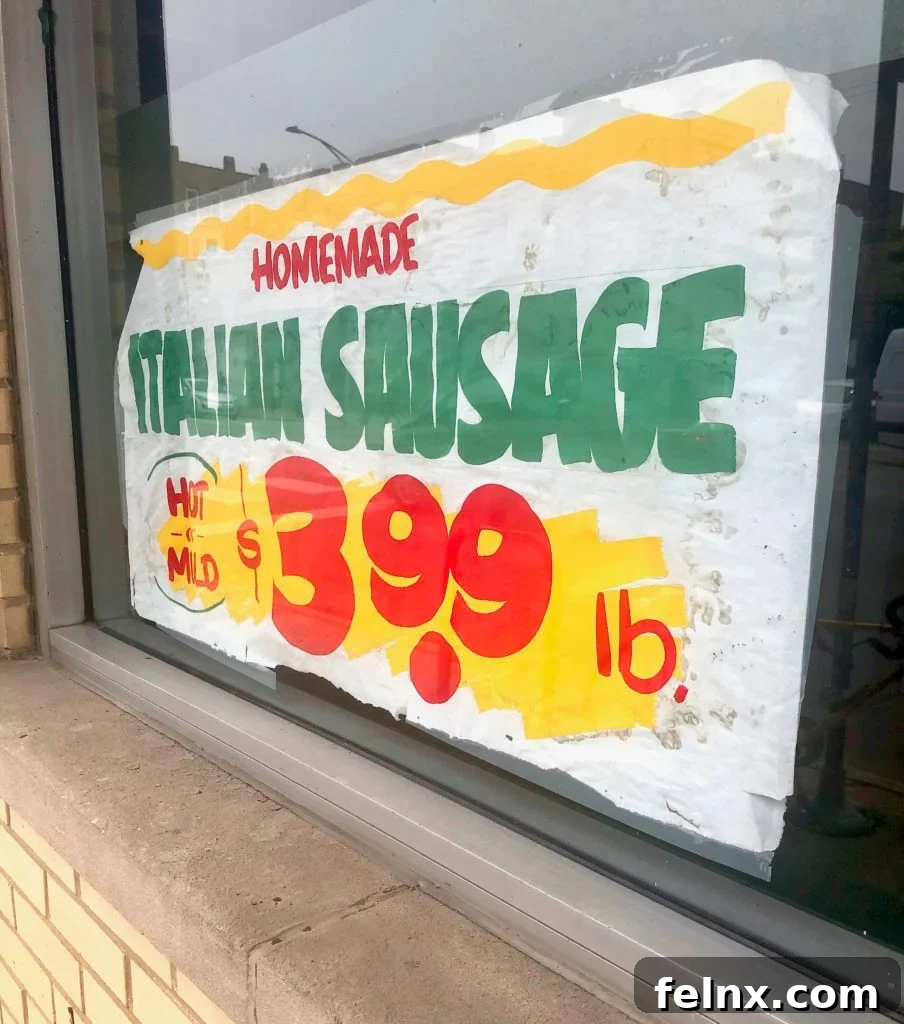
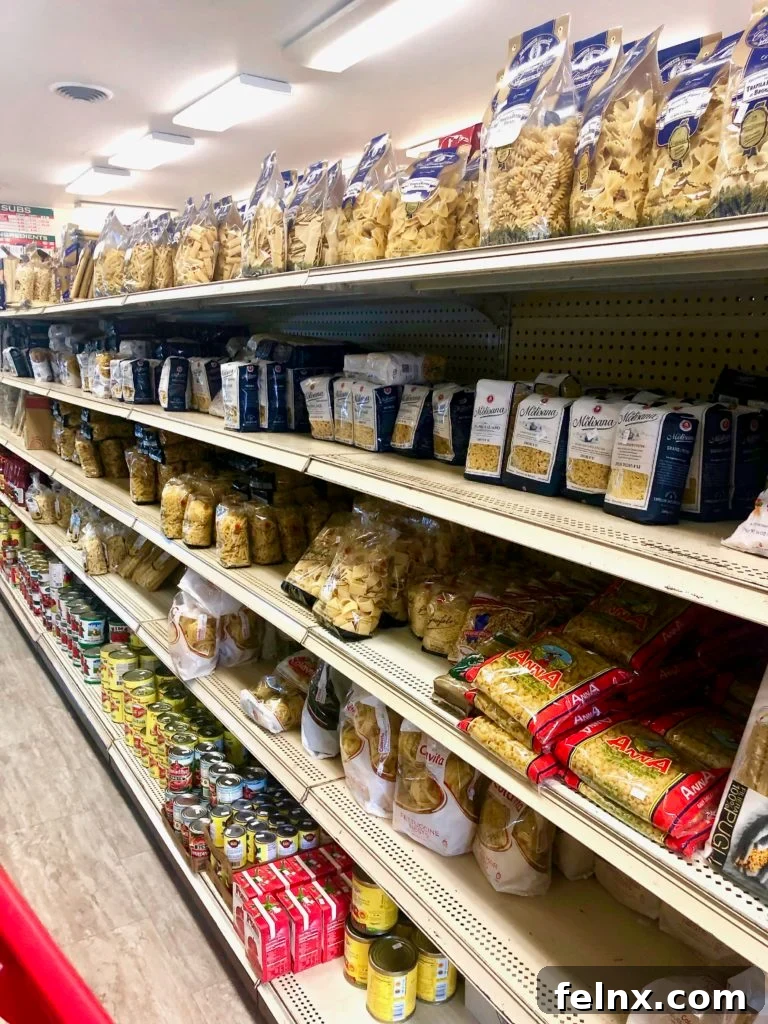
For a truly authentic shopping experience, head to Bari Food Market. Forget fancy neon signs; Bari uses simple hand-painted signage that speaks to its long-standing history. The store is packed from floor to ceiling with imported Italian goods. You’ll find entire aisles dedicated to various shapes of pasta and a massive selection of tomato sauces.
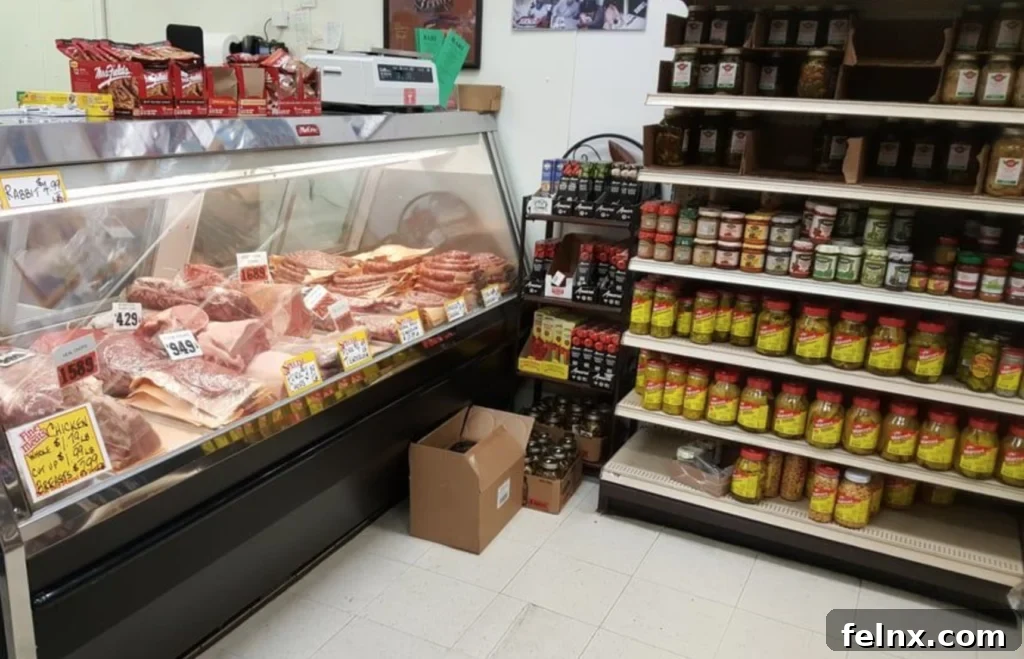
One of the highlights at Bari is their unique pasta selection, including “zitoni,” a thick, oversized version of ziti that is perfect for heavy meat sauces. The meat counter is another major attraction. Here, you can find specialty items like guanciale (cured pork jowl), which is the essential ingredient for an authentic pasta carbonara. While often hard to find in standard American grocery stores, Bari provides these culinary staples to those who know their value.
Bari is also famous for its submarine sandwiches. There is often a line of customers waiting for their Italian subs, which can be customized with extra giardiniera for a spicy Chicago-style kick. It’s a simple, affordable, and delicious way to taste the neighborhood.
D’Amato’s Italian Bakery: A Sweet Tradition
Located right next door to Bari is D’Amato’s Italian Bakery. From the moment you walk in, the smell of fresh bread and sugar takes over. The bakery is a visual tribute to the colors of the Italian flag—red, white, and green—and the walls are adorned with photos of “la famiglia” and historical newspaper clippings.
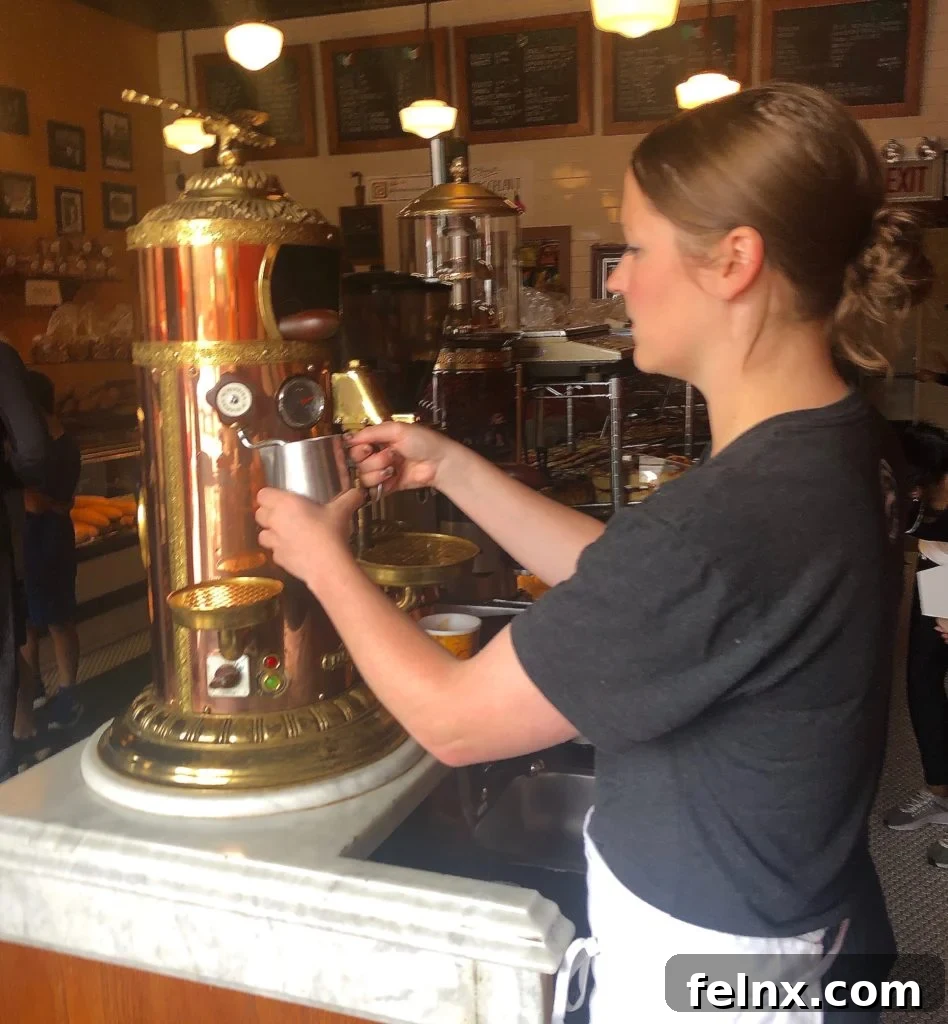
D’Amato’s is the place to go for an authentic espresso or cappuccino. Their display cases are filled with a dizzying array of treats: biscotti, cannoli, sfogliatelle, taralli, and pizelles. For those seeking something savory, they offer hand-made arancini (fried rice balls), a labor-intensive dish that tastes like it came straight from a kitchen in Sicily.
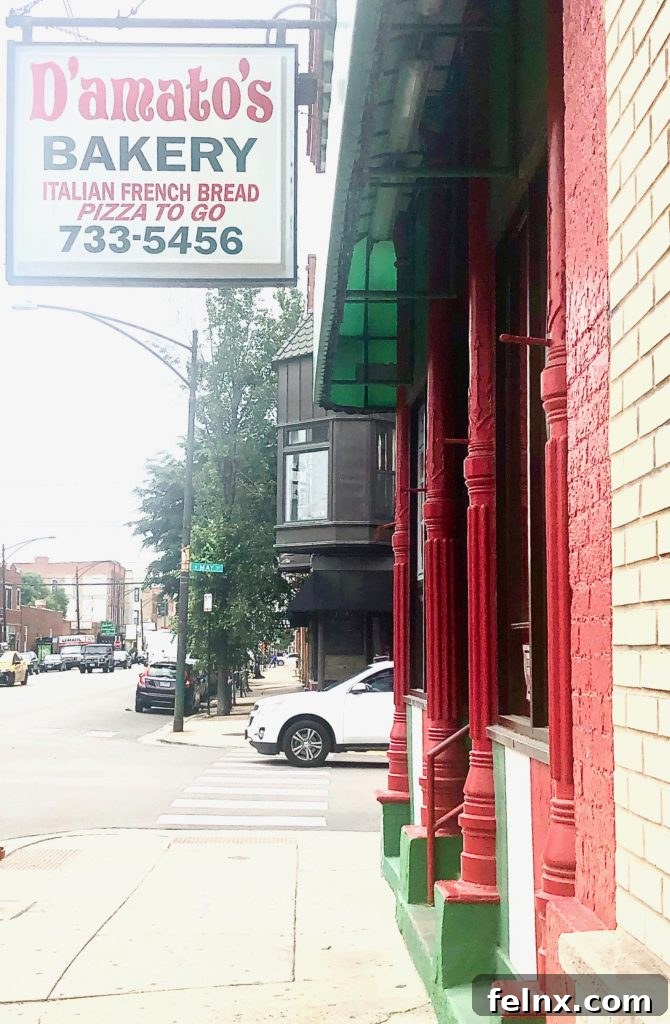
A true standout at D’Amato’s is the sfogliatelle—a shell-shaped pastry with hundreds of thin, crispy layers and a sweet cream filling. Paired with a hot latte, it is the perfect way to conclude a day of exploring. Whether you are looking for hard taralli crackers to snack on later or a cold gelato on a summer day, this bakery captures the essence of Italian hospitality.
Why You Should Still Visit Little Italy
While Chicago’s Little Italy has faced many challenges over the years—from urban development projects to the natural shifts of time—it remains a vital piece of the city’s cultural mosaic. It is a neighborhood where memories are cherished by the older generation and new traditions are being formed by the younger one. Spots like Piazza DiMaggio offer a place for the community to gather, reminiscent of the public squares found in Italy.
For visitors, it offers a slower pace and a more personal connection to the city’s history than the bustling downtown Loop. Whether you are there for the history, the stunning architecture of the churches, or a massive plate of pasta at Rosebud, you are sure to leave with a deeper appreciation for the Italian-American contribution to Chicago.
Buon Appetito
from Chicago’s Little Italy!