The Rich Traditions of St. Joseph’s Day: Celebrating La Festa di San Giuseppe
Every year on March 19th, Italians and Italian-Americans around the globe pause to celebrate a deeply spiritual and culturally significant holiday: the Feast of St. Joseph, or La Festa di San Giuseppe. While many people are familiar with the green-clad festivities of St. Patrick’s Day just two days prior, St. Joseph’s Day offers a more serene, yet equally vibrant, tribute to faith, family, and community. It is a day marked by elaborate food preparation, stunning altars, and a spirit of radical generosity toward the less fortunate.
This feast day is not just a religious observance; it is a living history of the Sicilian people. Whether it is celebrated in the small villages of Italy or the bustling neighborhoods of New Orleans and New York, the essence remains the same: a profound “thank you” to a saint believed to have saved a nation from starvation. To understand the depth of this celebration, one must look back at the history, the intricate symbols, and the culinary masterpieces that define this special day.
The History and Origins: A Miracle in Sicily
The roots of the Feast of St. Joseph are firmly planted in the soil of Sicily. During the Middle Ages, Sicily was struck by a devastating and prolonged drought. As the months passed without rain, the crops withered, and a severe famine began to take hold of the island. In their desperation, the people turned to St. Joseph, the foster father of Jesus and the patron saint of workers and families.
The Sicilians made a solemn vow: if St. Joseph interceded and brought rain to save their crops, they would honor him with a massive banquet, inviting the poor to share in the bounty. Legend tells us that the prayers were answered. The skies opened, the rain fell, and the famine was averted. True to their word, the people of Sicily prepared a grand feast. Since meat was scarce and the feast fell during the Lenten season, the banquet focused on the bounty of the land—vegetables, grains, and seafood.
This tradition of the “St. Joseph’s Table” or “Altar” has been passed down through generations. Today, it serves as a reminder of the power of faith and the importance of helping those in need, ensuring that no one goes hungry on this sacred day.
The St. Joseph’s Altar: A Work of Art and Devotion
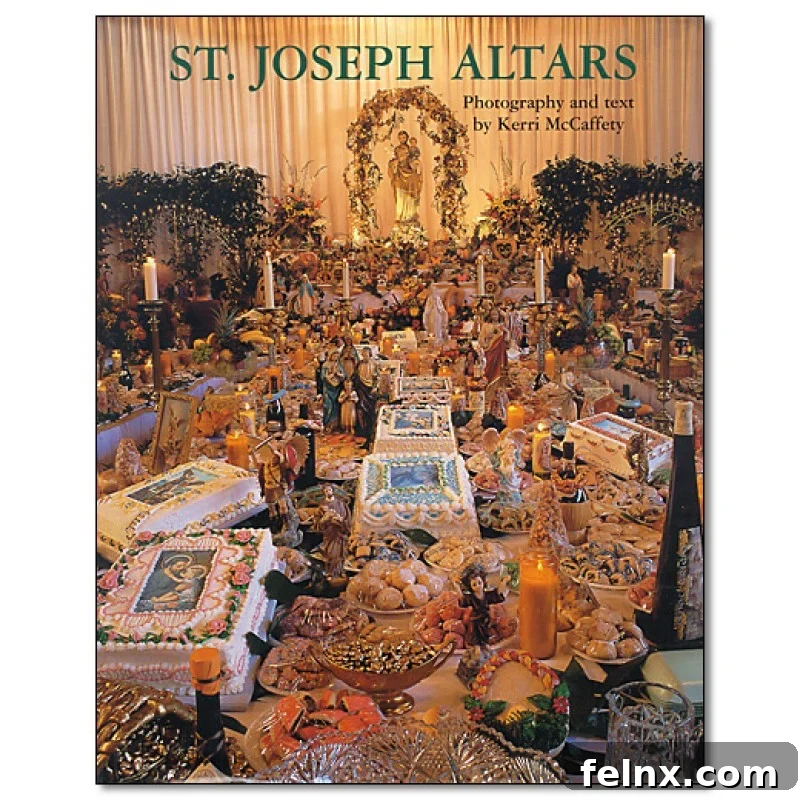
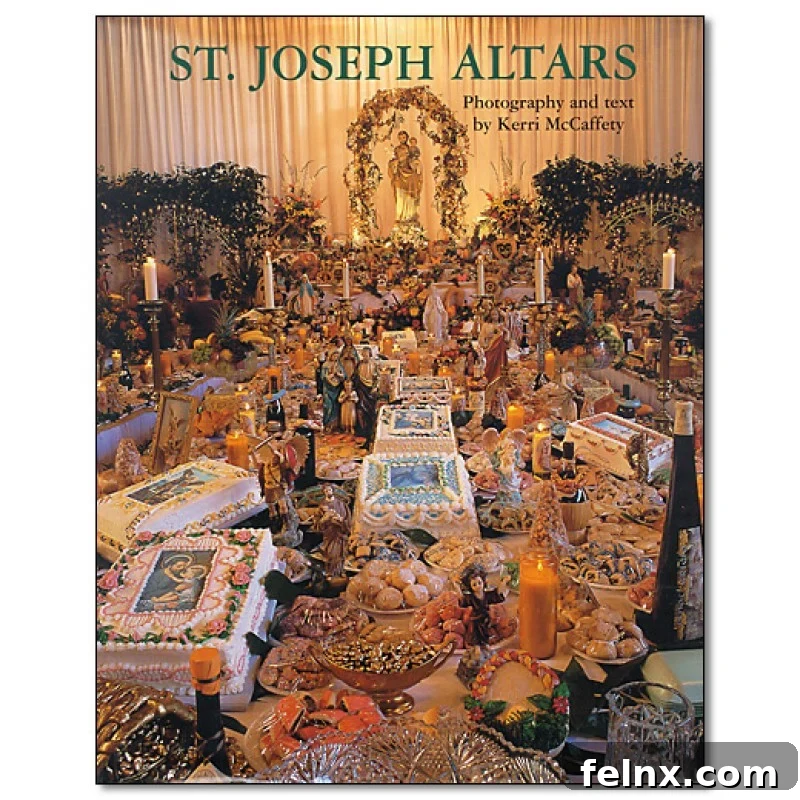
One of the most striking visual elements of this holiday is the St. Joseph’s Altar. These altars are often constructed in private homes, parish halls, and community centers. Far from being a simple table, these structures are architectural feats of devotion. Typically, the altar is built in three tiers, symbolizing the Holy Trinity: the Father, the Son, and the Holy Spirit. It is draped in fine white linen and adorned with candles, flowers, and incense.
The items placed on the altar are carefully chosen for their symbolic meaning. You will often see:
- Limes and Lemons: Representing the citrus groves of Sicily and symbolizing hospitality.
- Flowers: Particularly lilies, which are the traditional flower associated with St. Joseph’s purity.
- Votive Candles: Representing the prayers and petitions of the faithful.
- The Statuette of St. Joseph: Placed at the highest point of the altar to oversee the celebration.
A unique aspect of the altar is the absence of meat. Because the Feast of St. Joseph occurs during Lent, the Catholic season of fasting and penance, the entire meal is meatless. However, the abundance of other dishes more than makes up for this. From ornate breads to delicate pastries, the altar is a feast for the eyes before it is ever a feast for the palate.
Symbolic Foods and Culinary Traditions
Food is the heart of any Italian celebration, but for St. Joseph’s Day, every ingredient tells a story. The preparation of these dishes often begins weeks in advance, involving the collective effort of entire families and communities.
The Lucky Fava Bean
The fava bean holds a place of honor on the St. Joseph’s Altar. During the great drought, the fava bean was the only crop that continued to thrive, preventing total starvation. Today, dried fava beans are often blessed by a priest and handed out to guests. It is said that if you keep a blessed fava bean in your pantry or purse, you will never run out of money or food. This humble legume has become a powerful symbol of luck and resilience.
Bread as Sculpture: Cuccidati and La Vastedde
Bread is perhaps the most impressive element of the altar. Bakers create intricate shapes from dough, known as Cuccidati. These are not merely loaves; they are sculptures representing religious symbols such as the crown of thorns, a carpenter’s hammer, a staff, or a cross. Some are even shaped like birds or grapes. These breads are often glazed and decorated with seeds, representing the “sawdust” of St. Joseph’s carpentry workshop.
Another specialty is La Vastedde, a large, flat bread often served with sesame seeds. The use of breadcrumbs in various pasta dishes, such as Pasta con le Sarde (pasta with sardines), is another nod to St. Joseph’s trade, as the crumbs represent the wood shavings on the floor of his shop.
The Star of the Show: Zeppole di San Giuseppe
No St. Joseph’s Day celebration is complete without Zeppole. These are light, airy Italian cream puffs, traditionally fried (though sometimes baked) and filled with a rich pastry cream or sweetened ricotta. They are usually topped with a dusting of powdered sugar and a single maraschino cherry. In many households, the scent of frying dough and vanilla cream is the definitive aroma of the holiday.
The Spirit of Giving: Charity and Community
While the beauty of the altars and the deliciousness of the food are undeniable, the core of the Feast of St. Joseph is charity. Historically, the “saints” (often children or members of the community representing the Holy Family) would be invited to eat first, followed by the poor and the hungry. In modern times, this spirit continues through food drives and fundraisers. Most public altars collect donations for local charities, ensuring that the bounty of the feast reaches those who need it most.
This tradition emphasizes that prosperity is meant to be shared. The act of opening one’s home and table to strangers is a profound gesture of communal love and solidarity, reflecting the protective and provider-like nature of St. Joseph himself.
Celebrating Across the World
While Sicily remains the spiritual home of the feast, Italian immigrants carried these traditions across the ocean. In the United States, several cities are famous for their St. Joseph’s Day celebrations:
- New Orleans: Known as the port where many Sicilians first entered America, New Orleans hosts some of the most elaborate celebrations in the country. The city features massive public altars, parades, and marching clubs where participants wear red to honor the saint.
- Buffalo and New York City: These cities with large Italian populations maintain the tradition of parish altars and family gatherings, often serving as a focal point for the community during the Lenten season.
- Chicago and Kansas City: Both cities have deep-rooted Italian-American communities that continue to build public altars, inviting everyone to come and “eat with the saint.”
In these cities, the holiday is a time for people of all backgrounds to experience Italian culture, taste traditional recipes, and participate in a ritual that has remained largely unchanged for centuries.
Conclusion: A Legacy of Faith and Flavor
The Feast of St. Joseph is a multi-sensory experience. It is the sight of the three-tiered altar, the scent of fresh-baked bread and fried zeppole, and the feeling of community that comes from sharing a meal. Beyond the festivities, it is a day that honors the quiet strength of a worker, the dedication of a father, and the resilience of a people who refused to give up in the face of hardship.
Whether you are of Italian descent or simply an admirer of rich cultural traditions, St. Joseph’s Day offers a beautiful opportunity to reflect on our own blessings. By celebrating with a “St. Joseph’s Table,” we honor the past, nourish the present, and ensure that the spirit of generosity continues for generations to come. So, this March 19th, consider wearing a bit of red, finding a local altar, or perhaps even trying your hand at making a batch of zeppole. Buona Festa di San Giuseppe!