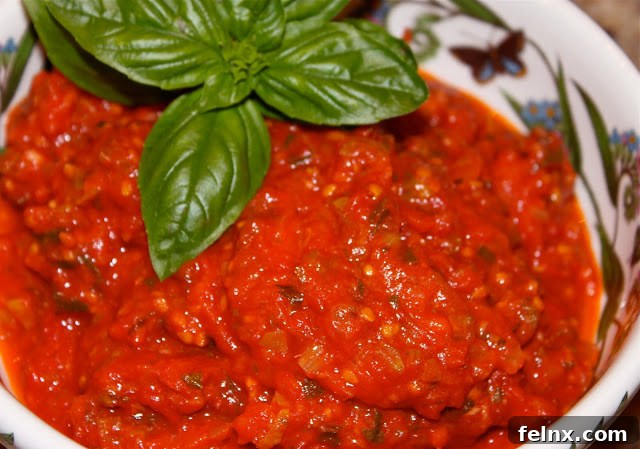
Homemade Garden Fresh Marinara Sauce: A Taste of Summer in Every Jar
There is a specific time of year that every gardener and home cook looks forward to with a mix of excitement and slight overwhelm: peak tomato season. When the vines are heavy with ripe, red fruit and the kitchen counter is overflowing with various shapes and sizes of tomatoes, you know it is time to get to work. While many people immediately think of canning whole tomatoes or making large batches of salsa, there is one staple that reigns supreme in any kitchen—the garden-fresh marinara sauce.
Making your own marinara from scratch is a labor of love, but the results are incomparable to anything you can find on a grocery store shelf. The aroma that fills your home as the garlic, onions, and fresh tomatoes simmer together is truly divine. It is a scent that captures the essence of summer and promises delicious meals for months to come. In this guide, we will walk you through a classic, basic marinara sauce that highlights the natural sweetness of your garden harvest.
The Philosophy of the Harvest: From Salsa to Sauce
On our acreage, the arrival of ripe tomatoes signals a very specific workflow. Interestingly enough, we usually start by making salsa. It is a day-long affair that involves a lot of chopping and high energy. Once the salsa is safely in jars, we turn our attention to the marinara. This order of operations helps us manage the massive volume of tomatoes without feeling burnt out. Marinara sauce is slightly more relaxed; while it takes time to simmer, the process is rhythmic and therapeutic.
This recipe is a foundational Italian marinara. While there are countless variations across the web and in cookbooks, this particular blend focuses on simplicity and high-quality ingredients. If you do not have your own garden, do not worry. You can find excellent tomatoes at your local farmers’ market. Look for varieties like Roma or San Marzano for a meatier sauce, but do not be afraid to mix in some juicy heirlooms for added depth of flavor.
Why Fresh Tomatoes Make a Difference
The primary difference between fresh marinara and store-bought versions is the acidity and sugar balance. Commercial sauces often rely on added sugars and heavy preservatives to mimic the taste of fresh produce. When you use tomatoes straight from the vine, you are getting a natural sweetness that has been developed by the sun. Furthermore, fresh tomatoes contain high levels of lycopene and vitamin C, which are better preserved when you control the cooking process at home.
There have been years where tomatoes were so scarce that restaurants stopped serving them. During those times, having a pantry or freezer stocked with homemade sauce feels like having a literal gold mine. Neighbors you haven’t spoken to in months might suddenly appear at your gate, hoping for a few “maters.” This recipe ensures that you can enjoy that summer goodness even in the depths of winter.
Recipe: Garden Fresh Marinara Sauce
This recipe yields a vibrant, chunky, and aromatic sauce that works perfectly over pasta, as a base for lasagna, or even as a dipping sauce for fresh bread.
Ingredients You Will Need
- 2 – 3 pounds fresh tomatoes: Use ripe, red tomatoes. Romas are excellent for their low water content, but any variety you have on hand will work.
- 2 Tbsp. Extra Virgin Olive Oil: This provides a rich base for sautéing your aromatics.
- 4 – 5 cloves Garlic: Minced finely to release all those essential oils.
- 1/2 Onion: Diced small to provide a foundational sweetness.
- 1 stalk Celery: Diced, including the leaves for extra flavor.
- 1/2 Carrot: Diced finely. The carrot acts as a natural sweetener to balance the acidity of the tomatoes.
- 1/2 bunch Italian Parsley: Freshly diced for a bright, peppery finish.
- 30 Fresh Basil Leaves: Minced. Basil is the soul of a good marinara.
- 1 tsp. Sea Salt: Adjust to your personal taste.
Step-by-Step Preparation Instructions
- Prepare the Boiling Water: Fill a large, deep pot with water and bring it to a rolling boil. This is for the blanching process, which makes peeling the tomatoes effortless.
- Blanch the Tomatoes: Carefully place your tomatoes into the boiling water. Keep a close eye on them; you only want to cook them until the outer skin begins to crack. This usually takes between 30 to 60 seconds depending on the ripeness.
- Sauté the Aromatics: While the water is heating, take a large frying pan or skillet. Add the olive oil and sauté the garlic, onion, celery, and carrots. Cook them for only a few minutes until they are soft and fragrant. Do not brown the garlic, as it can become bitter. Remove the pan from the heat once finished.
- Cool and Peel: As soon as the tomato skins crack, remove them from the boiling water with a slotted spoon. You can place them in an ice bath to stop the cooking, or simply let them sit until they are cool enough to handle. Once cooled, the skins should slip right off. Remove the green stem area as well.
- The “Mush” Method: Take your peeled tomatoes and, using your hands, squeeze them into the frying pan with your sautéed vegetables. This “mushes” them up and creates a rustic, authentic texture that you simply cannot get with a blender.
- Simmer to Perfection: Add your sea salt to the mixture. Place the pan back on the stove and cook the sauce for about 20 to 30 minutes. The goal is to reach your desired level of thickness and consistency.
- Add Fresh Herbs: Once the sauce has thickened and the flavors have melded, stir in your chopped basil and Italian parsley. Fresh herbs are best added at the end to preserve their bright color and delicate flavor profiles.
- The Final Taste: Taste your sauce. This is the most important step! If it is too acidic, you can add a pinch more salt or even a tiny bit more diced carrot. Adjust the seasonings until it is perfect for your palate.
Serving and Preservation Tips
Your garden-fresh marinara is now ready to be enjoyed. You can serve it immediately over al dente pasta, or use it in any recipe that calls for a high-quality tomato sauce. However, the true magic of this recipe lies in its ability to be preserved.
Freezing the Sauce
If you plan on freezing the sauce, allow it to cool completely first. Use BPA-free plastic containers rather than glass to avoid breakage in the freezer. Leave about an inch of “headspace” at the top of the container, as the sauce will expand slightly when it freezes. This sauce will stay fresh and delicious for up to six months in the freezer.
Canning for Long-Term Storage
For those who prefer a shelf-stable option, you can certainly can this sauce. Be sure to follow official safety instructions for canning acidic foods. Generally, you will need to add a bit of lemon juice or citric acid to each jar to ensure the pH level is safe for water-bath canning. Properly canned marinara can last in a cool, dark pantry for over a year.
The Joy of Homemade Cooking
There is something deeply satisfying about opening a jar of this sauce in the middle of a cold, grey winter. As the sauce heats up on the stove, the smell of summer basil and garden-ripe tomatoes fills the kitchen, reminding you of warm days and productive harvests. It is a simple luxury that makes the hard work of gardening all the more rewarding.
Making your own marinara is not just about the food; it is about the tradition and the connection to the land. Whether you are using tomatoes from your own backyard or from a local grower, you are participating in a timeless culinary ritual. So, grab those “maters” and start cooking. Your future self will thank you for the homemade goodness you’ve tucked away!
Did you try this recipe?
We love seeing how your garden harvests turn out! If you made this Garden Fresh Marinara, please share your experience. Leave a comment below or share a photo on Instagram and tag it with #ItalianBellaVita. Let’s celebrate the beauty of fresh, homemade Italian cooking together!