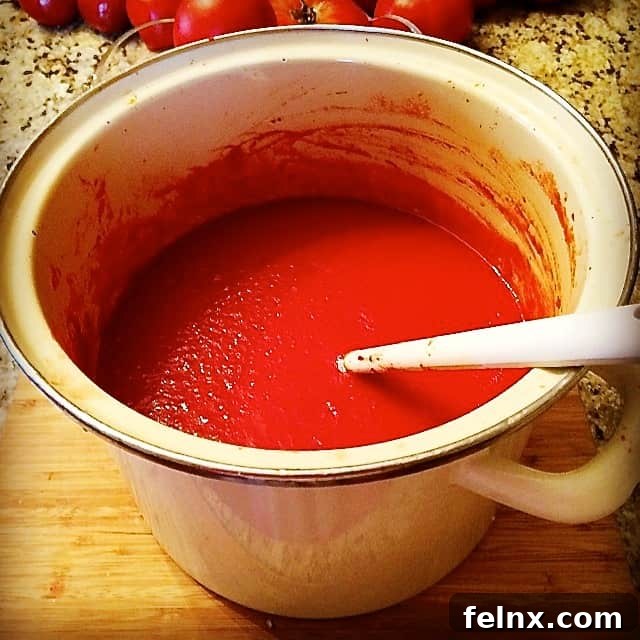
Authentic Italian Marinara Sauce: A Pure and Simple Homemade Recipe
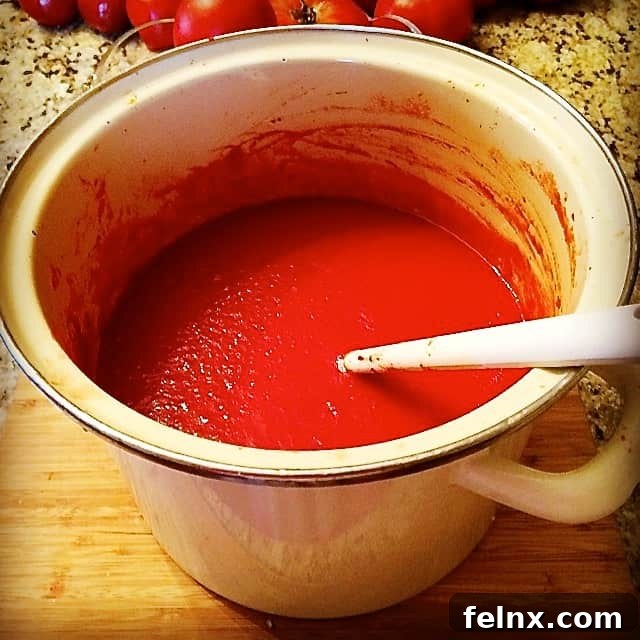
When the garden delivers a bumper crop of tomatoes, there is a specific kind of joy that every home cook feels. This year has been a banner year for tomatoes, and there is no better way to celebrate this harvest than by making a massive pot of authentic, pure, and fresh Italian marinara sauce. This isn’t just any sauce; it is a tribute to the late Marcella Hazan, the legendary author of “Essentials of Italian Cooking.” Her work is often regarded as the contemporary bible for anyone wanting to master Italian cuisine in the English-speaking world.
Standing over a bubbling pot of tomato sauce makes you feel like a true Italian Nonna. The process of adding, tasting, adjusting, and simmering is a culinary ritual that transforms simple garden vegetables into liquid gold. Whether you are planning to can the sauce for the winter, freeze it for quick weeknight meals, or give jars away to your children, the effort put into a slow-cooked marinara is always rewarded with unparalleled flavor.
The Philosophy of Simplicity in Italian Cooking
Marcella Hazan famously stated that this specific sauce is unsurpassed because of its purity. In a world where we often feel the need to over-complicate recipes with dozens of herbs and spices, this marinara stands out by using almost nothing but fresh tomatoes. The beauty of Italian cooking lies in the quality of the ingredients rather than the complexity of the technique. When you have the highest quality, freshest ingredients possible, you don’t need to hide them behind heavy seasonings.
This recipe is designed to be approachable. If you have ever felt intimidated by the idea of making “authentic” Italian food, let this be your starting point. There is no magic trick involved—just patience and a respect for the fruit of the vine. By focusing on the natural sweetness and acidity of the tomatoes, you create a base that is versatile, healthy, and incredibly delicious.
The Secret Ingredient: Why Butter Changes Everything
One of the most surprising elements of this recipe is the use of butter. For many, the idea of putting butter in a marinara sauce instead of olive oil sounds unconventional. However, it makes perfect sense when you think about it. We often add a pat of butter to tomato soup to give it depth, a silky mouthfeel, and a rich finish. In a marinara sauce, butter acts as an emulsifier that rounds out the sharp acidity of the tomatoes, creating a velvety texture that clings perfectly to pasta.
While olive oil provides a fruity, peppery note, butter offers a creamy sweetness that enhances the natural sugars in the tomatoes. Once you try it, you might find yourself wanting to add even more the next time. It is this subtle richness that separates a standard sauce from an extraordinary one.
Adjusting for Texture: The Importance of Consistency
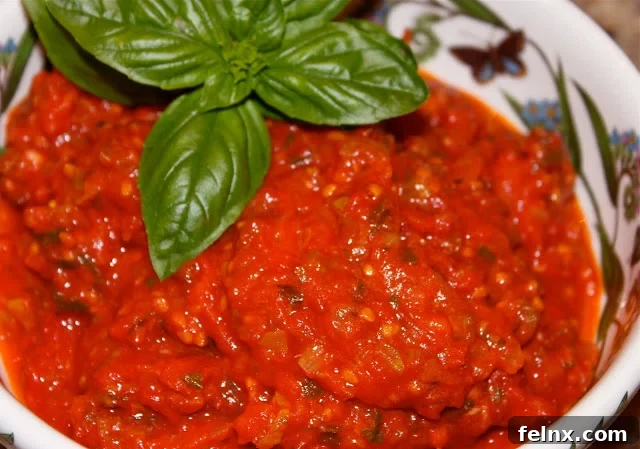
The original Hazan recipe calls for a 45-minute simmer. Depending on the water content of your specific tomatoes, you might find the result a bit thin, almost like a premium tomato juice. While a thin sauce has its place—it would certainly make an incredible base for a Bloody Mary—most pasta dishes require something with a bit more body.
To achieve that thick, hearty consistency that we love in a traditional marinara, don’t be afraid to deviate slightly and add high-quality tomato paste. This addition provides the necessary structure and intensifies the tomato flavor without requiring hours of extra reduction time. The result is a sauce that is still pure and simple but robust enough to stand up to heavy pasta shapes like rigatoni or pappardelle.
Choosing the Best Tomatoes
The absolute secret to any great marinara sauce is the quality of the tomatoes. If you have a garden, use your vine-ripened tomatoes at the peak of their season. If you don’t have a garden, visit your local farmers’ market. You want tomatoes that are heavy for their size, fragrant, and deep red all the way through.
If fresh tomatoes are out of season, the best substitute is imported canned Italian San Marzano tomatoes. These are grown in the volcanic soil near Mount Vesuvius, which gives them a unique sweetness and low acidity that is perfect for sauce-making. Avoid using standard “supermarket” fresh tomatoes in the winter, as they are often mealy and lack the sugar content needed for a successful sauce.
Recipe: Pure and Simple Fresh Marinara Sauce
No commercial jarred sauce can ever compete with the flavor of home-processed tomatoes. This labor of love is time-consuming but entirely worth it for the results you will achieve in your kitchen.
Ingredients
- 10 lbs Garden-Fresh Tomatoes: Use the best you can find. San Marzano varieties are ideal, but any ripe garden tomato will work.
- 1 Stick of Butter: Use high-quality unsalted butter for the best flavor control.
- 1 Onion: Peeled and sliced in half. This is used for infusion and will be removed later.
- 2 Tbsp Sea Salt: Freshly cracked sea salt enhances the natural flavors.
- 1 tsp Sugar: A tiny amount helps balance the acidity, especially if your tomatoes are very tart.
- 2 Cans (18 oz each) Tomato Paste: High-quality paste is essential for achieving the right thickness.
Step-by-Step Instructions
- Prepare the Water: Bring a large pot of water to a rolling boil. Simultaneously, prepare a large basin or pot of ice-cold water and place it nearby.
- Blanch the Tomatoes: Carefully drop the tomatoes into the boiling water. Watch for the skins to crack, which usually takes about 2 minutes.
- The Cold Shock: As soon as the skins crack, remove the tomatoes and immediately plunge them into the cold water to stop the cooking process.
- Skin and Stem: Once the tomatoes are cool enough to handle, peel away the skins. They should slip off easily. Remove the stems as well.
- Remove the Seeds: Use a food mill or a simple mesh strainer to push the tomatoes through, separating the juice and pulp from the seeds.
- Puree: Collect the pulp and juice. Use an immersion blender to puree everything until you have a smooth, consistent liquid.
- Start the Simmer: In a tall, heavy-bottomed pot, melt the stick of butter over low-medium heat. Pour in your tomato puree.
- Infuse Flavor: Add the two onion halves to the pot along with the salt and sugar.
- Cook Slowly: Simmer the sauce for 45 minutes. Tip: Place a pizza stone or heat diffuser under the pot to prevent the bottom from scorching.
- Final Adjustments: Remove and discard the onion halves. Stir in the tomato paste to thicken the sauce.
- Finish: Simmer for an additional 15 minutes. Taste your creation and adjust the salt if necessary.
Advanced Tips for the Perfect Sauce
The Role of the Onion
In this recipe, the onion is not chopped or sautéed. By simmering large halves in the sauce, you extract the sweet, aromatic essence of the onion without adding the texture of small pieces. This keeps the sauce “pure” and smooth. It’s a classic technique that provides a sophisticated background flavor.
Handling Acidity
The acidity of tomatoes can vary wildly depending on the variety and the soil they were grown in. If your sauce tastes too “sharp” after simmering, a tiny pinch more sugar can help. Alternatively, some chefs add a very small pinch of baking soda to neutralize the acid, though sugar is usually the preferred method for maintaining flavor balance.
Storage and Preservation
If you have made a large batch, you have two main options for storage. Freezing is the easiest method; simply let the sauce cool completely and store it in airtight containers or heavy-duty freezer bags. If you prefer canning, ensure you follow proper water-bath canning procedures, including the addition of lemon juice or citric acid to ensure the pH levels are safe for shelf-stable storage.
Serving Suggestions
This marinara is the ultimate “mother sauce.” Because it is so simple, it pairs beautifully with almost anything. Serve it over fresh spaghetti with a generous grating of Parmigiano-Reggiano. Use it as a dipping sauce for homemade breadsticks or as the base for a classic Margherita pizza. If you want to add more complexity later, you can always sauté some garlic and basil in a pan before adding this pre-made sauce.
For those who enjoy more texture, you might consider making a “Soffritto” base version. This involves sautéing finely diced onions, celery, and carrots in olive oil before adding your tomato puree. Both versions have their merits, but the pure butter-and-tomato version remains a masterpiece of minimalist cooking.
More Fresh Tomato Inspiration
If you find yourself with even more tomatoes after making this sauce, don’t stop there. Summer tomatoes are a fleeting gift, and there are many ways to enjoy them. Consider a cold Gazpacho for those hot afternoons when you don’t want to turn on the stove.
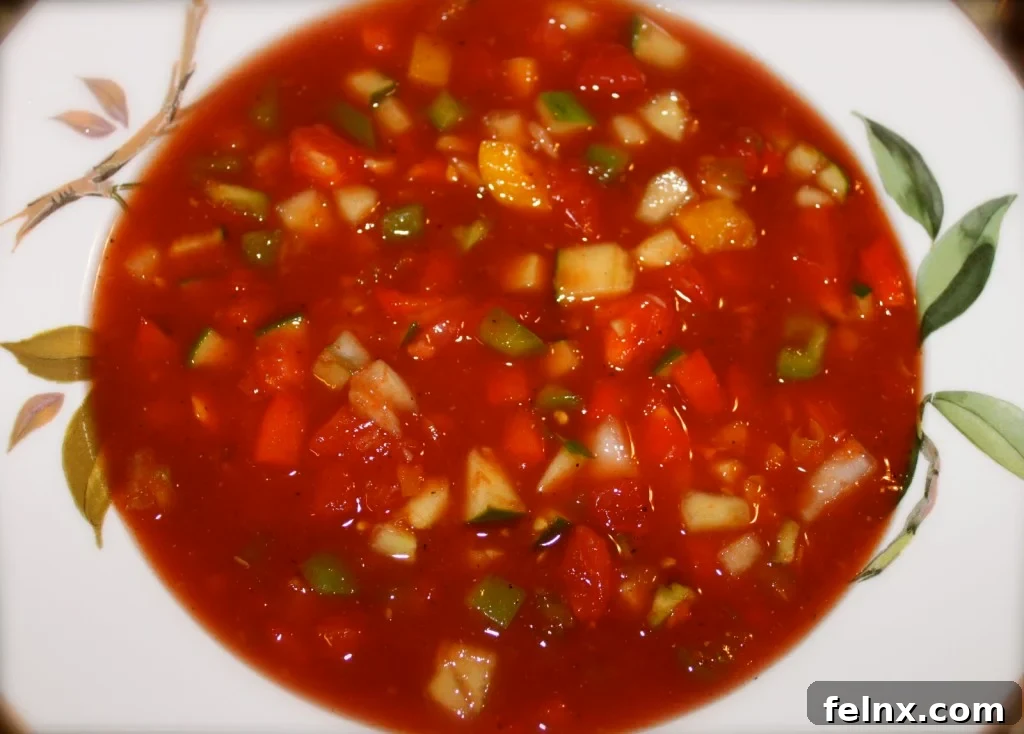
Alternatively, a rich Tomato Basil Bisque is the perfect comfort food for the transition into autumn. These recipes all share one common thread: they celebrate the vibrant, unmistakable flavor of a garden-grown tomato.
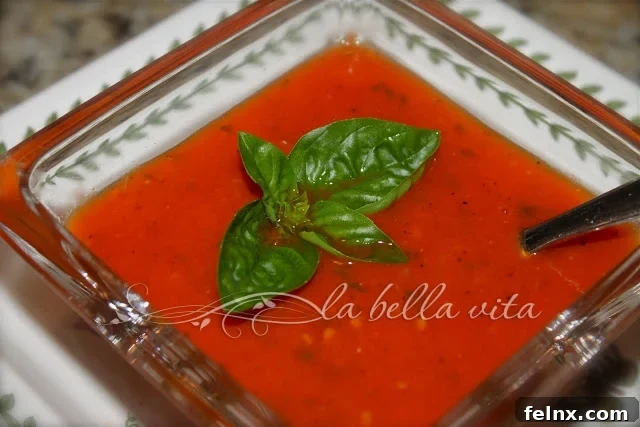
By mastering the art of the simple marinara, you are not just making a meal; you are preserving the essence of summer. Whether it’s spread over pasta, layered in a lasagna, or enjoyed simply with a piece of crusty bread, this sauce is a testament to the fact that sometimes, less truly is more.
Did you make this recipe?
I would love to see how your sauce turned out! Please leave a comment below or share your photos on Instagram. Tag your posts with #ItalianBellaVita so I can see your beautiful home-cooked meals!