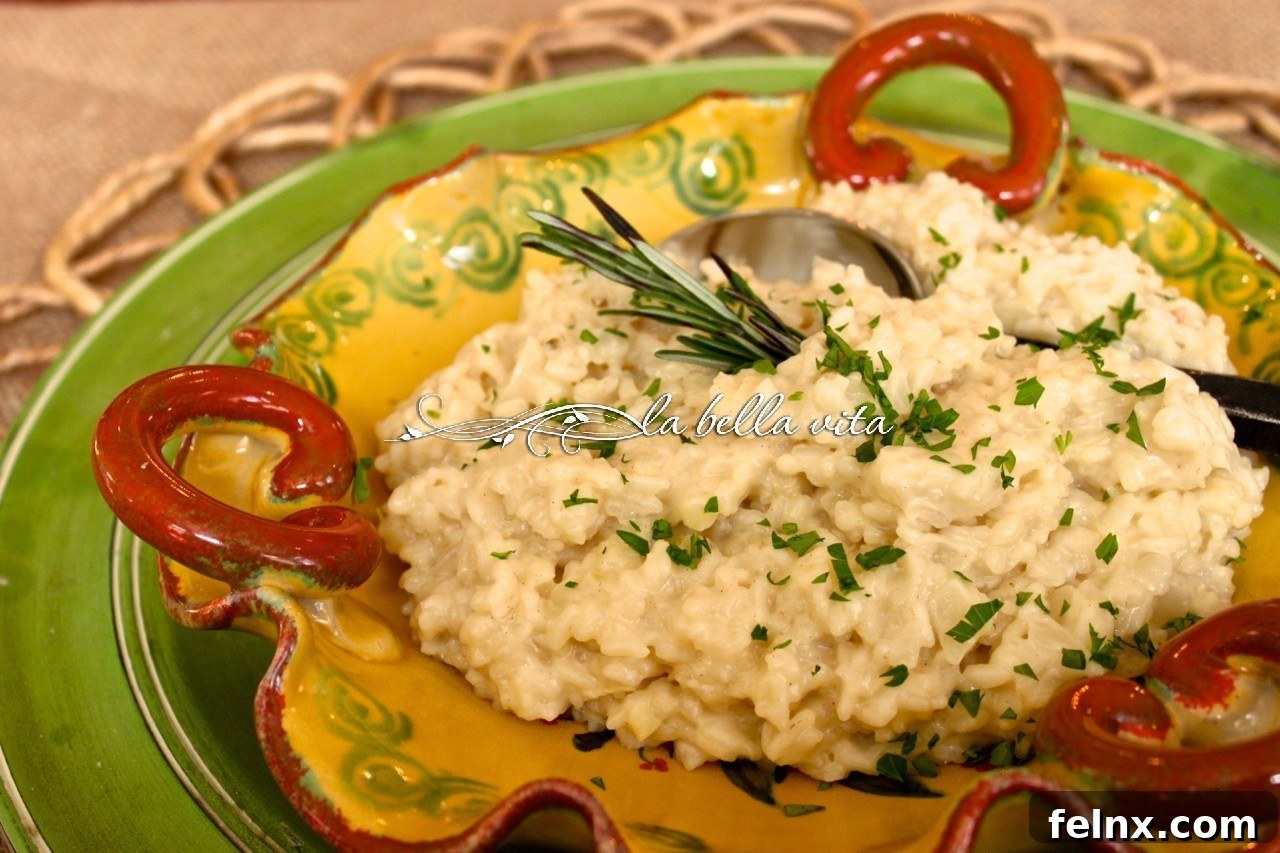
The Timeless Elegance of Classic Italian Risotto in Bianco: A Journey from Carolina Gold to the Italian Table
For more than half of the global population, the humble grain of rice is not merely a side dish; it is the essence of life itself. Across various continents and centuries, rice has served as a primary source of nutrition, a symbol of prosperity, and a centerpiece in sacred ceremonies. In many cultures, rice is frequently presented during grand feasts and spiritual offerings, often earning the reverent title of “the food of the gods.” While many contemporary diners might view rice as a simple commodity, its history and the techniques used to prepare it—such as the legendary Italian risotto—reveal a story of migration, craftsmanship, and culinary excellence.
The Surprising History of Rice in America
There is a common misconception among many Americans that the rice consumed in the United States is primarily imported from distant lands like India, Thailand, or Italy. While those nations are indeed giants in the global rice market, few realize that the early economic foundations of the United States were built upon the cultivation of rice, particularly in the coastal regions of South Carolina. During the colonial era and the early days of the republic, rice was a “cash crop” that generated immense wealth, often referred to as the “Golden Seed.”
However, this prosperity had a somber origin. The cultivation of rice in the swampy lowlands was incredibly labor-intensive. It was the knowledge and expertise of enslaved Africans that turned South Carolina into a global rice powerhouse. These individuals brought with them generations of wisdom regarding rice cultivation from West Africa, adapting their techniques to the American landscape. Today, the legacy of that expertise continues; with the advent of modern machinery, the United States has become the second-largest exporter of rice in the world, following only Thailand.
The Legend of Carolina Gold Rice
Among the varieties grown in the American South, none is more prestigious than “Carolina Gold.” This long-grain rice is celebrated for its unique starch properties and its delicate, nutty flavor. After nearly disappearing from the market in the 20th century, Carolina Gold has seen a magnificent resurgence. Today, it is a prized ingredient sought after by top chefs, local natives, and discerning consumers worldwide. Because of its high quality and artisanal production, it is often difficult to find, frequently selling out as soon as it becomes available.
While traditional Italian risotto is typically made with medium-grain rice like Arborio, Carnaroli, or Vialone Nano, the exceptional quality of Carolina Gold makes it a perfect candidate for a superior risotto. Its ability to maintain a firm texture while releasing just enough starch to create a creamy sauce is what links the heritage of South Carolina to the kitchens of Northern Italy.

The golden stalks of rice produce the legendary “Carolina Gold” rice of South Carolina.
Understanding Risotto in the Italian Tradition
In Italy, the structure of a meal is an art form. The first course, known as “i primi,” is a mandatory highlight of any traditional lunch or dinner. If a pasta dish is not the star of the primi, then a soul-warming risotto or a hearty soup will certainly take its place. Many of these iconic dishes have humble origins, rooted in the “cucina povera” (peasant cooking) of rural Italy. Over a century ago, risotto was a staple for the working class because it was affordable and filling. Today, however, it has evolved into a sophisticated dish that graces the menus of Michelin-starred restaurants.
The beauty of risotto lies in its versatility. While you can find variations featuring expensive saffron, earthy truffles, or fresh seafood, the most fundamental version is Risotto in Bianco (White Risotto). This dish represents “total delicious restraint.” It relies on the quality of the rice, the richness of the butter, and the sharp tang of Parmigiano-Reggiano to create a flavor profile that is both simple and deeply satisfying.
Classic Italian Risotto in Bianco Recipe
This recipe brings together the best of both worlds: traditional Italian technique and the finest local rice varieties. Whether you use Italian Arborio or American Carolina Gold, the result is a creamy, elegant dish that celebrates the purity of the grain.
Ingredients
- 2 Tbsp. Butter: For the initial sauté.
- 1 Medium Onion: Finely minced to provide a sweet flavor base.
- 1 Large Clove Garlic: Minced (ensure it does not brown).
- 2 Cups Rice: Arborio or Carolina Gold rice are highly recommended.
- 7 Cups Chicken Broth: Homemade broth provides the best depth of flavor.
- 1/3 Cup Dry White Wine: To add acidity and brightness.
- Sea Salt and Black Pepper: Freshly cracked, to taste.
- 2/3 Cup Heavy Cream: For a luxurious, velvety finish.
- 2 Tbsp. Butter: To be added at the end for the “mantecatura” process.
- 2 Cups Parmigiano-Reggiano: Freshly grated for authentic taste.
- Garnish: Minced Italian parsley, chives, or rosemary.
Step-by-Step Instructions
- Sauté the Aromatics: In a large frying pan or a heavy-bottomed pot over medium heat, melt the first two tablespoons of butter. Add the minced onions and sauté for 6 to 8 minutes. It is crucial to let them become translucent without browning, as we want to maintain the “bianco” (white) color of the dish.
- Add Garlic: Stir in the minced garlic and sauté for an additional 2 minutes. Keep the heat controlled so the garlic releases its fragrance without burning.
- Toast the Rice: Using a wooden spoon, add the rice to the onion and garlic mixture. Stir constantly for about 3 to 4 minutes. This “toasting” step helps the rice grains maintain their structural integrity and adds a subtle nutty aroma.
- Deglaze: Pour in the white wine. Continue stirring until the liquid is completely absorbed by the rice.
- The Broth Process: This is the most important part of making risotto. Begin adding the chicken broth one cup at a time. After adding a cup, stir continuously. The movement of the rice against the pan is what releases the starches, creating the signature creaminess.
- Absorption: Wait until each cup of broth is fully absorbed before adding the next. Repeat this process until all 7 cups have been incorporated. This usually takes about 18 to 22 minutes.
- The Finish (Mantecatura): Once the rice is cooked but still has a slight “bite” (al dente), stir in the heavy cream and the remaining 2 tablespoons of butter. This creates a silkier texture.
- Cheese Incorporation: Add the freshly grated Parmigiano-Reggiano. Stir vigorously to incorporate the cheese as it melts into the rice.
- Seasoning: Taste the risotto. Add freshly cracked sea salt and black pepper as needed. The flavors of the broth and cheese will dictate how much extra salt you require.
- Rest and Serve: Remove from heat and let the risotto rest for about 2 minutes. This allows the flavors to meld and the rice to reach its final, perfect consistency. Serve immediately on heated plates.
- Garnish: Top with your choice of minced herbs and offer extra Parmigiano-Reggiano to your guests.
Pro Tips for the Perfect Risotto
The hallmark of a great risotto is its texture. It should never be mushy or overcooked. In Italy, the ideal consistency is often described as “all’onda” (like a wave)—meaning that when you move the plate, the risotto should ripple smoothly. It should be creamy enough to flow slightly on the plate but firm enough to hold its shape on a spoon. If you find the mixture becoming too dry, simply add a splash more broth or cream before serving.
The Philosophy of Simple Cooking
In a world filled with complex recipes and over-the-top culinary trends, the Risotto in Bianco stands as a reminder that simplicity is often the ultimate sophistication. By focusing on high-quality ingredients like Carolina Gold rice and authentic Parmigiano-Reggiano, you create a dish that is greater than the sum of its parts. This meal is not just about sustenance; it is about the patience required to stir the pot, the history of the grains, and the joy of sharing a classic dish with loved ones. Enjoy this timeless Italian tradition in your own home!
Enjoy this recipe for Classic Italian Risotto in Bianco!
Whether it’s a quiet weeknight dinner or a festive first course, this dish never fails to impress with its creamy texture and rich, comforting flavors.