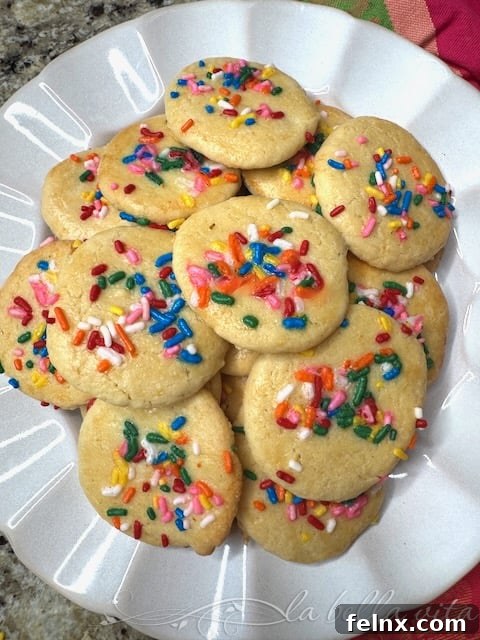
Celebrate the Magic of La Befana and Epiphany in Italy: Traditions, Legends, and the Ultimate Befanini Cookie Recipe
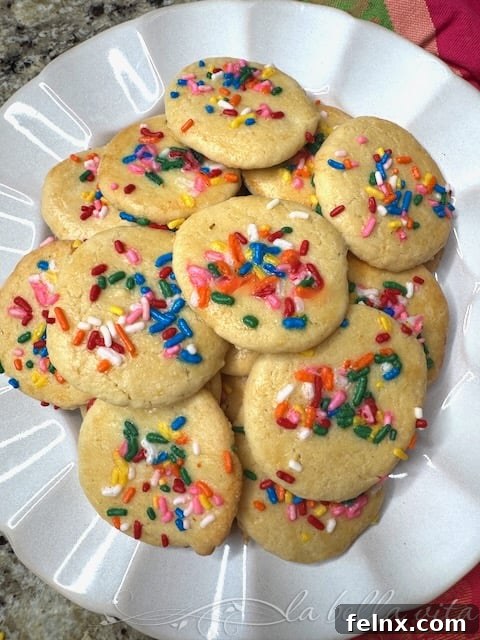
In Italy, the festive spirit of Christmas does not conclude on December 25th. Instead, the holiday season stretches through a magical period known as the Twelve Days of Christmas, culminating in a grand national holiday on January 6th: the Feast of the Epiphany. This day is marked by deep spiritual significance and the arrival of one of Italy’s most beloved folklore figures, La Befana. While children in many parts of the world have already returned to their daily routines, Italian families are often just reaching the peak of their celebrations.
The Epiphany, or Epifania in Italian, is a Christian holiday that commemorates the visit of the three Magi—the Wise Men or Three Kings—to the baby Jesus in Bethlehem. According to tradition, they traveled from the East, guided by a miraculous star, to deliver symbolic gifts of gold, frankincense, and myrrh. In Italy, this event is beautifully intertwined with the legend of an old woman who flies through the night sky on a broomstick, delivering treats to children. This blending of religious history and local folklore makes the Italian January 6th celebration truly unique.
Who is La Befana? The Legendary Christmas Witch of Italy
To those unfamiliar with Italian culture, La Befana might look like a typical Halloween witch. She is often depicted as an elderly woman with white hair, dressed in tattered, soot-stained clothes and a dark shawl. However, her role is entirely benevolent. Unlike the scary witches of Western fairy tales, La Befana is a generous and maternal figure, much like a female counterpart to Santa Claus (known in Italy as Babbo Natale).
On the night of January 5th, Italian children excitedly hang large stockings (calze) by the fireplace or near windows. They wait with bated breath for the “Old Crone” to fly over the rooftops on her worn-out broom. According to legend, she enters homes through the chimney and fills the stockings of well-behaved children with candy, toys, and small presents. For those who have been naughty, she leaves a lump of charcoal (carbone). In modern times, this “coal” is actually a dark, rock-like sugar candy that is quite delicious, though it still serves as a playful reminder to stay on the “nice list” for next year.
The name “Befana” is a corruption of the word Epifania. Over centuries, the pronunciation shifted from the Greek-derived religious term to the folkloric name we know today. While Babbo Natale has gained popularity in Italy in recent decades, many families still consider La Befana the primary gift-giver of the season. For her, children don’t leave out milk and cookies; instead, they leave a glass of regional wine and a few traditional cookies, such as Befanini, to help her fuel her long journey.
The Ancient Origins and Spiritual Legend of La Befana
The origins of La Befana are a fascinating mix of Roman history and Christian folklore. Some historians trace her roots back to the Roman festival of Saturnalia, where an old woman often represented the “old year” being passed to make way for the new. Others connect her to the Roman goddess Strenia, who presided over New Year’s gifts.
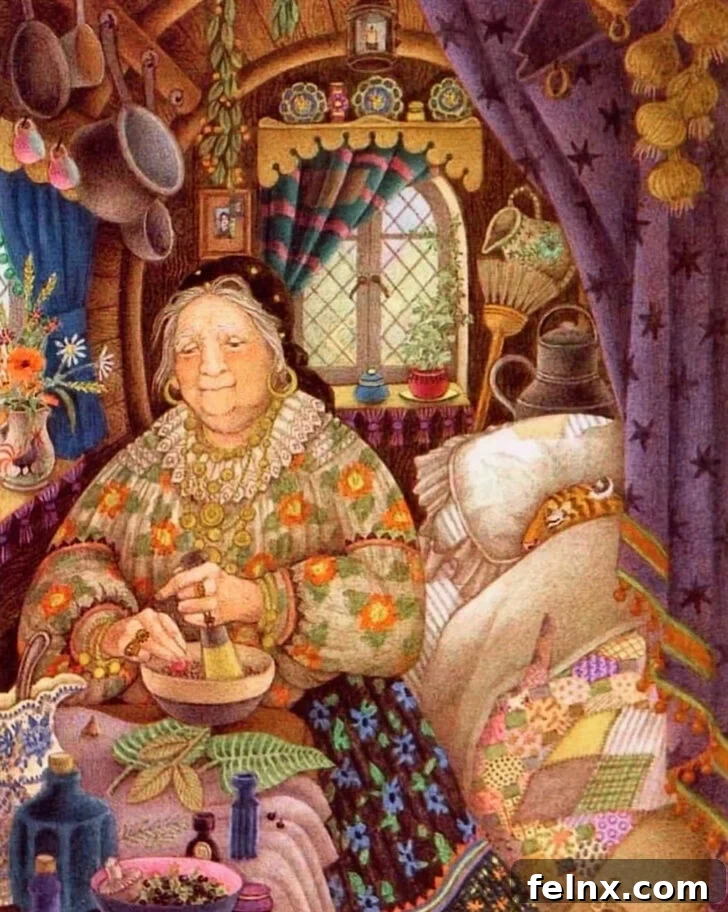
The image of the wise old woman has deep roots in Italian folklore and history.
The most famous Christian legend regarding La Befana is a poignant story of missed opportunity and redemption. As the story goes, the Three Wise Men were traveling to Bethlehem to bring gifts to the newborn King. They stopped at a small cottage in a rugged Italian village to ask for directions. The cottage belonged to an old woman known for her obsessive cleanliness. She was kind to the travelers and offered them food and shelter for the night.
The Magi invited her to join them on their journey to see the Christ child. However, the woman declined, explaining that she had too much housework to do and needed to finish sweeping her floors. After the Wise Men left, she felt a sudden pang of regret. She realized she had missed a chance to witness something divine. She quickly gathered some sweets and gifts, tied them to the end of her broom, and ran out to find the Kings. Sadly, she could not find the Magi or the star, and she never reached the stable in Bethlehem.
According to the legend, she has been flying on her broom ever since, searching every home in hopes of finding the baby Jesus. Because she believes the spirit of Christ lives within every child, she leaves her gifts in every house she visits. This is why she is always depicted with a broom—it is both her mode of transportation and a symbol of the domestic life she chose over the spiritual journey so long ago.
Traditional Festivities: How Italy Celebrates January 6th
January 6th is a day of vibrant celebrations throughout the Italian peninsula. In Rome, the Piazza Navona becomes the center of the Befana universe, with massive markets, games, and street performers. In Venice, rowers dressed as the old witch compete in the “Regatta delle Befane” along the Grand Canal. Almost every town has a parade or a festival where someone dresses as La Befana to hand out treats to local children.
One of the most essential parts of the holiday is the food. Families gather for a large lunch to mark the end of the Christmas season. The star of the dessert table is almost always the Befanini cookie. These cookies are a staple of the Epiphany feast, particularly in the Tuscany region. They are bright, colorful, and full of citrus flavor—a perfect way to welcome the light of the new year.
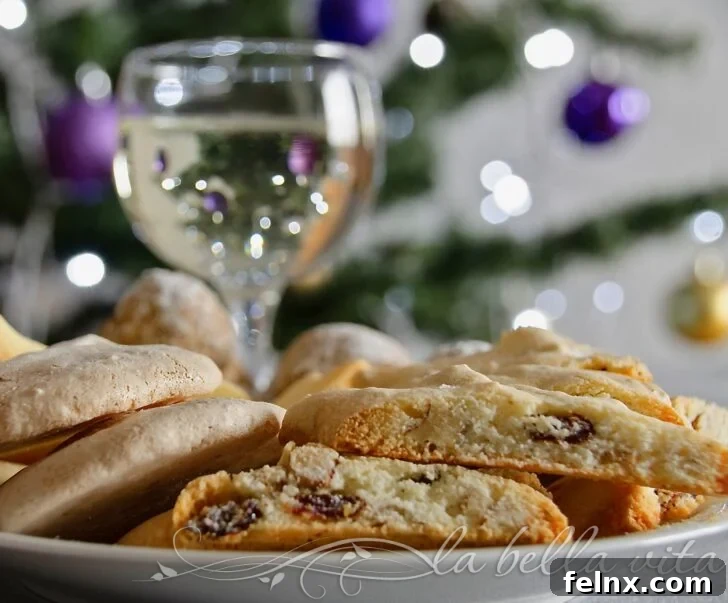
Befanini are traditional Tuscan sugar cookies that are typically cut into festive shapes like stars, hearts, or animals. They are characterized by a light glaze and a generous coating of colorful sprinkles. They are thin, crispy, and infused with the zest of lemon or orange, making them an irresistible treat for both kids and adults.
Other Italian Cookies to Brighten Your Holiday Season
If you love Italian baking, the Epiphany is the perfect time to explore other traditional recipes. Italian cookies are famous for using simple, high-quality ingredients like ricotta, citrus, and nuts.
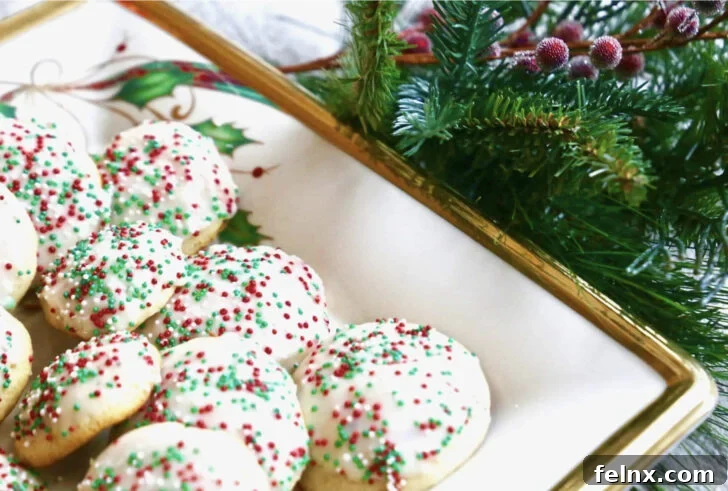
Classic Italian Ricotta Cookies
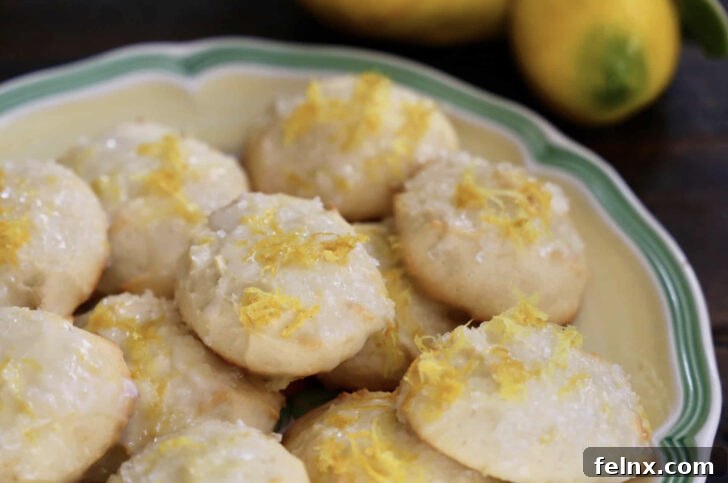
Zesty Lemon Ricotta Cookies with Glaze
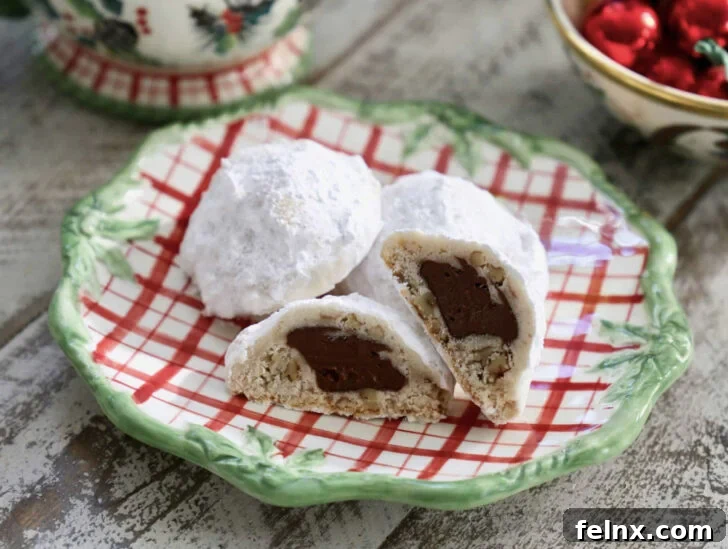
Indulgent Nutella Stuffed Snowball Cookies
Befanini: Authentic La Befana Italian Cookies
Befanini are sweet, citrus-scented sugar cookies traditionally baked on the eve of Epiphany. These thin, crunchy delights are a favorite among Italian children and are perfect for involving the whole family in the baking process. Best enjoyed fresh on January 6th with a cup of coffee or a glass of sweet wine.
Ingredients
- Dough:
- 2 cups Flour (Italian 00 preferred, or a 50/50 mix of all-purpose and pastry flour)
- 1 cup Granulated Sugar
- 1 tsp Baking Powder
- A pinch of Salt
- 8 oz Cold Butter (cubed)
- 1 Large Egg
- Zest of 1 Lemon or Orange
- 1 tsp Vanilla Extract
- 1 tsp Rum or fresh citrus juice (optional for flavor)
- For Decorating:
- 1 Large Egg (for glaze)
- 1 cup Powdered Sugar (for icing option)
- 2 tsp Whole Milk (for icing option)
- Multi-colored nonpareil sprinkles
Step-by-Step Instructions
1. Prepare the Dough
In a food processor, combine the flour, sugar, baking powder, and salt. Pulse until the mixture is well-blended. Add the cold cubed butter and pulse until the mixture resembles coarse crumbs. Add the egg, citrus zest, vanilla, and rum (if using). Pulse until the dough just begins to clump together.
2. Chill the Dough
Turn the dough out onto a clean surface and form it into a ball with your hands. Wrap it tightly in plastic wrap and refrigerate for at least one hour. This step is crucial to ensure the cookies hold their shape during baking.
3. Roll and Cut
Preheat your oven to 350°F (175°C) and line baking sheets with parchment paper. On a lightly floured surface, roll the dough out to about 1/4 inch thickness. Use your favorite cookie cutters to create festive shapes. Place the cookies on the prepared sheets, leaving about half an inch of space between them.
4. Choose Your Topping (Glaze or Icing)
Option A (Glaze – Before Baking): Lightly whisk an egg yolk with a splash of milk. Brush the tops of the unbaked cookies with this mixture and add sprinkles immediately. Bake as directed.
Option B (Icing – After Baking): Whisk together powdered sugar, milk, and a dash of vanilla until smooth. Once the cookies are baked and fully cooled, dip the tops into the icing and add sprinkles.
5. Bake to Perfection
Bake for 8 to 10 minutes, or until the cookies are slightly puffy and just turning a very light golden color at the edges. Do not overbake; they should remain pale. Let them cool on the sheet for a few minutes before moving them to a wire rack.
Baker’s Notes
- Storage: Keep cookies in an airtight container for up to 5 days. Layer them with parchment paper to prevent the icing from sticking.
- Freezing: The baked cookies can be frozen for up to 3 months.
- Authenticity: For the most traditional taste, use high-quality butter and fresh citrus zest.
Conclusion: The Spirit of the Epiphany
The story of La Befana reminds us that it is never too late to show kindness and generosity. Whether you are celebrating your Italian heritage or simply looking for a new holiday tradition, baking Befanini cookies is a wonderful way to bring the magic of the Epiphany into your home. As the Italians say on January 6th: “L’Epifania tutte le feste porta via”—the Epiphany takes all the holidays away. It is the final, sweet goodbye to the Christmas season, ending it on a note of joy, mystery, and delicious treats.
If you enjoyed this recipe, please share it with your friends and family! Happy Epiphany!