The Ultimate Guide: 7 Proven Ways to Create a Spectacular Charcuterie Board
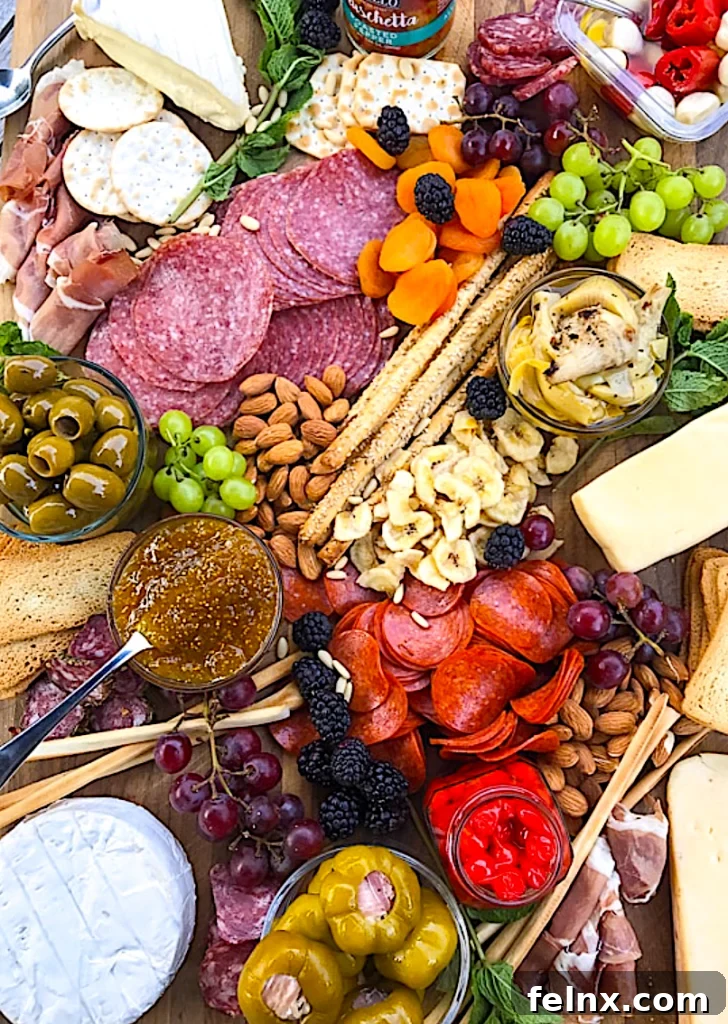
Entertaining guests doesn’t have to be a stressful or complicated ordeal. When it comes to hosting a memorable gathering, few things are as universally loved and visually impressive as a well-crafted charcuterie and cheese board. Whether you are planning a cozy family dinner or a large holiday bash, a thoughtfully arranged platter serves as both a delicious appetizer and a stunning centerpiece. For many families, an Italian-style antipasti spread is more than just food; it is a tradition that brings people together through shared flavors and conversation.
While the word “charcuterie” might sound fancy or intimidating, the concept is actually quite simple. At its core, it is about variety, quality ingredients, and creative arrangement. There is no rigid science or secret formula to building a perfect board. Instead, it is an opportunity to express your culinary creativity and cater to the diverse palates of your guests. By following a few simple steps, you can transform a basic tray of meats and cheeses into the “ultimate” dining experience.
Why Charcuterie is the Perfect Entertaining Solution
One of the biggest advantages of serving a charcuterie board is its versatility. You can customize the ingredients based on the season, the occasion, or the dietary preferences of your group. It requires minimal cooking—often no cooking at all—and most of the preparation can be done in advance. This allows the host to spend less time in the kitchen and more time enjoying the company of their friends and family.
A great board focuses on the balance of flavors: salty, sweet, tangy, and savory. It also plays with textures, combining crunchy nuts with creamy cheeses and chewy cured meats. When you master these elements, you create a “secret sauce” for entertaining that works every single time.
Step 1: Choose Your Foundation – The Right Board
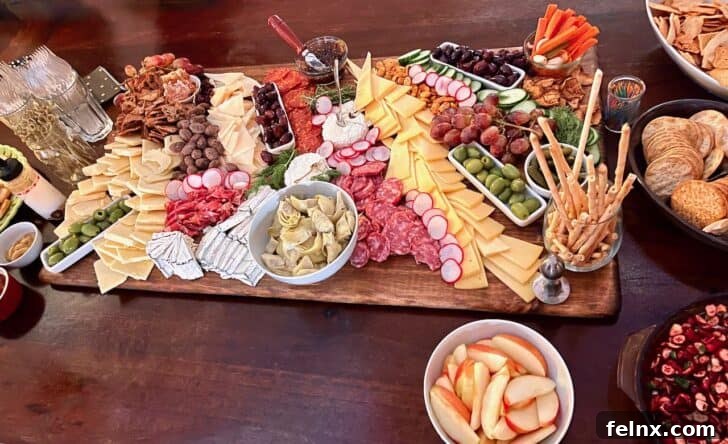
The first step in your charcuterie journey is selecting the right base. The physical board or platter you choose sets the tone for the entire presentation. Depending on the size of your group and the vibe of your event, you might choose one large board or several smaller ones to create different “stations” around the room.
Popular Base Options:
- Wooden Boards: Large cutting boards or specialized acacia wood trays offer a rustic, warm aesthetic that is perfect for traditional Italian spreads.
- Marble Slabs: These are excellent for keeping cheeses cool and provide a sleek, modern look.
- Slate Boards: A dark slate background makes the colors of the meat and fruit pop. Plus, you can write the names of the cheeses directly on the slate with chalk.
- Ceramic Platters: Use your favorite china or colorful ceramic dishes for a more formal or eclectic feel.
Step 2: Select the Heart of the Board – Cured Meats
In a traditional charcuterie board, the meats are the star of the show. Italian “salumi” or cured meats provide the savory foundation that everything else builds upon. Aim for a mix of textures and spice levels to keep things interesting.
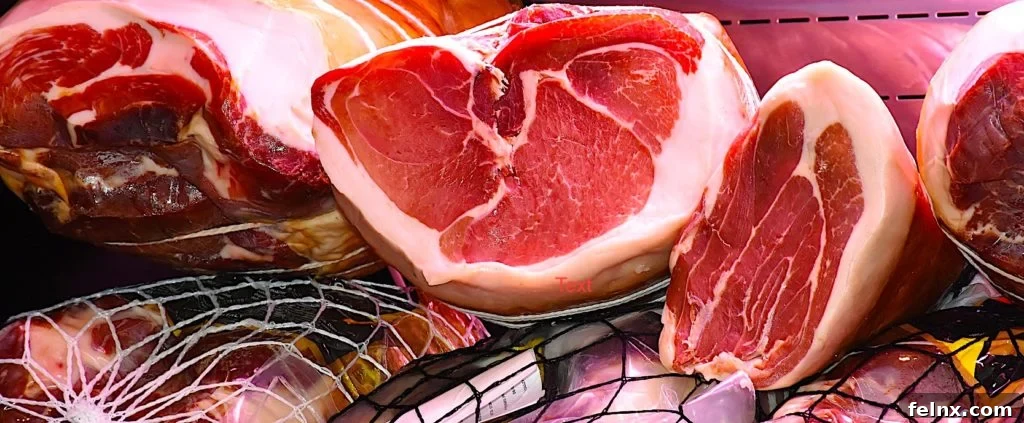
Try to include at least three or four of the following classics:
- Genoa Salami: A mild, classic choice that everyone loves.
- Prosciutto: Thinly sliced, salty, and delicate. Try folding it into ribbons for a beautiful look.
- Sopressata: An Italian dry salami that can be found in sweet or spicy varieties.
- Cappicola: Known for its rich flavor and tender texture.
- Pepperoni: A familiar favorite that adds a bit of zing and color.
Step 3: Add the Soul – A Variety of Cheeses
Cheese is often what guests look forward to the most. To create a well-balanced board, you should offer a selection of different milk types (cow, goat, sheep) and varying degrees of hardness. This ensures that there is something for everyone, from the adventurous eater to the picky guest.
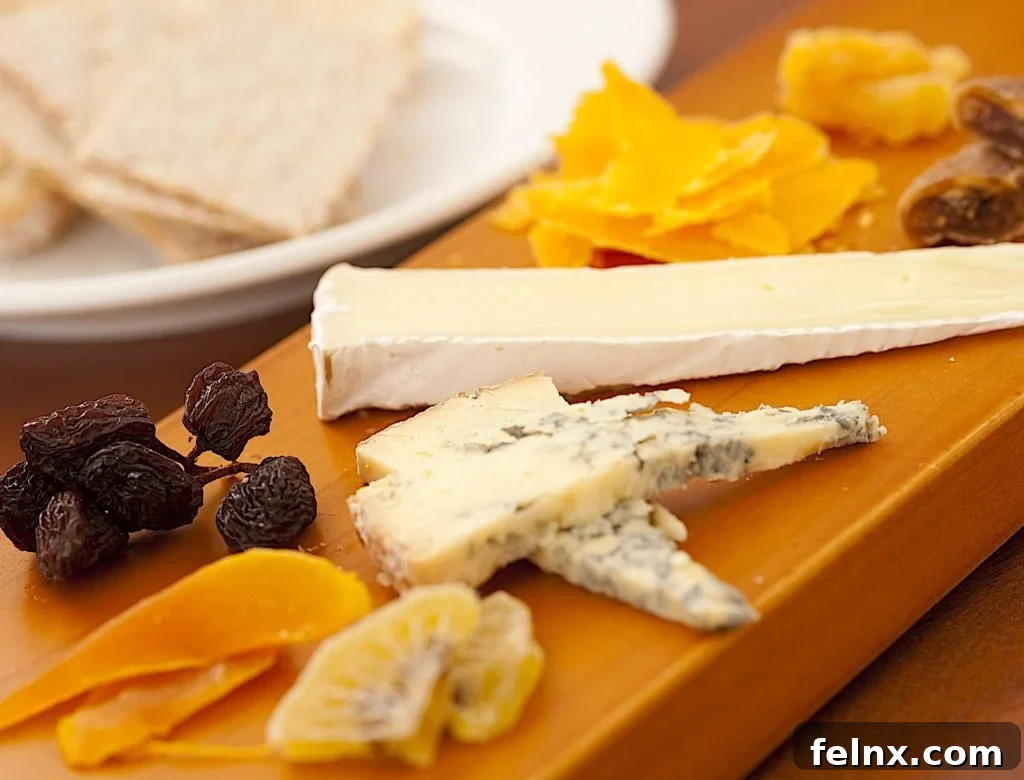
Recommended Cheeses:
- Hard Cheeses: Parmesan (Parmigiano-Reggiano), Pecorino, or aged Asiago provide a sharp, salty punch.
- Semi-Soft Cheeses: Fontina and Provolone are versatile and pair well with almost any meat.
- Soft Cheeses: Fresh buffalo Mozzarella or a creamy Gorgonzola add a rich, luxurious texture.
- Goat Cheese: Often rolled in herbs or fruit for extra flavor and visual appeal.
Step 4: Incorporate Briny Accents – Olives and Vegetables
The “antipasto” element of your board comes from marinated vegetables and olives. These items provide a necessary acidity that cuts through the richness of the fats in the meat and cheese. They also add vibrant colors—reds, greens, and yellows—that make the board look professional.
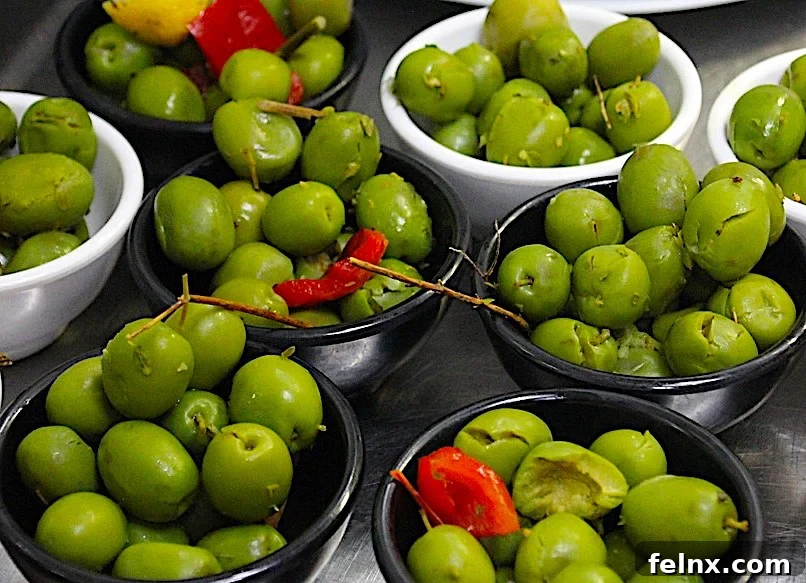
Essential additions include:
- Olives: Castelvetrano olives (bright green and buttery) and classic black olives.
- Roasted Red Peppers: These add a smoky sweetness and a splash of bright red color.
- Artichoke Hearts: Marinated in oil and herbs, they are a staple of Italian platters.
- Giardiniera: A mix of pickled carrots, cauliflower, and celery for a satisfying crunch.
- Small Veggies: Cherry tomatoes (especially San Marzano) and crisp celery sticks.
Step 5: Introduce Sweetness – Fruits and Jams
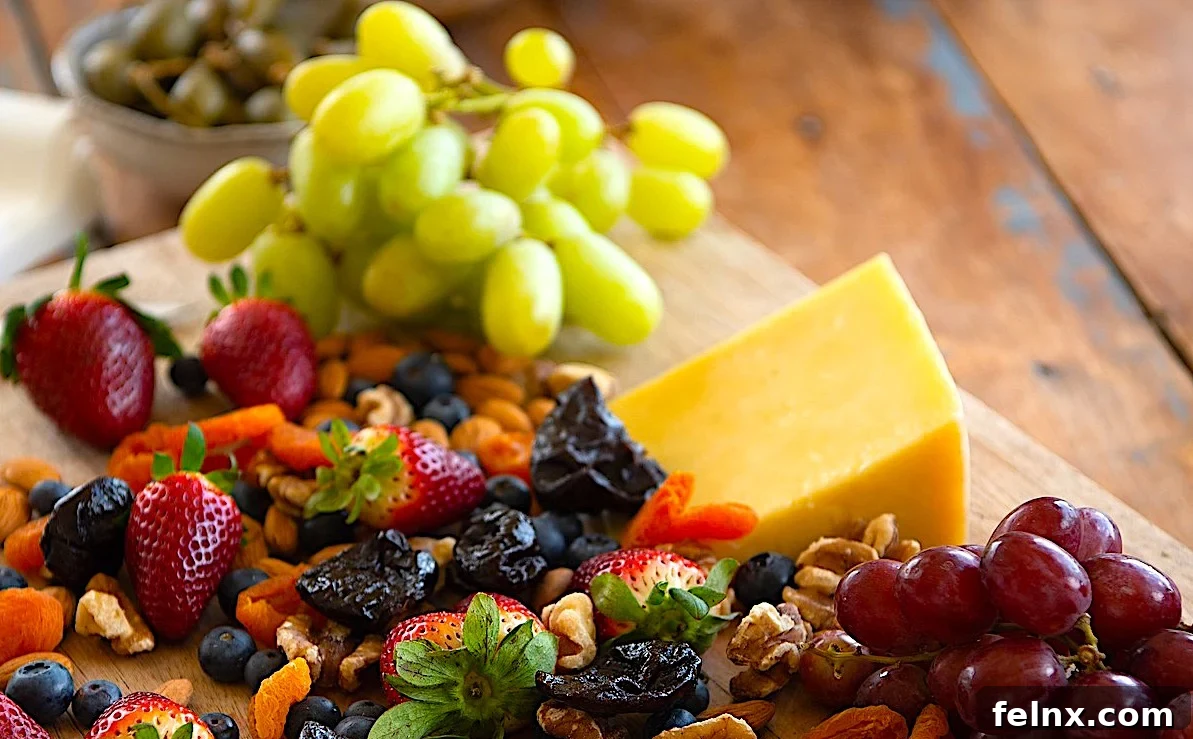
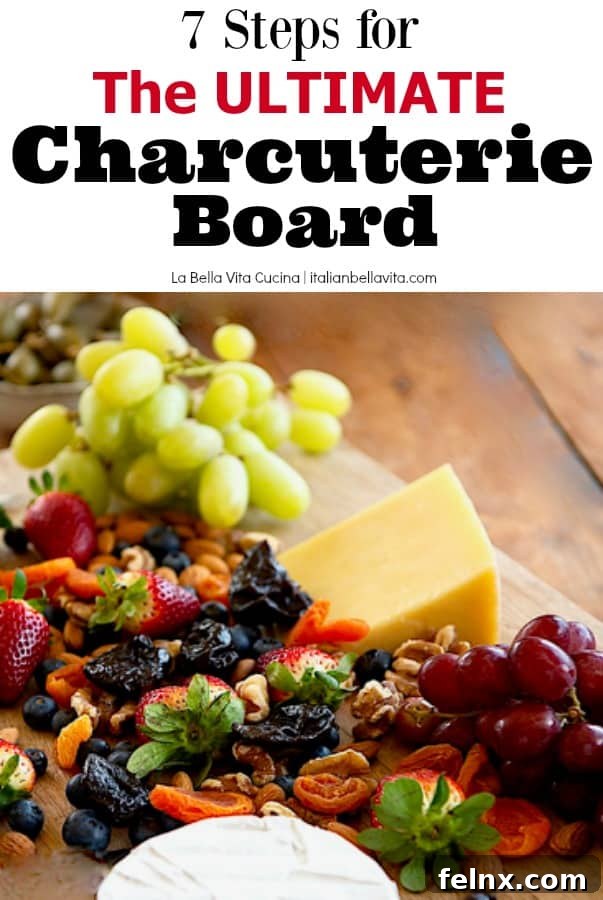
To truly elevate your charcuterie board to “ultimate” status, you must include sweet components. Sweetness balances the salt of the meats and the tang of the cheeses, creating a full-spectrum flavor profile. Fresh and dried fruits are the most common additions, but don’t overlook spreads.
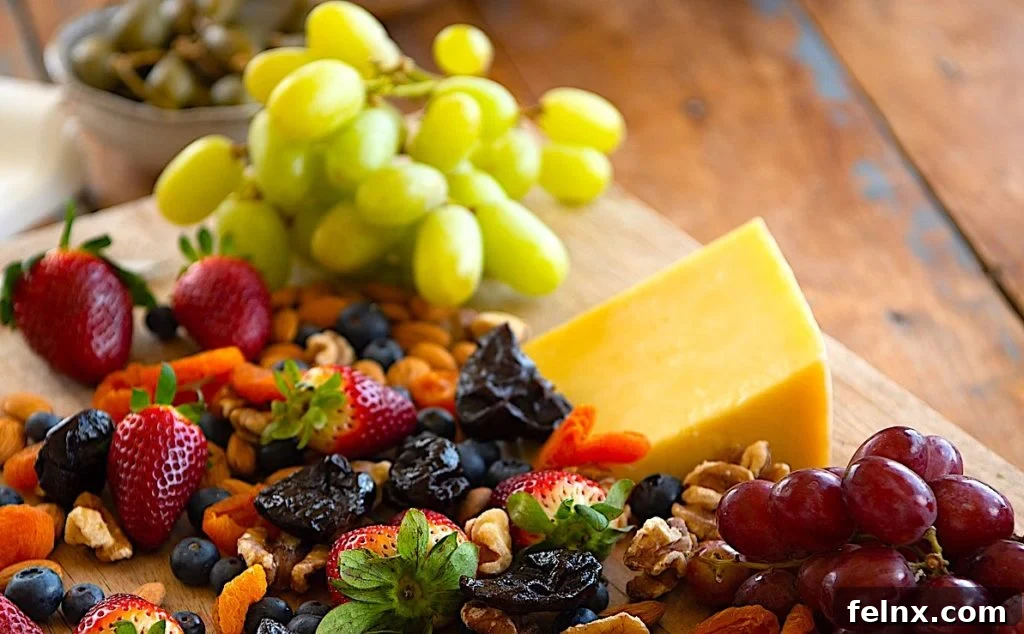
- Fresh Fruit: Grapes, berries, and slices of cantaloupe or honeydew melon.
- Dried Fruit: Apricots, cranberries, and figs offer a chewy texture and concentrated sweetness.
- Spreads: Fig jam, honey, and red pepper jelly are excellent for drizzling over soft cheeses.
- Indulgence: Pieces of dark chocolate broken into small bites can be a delightful surprise for your guests.
Step 6: Add Crunch and Texture – The Power of Nuts
Nuts are often the unsung heroes of a charcuterie board. They fill in the small gaps between the larger items and provide a healthy, crunchy snack that guests can nibble on throughout the event. They are easy to prepare and bring an earthy depth to the platter.
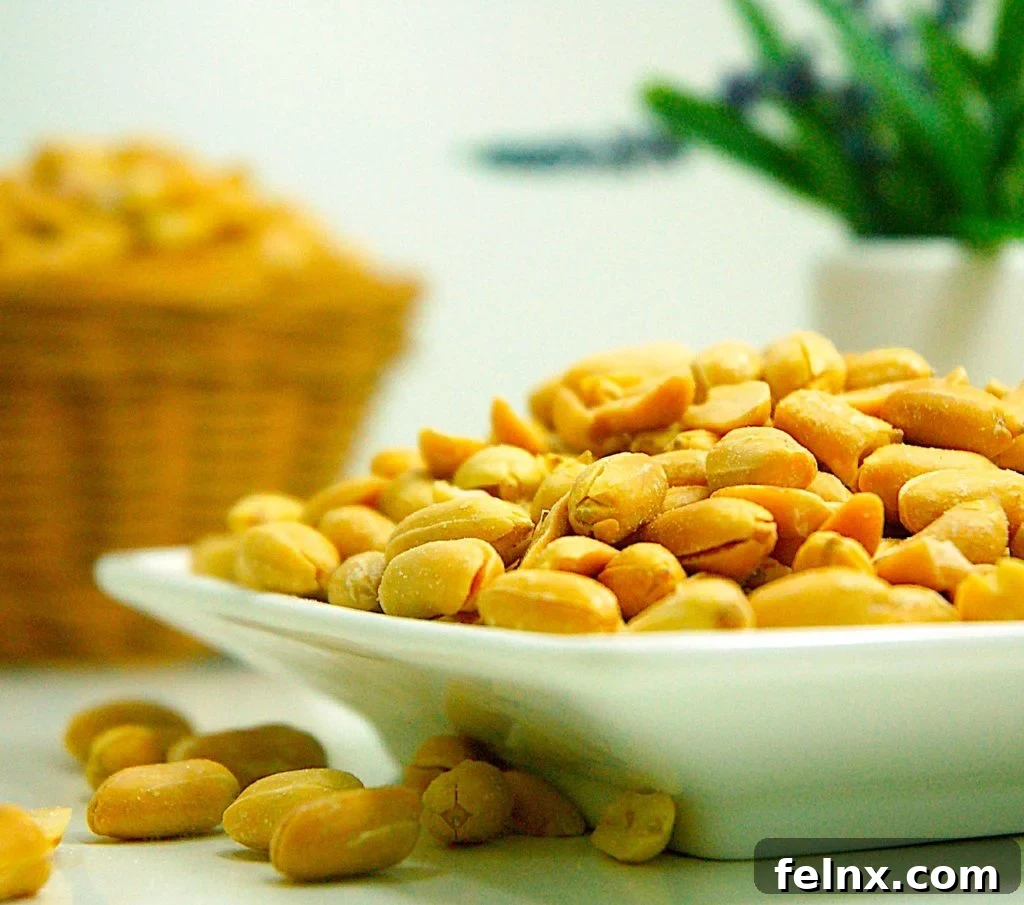
Consider using a variety of nuts such as:
- Almonds: Marcona almonds are a particularly high-end choice.
- Pistachios: Their green hue adds a nice color contrast.
- Italian Pignoli: Pine nuts offer a soft crunch and a unique flavor.
- Walnuts or Pecans: Perfect for pairing with blue cheeses or honey.
Step 7: The Final Carriers – Artisan Breads and Crackers
Finally, you need a “vehicle” for all those delicious meats and cheeses. While the crackers and bread might seem like an afterthought, they are essential for creating the perfect bite. Variety is key here as well; provide different shapes, sizes, and grains.
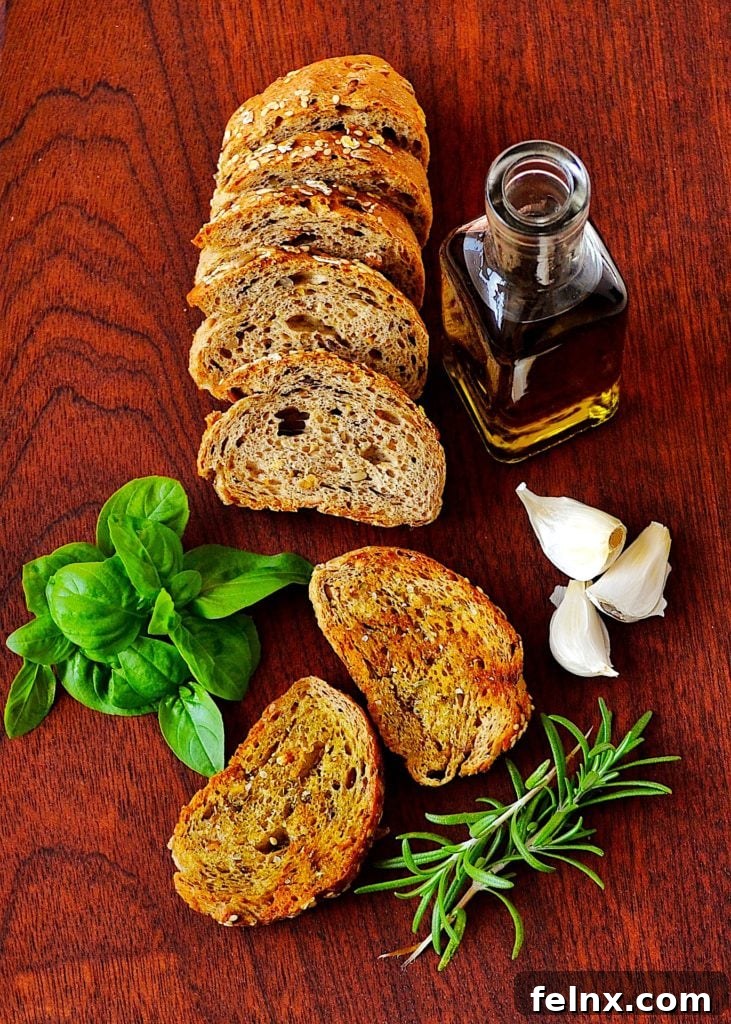
- Crusty Artisan Bread: Sliced into thin rounds or torn into rustic cubes.
- Focaccia: An Italian classic seasoned with rosemary and olive oil.
- Breadsticks (Grissini): These add height to the board and are fun to wrap with prosciutto.
- Crackers: Choose a mix of water crackers, whole grain crackers, and herb-infused varieties.
Expert Tips for a Professional Presentation
Creating the “Ultimate” board isn’t just about what you put on it, but how you arrange it. Start by placing any small bowls (for olives, jams, or mustard) on the board first to create anchor points. Then, place your cheeses and meats. Fill the larger spaces with bread and fruit, and use the nuts and smaller berries to fill in the tiny gaps until no part of the board is visible.
For the finishing touch, garnish with fresh herbs. Sprigs of rosemary, sprigs of thyme, or fresh basil leaves add a beautiful aroma and a pop of fresh green color that makes the board look like it came straight from a gourmet kitchen. Remember, we eat with our eyes first!
Final Thoughts
Building a charcuterie board is a labor of love that rewards you with satisfied guests and a beautiful party atmosphere. Whether you follow these 7 steps to the letter or use them as a loose guide for your own creative ideas, the most important thing is to have fun with the process. Experiment with new flavor pairings, discover a new favorite cheese, and enjoy the delicious results with the people you care about.
We would love to see your creations! If you use these tips to build your own ultimate charcuterie board, please take a photo and share it with us. Tag us on social media so we can celebrate your culinary success and share it with our community. Happy hosting!