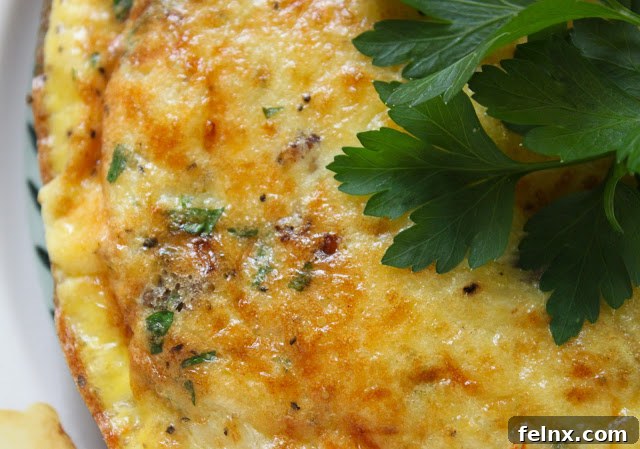
How to Make a Perfect Frittata: The Ultimate Guide to Italian Egg Mastery
One of the most versatile, creative, and effortless dishes where eggs are the undisputed star is the frittata. Whether you are looking for a quick weeknight dinner, a sophisticated brunch centerpiece, or a healthy meal-prep option, the frittata is your best friend. With these comprehensive guidelines and expert tips, you will become a pro at making a perfect frittata every single time.
If you have never made a frittata before, you might find the process slightly intimidating, but it is actually one of the easiest recipes to master. A perfect frittata is creamy, custard-like, and packed with your favorite cheeses, vegetables, and meats. The preparation is straightforward: whisk eggs with a splash of dairy, fold in your ingredients, and let the heat do the work. In less than thirty minutes, you can have a gourmet-level meal on your table.
What Exactly is a Frittata?
The word “frittata” comes from the Italian verb friggere, which literally means “to fry.” Historically, this was a general term for cooking eggs in a skillet. However, in modern culinary terms, a frittata has evolved into a specific technique that distinguishes it from its cousins, the omelette and the quiche.
Unlike a quiche, a frittata is crustless, making it naturally lower in carbohydrates and much faster to prepare since you don’t have to worry about pastry dough. Unlike a traditional French omelette, which is cooked quickly over high heat and folded, a frittata is cooked slowly over low heat and served open-faced. It is often started on the stovetop and finished under the broiler to achieve a beautiful, puffed, golden-brown top.
Frittata vs. Omelette: Understanding the Differences
While both dishes rely on eggs, the method and results are quite different. Here is why the frittata stands out:
- Ingredient Integration: In an omelette, the fillings are usually placed in the center of the cooked eggs before folding. In a frittata, the ingredients are mixed directly into the raw egg mixture, ensuring every bite is flavorful.
- Aeration: For a frittata, eggs are often beaten more vigorously than for an omelette. This incorporates more air, resulting in a deeper, fluffier texture that can support heavy fillings like potatoes or sausage.
- Cooking Temperature: Omelettes are made quickly. Frittatas are cooked over very low heat for 5 to 10 minutes on the stove until the bottom is set, then finished in the oven.
- Serving Style: Frittatas are meant to be shared. They are typically sliced into wedges like a pizza or a cake and can be served hot, warm, or even at room temperature.
The Golden Ratio: The Basic Frittata Recipe
To ensure a creamy, custard-like texture rather than a rubbery one, you should follow a basic ratio of eggs to dairy and fillings. This formula works perfectly for a standard 10-inch oven-safe skillet.
For every 6 jumbo eggs, use:
- 1/4 cup of heavy cream or whole milk.
- 1 cup of shredded or crumbled cheese.
- 2 cups of pre-cooked vegetables or meat.
- 1/2 teaspoon of salt and a pinch of black pepper.
Choosing Your Ingredients
The beauty of the frittata is that it acts as a “culinary canvas.” You can use almost anything you have in your refrigerator. However, choosing the right combinations will elevate the dish.
Vegetables
You can use leafy greens like spinach, Swiss chard, or arugula. Heartier vegetables like artichokes, mushrooms, zucchini, bell peppers, broccoli, and potatoes are also excellent choices. Pro Tip: Always pre-cook your vegetables. Raw vegetables release moisture when they cook, which can make your frittata watery. Sautéing or roasting them first ensures they are “al dente” and packed with flavor.
Cheese
Cheese adds both flavor and creaminess. Sharp cheeses like Parmigiano-Reggiano or aged Cheddar provide a punch of saltiness. Melty cheeses like Fontina, Mozzarella, or Gruyère create a gooey texture. For a tangy twist, try crumbling in Feta or Goat cheese.
Dairy and Meat
Don’t skip the dairy! Full-fat dairy like heavy cream, sour cream, or whole milk is essential for that luxurious mouthfeel. As for meat, Italian sausage, pancetta, crispy bacon, or diced ham are classic additions that provide protein and depth.
Fresh Herbs
Fresh herbs bring a frittata to life. Basil, parsley, chives, and thyme are the most common. Add them to the egg mixture or sprinkle them on top as a garnish after baking to maintain their bright color and aroma.
Expert Tips for the Perfect Frittata
- The Right Pan: Use a well-seasoned cast-iron skillet or a high-quality non-stick, oven-safe skillet. If your pan isn’t non-stick, ensure you use enough oil or butter to prevent the eggs from grabbing the sides.
- Avoid Overcooking: A frittata should have a slight jiggle in the center when you pull it out of the oven. It will continue to cook through “carry-over heat” as it rests. Overcooking leads to a dry, spongy texture.
- The Broiler Finish: To get a beautiful golden-brown top, place the skillet under the broiler for the last 2 to 3 minutes of cooking. Watch it closely, as it can go from golden to burnt very quickly!
- Let it Rest: Allow the frittata to sit for at least 5 minutes before slicing. This helps the structure set and makes it much easier to serve clean wedges.
Step-by-Step Recipe: Italian Sausage and Cheese Frittata
This specific recipe is a crowd-pleaser, combining the savory spice of Italian sausage with a rich blend of cheeses.
Ingredients
- 6 jumbo eggs
- 1 lb mild or sweet ground Italian sausage
- 3-4 green onions, chopped
- 1/4 cup heavy cream
- 1 cup 6-cheese Italian blend (grated)
- 4 tbsp fresh Italian parsley, chopped
- 1/4 tsp salt and black pepper to taste
Instructions
- Cook the Meat: In a small, non-stick, oven-proof skillet, brown the Italian sausage over medium-high heat. Break it into small crumbles as it cooks.
- Sauté Onions: Add the chopped green onions to the sausage and sauté for another 2 minutes. Drain any excess fat from the pan.
- Whisk the Eggs: In a medium bowl, vigorously whisk the eggs with the heavy cream, chopped parsley, and salt.
- Combine: Pour the egg mixture directly over the sausage and onions in the skillet.
- Add Cheese: Sprinkle the cheese blend over the top and gently swirl it into the eggs with a spatula.
- Slow Cook: Cover the pan and cook over low heat for about 10 minutes. Check the bottom occasionally to ensure it isn’t browning too quickly.
- Broil: Once the edges are set but the top is still slightly wet, place the skillet under the oven broiler. Broil until the top is puffed and golden brown (usually 3-5 minutes).
- Serve: Let it rest for 5 minutes, garnish with more fresh herbs, and slice into wedges.
Serving and Storage
Frittatas are incredibly versatile when it comes to serving. For breakfast, pair a wedge with hash browns or thick slices of artisan toast. For a light lunch or dinner, a crisp green salad with a lemon vinaigrette provides a perfect acidic contrast to the richness of the eggs.
Storage: If you have leftovers, they keep beautifully. Store them in an airtight container in the refrigerator for up to 4 days. You can enjoy them cold, at room temperature, or gently reheated in a toaster oven or microwave. This makes the frittata an excellent option for healthy office lunches!
Recommended Tools for Success
To achieve the best results, having the right equipment is key. An oven-safe skillet is mandatory since the dish moves from the stovetop to the broiler.
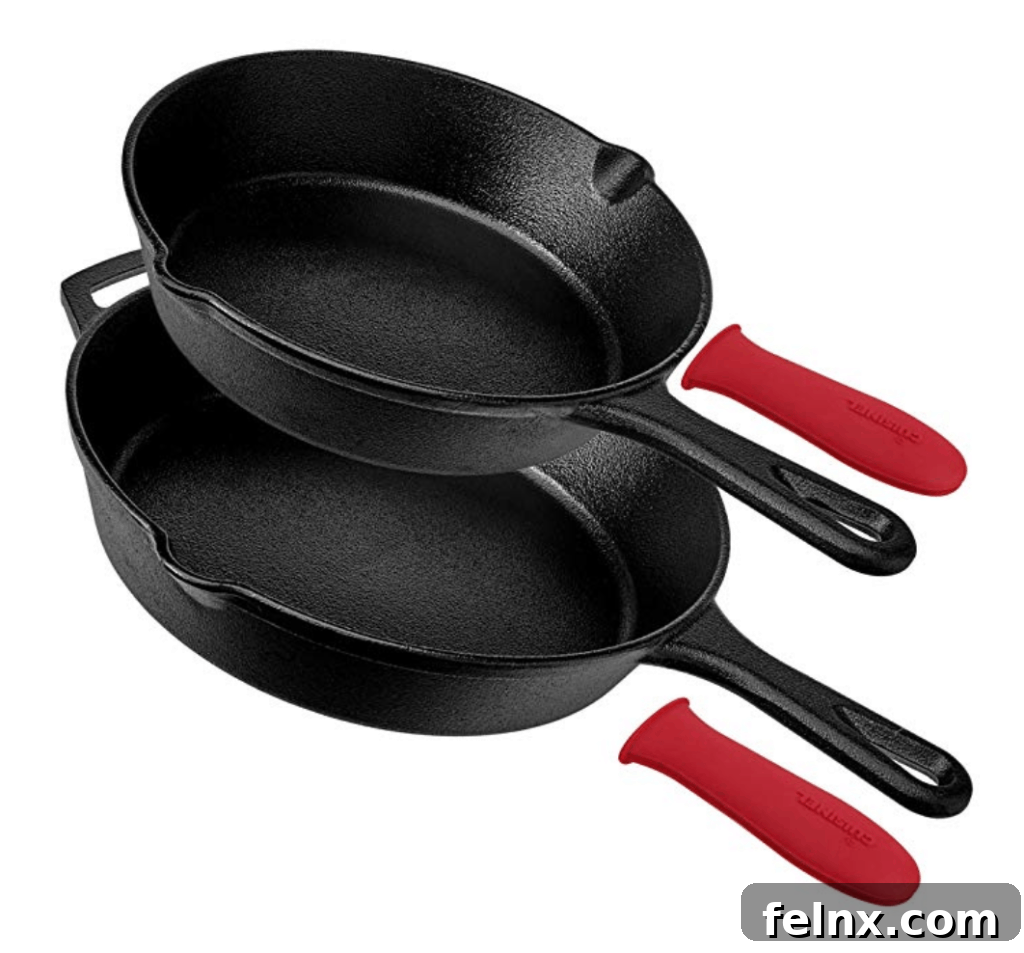
Cast Iron Skillet: Provides even heat distribution and a natural non-stick surface when seasoned properly.
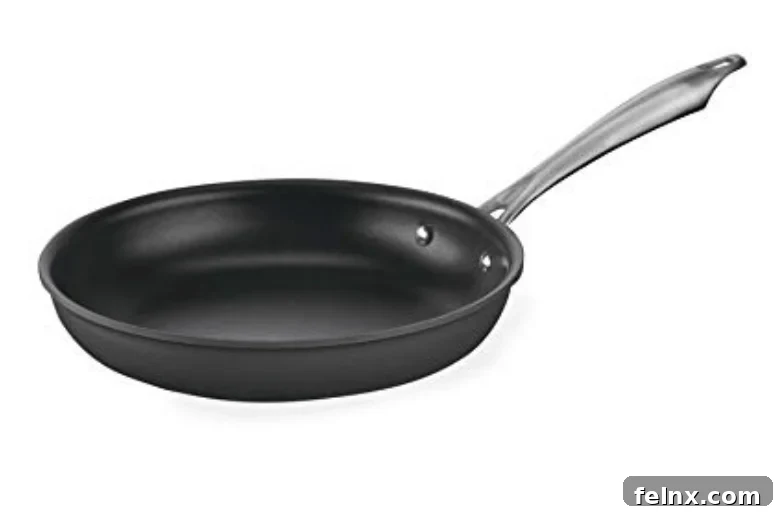
Non-Stick Ovenproof Skillet: The easiest option for beginners to ensure the frittata slides right out of the pan.
Now that you have all the tips, techniques, and a foolproof recipe, you are ready to create your own perfect frittata. Don’t be afraid to experiment with different flavor combinations—after all, that is the true Italian way!
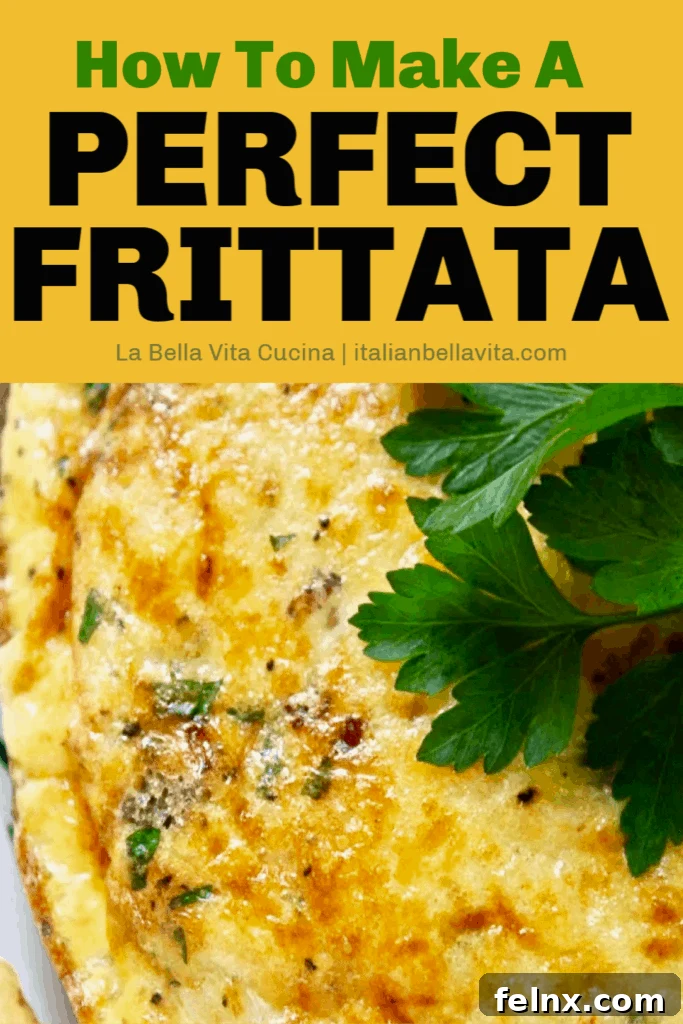
Recipe Summary: Italian Sausage Frittata
Prep time: 15 mins | Cook time: 15 mins | Total time: 30 mins
Yield: 6 Servings
This hearty frittata is packed with protein and Italian flavors. Perfect for any meal of the day!