Exploring Milan: A Comprehensive Guide to the Top Must-See Sights
Milan is a city that captures the imagination like no other. As Italy’s northern powerhouse, it is a place where centuries of art, history, and groundbreaking architecture coexist with a fast-paced, modern lifestyle. While many people first think of Milan as a global capital for fashion and design, its true magic is found within its iconic landmarks. From the Renaissance brilliance of Leonardo da Vinci’s “The Last Supper” to the staggering Gothic spires of the Duomo, Milan offers a cultural journey that is both profound and visually stunning.
To truly understand the heart of Northern Italy’s cultural capital, you must look beyond the runways. The city is a living museum, featuring the grand Galleria Vittorio Emanuele II, the world-renowned La Scala Opera House, and the historic canals of the Navigli district. This guide explores the most essential sights in Milan, providing you with everything you need to plan an unforgettable visit to this elegant metropolis.
The Duomo: The Heart and Soul of Milan
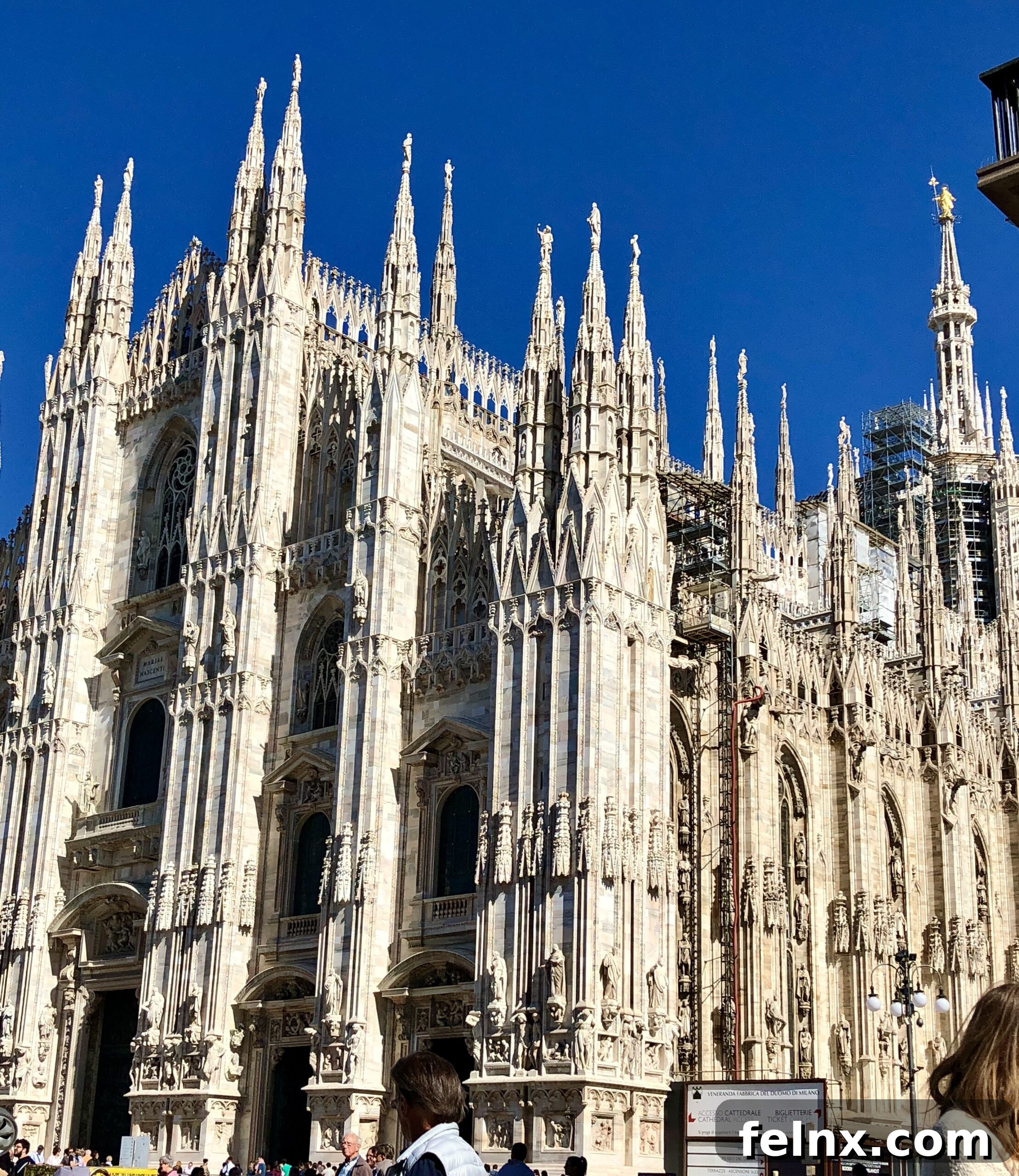
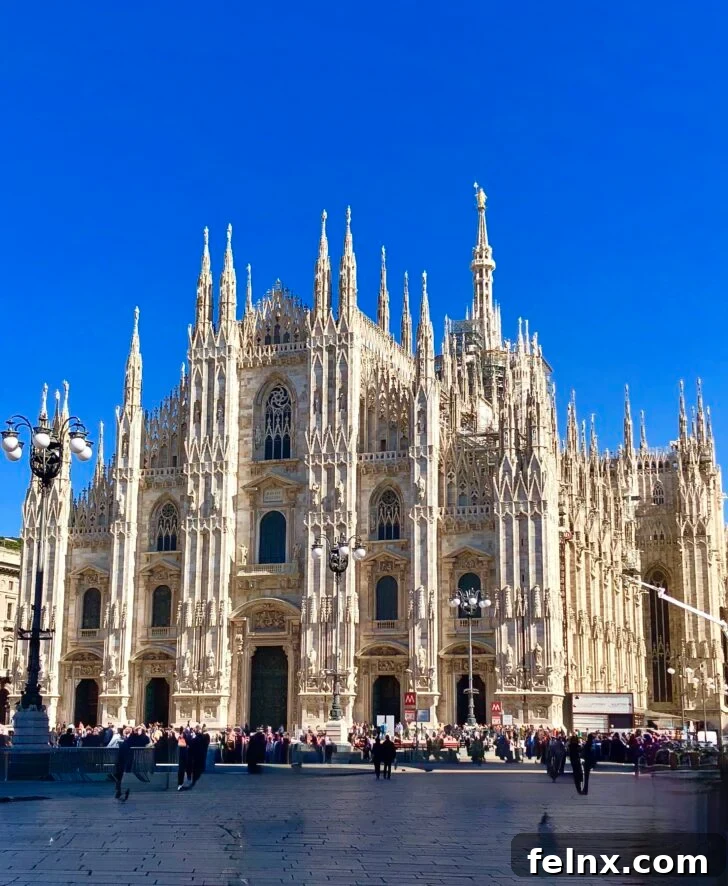
Any visit to Milan must begin at the Cathedral of the Nativity of the Blessed Virgin Mary, universally known as the Duomo di Milano. This architectural masterpiece is not just a church; it is the center of the city’s identity. Taking nearly six centuries to complete, it stands as one of the largest and most intricate Gothic cathedrals in the world. The exterior is adorned with over 3,400 statues and 135 gargoyles, all carved from the distinct pink-hued Candoglia marble.
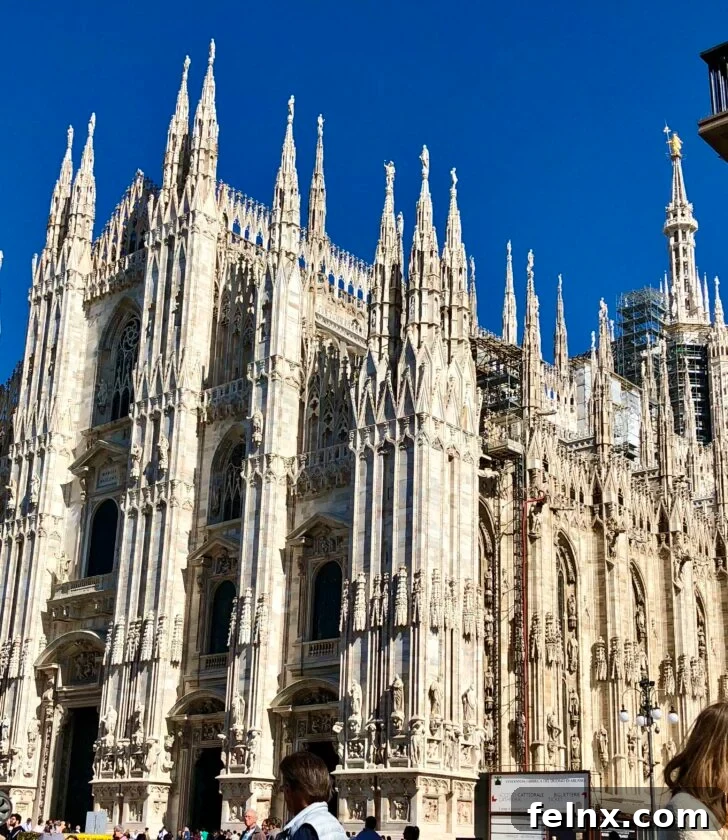
Walking through the Piazza del Duomo, you are immediately struck by the sheer scale of the building. However, the real secret to experiencing the Duomo lies on its roof. The cathedral terraces offer a unique opportunity to walk among the spires and flying buttresses. From this height, you can enjoy a panoramic view of Milan, and on a clear day, you can even see the snow-capped peaks of the Alps in the distance. The golden “Madonnina” statue atop the tallest spire watches over the citizens, serving as a symbol of protection and pride for all Milanese people.
Inside, the cathedral is equally impressive. The vast nave, illuminated by some of the world’s largest stained-glass windows, creates a somber yet awe-inspiring atmosphere. Beneath the altar lies the crypt of Saint Charles Borromeo, and the archaeological area in the basement reveals the remains of an 4th-century baptistery, showcasing the layers of history that exist beneath the modern city streets.
Galleria Vittorio Emanuele II: Milan’s Living Room
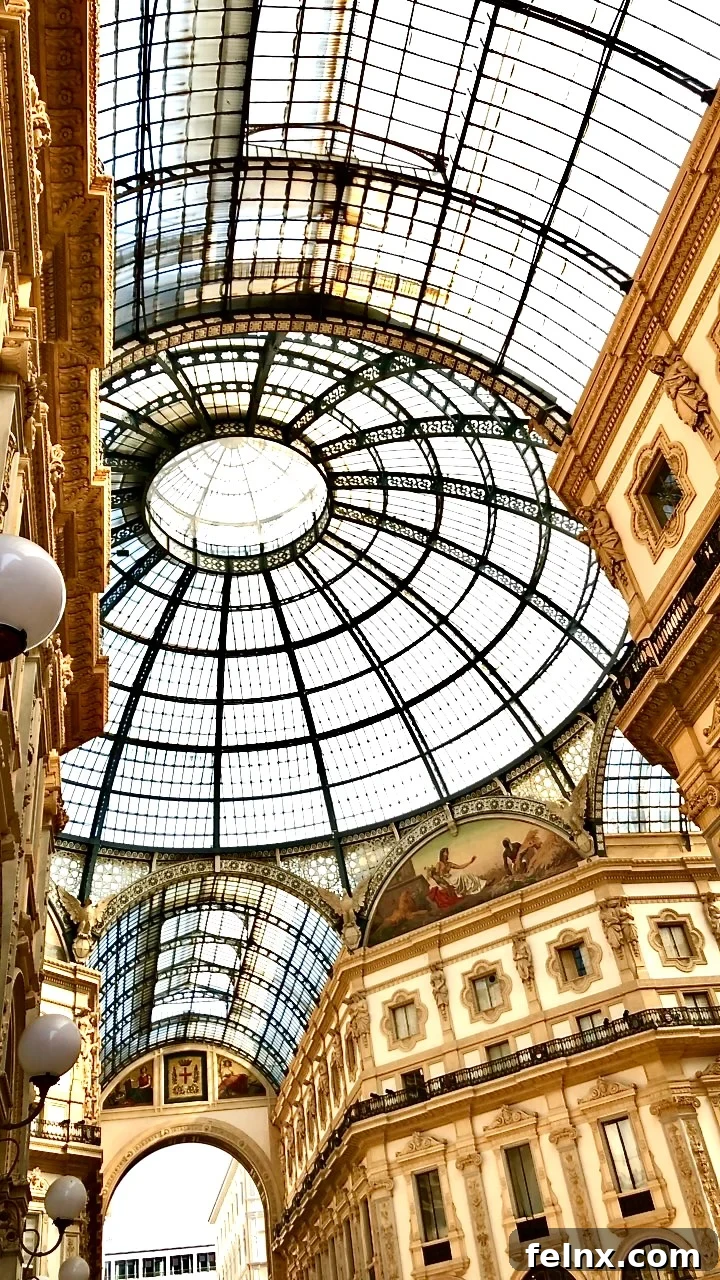
Connected to the Piazza del Duomo is the Galleria Vittorio Emanuele II. Often referred to as “il salotto di Milano” (Milan’s drawing room), this 19th-century glass-roofed arcade is one of the world’s oldest shopping malls. It is a triumph of iron and glass architecture, featuring a soaring central dome and intricate floor mosaics representing the four continents and the various cities of Italy.
The Galleria is a place to see and be seen. It houses some of the most prestigious luxury brands, including the original Prada boutique which opened in 1913. However, you don’t need to be a high-end shopper to enjoy the space. Many visitors stop at the historic Camparino in Galleria for a traditional Italian aperitivo or grab an espresso at one of the elegant cafés to watch the stylish locals pass by. Don’t forget to look for the mosaic of the bull on the floor; tradition says that spinning three times on your heel over the bull’s “vital parts” will bring you good luck!
Teatro alla Scala: A Jewel of Musical History
Exiting the Galleria toward the north leads you directly to La Scala (Teatro alla Scala). Since its inauguration in 1778, this theater has been the pinnacle of the opera world. While its neoclassical facade may appear modest compared to the Duomo, the interior is a breathtaking display of red velvet, gold leaf, and massive crystal chandeliers. It is a place where legends like Giuseppe Verdi, Giacomo Puccini, and Maria Callas achieved immortality.
If you cannot secure tickets for a performance, the La Scala Museum is an excellent alternative. It offers a deep dive into the history of Italian opera, displaying original costumes, musical instruments, and set designs. You can often peer into the theater boxes to see the magnificent auditorium, getting a sense of the incredible acoustics that have made it a place of pilgrimage for music lovers for over two centuries.
The Quadrilatero della Moda: The Peak of Luxury
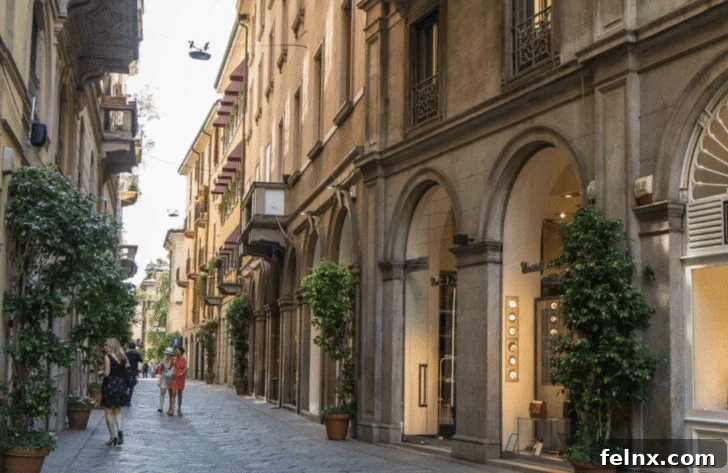
Milan is synonymous with fashion, and nowhere is this more evident than in the Quadrilatero della Moda, or the Golden Rectangle. This district, centered around Via Montenapoleone and Via della Spiga, is home to the flagship stores of every major global designer, from Gucci and Versace to Armani and Prada. Even for those not planning a purchase, window shopping here is an artistic experience in itself.
The streets are lined with beautiful neoclassical buildings and perfectly manicured courtyards. During Fashion Week, the area transforms into a high-energy hub of models, photographers, and influencers. Even on a quiet day, the district exudes an air of sophisticated elegance that defines the “Made in Italy” brand. Walking through these streets offers a glimpse into the wealth and creativity that have made Milan the most important fashion hub on the planet.
Castello Sforzesco: A Renaissance Fortress
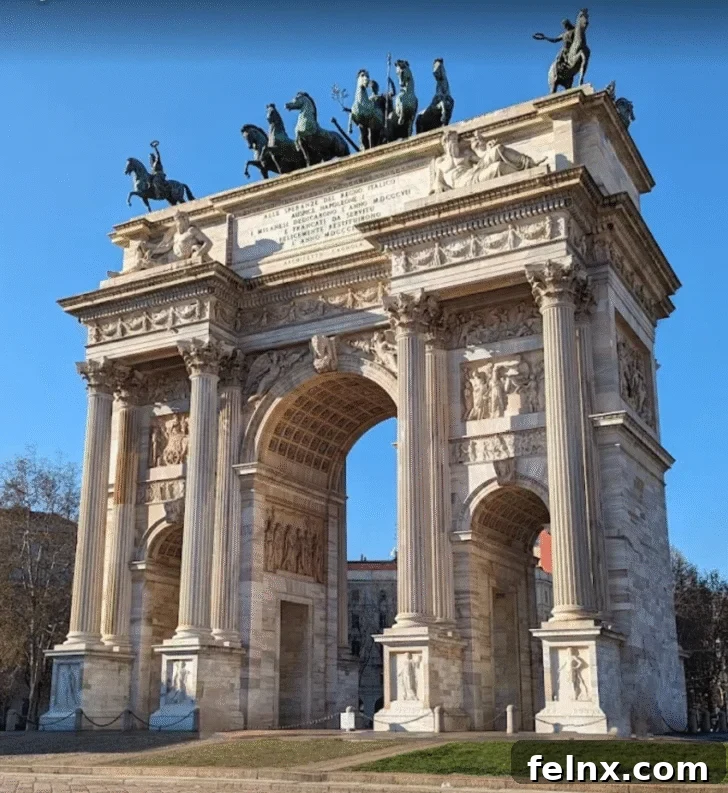
The Castello Sforzesco is a massive 15th-century fortress that once served as the seat of the powerful Sforza family, the rulers of Milan. Today, it stands as one of the city’s most important cultural complexes. Its red-brick walls and defensive towers are surrounded by the lush greenery of Parco Sempione, the city’s largest park.
The castle grounds are open to the public and provide a peaceful escape from the busy city streets. Inside the castle, you will find several museums housing impressive art collections. Most notably, it contains Michelangelo’s final, unfinished work, the Pietà Rondanini. There are also rooms decorated with frescoes by Leonardo da Vinci, who lived and worked in the castle for many years. Whether you are interested in medieval weaponry, ancient musical instruments, or Renaissance art, the Castello Sforzesco offers a rich historical experience for every visitor.
Leonardo da Vinci’s “The Last Supper”
Perhaps the most famous work of art in Milan—and indeed the world—is Leonardo da Vinci’s “The Last Supper” (Il Cenacolo). Located in the refectory of the Convent of Santa Maria delle Grazie, this mural captures the emotional intensity of the moment Jesus reveals he will be betrayed. Leonardo’s use of perspective and his ability to portray human emotion through body language was revolutionary for the time.
Due to the fragile nature of the painting, which Leonardo executed using an experimental technique on a dry wall, access is strictly limited. Visitors must book tickets months in advance, and viewing is restricted to small groups for only 15 minutes at a time. Despite the brief visit, seeing this masterpiece in person is a transformative experience. It is a rare opportunity to stand before a piece of history that has survived wars, floods, and the passage of five centuries.
The Beauty of Milanese Porticoes
While often overshadowed by the grand landmarks, the porticoes (covered walkways) of Milan are an essential part of the city’s architectural charm. These elegant, arched walkways provide shelter from the rain and shade from the summer sun, allowing the Milanese to walk, shop, and socialize in comfort throughout the year.
Areas like Corso Vittorio Emanuele and the streets around San Babila are famous for these structures. They give the city a rhythmic, orderly feel and house some of the best window-shopping opportunities in Europe. Strolling beneath these arches offers a more intimate look at daily life in Milan, where the traditional and the contemporary blend seamlessly in the shadow of grand historic facades.
The Navigli: Milan’s Historic Canal District
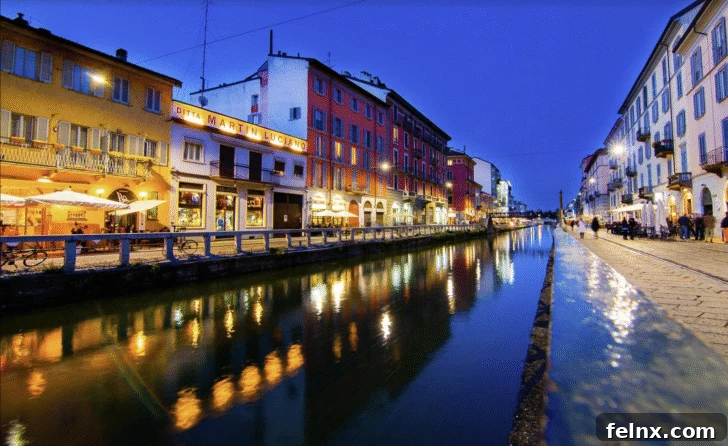
For a change of pace, head southwest to the Navigli district. This area is famous for its historic system of canals, the Naviglio Grande and Naviglio Pavese. Historically used for transporting goods—including the marble for the Duomo—these canals are now the center of Milan’s vibrant nightlife and creative scene.
The Navigli is best enjoyed in the late afternoon and evening. The canal banks are lined with colorful houses, vintage shops, art galleries, and dozens of bars and restaurants. It is the perfect place to experience a true Milanese aperitivo. As the sun sets, the water reflects the twinkling lights of the bars, creating a romantic and lively atmosphere that feels worlds away from the formal elegance of the city center. Every last Sunday of the month, the area hosts a famous antique market, drawing collectors from all over Italy.
Conclusion: A City of Endless Discovery
Milan is a city that rewards those who take the time to explore its many layers. It is much more than a business hub or a shopping destination; it is a city of profound beauty and historical depth. From the spiritual heights of the Duomo to the artistic genius of Leonardo da Vinci and the energetic canals of the Navigli, Milan offers a diverse range of experiences that cater to every type of traveler.
Whether you are visiting for the first time or returning to discover something new, Milan’s ability to blend its glorious past with a forward-looking spirit ensures that your journey will be filled with inspiration. Take your time, enjoy a slow espresso under a historic portico, and let the timeless elegance of this Italian gem reveal itself to you. Your journey through the heart of Lombardy is sure to leave you with memories that last a lifetime.
Arrivederci and enjoy your Milanese adventure!