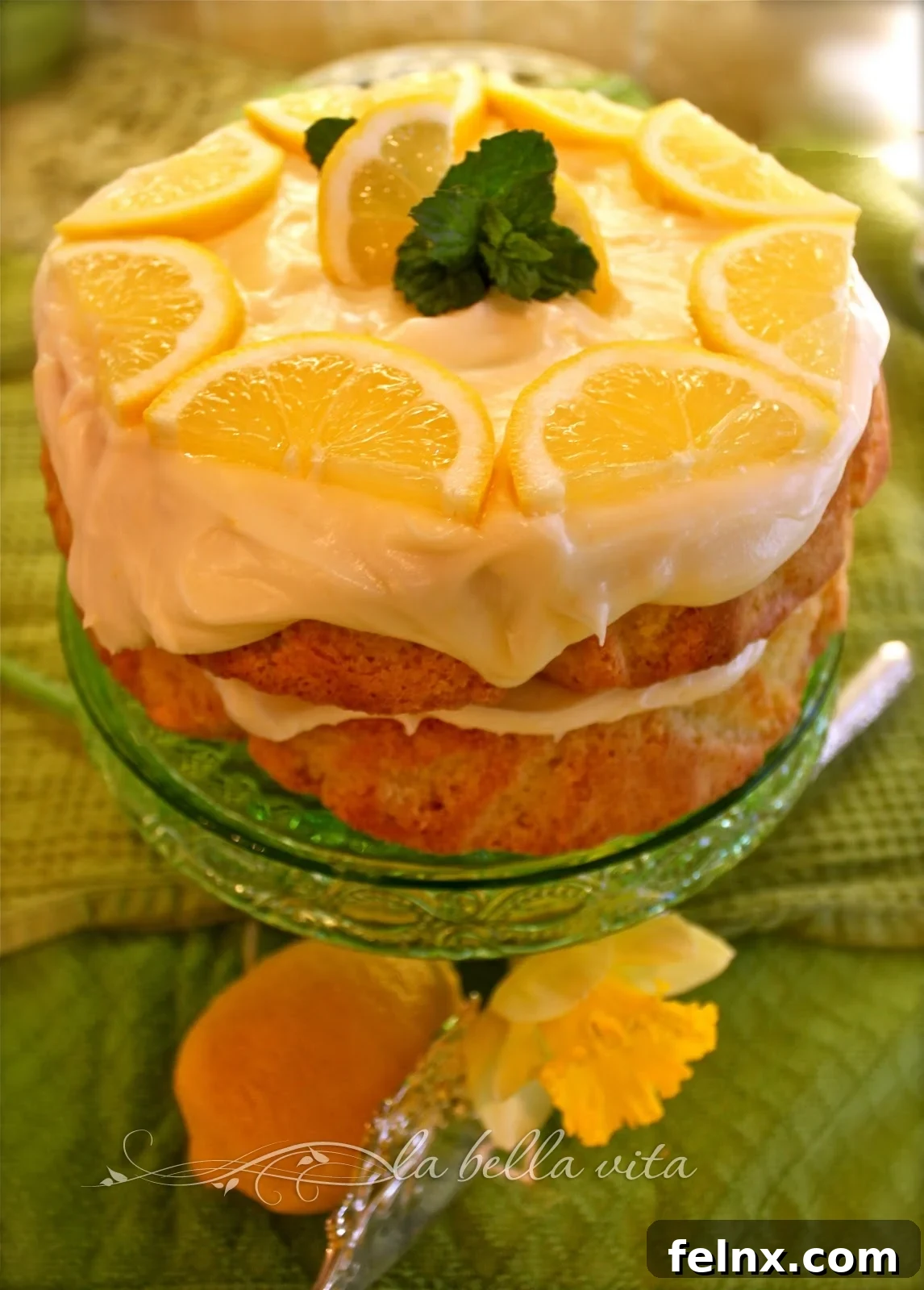
The Ultimate Lemon Layer Cake with Zesty Limoncello Icing
There is something undeniably cheerful about the color yellow. It radiates warmth, energy, and a sense of optimism that few other colors can match. When that vibrant hue is translated into a culinary masterpiece like a Lemon Layer Cake with Limoncello Icing, it becomes more than just a dessert; it becomes a celebration of sunshine on a plate. This cake is not only a sight to behold but a symphony of flavors that perfectly captures the transition from the cold, gray days of winter to the bright, blossoming promise of spring.
For many of us, this bright and sunny hue is exactly what we need during the final stretches of winter. Those living in northern regions often experience long, challenging seasons characterized by heavy snow and overcast skies. Having spent a significant portion of my life in Iowa, where winters are notoriously severe, I deeply empathize with anyone currently feeling “winter-weary.” It was those cold memories that made my move to South Carolina so transformative. Sitting on my deck in the soothing warm March sun, I watched the daffodils and pansies nod their heads in the breeze while the unmistakable scent of citrus filled my home. It was a moment of pure spring bliss, and this cake was the centerpiece of that experience.
Embracing the Vibrant Theme of Citrus
Every year, food enthusiasts and home bakers look for ways to celebrate the changing seasons. As part of the Cooking Light Virtual Supper Club, the theme “Notes of Citrus” couldn’t have been more appropriate for this time of year. Late winter and early spring are when citrus fruits, particularly lemons, reach their peak of freshness and flavor. While lemons are available year-round, there is a specific quality to the harvest at this time that makes them incredibly juicy and aromatic.
When selecting a recipe for such a theme, I searched for something that was both light and decadent. I eventually found a recipe rated as “outstanding,” but I knew I wanted to add a personal signature to it. That signature became the addition of Limoncello—a classic Italian lemon liqueur—into the icing. This addition elevates the cake from a standard lemon dessert to a sophisticated treat that carries a deep, complex citrus profile.
The Secret to an Unbelievably Moist Lemon Cake
The most common pitfall when baking layer cakes is dryness. Many recipes provide a standard baking time that may not account for the specific heat distribution of different ovens. In my kitchen, I discovered that the key to achieving a “simply incredible” texture was a significant adjustment to the baking time. While the original instructions suggested 30 minutes, I reduced the time to just 20 minutes. This ten-minute difference was the secret to preserving the cake’s internal moisture, ensuring a tender crumb that melts in your mouth.
Another crucial modification involved the icing. Standard powdered sugar icings can often become too thick or overly sweet. To balance this, I added two tablespoons of Limoncello. Not only did this thin the icing to a perfect, spreadable consistency, but the alcohol and extra acidity helped cut through the sugar, resulting in a flavor profile that was bursting with zest rather than just sweetness. The results were undeniable: even those with small appetites couldn’t resist finishing their entire slice.
Why Limoncello is the Game-Changer
Limoncello is a staple of Southern Italy, made by steeping lemon zest in grain alcohol until the oil is released. It is traditionally served chilled as a digestif, but its application in baking is transformative. Unlike lemon extract, which can sometimes taste artificial, or lemon juice, which can be too acidic, Limoncello provides a concentrated, floral lemon essence. By incorporating it into the icing, you infuse the cake with an authentic Mediterranean flair that makes every bite feel like a vacation on the Amalfi Coast.
Recipe: Lemon Layer Cake with Limoncello Icing
This recipe balances the tartness of fresh lemons with the creamy sweetness of a butter-based icing. It is designed to be light yet satisfying, making it the perfect conclusion to a spring brunch or a celebratory dinner.
Ingredients for the Cake
- Cooking spray: For prepping the pans.
- All-purpose flour: 2 cups (plus 2 additional tablespoons for dusting the pans).
- Baking powder: 1 teaspoon.
- Baking soda: 1/2 teaspoon.
- Salt: 1/2 teaspoon.
- Granulated sugar: 1-1/2 cups.
- Unsalted butter: 1/2 cup, softened to room temperature.
- Eggs: 3 large eggs.
- Buttermilk: 1 cup, non-fat (this provides the necessary acidity for a tender crumb).
- Lemon zest: 2 tablespoons, freshly grated.
- Lemon juice: 2 tablespoons, freshly squeezed.
Ingredients for the Limoncello Icing
- Powdered sugar: 3 cups, sifted to remove lumps.
- Unsalted butter: 1/4 cup, melted.
- Lemon zest: 1 tablespoon, grated.
- Lemon juice: 1/4 cup, freshly squeezed.
- Limoncello: 2 tablespoons (the secret ingredient).
- Garnish: Fresh lemon slices, lemon rind strips, and a sprig of fresh mint.
Step-by-Step Instructions
- Preparation: Preheat your oven to 350°F (175°C). Prepare two 8-inch round cake pans by coating them with cooking spray. Line the bottoms with wax paper and spray the paper as well. Dust the pans with 2 tablespoons of flour, tapping out the excess. This ensures your cake releases perfectly every time.
- Mix Dry Ingredients: In a medium bowl, whisk together the 2 cups of flour, baking powder, baking soda, and salt. Whisking helps aerate the flour and ensures the leavening agents are evenly distributed.
- Cream Butter and Sugar: In a large mixing bowl, combine the granulated sugar and softened butter. Using a hand-held mixer at medium speed, beat the mixture until it is light and fluffy.
- Incorporate Eggs: Add the eggs one at a time. It is vital to beat the mixture well after each addition to build the structure of the cake.
- Alternate Wet and Dry: Gradually add the flour mixture and the buttermilk to the butter mixture. Start with a third of the flour, then half of the buttermilk, and continue alternating, ending with the flour mixture. This technique prevents the batter from curdling.
- Add Citrus: Fold in the 2 tablespoons of lemon zest and 2 tablespoons of lemon juice. The aroma at this stage will be incredible.
- Bake: Divide the batter evenly between the two prepared pans. Bake at 350°F for exactly 20 minutes. Use a wooden pick to check the center; if it comes out clean, remove the cakes immediately. Do not overbake!
- Cooling: Let the cakes cool in their pans on a wire rack for 10 minutes. Then, carefully invert them onto the rack, remove the wax paper, and allow them to cool completely.
- Prepare Icing: While the cakes cool, whisk together the powdered sugar, melted butter, lemon zest, lemon juice, and Limoncello in a large bowl until smooth.
- Assembly: Place one cake layer on a serving pedestal. Spread half of the icing over the top. Place the second layer on top and cover it with the remaining icing, allowing some to drip gracefully down the sides if desired.
- Garnish: Finish the cake with lemon wedges, zest, and a fresh sprig of mint from the garden for a professional touch.
Presentation and Serving Suggestions
A cake this beautiful deserves an equally stunning presentation. I personally love using a green cut-glass pedestal cake stand. The soft green hue complements the bright yellow of the lemon and the white of the icing, creating a palette that is quintessentially “spring.” To add a touch of elegance, use a silver cake server. The contrast between the rustic, homemade feel of the cake and the polished silver creates a lovely balance of simplicity and sophistication.
This cake is best served at room temperature to fully appreciate the citrus notes, but it should be stored loosely covered in the refrigerator to keep the icing fresh. Whether you are hosting a garden party or simply want to brighten a weekday afternoon, this Lemon Layer Cake with Limoncello Icing is guaranteed to bring a smile to everyone’s face. It is a reminder that beauty often lies in simplicity—the scent of a lemon, the warmth of the sun, and the joy of a shared dessert.
The Healthier Side of Baking
While this is a decadent dessert, using non-fat buttermilk and controlling the amount of butter makes it a lighter option compared to traditional buttercream-heavy cakes. By focusing on high-impact flavor ingredients like fresh zest and Limoncello, you can achieve a rich taste experience without the need for excessive fats. This approach aligns with the “Cooking Light” philosophy of maximizing flavor while being mindful of ingredients.
The next time the sky looks a little too gray or the winter seems a little too long, head to your kitchen. Let the bright yellow of the lemons and the floral scent of Limoncello transport you to a sun-drenched porch in the South. Baking is, after all, a form of therapy—one that ends with a delicious slice of cake.
Did you make this recipe?
If you decided to try this zesty Lemon Layer Cake, I would love to hear about your results! Feel free to leave a comment or share your photos on social media. There is nothing more rewarding than seeing a community of bakers find joy in the same flavors that inspired me.