The Ultimate Guide to Making Fresh and Healthy Mediterranean Tabouli Salad
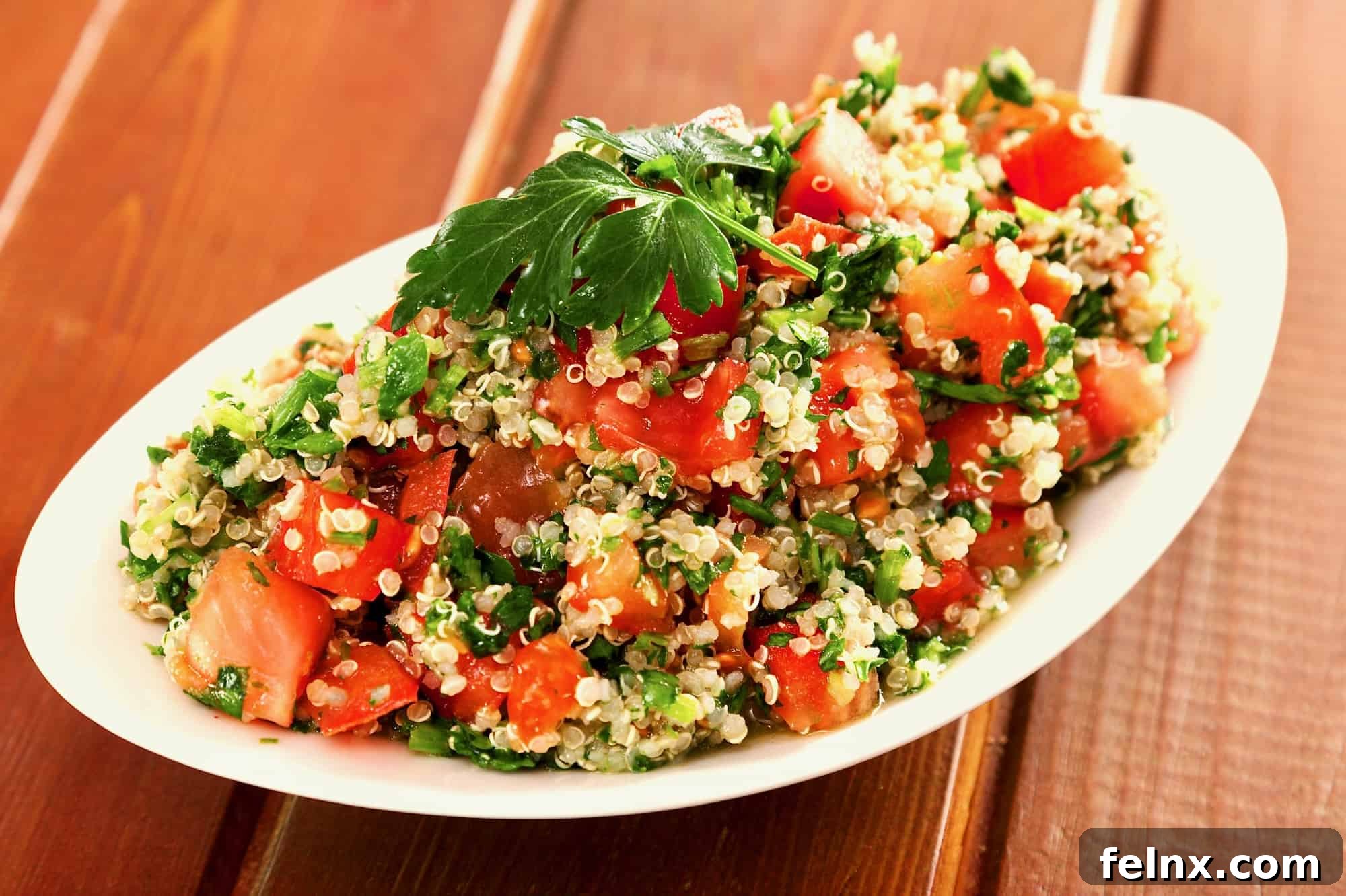
One of the most beloved salads in Mediterranean cuisine is the vibrant, refreshing, and deeply nutritious dish known as Tabouli (or Tabouleh). Many people first encounter this savory salad in the deli section of a local market, only to be instantly hooked by its tangy, herb-forward flavor. However, once you experience the difference between store-bought versions and a homemade recipe, there is no going back. Making your own Tabouli at home ensures peak freshness, maximum nutritional value, and the absolute absence of artificial preservatives.
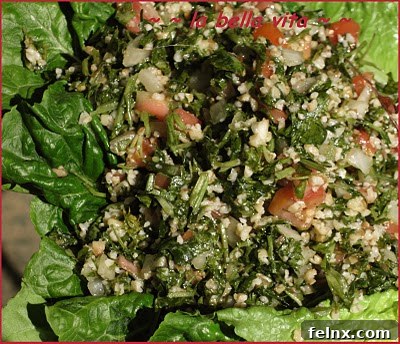
Tabouli is a flavor-packed, perfectly balanced salad that serves as a collage of fresh parsley, extra virgin olive oil, juicy tomatoes, zesty lemon, aromatic garlic, and hearty bulgur wheat. Often served on a bed of crisp Romaine lettuce leaves, it can be eaten with a fork or used as a scoop for a hand-held snack. While the basic ingredients remain consistent, the beauty of this dish lies in its versatility. You can easily customize your salad by adding crunchy carrots, crisp cucumbers, sharp red onions, or mild scallions. Each addition provides an extra layer of texture and taste that elevates the dish from a simple side to a gourmet experience.
The Health Benefits of Tabouli: A Superfood in a Bowl
When it comes to healthy eating, Tabouli is a nutritional powerhouse. One of the most impressive aspects of this salad is its caloric profile. A single cup contains only about 110 calories, yet it is packed with essential nutrients. With roughly 3 grams of healthy fats, 3 grams of dietary fiber, and 3 grams of protein, it keeps you feeling full and satisfied without weighing you down. Furthermore, it is naturally cholesterol-free and contains only 8 grams of complex carbohydrates.
The high concentrations of vitamins A and C are perhaps the most significant benefits. These vitamins are crucial for immune support, skin health, and eye protection. The abundance of fresh green parsley acts as a natural detoxifier, helping to cleanse the system and provide a boost of chlorophyll. When combined with the hydrating power of cucumbers and tomatoes, and the vitamin-rich Romaine lettuce, you have a meal that is as cleansing as it is delicious.
Understanding the Core Ingredients
To create the perfect Tabouli, it is important to understand the role of each primary ingredient. Each component brings a unique flavor profile and a specific set of health benefits to the table.
Fresh Italian Parsley
Unlike many salads where lettuce is the base, Tabouli uses parsley as its foundation. This herb is rich in antioxidants and vitamin K. For the best results, use flat-leaf Italian parsley, as it tends to have a more robust flavor and a smoother texture than the curly variety. The key is to chop it very finely, ensuring that every bite is infused with its peppery freshness.
Bulgur Wheat: The Ancient Grain
Bulgur is a parboiled, dried, and cracked wheat berry. It is a staple in Middle Eastern cooking and provides the salad with its characteristic “bite.” Because it is a whole grain, it provides more fiber than refined grains like white rice or couscous. If you are looking for a gluten-free alternative, you can easily substitute bulgur with quinoa or cauliflower rice, though the traditional version always uses wheat.
Fresh Lemon Juice and Extra Virgin Olive Oil
The dressing for Tabouli is deceptively simple but incredibly effective. Freshly squeezed lemon juice provides the necessary acidity to brighten the herbs, while high-quality extra virgin olive oil adds a silky mouthfeel and heart-healthy monounsaturated fats. The combination of these two ingredients acts as a natural preservative, keeping the vegetables crisp for longer.
Garlic and Mint
While parsley is the star, mint and garlic are the supporting actors that provide depth. Some prefer a heavy mint flavor, while others, like myself, prefer more garlic for a sharper, savory kick. Adjusting these quantities is the best way to make the recipe your own.
The Secret to a Perfect Tabouli: The Marination Process
One of the most important tips for making this salad truly shine is patience. While you can eat Tabouli immediately after mixing, letting it marinate in the refrigerator for at least one hour allows the flavors to “marry.” During this time, the bulgur absorbs the lemon juice and tomato water, softening further and becoming infused with the aromatic garlic and herbs. This resting period turns a simple mixture of vegetables into a symphony of flavor in every bite.
Step-by-Step Terrific Tabouli Recipe
Ready to bring the flavors of the Mediterranean into your kitchen? Follow this simple guide to create a fresh batch of Tabouli that will impress your family and friends.
Ingredients List
- 1-1/2 cups finely chopped fresh Italian parsley (stems discarded)
- 1 Tbsp. freshly diced mint leaves
- 1/2 medium onion, finely chopped (red or white)
- 3 medium tomatoes, diced (remove excess seeds if they are too watery)
- 1/2 cucumber, finely diced
- 2 cloves of garlic, minced
- 1/8 tsp. sea salt (or to taste)
- 1/8 tsp. ground black pepper
- 1/4 cup bulgur, medium grade
- 3 Tbsp. freshly squeezed lemon juice (more if you like it extra tangy)
- 3 Tbsp. extra virgin olive oil
- Fresh Romaine lettuce leaves for serving
Preparation Instructions
- Prepare the Bulgur: Place the bulgur in a small bowl and cover it with cold, clean water. Let it soak for 15 to 30 minutes until it is soft and pliable. Once soaked, drain any excess water using a fine-mesh sieve. To ensure the salad doesn’t become soggy, press the bulgur with paper towels to remove as much moisture as possible.
- Chop the Vegetables: While the bulgur is soaking, prepare your fresh ingredients. Finely chop the parsley, mint, onion, tomatoes, and cucumber. The smaller the dice, the better the flavors will integrate.
- Combine: In a large mixing bowl, combine the soaked bulgur with the chopped vegetables. Add the minced garlic, salt, and pepper.
- Dress the Salad: Pour the fresh lemon juice and extra virgin olive oil over the mixture. Toss everything thoroughly to ensure every leaf of parsley is coated.
- Chill and Serve: Line a serving bowl with clean, crisp Romaine lettuce leaves. Transfer the Tabouli onto the lettuce. For the best experience, cover the bowl and refrigerate for about an hour. Serve chilled and enjoy the refreshing taste of summer.
Variations and Customizations
The beauty of Mediterranean cooking is its adaptability. Depending on your dietary needs or what you have in your pantry, you can tweak this recipe in several ways:
- Gluten-Free Version: Replace the bulgur with cooked quinoa. Quinoa adds a similar texture and a boost of complete protein.
- Protein Boost: Add a can of rinsed chickpeas (garbanzo beans) to make the salad a more substantial main course.
- Fruit Twist: Some modern variations include pomegranate seeds for a burst of sweetness and color.
- Spice it Up: Add a pinch of sumac or allspice for a more traditional, earthy Middle Eastern flavor profile.
How to Store Tabouli
Tabouli is an excellent meal-prep option because it holds up well in the fridge. When stored in an airtight container, it will stay fresh for up to 3 days. In fact, many people believe it tastes even better on the second day. Just be sure to give it a quick toss before serving, as the dressing may settle at the bottom of the container.
Final Thoughts on This Mediterranean Classic
Tabouli is more than just a salad; it is a celebration of fresh ingredients and healthy living. By incorporating this wheat and herb salad into your diet, you are fueling your body with vital nutrients while enjoying one of the world’s most refreshing flavor combinations. Whether you serve it at a summer barbecue, a light lunch, or a traditional Mediterranean feast, it is sure to be a hit.
To your health! Enjoy the vibrant flavors and the revitalizing energy of this traditional dish. Salute’!
Terrific Tabouli: Wheat and Herb Salad Summary
Yields: 4-6 Servings
Prep Time: 20 Minutes
Resting Time: 60 Minutes
Ingredients At-A-Glance
- Parsley, Mint, Onion
- Tomatoes, Cucumber, Garlic
- Bulgur Wheat, Lemon Juice, Olive Oil
- Salt, Pepper, Romaine Lettuce
Quick Directions
Soak and dry the bulgur. Finely chop all fresh herbs and vegetables. Mix everything in a large bowl with the lemon juice and olive oil dressing. Chill for at least one hour to let the flavors develop. Serve on lettuce leaves for a fresh, crunchy experience.
If you enjoyed this recipe, consider sharing your results! Mediterranean cooking is all about community and sharing the joy of good food.